
What Is the Difference Between Acupuncture and Physiotherapy?
Two approaches, two logics. Understand what acupuncture does, what physiotherapy does, and when to choose one, the other, or both.
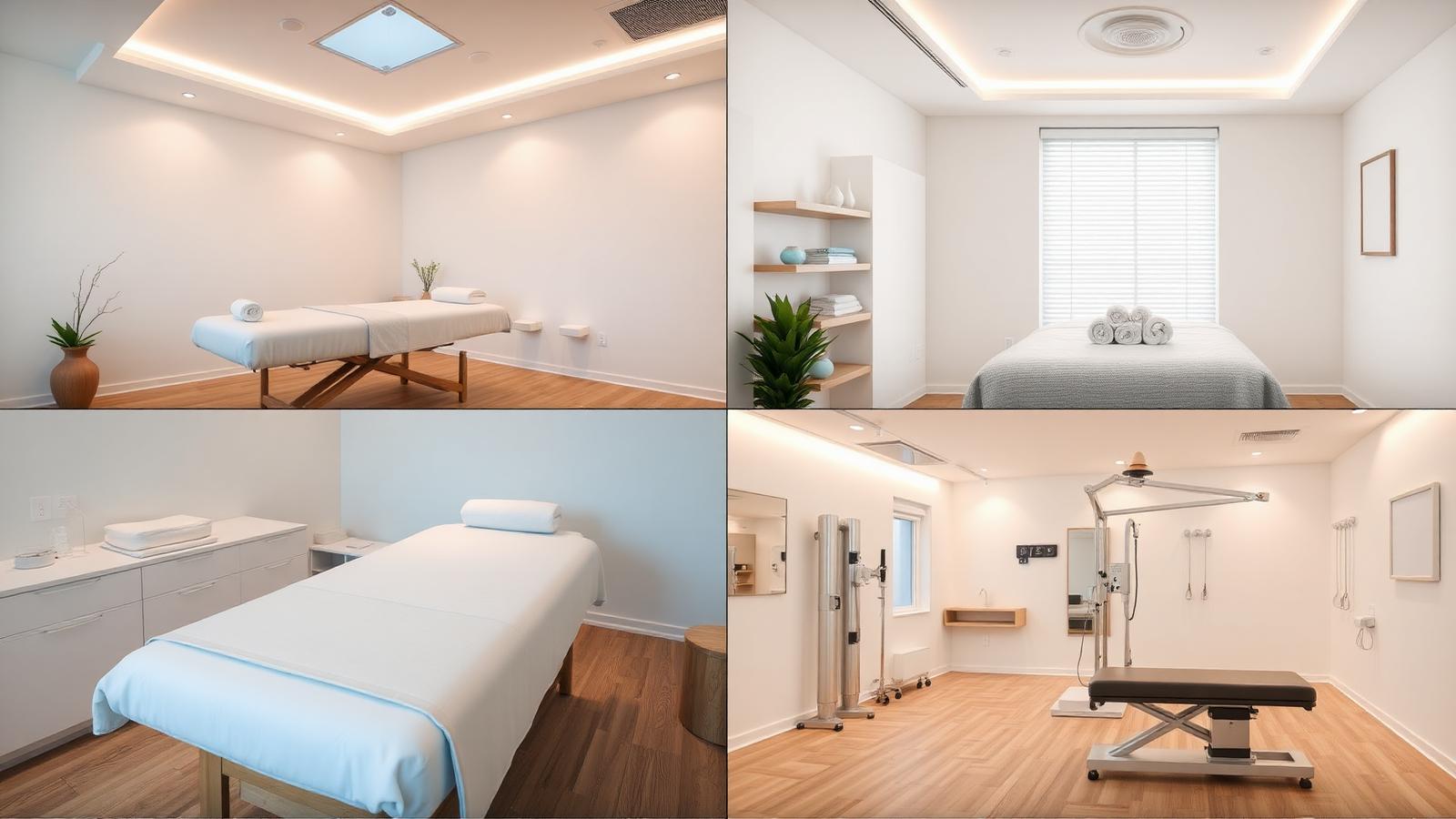
"Should I see an acupuncturist or a physiotherapist?" is one of the most common questions we get at Réhabital in Côte Saint-Luc. Both treat pain. Both are covered by most private insurance plans. Both are practised by regulated professionals in Quebec. And yet they are built on completely different logics — and confusing them is why some people spend months in the wrong treatment.
This article answers the question plainly: what each discipline actually does, which conditions each is best suited to, what a first session looks like, and how to decide.
The short answer
Acupuncture modulates how your nervous system processes pain. Fine needles inserted at specific points trigger local, spinal and central responses: increased local circulation, release of endogenous opioids and other neuromodulators, and a downregulation of an over-sensitised pain system. The main outcome is symptom change.
Physiotherapy changes what your body can physically tolerate. Through assessment, manual therapy and progressively loaded exercise, it restores range of motion, strength, endurance and movement control. The main outcome is functional capacity.
Put simply: acupuncture is mainly about pain regulation; physiotherapy is mainly about capacity building. Neither replaces the other, and the strongest results in stubborn cases usually come from using them in the right order.
How each one works
Acupuncture
Acupuncture originates in traditional Chinese medicine, where needling points along meridians is used to restore the circulation of energy and balance in the body. Contemporary research describes the same intervention in neurophysiological terms: needle stimulation activates A-delta fibres and mechanoreceptors, producing segmental inhibition at the spinal cord, descending inhibition from the brainstem, and local vasodilation with a mild anti-inflammatory effect.
Practically, this means acupuncture is at its best when the problem is a pain system that has become too loud: chronic pain, tension-driven muscular pain, headaches, stress-amplified symptoms, nausea, sleep disruption, and pain that persists after the original injury has healed.
Physiotherapy
Physiotherapy starts with a mechanical and functional diagnosis. The physiotherapist tests joint range, muscle strength, neurological signs, and the specific movements that reproduce your symptoms. From there, treatment is built around three tools: manual therapy (mobilisation, soft tissue work), therapeutic exercise, and education about load and pacing.
The exercise component is the part that makes the change permanent. Tendons, muscles and joints adapt to progressive load — that adaptation is what stops the pain from returning once treatment ends.
Side-by-side comparison
- Primary target: acupuncture → pain signalling and autonomic regulation. Physiotherapy → strength, mobility, movement control.
- Main tool: sterile single-use needles vs. hands-on techniques and graded exercise.
- Patient role: largely passive during acupuncture; actively involved in physiotherapy, including home exercise.
- Speed of relief: acupuncture often faster in the short term; physiotherapy slower but more durable.
- Typical course: acupuncture reassessed after 4–6 sessions; physiotherapy 8–12 sessions over 10–14 weeks.
- Best evidence: acupuncture for chronic pain, migraine and tension headache prophylaxis, nausea. Physiotherapy for musculoskeletal injury, post-operative rehabilitation, osteoarthritis, back and neck pain, balance and vestibular disorders.
Which conditions suit which approach?
Start with physiotherapy if…
- You have a recent injury: sprain, strain, tendinopathy, post-surgical recovery.
- You have measurable weakness, stiffness or loss of range.
- Your pain is clearly tied to a movement, position or load (stairs, lifting, sitting, overhead work).
- You have knee osteoarthritis, shoulder pain, or a back problem that worsens with specific activities.
- You have dizziness or balance problems requiring vestibular rehabilitation.
Consider acupuncture if…
- Your pain has lasted more than three months without a clear mechanical explanation.
- You have migraines or frequent tension headaches.
- Stress, poor sleep or digestive symptoms accompany the pain.
- You have already done rehabilitation and plateaued on the symptom side.
- Pain intensity is preventing you from doing your exercises at all.
Why combining them often works best
Persistent pain creates a trap: it hurts, so you move less; you move less, so you deconditione; deconditioning increases pain. Acupuncture can lower the volume of the pain enough to break into that loop, while physiotherapy uses the window to rebuild capacity so the relief holds.
The same logic applies to osteopathy and massage therapy, which we offer today at Réhabital. Manual approaches reduce protective muscle tone and restore joint mobility; physiotherapy then loads the newly available range so the body keeps it.
What a first session looks like
Physiotherapy (60 minutes): history, functional testing, hands-on assessment, an explanation of what we found, the first treatment, and two or three home exercises. You leave knowing your diagnosis, your prognosis and your plan.
Acupuncture (60 minutes): a detailed intake including sleep, digestion, stress and pain patterns, followed by needle insertion at selected points and a 20–30 minute rest period. Most people feel deeply relaxed and occasionally drowsy afterwards.
Costs, insurance and referrals in Quebec
No medical referral is required to consult a physiotherapist or an acupuncturist in Quebec. Most private plans reimburse both, each under its own annual maximum, which means many patients can use both benefits in the same year. We issue receipts for private insurance and handle SAAQ files. We do not accept CNESST. Physicians and clinics wishing to send a patient can use our referral letter forms.
How to decide today
Ask yourself one question: is my main problem what I feel, or what I can no longer do? If it is what you can no longer do — climbing stairs, lifting your child, sleeping on that shoulder, walking a full block — physiotherapy is your entry point. If it is a pain that persists despite a normal-looking body, acupuncture deserves a place in the plan.
If you are unsure, book an assessment. A good clinician's first job is to tell you honestly which discipline should lead — and when to bring in the other.
Related reading
Frequently asked questions
Go deeper with our dedicated physiotherapy pages
Physiotherapy pages with Colin Teghen Tamuton (OPPQ) in Côte Saint-Luc:
Related articles

Physiotherapy vs Acupuncture: Which One Should You Choose for Pain in Côte Saint-Luc?
Detailed comparison between physiotherapy and acupuncture for chronic pain, sports injuries and recovery in Côte Saint-Luc, Hampstead, NDG, Westmount and across Montreal.
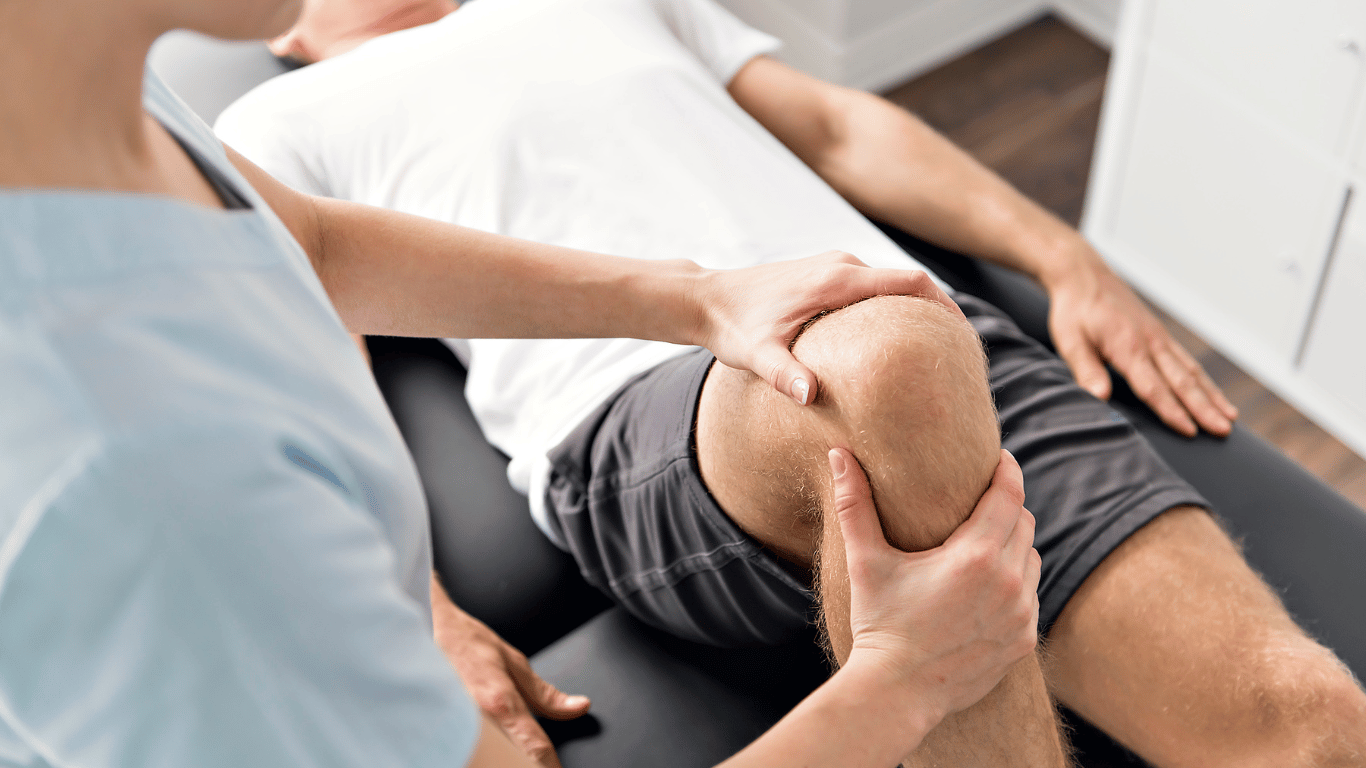
Knee Osteoarthritis: What Physiotherapy Genuinely Changes, Step by Step
Pain, morning stiffness, difficult stairs: understanding knee osteoarthritis and the progressive physiotherapy plan we use at Réhabital in Côte Saint-Luc.

Pain Between the Shoulder Blades: Posture, Breathing or the Thoracic Spine?
Persistent pain between the shoulder blades can come from posture, shallow breathing or thoracic stiffness. Here is how to tell the causes apart and find lasting relief.
Physiotherapy and Osteopathy Combined: Why Réhabital Integrates Both in Every Treatment Plan
In Côte Saint-Luc, our difference is not simply offering physiotherapy and osteopathy side by side — we combine them inside one personalized treatment plan. Here is how this integration accelerates recovery and who benefits the most.
Shoulder Pain: How Physiotherapy Treats Rotator Cuff Injuries and Frozen Shoulder
A shoulder that hurts at night, catches when you lift your arm, or loses range month after month is almost never simple unavoidable wear. Here is how a structured physiotherapy plan restores strength and range in Côte Saint-Luc.
Can Physiotherapy Really Cure Sciatica?
The question almost every patient asks in the first session. Here is what physiotherapy can genuinely fix in sciatica, what it cannot, and exactly how a treatment plan unfolds in Côte Saint-Luc.