
Physiotherapy and Osteopathy Combined: Why Réhabital Integrates Both in Every Treatment Plan
In Côte Saint-Luc, our difference is not simply offering physiotherapy and osteopathy side by side — we combine them inside one personalized treatment plan. Here is how this integration accelerates recovery and who benefits the most.
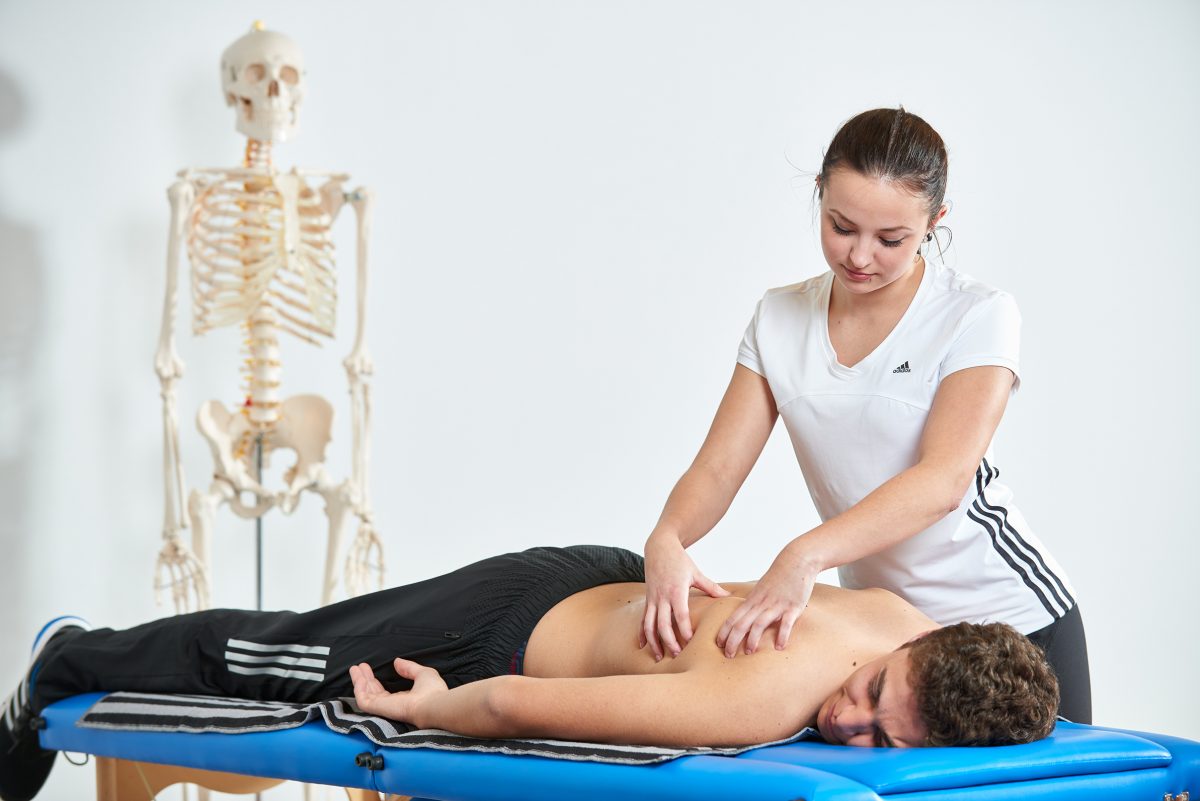
Why Réhabital Combines Physiotherapy and Osteopathy in One Treatment Plan
If you have lived in Côte Saint-Luc or anywhere in the Montreal area for long enough, you have probably been told at some point to “go see a physiotherapist” — and then, a few months later, “maybe try an osteopath.” The two professions are usually presented as alternatives, as if you had to choose a camp. At Réhabital, our multidisciplinary clinic in Côte Saint-Luc, we do something different — and it is the single most important reason patients drive across the West Island to come to us. We do not make you choose. We combine physiotherapy and osteopathy inside the same personalized treatment plan, because that is what the human body actually needs to recover fully and stay that way.
This article explains, in clinical detail, why that integrated approach works, how we structure it, who benefits the most and what it looks like from the patient's perspective during a typical course of care.
Two Professions, Two Different Questions
To understand why combining the two is so powerful, you first have to understand that physiotherapy and osteopathy are not “the same thing done two different ways.” They answer two fundamentally different clinical questions about your body.
Physiotherapy asks: “What capacity has this body lost and how do we rebuild it in a measurable, progressive and lasting way?” The physiotherapist tests range of motion with goniometers, measures strength with handheld dynamometers, examines neurological function, prescribes a precise dosage of therapeutic exercise, applies targeted manual therapy and modalities and tracks objective outcomes session after session. It is a regulated health profession in Quebec, evidence-based and integrated into the wider medical system.
Osteopathy asks: “What global restrictions, compensations and asymmetries are preventing this body from organizing itself properly in the first place?” The osteopath palpates the whole body as a single mechanical and physiological unit, finds restrictions in joints, muscles, fascia, viscera and the craniosacral system and uses gentle hands-on techniques to restore mobility and self-regulation. It does not replace medicine — it complements it from a different angle.
You probably already see the problem with choosing one or the other. If you only ask the first question, you rebuild strength on top of a structurally compromised body. If you only ask the second question, you free the body globally but you never load it back up to the demands of real life. The most efficient recovery happens when both questions are asked, in the right order, on the same patient.
The Réhabital Difference: One Patient, One Plan, Two Disciplines
Most clinics in Montreal offer physiotherapy and osteopathy under one roof, but in practice they are run as parallel silos. Two separate intake forms, two unrelated files, no shared assessment, no joint progress review. The patient becomes the messenger between two professionals who never speak to each other.
At Réhabital we built our care model around the opposite assumption. From your very first visit, your file is shared. Your physiotherapist and your osteopath review the same intake, perform a coordinated assessment and sit down together to build one integrated treatment plan. Each professional knows what the other is doing, why and when. Sessions are sequenced deliberately — not at random — and the plan is revised together based on your weekly response. This level of internal coordination is unusual in Quebec private practice and it is the structural reason our combined plans outperform single-discipline care.
How a Combined Treatment Plan Is Built
Every integrated plan at Réhabital follows the same four-phase logic, adapted in duration and intensity to your condition.
Phase 1 — Joint assessment (week 1). You start with a complete intake covering your medical history, your imaging if available, your goals, your daily and athletic demands and a hands-on assessment that combines physiotherapy testing (range, strength, special tests, neurological screening) with osteopathic palpation (global mobility, fascial restrictions, visceral and cranial input where relevant). At the end of this phase you receive a written plan with a clear sequence of sessions.
Phase 2 — Release (weeks 1 to 3). We usually open with one or two osteopathic sessions to release the dominant restrictions — the rotated pelvis, the locked thoracic segment, the restricted diaphragm, the cranial tension pattern — that have been forcing the rest of the body to compensate. This makes everything that follows in physiotherapy more efficient, because the tissues are no longer fighting the global pattern.
Phase 3 — Rebuild (weeks 2 to 6). Physiotherapy takes the lead. The newly available range is loaded progressively with strengthening, motor control, stability and sport- or work-specific exercises. Manual therapy continues to refine joint mechanics. Osteopathic sessions are spaced further apart and used to clear any new compensations that emerge as you move and lift more.
Phase 4 — Consolidate and discharge (weeks 6 to 12). Sessions taper. We confirm objective gains, finalize your home program and define a maintenance rhythm — typically one osteopathic tune-up and one physiotherapy check-in every four to eight weeks, depending on your activity level and history.
Who Benefits the Most from This Integrated Approach
Although nearly every patient improves faster with a combined plan, certain profiles benefit disproportionately.
Patients with chronic or recurrent pain who have already “tried physio” or “tried an osteopath” without lasting relief. The reason single-discipline care failed is almost always that only half of the equation was addressed. Combining release and rebuild is exactly what their case has been missing.
Post-surgical patients — knees, shoulders, hips, spine, abdominal surgery — for whom physiotherapy follows the surgeon's protocol while osteopathy works on scar mobility, compensations in the rest of the body and recovery of full diaphragmatic and visceral motion.
Athletes and active adults recovering from injury or trying to break through performance plateaus. Osteopathy clears the asymmetries that are limiting power output and predisposing to re-injury; physiotherapy progressively loads the new capacity in sport-specific patterns.
Whiplash, post-MVA and concussion patients, where the cervical, cranial, vestibular and autonomic systems are all involved. Physiotherapy alone often misses the cranial and autonomic component; osteopathy alone often misses the active rehabilitation component. Together they cover the entire clinical picture.
Desk workers with persistent neck, shoulder and low-back pain. Osteopathy releases the global postural pattern locked in by years of sitting; physiotherapy gives the body the strength, endurance and motor control to hold a healthier posture under real workload.
Pregnant and postpartum patients who need gentle structural relief during pregnancy and progressive reconditioning of the core, pelvic floor and posture after delivery.
Older adults managing osteoarthritis, balance issues, post-fall recovery and general loss of mobility. The combination preserves joint freedom while rebuilding the strength and confidence that protect against future falls.
Clinical Examples from Our Côte Saint-Luc Clinic
To make this concrete, here are a few realistic scenarios drawn from the kinds of cases we treat every week.
The recurrent low-back patient. A 42-year-old Côte Saint-Luc resident has had three episodes of low-back pain in the last eighteen months, each one settled with rest and a few physiotherapy sessions but always returning. Our assessment finds a rotated pelvis, a restricted right diaphragmatic crus and weak deep abdominal control. Two osteopathic sessions release the pelvic and diaphragmatic pattern. Four physiotherapy sessions rebuild deep core control, lumbo-pelvic stability and hip strength. Maintenance: one of each every six weeks. Outcome at six months: no recurrence.
The post-ACL athlete. A 28-year-old recreational soccer player from Hampstead is six weeks post-ACL reconstruction. Physiotherapy drives the surgical protocol — quad activation, range, gait, progressive loading. In parallel, osteopathy works on knee scar mobility, the contralateral hip that took all the load on crutches and the lumbar segment that compensated. By week 16, both knees move and load symmetrically — a milestone many single-discipline programs miss.
The chronic-headache executive. A 38-year-old patient has tension headaches three to four days per week and has been on increasing doses of medication for two years. Cervical physiotherapy retrains deep neck flexor control, scapular stability and graded exposure to screen work. Cranial and upper-cervical osteopathy releases the suboccipital, occipito-mastoid and temporal restrictions driving the pattern. At twelve weeks: headache frequency drops from sixteen to two days per month.
The post-whiplash driver. A patient is referred after a rear-end collision on the Décarie. Physiotherapy follows the SAAQ rehabilitation framework — graded cervical mobility, motor control, return to driving tolerance. Osteopathy works on the cranial base, the upper thoracic restriction left by the seatbelt and the autonomic dysregulation that is fueling the dizziness and fatigue. The integrated plan is exactly what the regulatory framework anticipates but rarely receives.
What Patients Notice First
Patients in an integrated plan usually report three things that surprise them.
First, the speed. Symptoms that had been stable for months start changing within the first one or two weeks, because the body is finally being addressed at both the global and local levels simultaneously.
Second, the durability. Because we never just chase symptoms, the relief tends to hold. When discomfort does return, it usually returns smaller and easier to clear.
Third, the coherence. Instead of getting two different stories from two different professionals, patients receive one unified explanation of what is happening in their body and one clear plan to fix it.
Combining with the Rest of the Réhabital Ecosystem
For many patients, the integrated physiotherapy and osteopathy plan is only one layer of the strategy. We routinely coordinate with other disciplines under the same roof: massage therapy to maintain soft-tissue quality between sessions, naturopathy to support inflammation, sleep and recovery nutrition and our aesthetic care team when patients want their skin and overall vitality to reflect the recovery happening on the inside. Everything stays inside the same shared file, with the same coordinated logic.
How to Start an Integrated Plan
If you have been bouncing between professionals, settling for partial relief, or simply want to do this the right way from the start, an integrated assessment is the most efficient first step. Visit our physiotherapy page and our osteopathy page for full details on each discipline, then book your first appointment through our online scheduling system or call the clinic and ask specifically for an integrated physiotherapy-and-osteopathy plan. We will pair you with the right combination of practitioners and coordinate the first two sessions so your care begins with momentum on day one.
This is what makes Réhabital different in Côte Saint-Luc: not the fact that we offer physiotherapy and osteopathy, but the fact that we deliver them as one carefully sequenced, jointly designed treatment plan — every single time.
Frequently asked questions
Go deeper with our dedicated physiotherapy pages
Physiotherapy pages with Colin Teghen Tamuton (OPPQ) in Côte Saint-Luc:
Related articles

Physiotherapy for Knee Pain, Sports Injuries & Post-Surgery Recovery in Montreal
How physiotherapy treats knee pain, ACL injuries, frozen shoulder and post-surgical recovery. Evidence-based rehabilitation protocols at our Montreal clinic.
Knee Pain: How Osteopathy and Physiotherapy Treat It in Côte Saint-Luc
Knee that clicks, burns, locks or gives way? Learn how Réhabital's osteopaths and physiotherapists assess and treat knee pain — from osteoarthritis and patellofemoral syndrome to ligament sprains and tendinopathies.
Physiotherapy vs Acupuncture: Which One Should You Choose for Pain in Côte Saint-Luc?
Detailed comparison between physiotherapy and acupuncture for chronic pain, sports injuries and recovery in Côte Saint-Luc, Hampstead, NDG, Westmount and across Montreal.
Physiotherapy in Côte Saint-Luc: regain mobility, strength and quality of life
How a structured physiotherapy plan — assessment, manual therapy, targeted exercises and education — accelerates recovery at Réhabital in Côte Saint-Luc.
Shoulder Pain: How Physiotherapy Treats Rotator Cuff Injuries and Frozen Shoulder
A shoulder that hurts at night, catches when you lift your arm, or loses range month after month is almost never simple unavoidable wear. Here is how a structured physiotherapy plan restores strength and range in Côte Saint-Luc.
Deep Tissue Massage: Your Comprehensive Guide to Unlocking Relief at Réhabital in Côte Saint-Luc
Explore the world of Deep Tissue Massage. Learn what it is, its benefits, who can benefit and what to expect from a session at Réhabital, your trusted clinic in Côte Saint-Luc, Montreal.