
Physiotherapy vs Acupuncture: Which One Should You Choose for Pain in Côte Saint-Luc?
Detailed comparison between physiotherapy and acupuncture for chronic pain, sports injuries and recovery in Côte Saint-Luc, Hampstead, NDG, Westmount and across Montreal.
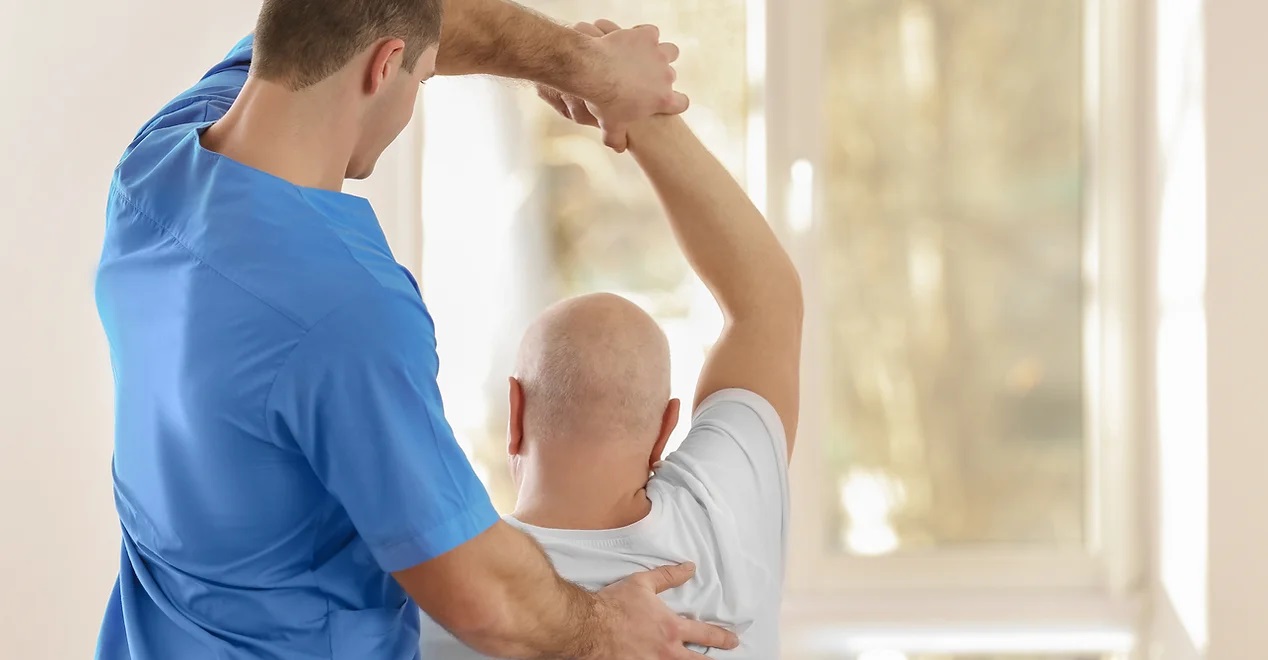
Patients across Côte Saint-Luc (CSL), Hampstead, NDG, Snowdon, Westmount, Montreal West, Mont-Royal, Saint-Laurent, Côte-des-Neiges and the West Island often ask us at Réhabital Clinic: should I try physiotherapy or acupuncture for my pain?
Both are evidence-supported therapies, but they work through very different mechanisms. This guide will help you understand the differences and choose wisely.
1. What is physiotherapy?
A regulated Western health profession (OPPQ in Quebec) using exercise, manual therapy, electrotherapy and education to restore movement and function. Sessions are 30–60 minutes and almost always include a personalized home exercise program.
2. What is acupuncture?
A 2,500-year-old component of Traditional Chinese Medicine (TCM) that involves inserting very fine sterile needles into specific anatomical points. Modern research shows it modulates the nervous system, releases endorphins, reduces inflammation and improves local blood flow.
3. Training and regulation in Quebec
Physiotherapists hold a master's degree and are regulated by the OPPQ. Acupuncturists in Quebec are regulated by the Ordre des acupuncteurs du Québec (OAQ) and complete a 3-year diploma. Both are reimbursed by most private insurance plans.
4. How they treat pain — the mechanisms
Physiotherapy
- Restores joint range of motion through mobilization
- Strengthens weak muscles to offload painful structures
- Re-educates movement patterns
- Uses ultrasound, TENS, shockwave, dry needling
Acupuncture
- Stimulates A-delta and C nerve fibers, triggering endorphin release
- Down-regulates the sympathetic nervous system (calms stress response)
- Improves microcirculation in tight, ischemic tissues
- Modulates central pain processing in chronic pain
5. Best indications for each
Physiotherapy excels for:
- Post-surgical rehabilitation
- Acute sports injuries
- Neurological rehabilitation (stroke, MS)
- Vestibular disorders and balance training
- Conditions requiring measurable functional progress
Acupuncture excels for:
- Chronic pain (back, neck, knee, headaches)
- Migraine prevention
- Stress, anxiety, insomnia
- Menstrual and fertility-related concerns
- Nausea (chemotherapy, pregnancy)
- Fibromyalgia and chronic fatigue
6. What to expect in a session
A physiotherapy session at our Côte Saint-Luc clinic on Cavendish Boulevard is active and goal-oriented: assessment, hands-on treatment, exercises, home program. An acupuncture session is calm and meditative: 20–40 minutes lying still with needles in place, often followed by deep relaxation or improved sleep that night.
7. Can you combine them?
Yes — and many of our patients from Hampstead, NDG, Snowdon, Westmount, Montreal West, Mont-Royal, Saint-Laurent, Côte-des-Neiges and the West Island do exactly that. A common combination: physiotherapy for structural rehabilitation + acupuncture for pain modulation and stress reduction. They work synergistically.
8. Cost and insurance
Both are typically covered by extended health plans (Sun Life, Manulife, Desjardins, Beneva, Canada Life, iA). Receipts include the practitioner's professional number for direct submission.
9. Safety
Both are very safe when performed by qualified, regulated professionals. Acupuncture uses single-use sterile needles. Physiotherapy adapts intensity to your tolerance.
10. Decision guide
- Recent injury, surgery, or measurable weakness? Physiotherapy.
- Chronic pain that hasn't responded to other approaches? Acupuncture.
- Stress, sleep, hormonal issues with body pain? Acupuncture.
- Need exercise prescription and progressive loading? Physiotherapy.
- Best results for chronic complex pain? Combine both.
11. The Réhabital approach
Our multidisciplinary team coordinates care across modalities. Founded by Réhabital Team, the clinic emphasizes integrated, patient-centered plans.
Explore: Physiotherapy in Côte Saint-Luc · Acupuncture in Côte Saint-Luc · Osteopathy.
Frequently Asked Questions
1. Which works faster for back pain?
Acupuncture often provides faster short-term relief; physiotherapy provides more durable functional gains.
2. Does acupuncture hurt?
Most patients feel only a brief pinch or warm sensation. Needles are hair-thin.
3. How many sessions are needed?
Acupuncture: 6–10 sessions for chronic conditions. Physiotherapy: 6–12 sessions.
4. Are both covered by insurance in Quebec?
Yes, most private plans cover both. RAMQ does not cover either in private clinics.
5. Can I do both in the same week?
Absolutely — they complement each other beautifully.
6. Is acupuncture safe during pregnancy?
Yes, with a regulated acupuncturist who avoids contraindicated points.
7. Which is better for migraines?
Acupuncture has the stronger research base for migraine prevention.
8. Do I need a referral?
No — both are direct-access in Quebec.
9. Will I get exercises with acupuncture?
Generally not. For active rehab, combine with physiotherapy.
10. Where are you located?
D4–5800 Cavendish Boulevard, Côte Saint-Luc, Quebec H4W 2T5 — serving CSL, Hampstead, NDG, Snowdon, Westmount, Montreal West, Mont-Royal, Saint-Laurent, Côte-des-Neiges and the West Island.
Frequently asked questions
Go deeper with our dedicated physiotherapy pages
Physiotherapy pages with Colin Teghen Tamuton (OPPQ) in Côte Saint-Luc:
Related articles
Osteopathy vs Physiotherapy: Which Approach Should You Choose in Côte Saint-Luc?
Complete comparison between osteopathy and physiotherapy: differences, indications, training, insurance reimbursement and how to choose based on your condition in Côte Saint-Luc, Hampstead, NDG and across Montreal.
Frozen Shoulder: How Long Does It Last and Which Treatment Should You Choose?
Frozen shoulder (adhesive capsulitis) progresses through three distinct phases that can last one to three years. Learn the realistic timelines, risk factors, and treatment options from physiotherapy to surgery.
Physiotherapy and Osteopathy Combined: Why Réhabital Integrates Both in Every Treatment Plan
In Côte Saint-Luc, our difference is not simply offering physiotherapy and osteopathy side by side — we combine them inside one personalized treatment plan. Here is how this integration accelerates recovery and who benefits the most.
What Is the Difference Between Acupuncture and Physiotherapy?
Two approaches, two logics. Understand what acupuncture does, what physiotherapy does, and when to choose one, the other, or both.
Acupuncture or Osteopathy: What's the Difference, and When Should You Choose Each?
Needles or hands? Understand what each approach really treats, for which pains, and when to choose it.
Physiotherapy, Osteopathy, Acupuncture or Massage: Which Treatment Should You Start With?
A practical guide to choosing between physiotherapy, osteopathy, massage therapy and acupuncture (coming soon) based on your condition.