
Pain Between the Shoulder Blades: Posture, Breathing or the Thoracic Spine?
Persistent pain between the shoulder blades can come from posture, shallow breathing or thoracic stiffness. Here is how to tell the causes apart and find lasting relief.
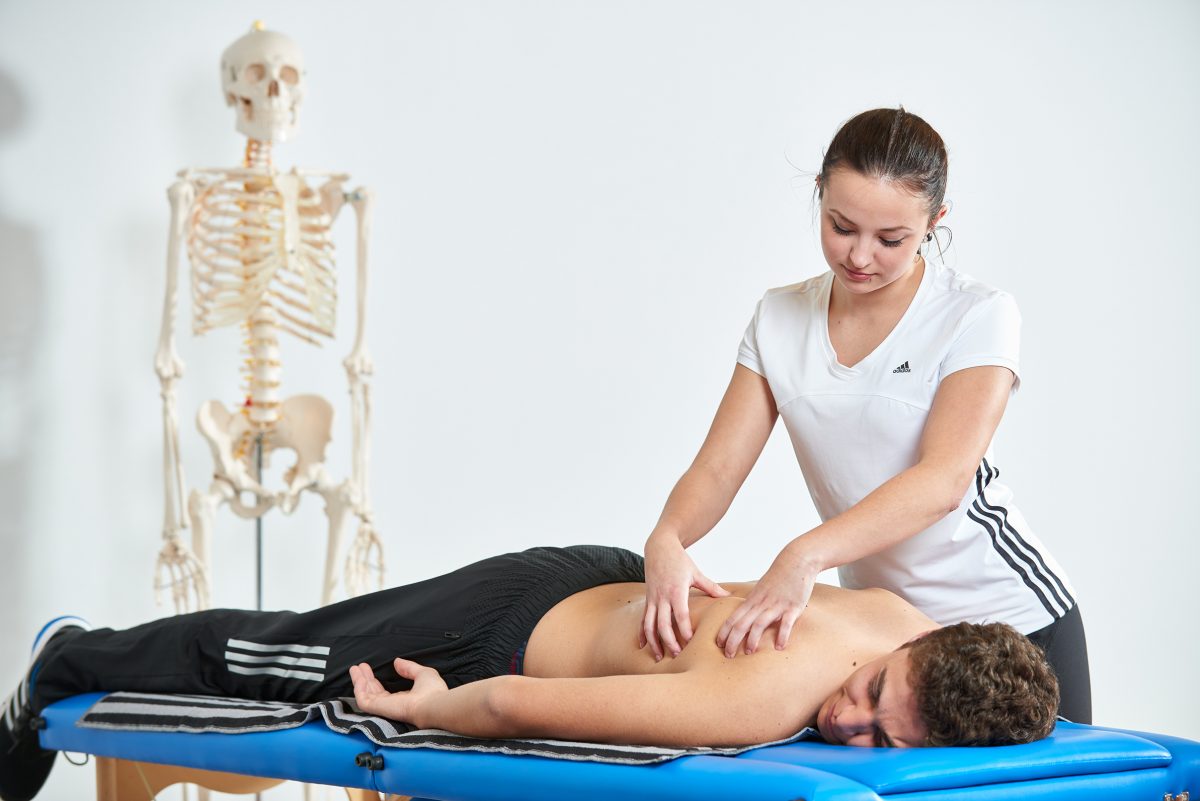
Pain between the shoulder blades is one of the most common complaints among people who spend long hours seated, whether at a computer, driving, or working from home. This pain can be dull and persistent, or appear suddenly after prolonged positioning. While rarely serious, it can become disabling if not properly understood and addressed. At Réhabital, a multidisciplinary clinic in Côte Saint-Luc, Montréal, we regularly see patients who have tried multiple approaches without success, often because the true underlying cause was never identified.
This article explores the three main causes of interscapular pain — posture, breathing, and the thoracic spine — and explains how a physiotherapist or osteopath can help you achieve lasting comfort in your upper back.
Understanding the Anatomy of the Interscapular Region
The area between the shoulder blades is rich in muscles, including the rhomboids, middle and lower trapezius, and the thoracic erector spinae. These muscles work constantly to stabilize the shoulder blades and support posture, especially when lifting the arms or sitting for extended periods. Beneath this muscular layer lies the thoracic spine, made up of twelve vertebrae connected to the ribs, forming the rib cage. This structure is naturally less mobile than the cervical or lumbar spine, making it particularly prone to stiffness with a sedentary lifestyle.
Cause #1: Posture
Prolonged sitting, especially with rounded shoulders and a forward head position, places excessive load on the muscles between the shoulder blades. These muscles must work eccentrically to prevent the shoulders from collapsing further forward, leading to fatigue, tension, and pain over time. This pattern is extremely common among office workers, students, and heavy phone users.
It is important to note that there is no single "perfect" posture to maintain all day — the real problem is often a lack of postural variation. Staying still in any one position, even a "good" one, for hours can cause discomfort. Our article on postural syndrome explores this topic further and offers practical strategies.
Cause #2: Breathing
An often overlooked factor is breathing pattern. Many people breathe primarily with the upper chest rather than the diaphragm, especially during periods of stress or anxiety. This shallow, chest-dominant breathing overuses accessory breathing muscles, such as the scalenes, sternocleidomastoid, and certain upper back muscles, instead of relying on the diaphragm, which should do most of the work.
Over time, this overuse creates chronic tension that can radiate into the interscapular region. Relearning to breathe with the diaphragm — expanding the belly rather than the chest on inhalation — can significantly reduce this tension. A physiotherapist can assess your breathing mechanics and teach you simple exercises to correct this pattern.
Cause #3: Thoracic Spine Stiffness
The thoracic spine is connected to the ribs and designed to allow moderate rotation and extension, essential for smooth arm and shoulder movement. When this region becomes stiff, often due to prolonged sitting or lack of mobility, neighboring structures — the shoulders, neck, and upper back muscles — must compensate. This excessive compensation is a common and often underdiagnosed cause of pain between the shoulder blades.
Osteopathy is particularly effective at assessing and treating restrictions in thoracic and rib mobility. By combining gentle manual techniques with mobility exercises, an osteopath can help restore more natural movement in this region. Learn more about our approach in osteopathy in Côte Saint-Luc or our osteopathy clinic in Montréal.
How to Tell the Three Causes Apart
In practice, these three factors often coexist in the same patient. Slumped posture reduces the space available for effective diaphragmatic breathing, which increases reliance on accessory muscles, which in turn worsens tension around an already stiff thoracic spine. This is why a thorough professional assessment is essential rather than relying solely on generic stretches found online.
During a physiotherapy assessment, the clinician will observe your static and dynamic posture, test thoracic spine mobility, evaluate your breathing pattern, and identify muscles that are tight or weak. This analysis allows treatment to be precisely targeted rather than only addressing symptoms.
Treatment Approaches
Treatment typically combines several interventions:
- Manual therapy to reduce muscle tension and improve joint mobility in the thoracic spine.
- Thoracic mobility exercises, such as foam roller extensions or quadruped rotations.
- Postural retraining, including strengthening exercises for the scapular and back muscles.
- Breathing retraining to promote effective diaphragmatic breathing.
- Massage therapy to release accumulated muscle tension and improve local circulation — explore our massage therapy services in Côte Saint-Luc.
These approaches work well together as part of a multidisciplinary plan. Some patients also benefit from naturopathy support to address stress and sleep factors that can worsen chronic muscle tension.
What to Do at Home While Waiting for Your Appointment
A few simple strategies can offer temporary relief:
- Take a standing break every 30 to 45 minutes if you work seated.
- Practice slow diaphragmatic breathing, expanding the belly on inhalation.
- Perform gentle trunk rotations while seated or standing.
- Apply local heat to relax tight muscles.
- Avoid staying frozen in one position for long periods, even one that seems "correct".
When to Seek Prompt Medical Attention
While most pain between the shoulder blades is musculoskeletal in origin and not dangerous, certain red flags require immediate medical attention: chest pain or pressure, shortness of breath, cold sweats, dizziness, pain radiating to the jaw or left arm, or unexplained fever. These symptoms can indicate a cardiac, pulmonary, or other serious condition and should never be managed with exercise alone.
Why Choose a Multidisciplinary Approach
At Réhabital, our team combines physiotherapy, osteopathy, and massage therapy to offer comprehensive care for pain between the shoulder blades. Rather than treating an isolated symptom, we aim to understand the interaction between posture, breathing, and thoracic mobility to design a plan that fits your lifestyle. You can also read our comparison of osteopathy versus physiotherapy to better understand which approach might suit you first, or browse our blog for more resources on musculoskeletal health.
Our clinic is open Monday to Friday from 10:00 AM to 8:00 PM and Sunday from 10:00 AM to 4:00 PM (closed Saturday), and we accept private insurance as well as SAAQ claims. Visit our policies page for more details, or meet our team of dedicated professionals.
Differential Signs: How to Tell What Is Causing Your Pain
It helps to distinguish certain clues that point toward one cause over another. Pain that clearly worsens after several hours of sitting but improves with movement points more toward a postural or thoracic origin. Pain accompanied by a feeling of tightness, shortness of breath, or that increases with anxiety suggests a breathing-related component. Marked stiffness in the morning that gradually eases through the day suggests a thoracic joint restriction. Pain that radiates into the arm, comes with numbness in the fingers, or changes with neck movements may involve a cervical origin and deserves specific assessment. Finally, pain that does not vary with posture or movement, especially if accompanied by systemic symptoms such as fever, unexplained weight loss, or marked fatigue, should be investigated medically without delay.
What a Session at Réhabital Looks Like
During your first visit, the clinician begins with a detailed conversation about the history of your pain, your work, your sleep habits, and your stress level, since these factors directly influence upper back muscle tension. This is followed by a thorough physical examination, including observation of your posture while sitting and standing, mobility testing of the thoracic spine and shoulders, palpation of the rhomboids, trapezius, and paraspinal muscles, and an assessment of your breathing pattern at rest and during light effort. Depending on the findings, treatment may include gentle joint mobilizations of the thoracic spine, myofascial release techniques for tight muscles, diaphragmatic breathing exercises taught directly in the clinic, and personalized ergonomic advice for your workstation. Every session ends with recommended home exercises, with progression adjusted at subsequent visits.
Home Exercises and Self-Care
Between appointments, several simple exercises can be built into your daily routine. Thoracic extension over a foam roller, done for one to two minutes several times a day, helps restore spinal mobility. Quadruped rotations, where you rotate the trunk while keeping one hand on the floor, gently mobilize the thoracic vertebrae. Scapular retraction exercises, squeezing the shoulder blades together and releasing, strengthen muscles that are often weak in people with slumped posture. Diaphragmatic breathing, practiced for five to ten minutes daily lying down with a hand on the belly, helps retrain a more efficient breathing pattern. Finally, adjusting your workstation — screen at eye level, supported elbows, regular breaks — remains one of the most cost-effective long-term interventions.
Realistic Recovery Timelines
Most people with interscapular pain of postural or breathing origin notice meaningful relief within two to four weeks when they consistently apply the recommended exercises and habit changes. Cases involving more pronounced thoracic stiffness or chronic tension present for several years may require six to twelve weeks of regular follow-up to achieve a lasting change. It is normal for pain to fluctuate during treatment, particularly during heavier work days or periods of increased stress. The key to success lies in the consistency of exercises and in gradual but lasting changes to postural and breathing habits, rather than in searching for a quick, passive fix.
Insurance Practicalities
At Réhabital, we accept private insurance for physiotherapy, osteopathy, and massage therapy, as well as SAAQ claims for people involved in car accidents. We are not currently able to accept CNESST claims. We recommend checking your specific coverage before your first visit, particularly the number of sessions covered annually and whether a medical referral is required by your insurer. Our team can provide the detailed receipts needed for your reimbursement requests.
Local Context: Serving Côte Saint-Luc and Surrounding Areas
Our Côte Saint-Luc clinic welcomes patients from across the West Island and West End of Montréal, including Hampstead, Notre-Dame-de-Grâce, Westmount, Snowdon, and Montréal-Ouest. Pain between the shoulder blades particularly affects residents who work from home or commute long distances by car downtown, both very common in our community. Our easily accessible location allows residents of these neighbourhoods to receive regular care without having to travel downtown, which supports treatment adherence — a key factor in resolving chronic upper back pain.
If you are struggling with persistent pain between your shoulder blades, do not simply live with the discomfort. Book an appointment today with our team in Côte Saint-Luc for a comprehensive assessment and personalized treatment plan.
This article is provided for educational purposes only and does not replace medical consultation or professional assessment. If you experience severe or unusual symptoms, seek immediate medical attention.
Frequently asked questions
Go deeper with our dedicated physiotherapy pages
Physiotherapy pages with Colin Teghen Tamuton (OPPQ) in Côte Saint-Luc:
Related articles
What Is the Difference Between Acupuncture and Physiotherapy?
Two approaches, two logics. Understand what acupuncture does, what physiotherapy does, and when to choose one, the other, or both.

Neck Pain and Headaches: When Is the Problem Coming From Your Cervical Spine?
Headaches from desk work? Learn to distinguish cervicogenic headaches from tension headaches and migraines, and how physiotherapy can help.

Shoulder Pain: How Physiotherapy Treats Rotator Cuff Injuries and Frozen Shoulder
A shoulder that hurts at night, catches when you lift your arm, or loses range month after month is almost never simple unavoidable wear. Here is how a structured physiotherapy plan restores strength and range in Côte Saint-Luc.
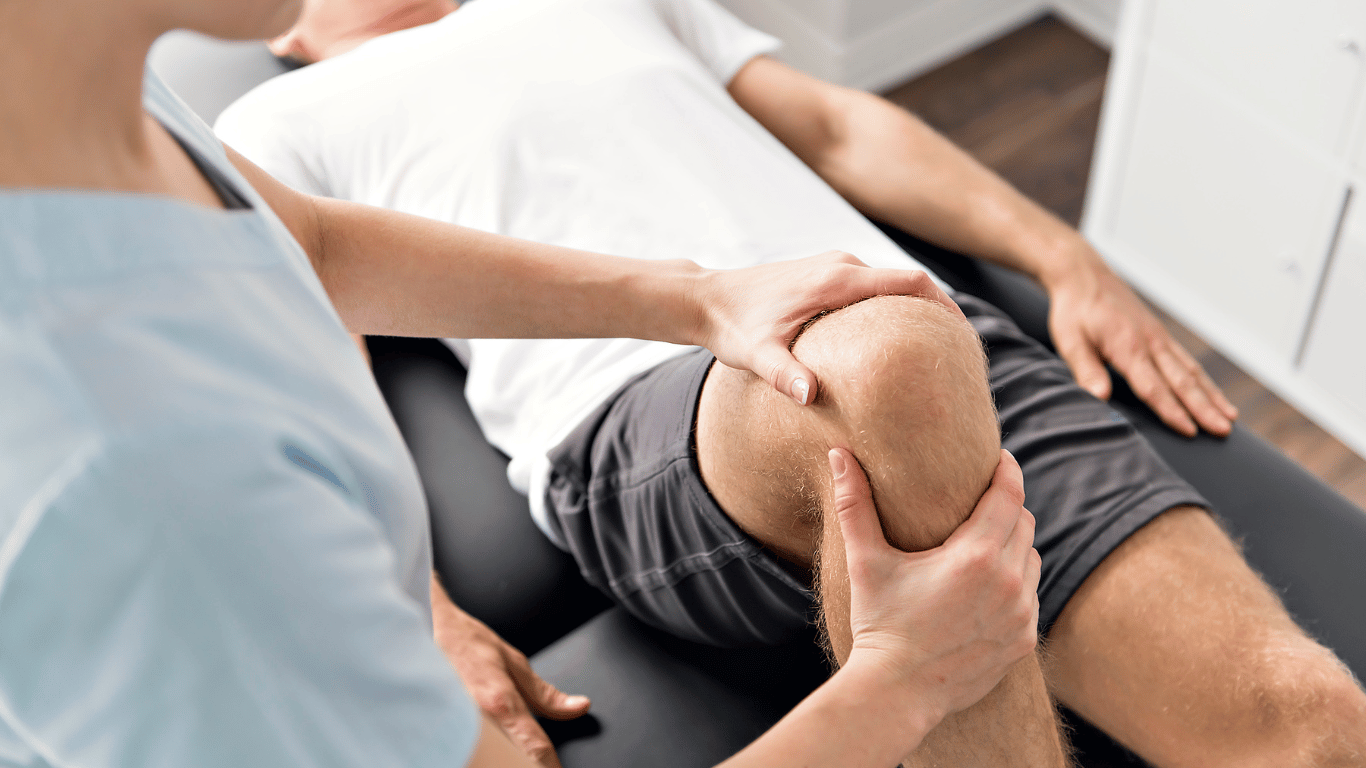
Knee Pain: How Osteopathy and Physiotherapy Treat It in Côte Saint-Luc
Knee that clicks, burns, locks or gives way? Learn how Réhabital's osteopaths and physiotherapists assess and treat knee pain — from osteoarthritis and patellofemoral syndrome to ligament sprains and tendinopathies.
Can Physiotherapy Really Cure Sciatica?
The question almost every patient asks in the first session. Here is what physiotherapy can genuinely fix in sciatica, what it cannot, and exactly how a treatment plan unfolds in Côte Saint-Luc.
Neck Pain: How Physiotherapy in Côte Saint-Luc Can Help You
Common causes of neck pain, red flags and a complete treatment plan with Réhabital Team, OPPQ physiotherapist at Réhabital in Côte Saint-Luc.