
Sciatica Exercises: Which Ones Help, Which Ones Make It Worse (Physiotherapy Guide)
Not every stretch is good for a sore sciatic nerve. Our physiotherapists explain which exercises usually help, which ones tend to aggravate symptoms, and why the right choice depends on the cause.
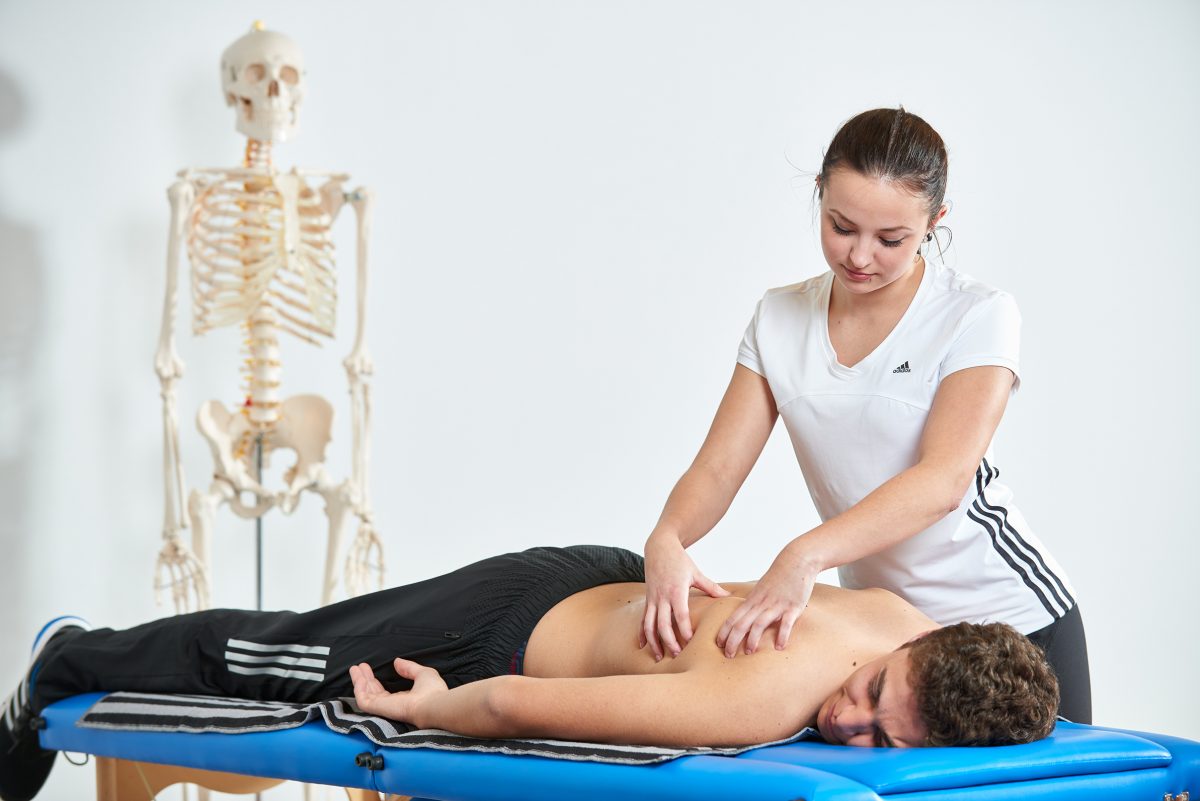
Why There Is No Single "Best" Sciatica Exercise
Search for sciatica exercises and you will find the same five stretches repeated everywhere. The problem is that sciatica is a symptom, not a diagnosis. The leg pain can come from a disc, from a tight deep hip muscle, from a stiff joint in the lower back or pelvis, or from narrowing of the spinal canal. An exercise that relieves one of these can irritate another.
That is why our physiotherapists in Côte Saint-Luc start with an assessment before prescribing anything. The guide below describes what is usually safe, what often backfires, and how we decide.
Exercises That Often Help
- Walking — Short, frequent, comfortable walks keep the nerve and surrounding tissues moving. Stop or slow down if leg symptoms spread further down the leg.
- Pelvic tilts — Lying on your back with knees bent, gently rock the pelvis. This mobilises the lower back without loading it.
- Knee-to-chest, one leg at a time — Useful when the pain is eased by bending forward.
- Figure-4 (piriformis) stretch — Helpful when the deep buttock muscles are tight. Hold gently; it should feel like a stretch, never a sharp or burning nerve pain.
- Glute bridges — Rebuild the buttock strength that often drops when you protect a painful leg.
- Bird-dog and dead-bug — Low-load trunk control exercises that support the spine as pain settles.
Exercises That Often Make Sciatica Worse
- Aggressive forward bends (touching your toes, seated or standing) — These load the discs and stretch the nerve at the same time.
- Straight-leg raises pushed into pain — Tensioning an inflamed nerve repeatedly tends to keep it irritated.
- Heavy deadlifts, loaded twists and sit-ups in the early, painful phase.
- Long holds in the deepest stretch — More is not better. Short, gentle holds are safer.
- High-impact running or jumping while the leg is still symptomatic.
A Simple Rule: Watch Where the Pain Goes
Physiotherapists use a principle called centralisation. If an exercise makes the leg pain retreat toward the back, it is usually the right direction. If it pushes the pain further down the leg, toward the calf or foot, stop and have it assessed. Mild stretch-type discomfort that fades within a few minutes is acceptable; lingering or spreading symptoms are not.
How Physiotherapy Chooses the Right Programme
- Movement testing — Which positions ease and which provoke the leg pain.
- Neurological screen — Strength, reflexes and sensation, to rule out significant nerve compromise.
- Hands-on treatment — Soft-tissue and joint techniques to reduce pain so exercise becomes possible.
- Progressive loading — From gentle mobility to strength and return to your normal activities.
Many patients benefit from combining physiotherapy with an osteopathic assessment of the pelvis and hips, especially when the cause is mechanical. See also our guide on whether physiotherapy can cure sciatica.
When to Stop and Get Help
New leg weakness, numbness in the groin or inner thighs, or any loss of bladder or bowel control needs urgent medical care. Read our guide on sciatica red flags.
Book a Sciatica Assessment at Réhabital
Our physiotherapists and osteopaths in Côte Saint-Luc work side by side to find what is actually irritating your sciatic nerve and build a plan around it. Book online or read more about sciatica treatment at Réhabital.
Frequently asked questions
Go deeper with our dedicated physiotherapy pages
Physiotherapy pages with Colin Teghen Tamuton (OPPQ) in Côte Saint-Luc:
Related conditions we treat
Related articles
Can Physiotherapy Really Cure Sciatica?
The question almost every patient asks in the first session. Here is what physiotherapy can genuinely fix in sciatica, what it cannot, and exactly how a treatment plan unfolds in Côte Saint-Luc.
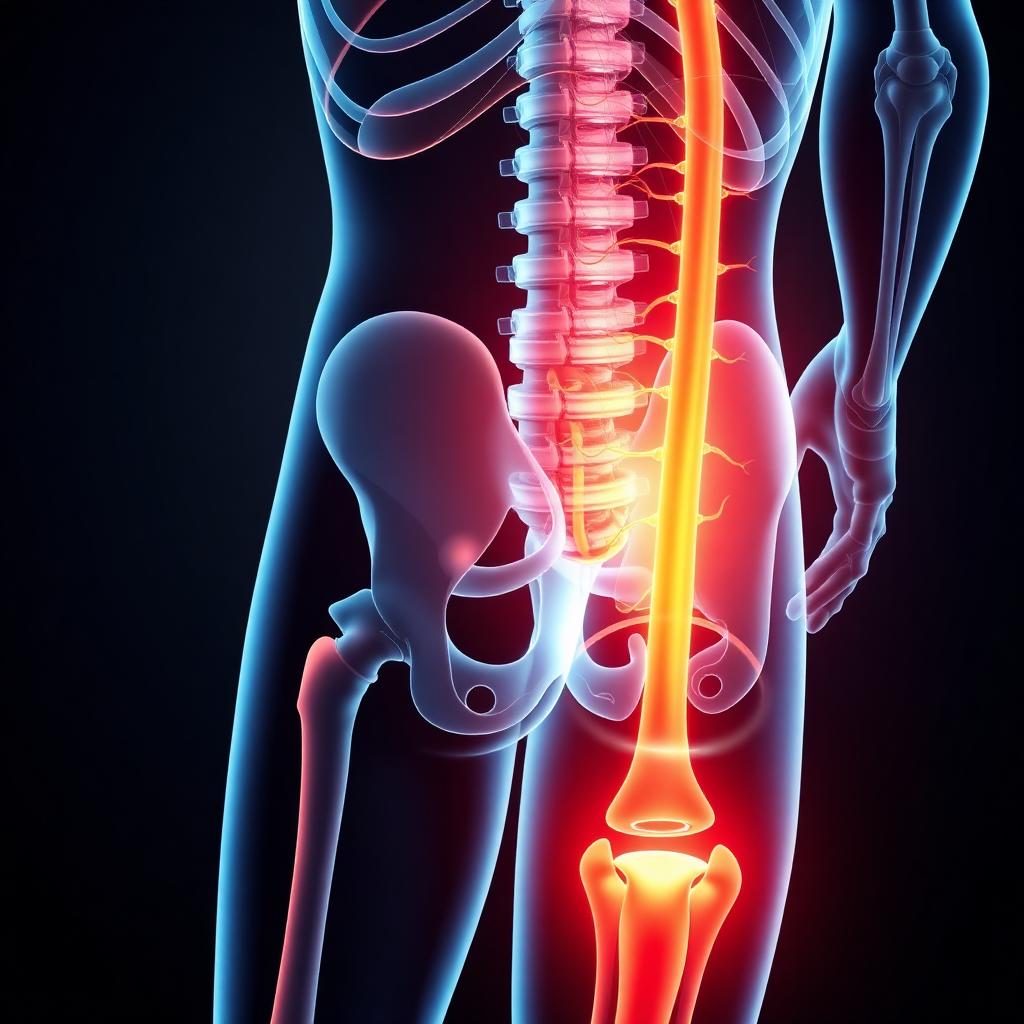
Sciatic Nerve Glides (Flossing): What They Are, How They Work and Who Should Avoid Them
Nerve glides are gentle movements that help the sciatic nerve slide freely instead of stretching it. Our physiotherapists explain how they work, how to start and when they are not appropriate.
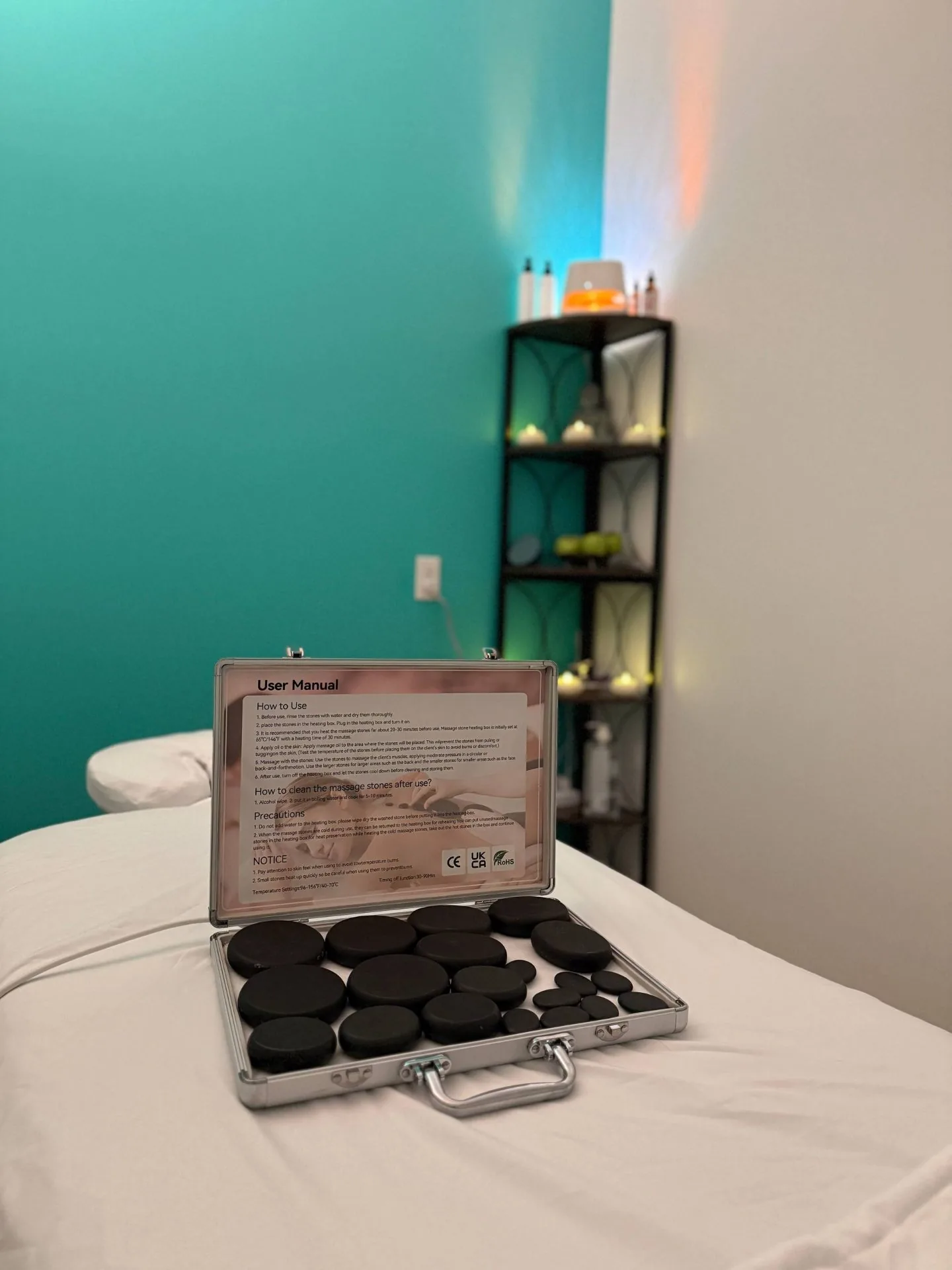
Can Massage Therapy Help Sciatica — or Make It Worse?
The wrong massage can flare sciatica for three days. The right one makes exercise possible and calms the nerve. Here is how our massage therapists adapt pressure, technique and timing.
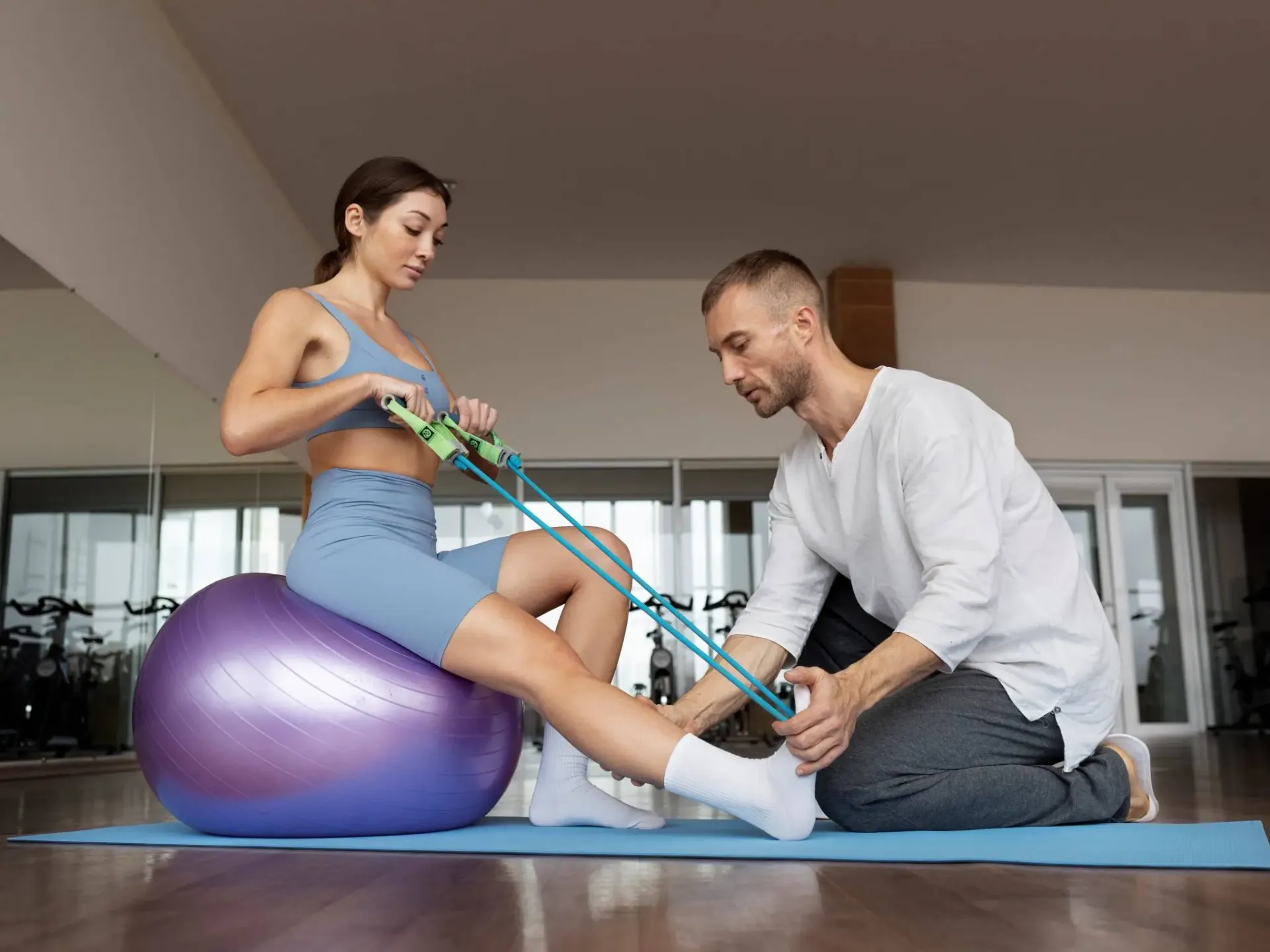
Vestibular Rehabilitation Therapy (VRT) in Physiotherapy in Côte Saint-Luc: Vertigo, Imbalance and Getting Your Life Back
Vestibular rehabilitation is a customized exercise program that retrains the brain's balance system after BPPV, vestibular neuritis, concussion or PPPD. Here is how we deliver it in physiotherapy at Réhabital, Côte Saint-Luc.
Returning to Walking, Running, the Gym and Lifting After Sciatica
Feeling better is not the same as being ready. Our physiotherapists lay out a staged return to walking, running, gym work and lifting, with simple rules for when to progress.

Frozen Shoulder: How Long Does It Last and Which Treatment Should You Choose?
Frozen shoulder (adhesive capsulitis) progresses through three distinct phases that can last one to three years. Learn the realistic timelines, risk factors, and treatment options from physiotherapy to surgery.