
Can Massage Therapy Help Sciatica — or Make It Worse?
The wrong massage can flare sciatica for three days. The right one makes exercise possible and calms the nerve. Here is how our massage therapists adapt pressure, technique and timing.
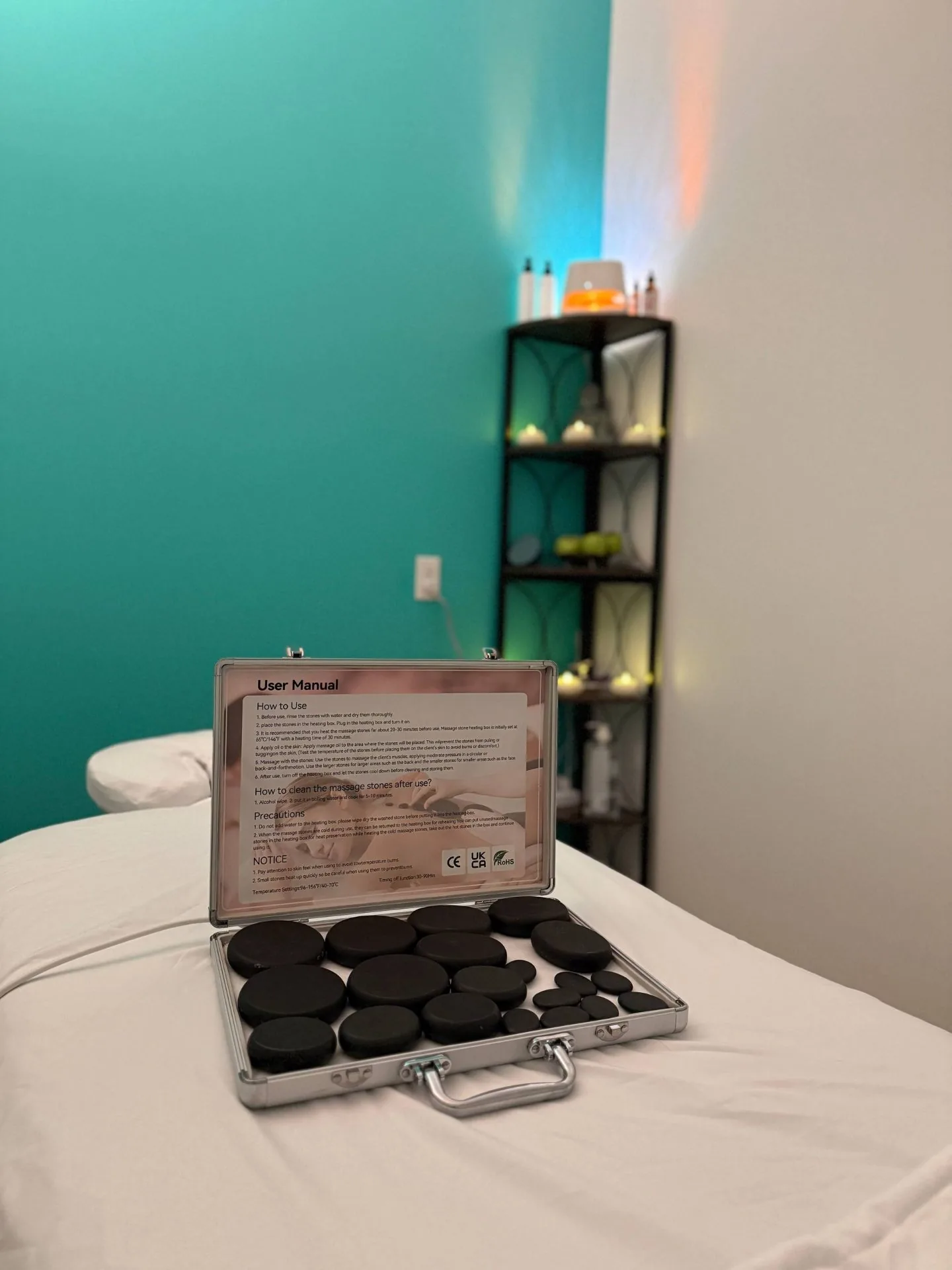
Massage is the treatment people try first for sciatica, and it is also the treatment most likely to be blamed for a flare. Both things are true for the same reason: the sciatic nerve sits underneath muscles that respond beautifully to skilled hands, and it also punishes pressure applied at the wrong moment. Whether massage helps or hurts depends almost entirely on dosage and timing, not on whether massage is intrinsically good or bad for nerve pain.
Why massage can genuinely relieve sciatic pain
It removes the muscular compression around the nerve
The deep gluteal space — piriformis, obturator internus, gemelli, quadratus femoris — is a crowded corridor, and the sciatic nerve passes right through it. When those muscles are shortened by prolonged sitting or overloaded because the gluteus medius is weak, they compress the nerve mechanically. Sustained, well-directed pressure on those muscles reduces their resting tone within a single session, and the nerve gets its space back.
It restores glide between fascial layers
The thoracolumbar fascia, the gluteal aponeurosis and the hamstring fascia are supposed to slide against each other. Chronic guarding and inflammation reduce that sliding, so every step tugs on the tissue surrounding the nerve. Myofascial techniques restore the interfaces, which is why patients often report that walking feels smoother immediately after a session rather than merely less painful.
It turns down a nervous system stuck in alarm
Chronic sciatica is not only mechanical. After weeks of pain, the nervous system amplifies signals from the affected leg. Slow rhythmic Swedish work, sustained skin contact and controlled breathing during the session shift the body toward parasympathetic activity. This is why an hour of massage often produces the first solid night of sleep in weeks, and sleep itself lowers pain sensitivity.
It makes rehabilitation possible
This is the most underrated benefit. A patient whose gluteals and lumbar tissue are locked in guarding cannot perform a bridge, a squat or a hip hinge correctly. Massage buys the mobility window that lets physiotherapy do its work. In our combined plans, a massage session scheduled the day before a physiotherapy session consistently produces better exercise quality.
When massage makes sciatica worse
There are four recognisable mistakes, and we see the results of all of them in patients arriving from elsewhere.
- Deep pressure during an acute inflammatory flare. In the first days of a true nerve irritation, aggressive work increases local inflammation and provokes a protective spasm that outlasts the session by days.
- Working directly along the nerve path. Pressing repeatedly on a nerve trunk is not treatment; it is compression. Effective work targets the muscles that surround the nerve, not the nerve itself.
- Aggressive hamstring or piriformis stretching. A mechanically sensitized nerve does not tolerate tension. A long, forceful stretch that reproduces the leg symptoms will make the next 48 hours worse.
- Prone positioning in an extension-intolerant patient. Lying face down with a flat table can compress a spinal segment for an hour. Correct positioning uses side-lying or an abdominal cushion.
The general rule we teach patients is simple: pressure that produces a deep, familiar ache is acceptable; pressure that pushes symptoms further down the leg is not.
How our therapists structure a sciatica session
A 60-minute treatment at Réhabital generally follows this sequence:
- Assessment and positioning (5 minutes). Where exactly does the pain travel today? Has it moved since last session? Side-lying with a pillow between the knees is the default.
- Global warming of the posterior chain (10 minutes). Broad Swedish work from the calf to the mid-back, reducing global guarding before anything specific.
- Lumbar and thoracolumbar fascial work (10 minutes). Slow, sustained myofascial release restoring glide between layers.
- Deep gluteal work (15 minutes). Progressive ischemic compression on the piriformis and deep rotators, held 30 to 60 seconds per point, with continuous feedback from the patient.
- Hamstring and calf (10 minutes). The nerve continues down; the whole chain is treated, never with end-range tension.
- Neural downregulation and gentle glides (10 minutes). Rhythmic, low-amplitude movement and slow breathing to close the session in a calm state.
Which massage type for which stage
- Acute flare (days 1 to 7): Swedish and gentle myofascial, side-lying, 60 minutes, moderate pressure. Goal: reduce guarding and improve sleep.
- Subacute (weeks 2 to 5): Deep tissue and trigger point work on gluteals and lumbar paraspinals. Goal: restore mobility so exercise becomes possible.
- Chronic and recurrent: Deep tissue combined with therapeutic massage monthly, plus targeted work before increases in training load.
- Pregnancy: Prenatal massage with full side-lying support, focusing on gluteals, quadratus lumborum and the pelvic girdle.
Massage alone is not a sciatica plan
Honest answer: massage is a superb symptom and tissue treatment, and a poor structural one. It does not restore lost segmental mobility the way osteopathy does, and it does not increase tissue capacity the way physiotherapy does. Patients who use massage as their only treatment typically get three to ten days of relief per session, indefinitely. Patients who combine all three usually stop needing treatment altogether.
Book massage therapy in Côte Saint-Luc
Réhabital, D4-5800 Cavendish Blvd, Côte Saint-Luc. Insurance receipts issued at every visit.
Related reading
Frequently asked questions
Related articles
Therapeutic Massage in Côte Saint-Luc: Relieve Pain, Tension and Stress
Discover how therapeutic massage at Réhabital Clinic relieves muscle pain, improves circulation and restores your body's balance.
Therapeutic Massage and Hot Salt Stones: Clearing Back and Low Back Pain
How our massage therapists combine clinical therapeutic massage with the mineral heat of Himalayan salt stones to release back muscles, calm the nervous system and produce lasting relief from low back pain in Côte Saint-Luc.
Tension Headaches: How Massage Therapy Relieves the Neck, Shoulders and Recurring Head Pain
A tight band around the head, a rock-solid neck, shoulders hiked to the ears: tension-type headache is the most common headache in the world and one of the most responsive to targeted massage therapy.
Deep Tissue Massage: Relieving Chronic Pain and Muscle Tension
Discover how deep tissue massage targets deep muscle layers to relieve chronic pain, improve mobility and accelerate recovery.
Muscle Knots and Cramps: Which Massage Type Actually Relieves Each Symptom?
A complete guide to muscle knots, trigger points and cramps: why they form, which massage types relieve them, and when to see a therapist in Côte Saint-Luc.
How Massage Therapy Calms Your Nervous System (Montreal Guide)
Discover how massage therapy works on your nervous system to reduce anxiety, improve sleep and restore balance at our Côte Saint-Luc clinic.