
Returning to Walking, Running, the Gym and Lifting After Sciatica
Feeling better is not the same as being ready. Our physiotherapists lay out a staged return to walking, running, gym work and lifting, with simple rules for when to progress.
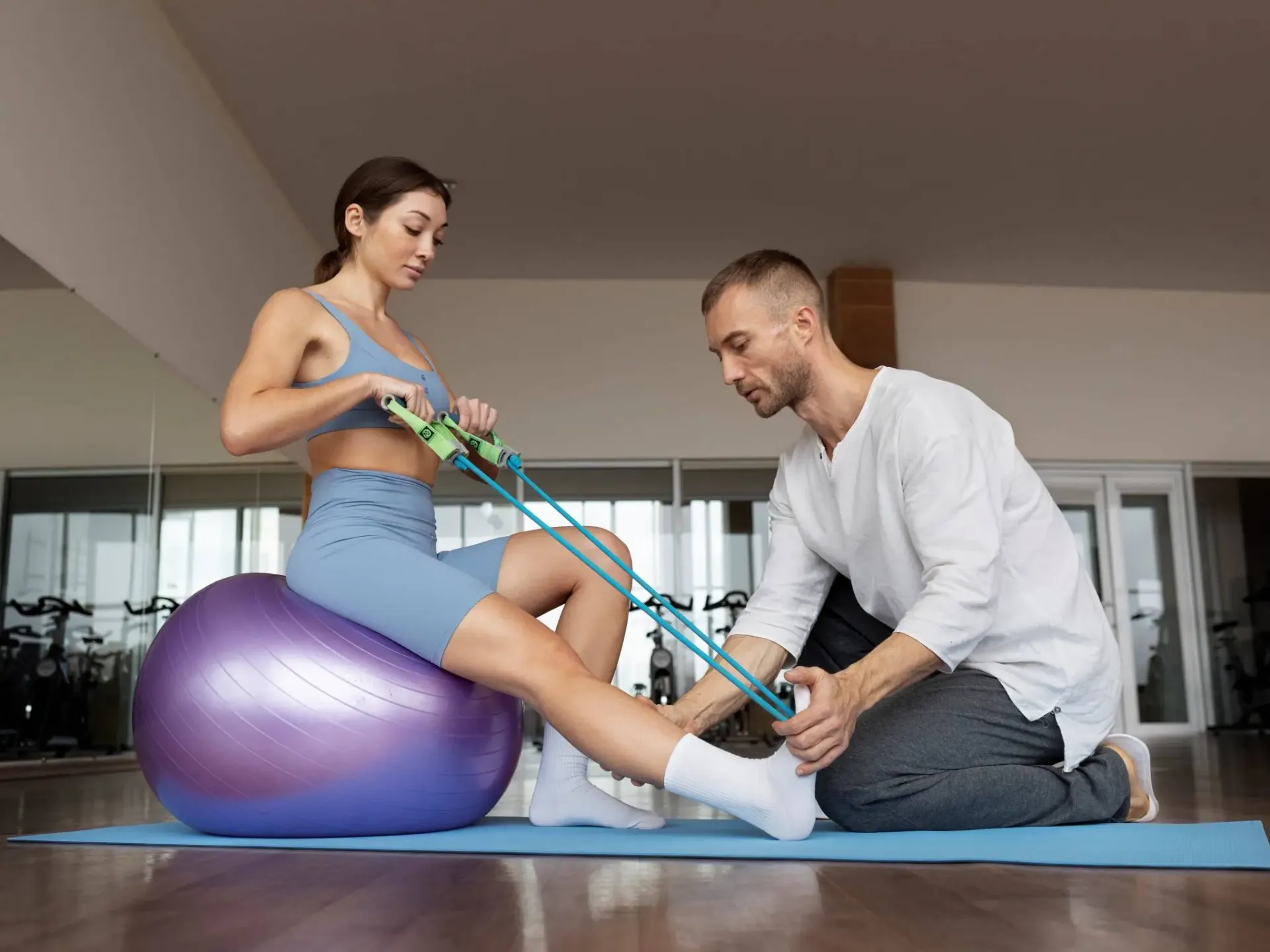
Feeling Better Is Not the Same as Being Ready
When leg pain eases, many people rush back to their old routine and trigger a relapse. The nerve may feel calm, but the muscles around the hip and spine are often weaker and the tissues less tolerant of load. A staged return protects what you have gained.
General Rules for Progressing
- Increase only one variable at a time: distance, speed, weight or frequency.
- Leg symptoms should not spread further down the leg during or after activity.
- Mild, short-lived back or buttock soreness that settles within a day is acceptable.
- If symptoms flare, step back one level for a few days, then try again.
Stage 1: Walking
Start with comfortable walks on flat ground. Build the time before the pace or hills. A reasonable target is walking for 30 minutes without increased leg symptoms.
Stage 2: Foundation Strength
- Glute bridges and side-lying hip abduction.
- Bird-dog and dead-bug for trunk control.
- Sit-to-stand and supported squats within a pain-free range.
Stage 3: Running
A walk-run interval approach, for example 1 minute running and 2 minutes walking, repeated, is a common start. Run on even surfaces, every second day, and extend running time gradually. Hills, speed work and long runs come last.
Stage 4: Gym Training and Lifting
- Start with light weights and strict form.
- Hinge patterns (deadlifts, good mornings) come back gradually, starting with a hip hinge using a dowel or light kettlebell.
- Avoid heavy spinal flexion under load, such as rounded-back lifts, until you are symptom-free for some time.
- Learn to brace and keep the load close to the body.
Everyday Lifting
Bend the knees and hips, keep the object close, avoid twisting with a load, and ask for help with heavy items. Small habits protect the nerve over the long run.
How Physiotherapy and Osteopathy Support the Return
Our physiotherapists design and progress the strength and conditioning plan, while hands-on treatment from our osteopaths keeps the pelvis, hips and spine moving well so you can train without relapse. For early-stage advice, see which sciatica exercises help.
When to Pause and Reassess
Stop and get assessed if you notice new leg weakness, numbness, symptoms that spread down the leg or last more than a day after exercise, or any bladder or bowel change. Review the red flags.
Book a Sciatica Assessment at Réhabital
Our physiotherapists and osteopaths in Côte Saint-Luc work side by side to find what is actually irritating your sciatic nerve and build a plan around it. Book online or read more about sciatica treatment at Réhabital.
Frequently asked questions
Go deeper with our dedicated physiotherapy pages
Physiotherapy pages with Colin Teghen Tamuton (OPPQ) in Côte Saint-Luc:
Related conditions we treat
Related articles
Ankle Sprain Recovery Timeline: Walk, Run & Sport by Grade
Week-by-week ankle sprain recovery timeline for grade I, II and III sprains: when to walk, run and return to sport. Grade I, II or III? Discover realistic healing timelines for each type of ankle sprain and the precise criteria to safely return to walking, running, and sport.
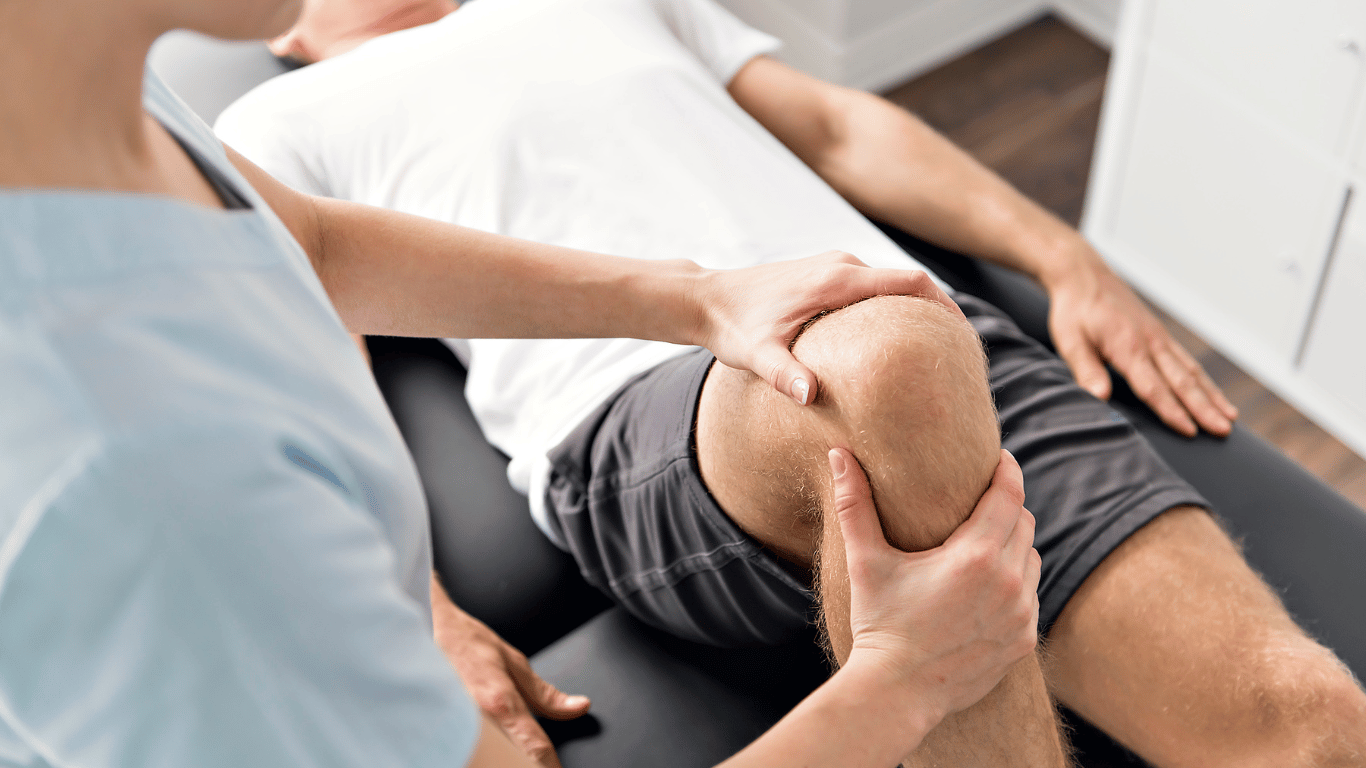
After a Knee or Hip Replacement: A Week-by-Week Rehabilitation Plan
The first six weeks decide your final range of motion. Here is what real rehabilitation after a total knee or hip replacement looks like with our physiotherapist, founding osteopath and massage therapists in Côte Saint-Luc.
Knee Osteoarthritis: Should You Stop Walking and Exercising?
Contrary to popular belief, stopping physical activity is not the answer for knee osteoarthritis. Discover what the science says about load management and strengthening.
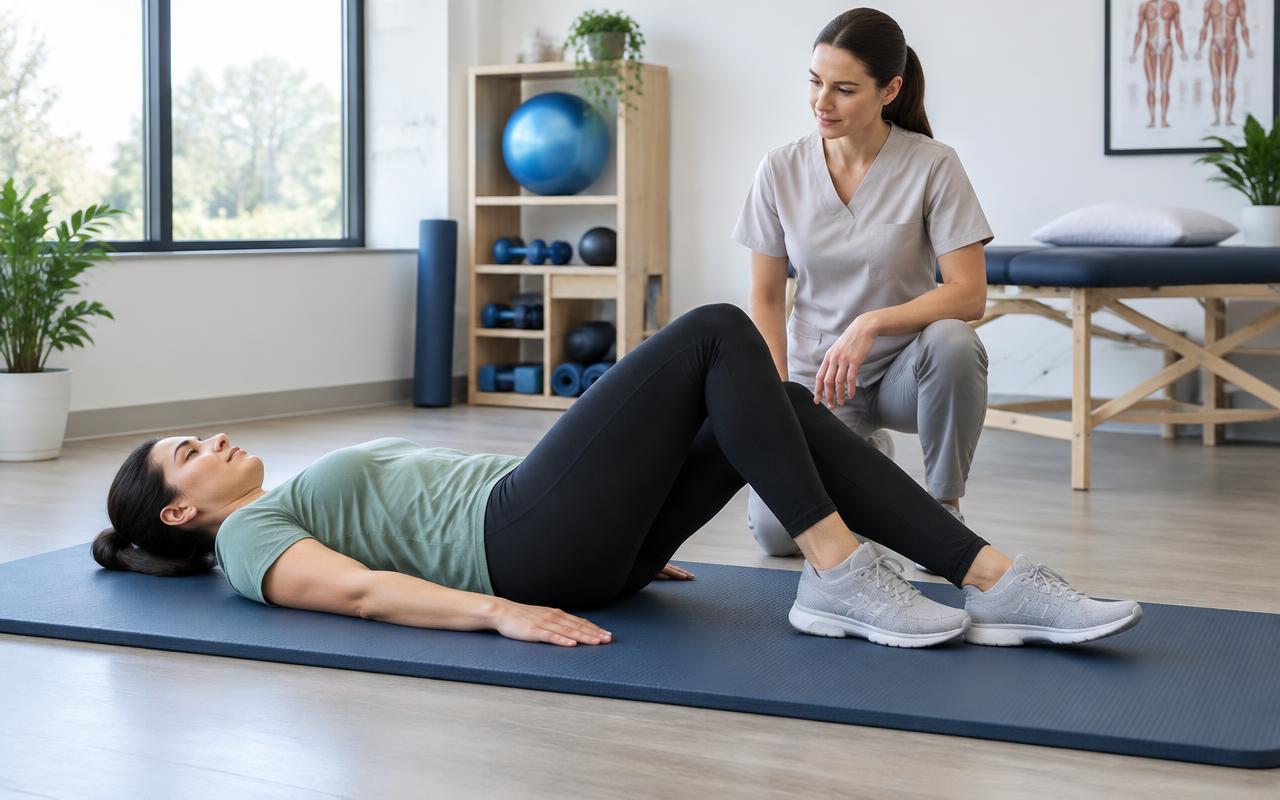
Diastasis Recti After Pregnancy: Recovering Function, Not Just Closing a Gap
Abdominal doming after pregnancy: assessment, hernia warning signs, progressive exercise and manual-care limits in Côte Saint-Luc, Montréal.
Rehabilitation After Hip or Knee Replacement: What to Expect Week by Week
A week-by-week guide to recovery after hip or knee replacement surgery, from first steps to returning to full activity.
Physiotherapy for Knee Pain, Sports Injuries & Post-Surgery Recovery in Montreal
How physiotherapy treats knee pain, ACL injuries, frozen shoulder and post-surgical recovery. Evidence-based rehabilitation protocols at our Montreal clinic.