
Sciatic Nerve Glides (Flossing): What They Are, How They Work and Who Should Avoid Them
Nerve glides are gentle movements that help the sciatic nerve slide freely instead of stretching it. Our physiotherapists explain how they work, how to start and when they are not appropriate.
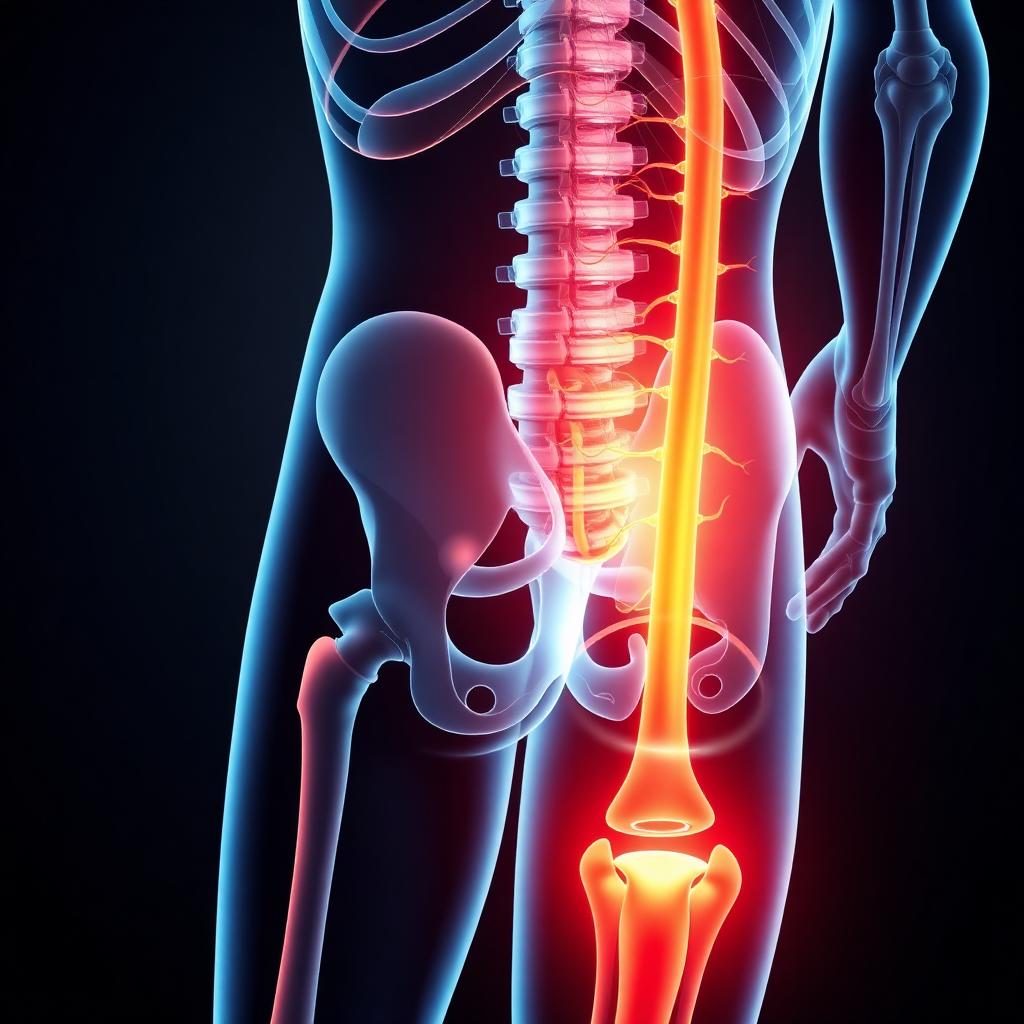
What Is a Nerve Glide?
Nerves are designed to move. As you bend and straighten your hip, knee and ankle, the sciatic nerve slides along its path through the buttock and leg. When the nerve is irritated, swollen or caught against surrounding tissue, that sliding becomes restricted, and the nerve becomes more sensitive to movement and position.
A nerve glide, sometimes called nerve flossing, is a gentle, repeated movement that lets the nerve slide back and forth without placing it under sustained stretch. The idea is to restore movement, not to pull on the nerve.
Glide Versus Stretch: An Important Difference
- Glide (slider) — One end of the nerve is tensioned while the other is relaxed, then you swap. Net tension stays low.
- Stretch (tensioner) — Both ends are tensioned together, loading the nerve. This is more provocative and is rarely the right starting point for a painful nerve.
A Gentle Seated Slider to Discuss With Your Physiotherapist
- Sit tall on a chair with your back supported.
- Slump slightly and look down at your chest as you straighten one knee.
- Then lift your head and sit tall as you bend the knee back.
- Move slowly, 8 to 10 repetitions, once or twice a day.
You should feel, at most, a mild pulling sensation. Do not chase sharp, burning or tingling symptoms. If the leg symptoms last longer than a few minutes after you stop, the dose was too high.
Who Benefits Most
- People whose leg pain is provoked by sitting and bending forward.
- Patients with a sensitive nerve but no significant weakness or numbness.
- Those who have been resting a lot and have become stiff and nerve-sensitive.
Who Should Be Careful or Avoid Them
- Anyone with new or worsening leg weakness.
- Anyone with numbness in the groin or inner thighs, or bladder or bowel changes. This needs urgent medical care.
- Very acute, severe flare-ups. Calm the pain first with positioning and hands-on treatment.
How Hands-On Care Makes Glides Work Better
When the nerve is trapped by a tight piriformis, a stiff sacroiliac joint or a restricted lumbar segment, glides alone may not be enough. Manual therapy from our osteopaths and physiotherapists frees the area so the nerve can move, and glides then help maintain the result. For deep-hip causes, see piriformis syndrome treatment.
Book a Sciatica Assessment at Réhabital
Our physiotherapists and osteopaths in Côte Saint-Luc work side by side to find what is actually irritating your sciatic nerve and build a plan around it. Book online or read more about sciatica treatment at Réhabital.
Frequently asked questions
Go deeper with our dedicated physiotherapy pages
Physiotherapy pages with Colin Teghen Tamuton (OPPQ) in Côte Saint-Luc:
Related articles
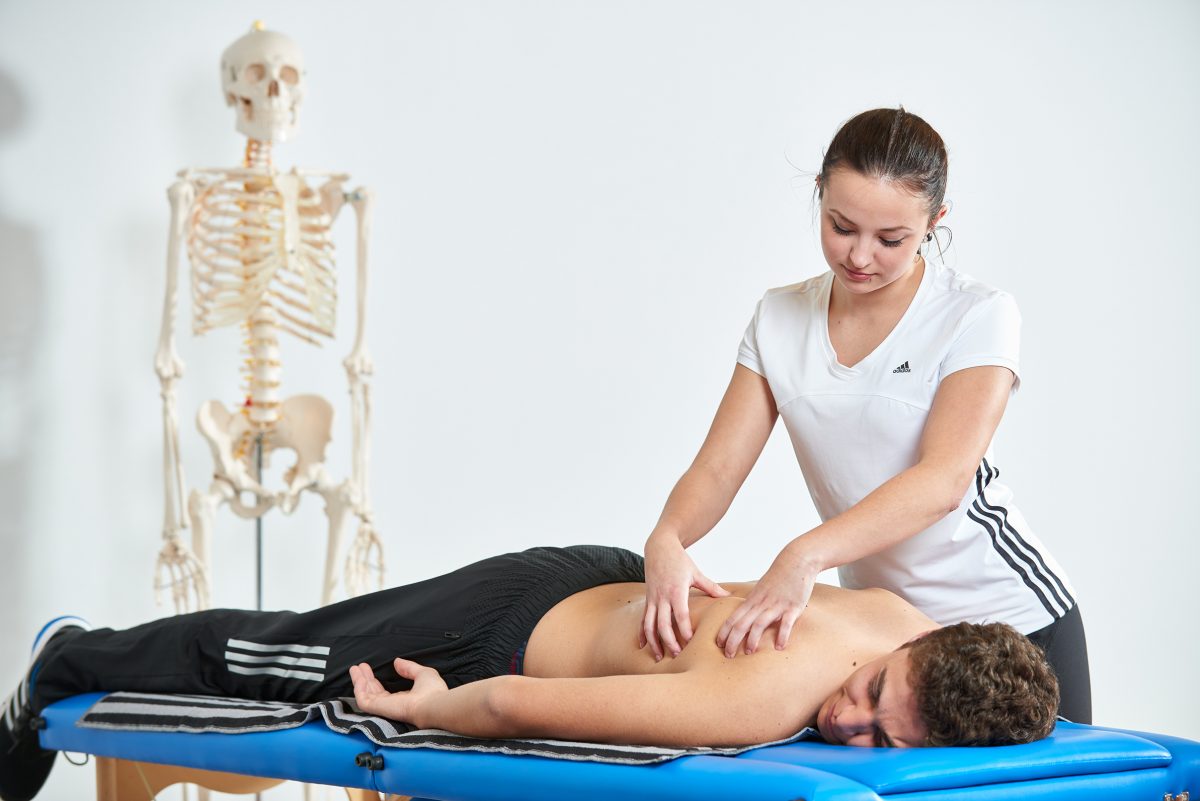
Can Physiotherapy Really Cure Sciatica?
The question almost every patient asks in the first session. Here is what physiotherapy can genuinely fix in sciatica, what it cannot, and exactly how a treatment plan unfolds in Côte Saint-Luc.
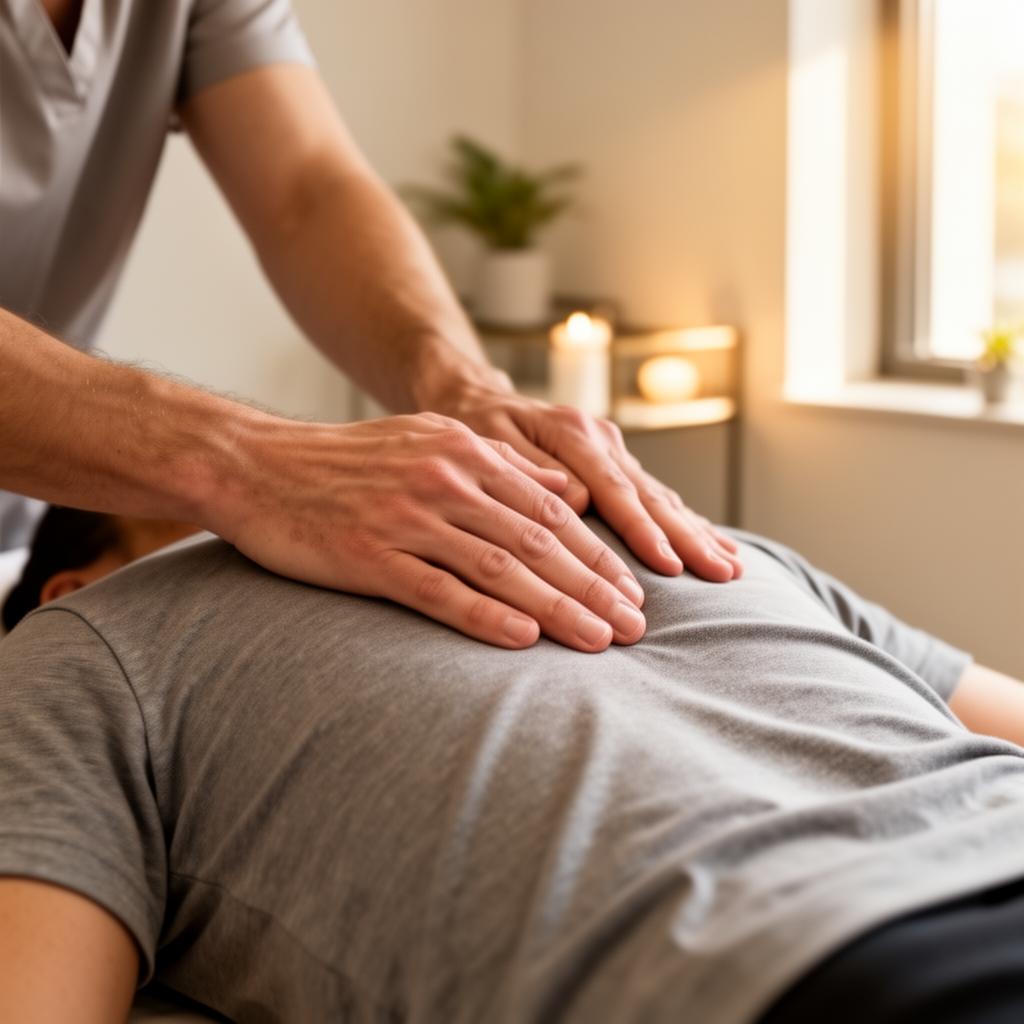
Sciatica in Montreal: Osteopathy or Physiotherapy — Which Should You Choose?
Pain shooting down your leg? Discover how osteopathy and physiotherapy treat sciatica, and which approach fits your specific situation.
Herniated Disc, Sciatica or Piriformis Syndrome: How to Tell Them Apart
Pain shooting down your leg? It is not always “sciatica.” Learn how to tell a herniated disc, a true radicular sciatica and a piriformis syndrome apart — and how osteopathy and physiotherapy at Réhabital in Côte Saint-Luc treat each one differently.
Sciatica Exercises: Which Ones Help, Which Ones Make It Worse (Physiotherapy Guide)
Not every stretch is good for a sore sciatic nerve. Our physiotherapists explain which exercises usually help, which ones tend to aggravate symptoms, and why the right choice depends on the cause.
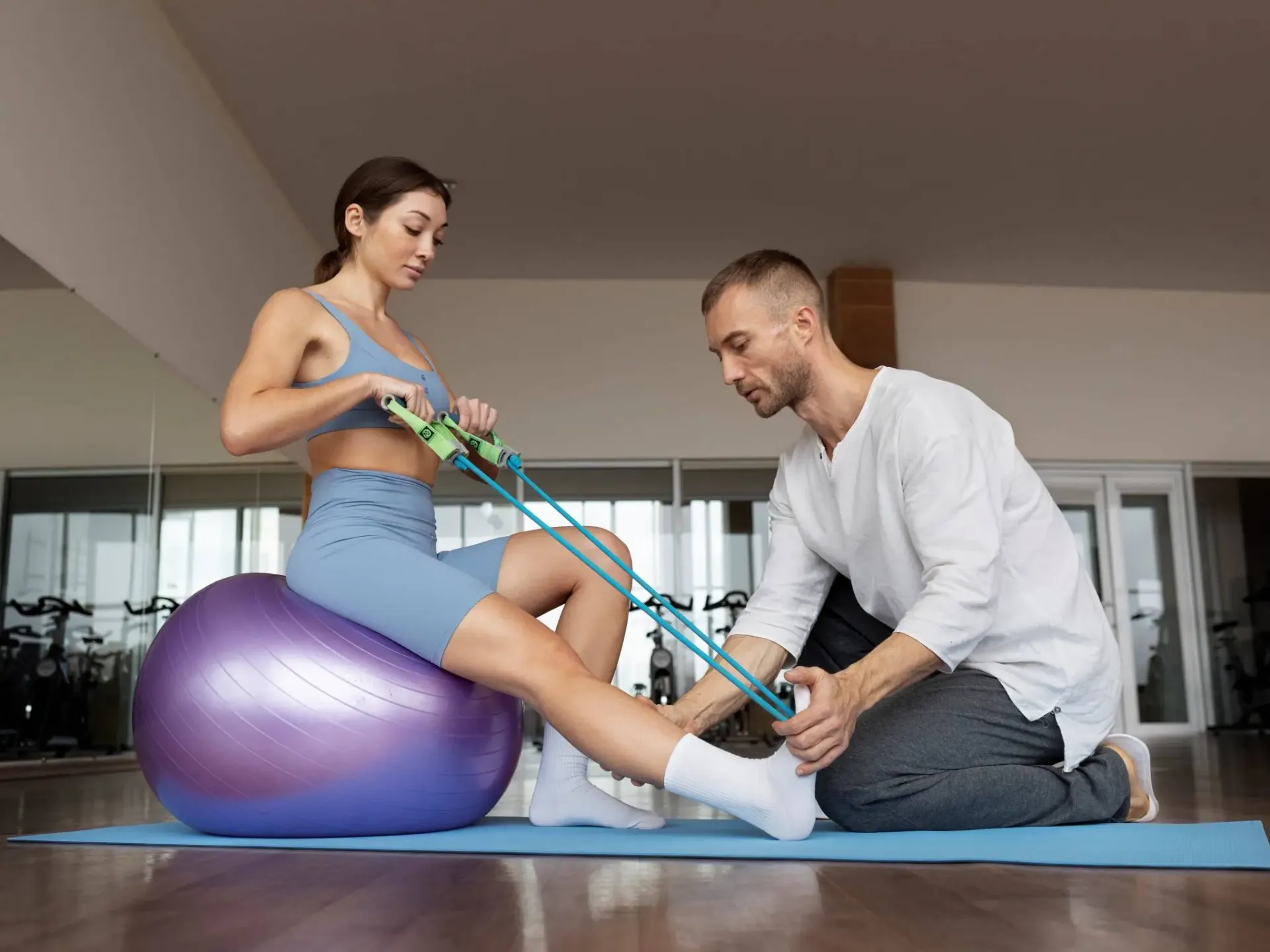
Physiotherapy in Côte Saint-Luc: regain mobility, strength and quality of life
How a structured physiotherapy plan — assessment, manual therapy, targeted exercises and education — accelerates recovery at Réhabital in Côte Saint-Luc.

Pinched Nerve in the Neck: Understanding Cervical Radiculopathy and Treating It with Osteopathy and Physiotherapy
Burning arm, numb fingers, grip that fades: cervical radiculopathy is not fixed by rubbing the neck. Here is how our founding osteopath and our physiotherapist in Côte Saint-Luc assess, decompress and rehabilitate an irritated cervical nerve.