
Physiotherapy, Osteopathy, Acupuncture or Massage: Which Treatment Should You Start With?
A practical guide to choosing between physiotherapy, osteopathy, massage therapy and acupuncture (coming soon) based on your condition.
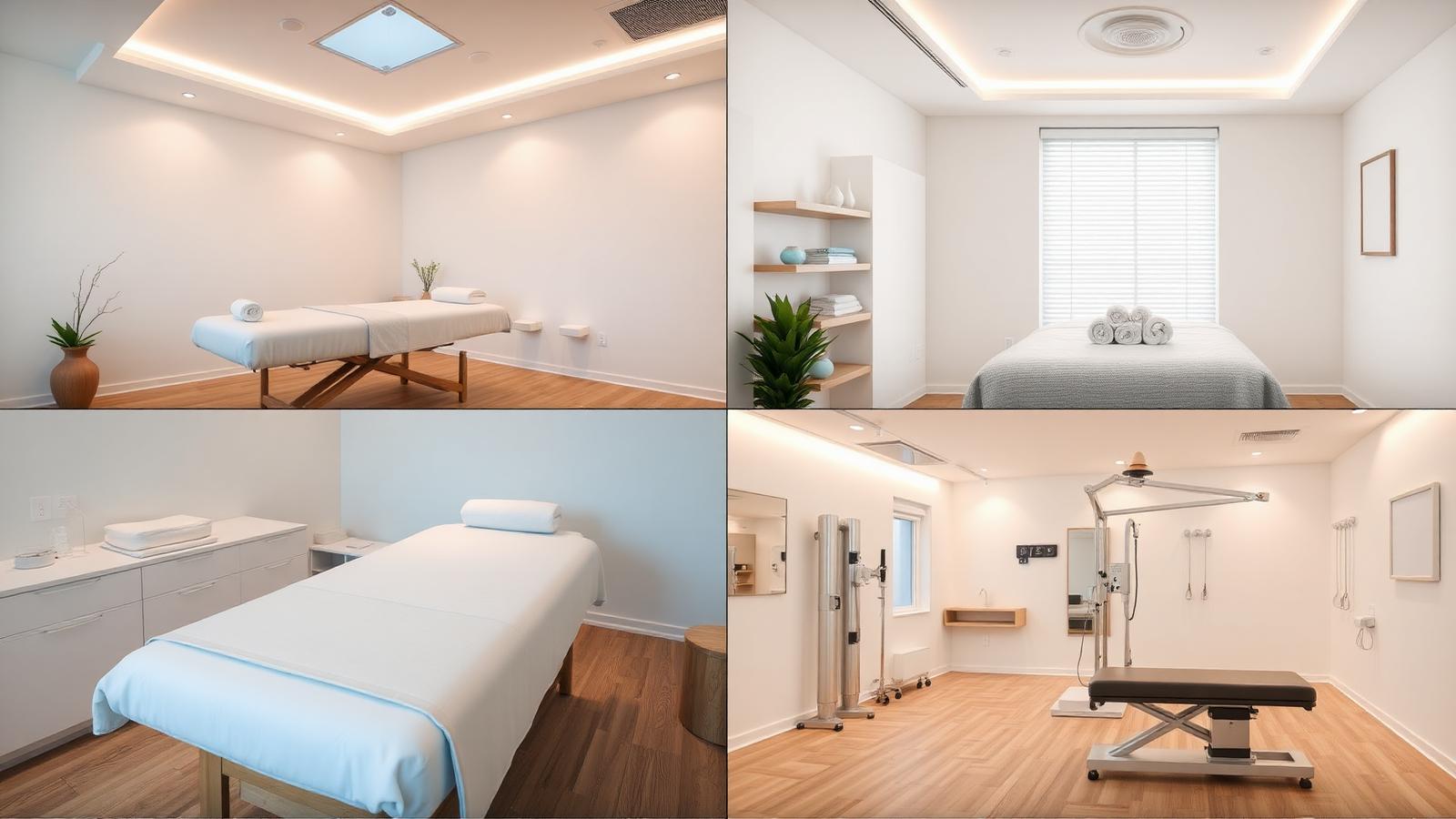
With so many therapeutic options available — physiotherapy, osteopathy, massage therapy and soon acupuncture — it's easy to feel overwhelmed when deciding where to start. At Réhabital, in Côte Saint-Luc, our multidisciplinary approach allows us to guide you toward the treatment best suited to your condition, or even combine multiple approaches for optimal results. Here's a practical guide to help you see things more clearly.
Understanding Each Discipline
Physiotherapy
Physiotherapy is an approach based on functional assessment and exercise-based rehabilitation. It is particularly effective for:
- Acute sports injuries (sprains, strains, muscle tears);
- Post-surgical rehabilitation (knee, hip, shoulder);
- Targeted muscle strengthening and correction of biomechanical imbalances;
- Functional recovery after a car accident (covered by SAAQ).
Osteopathy
Osteopathy takes a whole-body view, seeking to treat root causes rather than just symptoms. It is particularly well suited for:
- Chronic, recurring pain that seems interconnected;
- Postural tension related to office work or stress;
- Headaches of musculoskeletal origin;
- Mild digestive discomfort linked to visceral tension.
Massage Therapy
Massage therapy directly targets soft tissue — muscles, tendons and fascia. It is ideal for:
- Chronic muscle tension and accumulated stress;
- Recovery after athletic training;
- General relaxation and improved blood circulation;
- A pleasant complement to other more targeted treatments.
Acupuncture (Coming Soon)
We're excited to announce that acupuncture will soon be offered at Réhabital. This centuries-old discipline is recognized for pain management, stress reduction, and support for certain chronic conditions. Stay tuned on our blog for the official launch date. In the meantime, our other services remain excellent options to meet your current needs.
How to Choose Based on Your Situation
| Situation | Recommended First Treatment |
|---|---|
| Recent sports injury | Physiotherapy |
| Chronic back or neck pain | Osteopathy or physiotherapy |
| Stress-related muscle tension | Massage therapy |
| Post-surgical recovery | Physiotherapy |
| Recurring headaches | Osteopathy |
| Car accident (SAAQ) | Physiotherapy or osteopathy |
This table is just a general starting point — every situation is unique, and our team can guide you more precisely during an initial consultation.
Do I Need to Choose Just One Treatment?
Not necessarily. Many patients combine multiple approaches for optimal results. For example, someone suffering from chronic lower back pain might benefit from a combination of osteopathy to restore overall structural balance, physiotherapy to strengthen stabilizing muscles, and massage therapy to relieve residual tension. Our multidisciplinary team at Réhabital can coordinate this type of combined treatment plan, ensuring each discipline complements the others in a coherent way.
Check Out Our Detailed Comparison Guides
To dig deeper into your decision, we invite you to check out our specialized comparison articles:
- Osteopathy vs Physiotherapy
- Physiotherapy vs Massage Therapy
- Osteopathy vs Massage Therapy
- Acupuncture vs Osteopathy (with acupuncture coming soon to our clinic)
These detailed resources will help you understand the fundamental differences between each approach and make an informed decision.
What If I Still Don't Know Where to Start?
That's completely normal, and it's exactly why our team is here. Simply book an initial consultation with one of our practitioners — whether in osteopathy, physiotherapy, or massage therapy — and they will assess your condition and refer you internally to the most appropriate service if needed. You can also check out our dedicated pages on back pain treatment and neck pain treatment for more targeted advice.
Don't Forget Our Other Wellness Services
In addition to our three main disciplines, Réhabital also offers naturopathy services to support your overall well-being, as well as aesthetic care and laser treatments for your cosmetic needs. These services perfectly complement our musculoskeletal care offerings.
Understanding the Mechanisms Behind Each Approach
To choose wisely, it helps to understand how each discipline acts on the body. Physiotherapy relies mainly on biomechanical principles: progressive muscle strengthening, improved joint stability, and functional movement re-education. Osteopathy relies on manual manipulation of tissues, joints, and sometimes visceral structures to restore overall mobility and promote the body's natural self-regulation. Massage therapy acts directly on soft tissue to reduce tension, improve blood and lymphatic circulation, and promote nervous system relaxation. Understanding these mechanisms helps you grasp why certain conditions respond better to one approach than another.
What the Process Looks Like at the Clinic
Regardless of which treatment you choose, your first visit at Réhabital follows a similar structure: detailed history-taking, a focused physical assessment, and then a discussion of a personalized treatment plan. If your practitioner identifies that another discipline would be more appropriate or complementary, they will let you know and can facilitate an internal referral to a colleague at the clinic, avoiding delays and duplicate assessments.
Treatment Timelines and Realistic Expectations
Acute injuries generally respond more quickly (2 to 4 weeks) with physiotherapy, while chronic conditions treated with osteopathy or massage therapy may require a commitment of several weeks to a few months for lasting results. Lifestyle-related stress and muscle tension often respond well to regular massage therapy sessions, for example monthly or biweekly, rather than a single one-off treatment.
When to See a Doctor First
Certain symptoms should be evaluated by a physician before seeing a complementary care clinic, including: chest pain, unexplained fever, loss of bowel or bladder control, progressive numbness, or sudden significant muscle weakness. Our practitioners are trained to recognize these warning signs and redirect you promptly if needed.
Insurance and Costs Depending on the Treatment Chosen
Physiotherapy, osteopathy, and massage therapy all follow a similar reimbursement model: not covered by RAMQ, but generally reimbursed by private extended health insurance up to an annual cap. We accept SAAQ for car-accident-related injuries, but not CNESST for workplace injuries. Our team can provide a detailed receipt after every session, regardless of the service chosen.
Serving All of West Montreal
Whether you live in Côte Saint-Luc, Hampstead, Westmount, NDG, Snowdon, or Montréal-Ouest, our multidisciplinary clinic is easy to reach and lets you receive several types of care under one roof, which greatly simplifies coordinating your combined treatment plan.
A Concrete Example of a Combined Plan
Consider a patient from Snowdon suffering from chronic neck pain related to remote work. During her first consultation, our team might recommend a combination of physiotherapy to strengthen the stabilizing muscles of the neck and shoulders, osteopathy to address overall postural restrictions, and occasional massage therapy to relieve acute tension before particularly demanding days. This type of integrated plan, coordinated between our practitioners, illustrates how our multidisciplinary approach can adapt to complex, evolving needs.
Asking the Right Questions During Your Consultation
At your first appointment, don't hesitate to ask your practitioner why they recommend one approach over another, how many sessions are typically needed for a condition similar to yours, and what signs would indicate that a change in treatment would be beneficial. Open communication with your practitioner keeps you actively involved in your own recovery plan.
What Our Patients Say About Choosing a Treatment
Many patients tell us they hesitated for a long time before booking, worried about picking the "wrong" service. In practice, there really isn't a wrong choice: since all our practitioners work closely together, an initial physiotherapy assessment that reveals an osteopathic approach would be more appropriate simply leads to a quick internal referral, without delays or duplicate testing. The most important step is simply getting started.
Signs It's Time to Change Approach
If after several sessions you notice no improvement, or your condition seems to be plateauing, it's entirely appropriate to discuss this openly with your practitioner. This could indicate that a complementary or different approach would be beneficial. Our practitioners welcome this kind of conversation and won't hesitate to redirect you to a colleague if it better serves your recovery.
Combining Treatments With Everyday Self-Care
Whichever discipline you choose, results tend to improve when clinic visits are paired with consistent self-care between appointments. This might include daily stretching, mindful posture breaks during long work sessions, staying hydrated, applying heat or ice as recommended, and pacing physical activity to avoid flare-ups. Your practitioner will tailor these recommendations to your specific condition and treatment goals, and following through on them consistently often shortens the overall timeline of your recovery plan.
What to Expect at Your Very First Appointment
Regardless of which service you book first, plan on arriving 10 to 15 minutes early to complete intake paperwork if this is your first visit to Réhabital. Bring any relevant medical imaging, a list of current medications, and your insurance information. Your practitioner will begin with a thorough history and physical assessment before discussing findings and next steps with you directly, so you leave your first visit with a clear understanding of your condition and plan.
The Role of Communication Between Practitioners
When you follow multiple treatments in parallel at Réhabital, our practitioners share relevant clinical notes to ensure consistency in your care plan. This avoids contradictory recommendations and allows each professional to adjust their approach based on progress made in other disciplines.
Adjusting the Plan Based on Your Response to Treatment
No treatment plan is set in stone. If you respond particularly well to an approach, session frequency can gradually be reduced; conversely, if progress is slower, your practitioner may suggest temporarily intensifying visits or adding a complementary discipline.
A Final Word on Consistency
Regardless of which treatment you choose, consistency remains the single most important factor in achieving lasting results. Keeping recommended appointments and following the advice given between sessions often makes all the difference in how quickly you recover.
Book Your Consultation Today
Whichever treatment seems most appropriate to you, our team is here to guide you toward the best solution for your situation. Discover our team of qualified practitioners and book your appointment online today through our Jane App links. Don't forget to check out our current promotions and our 24-hour cancellation policy detailed on our policies page.
This article is provided for informational purposes only and does not constitute a medical diagnosis. Always consult a qualified healthcare professional to assess your specific condition.
Frequently asked questions
Related articles
Clinic Open on Sunday in Côte Saint-Luc: Which Treatments Are Available?
Réhabital is open Sunday from 10:00 to 16:00. Discover which treatments are available and how to book your weekend appointment.
Osteopathy vs Massage Therapy vs Acupuncture vs Physiotherapy: The Ultimate Comparison Guide (Montreal 2026)
Which manual therapy should you choose for your pain? A complete, evidence-informed comparison of osteopathy, massage therapy, acupuncture and physiotherapy — philosophies, techniques, results, costs and when to combine them.
Are Osteopathy and Massage Therapy Covered by Insurance in Quebec?
A clear guide to how osteopathy and massage therapy are reimbursed in Quebec: private insurance, RAMQ, SAAQ and CNESST.

Physiotherapy vs Acupuncture: Which One Should You Choose for Pain in Côte Saint-Luc?
Detailed comparison between physiotherapy and acupuncture for chronic pain, sports injuries and recovery in Côte Saint-Luc, Hampstead, NDG, Westmount and across Montreal.
Osteopathy vs Physiotherapy: Which Approach Should You Choose in Côte Saint-Luc?
Complete comparison between osteopathy and physiotherapy: differences, indications, training, insurance reimbursement and how to choose based on your condition in Côte Saint-Luc, Hampstead, NDG and across Montreal.

Acupuncture or Osteopathy: What's the Difference, and When Should You Choose Each?
Needles or hands? Understand what each approach really treats, for which pains, and when to choose it.