
Osteopathy vs Physiotherapy: Which Approach Should You Choose in Côte Saint-Luc?
Complete comparison between osteopathy and physiotherapy: differences, indications, training, insurance reimbursement and how to choose based on your condition in Côte Saint-Luc, Hampstead, NDG and across Montreal.
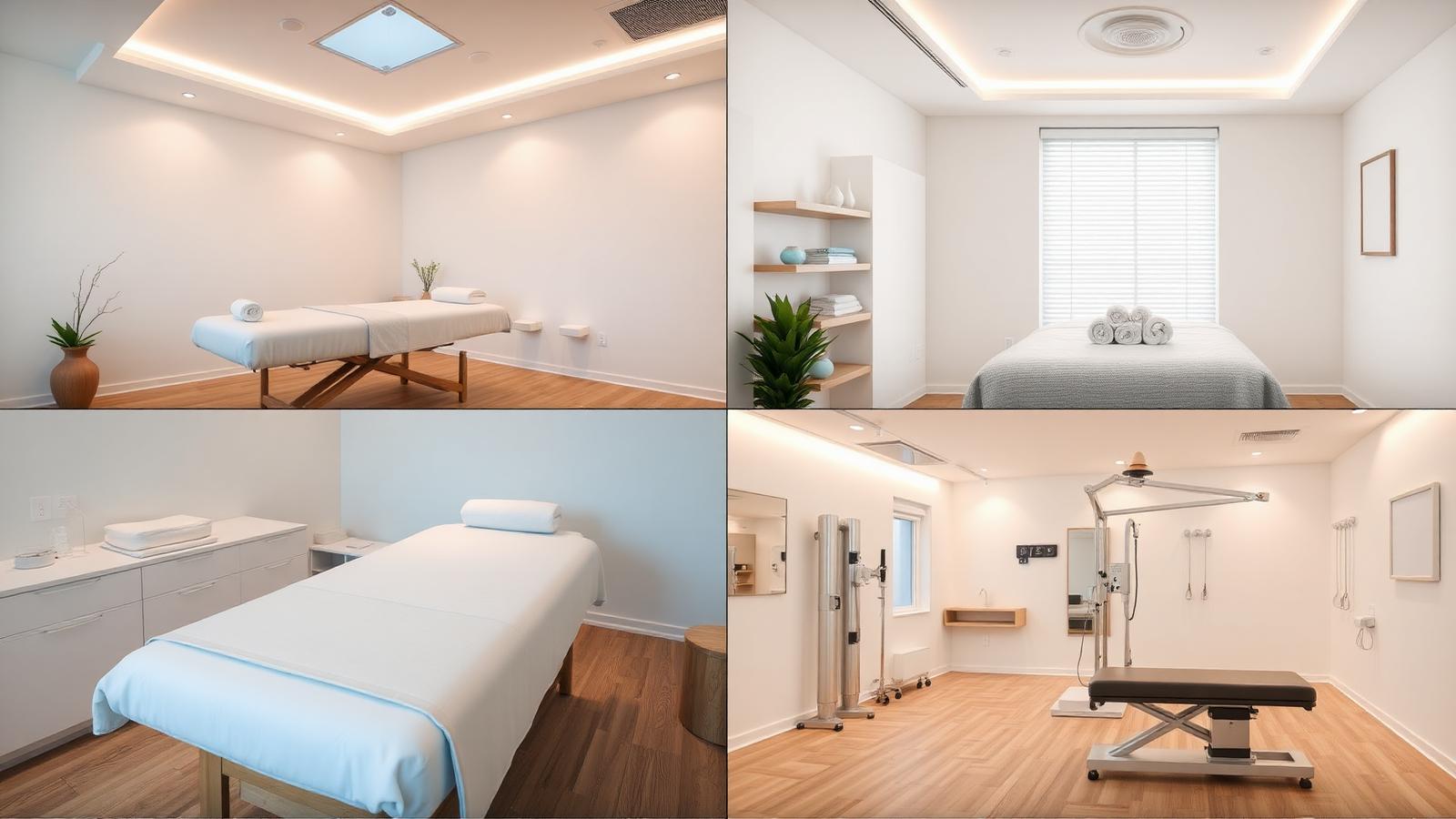
If you live in Côte Saint-Luc (CSL), Hampstead, NDG, Snowdon, Westmount, Montreal West, Mont-Royal, Saint-Laurent, Côte-des-Neiges or the West Island and you're dealing with back pain, a sports injury, or post-surgery recovery, you've probably asked yourself the same question hundreds of patients ask us at Réhabital Clinic: “Should I see an osteopath or a physiotherapist?”
The honest answer is: it depends on what's wrong, what stage of healing you're in and what kind of treatment experience you're looking for. Both professions are highly effective, evidence-informed and often complementary. This guide will help you decide.
1. Quick definitions
What is osteopathy?
Osteopathy is a manual, whole-body therapy that views the body as a single, interconnected unit. Osteopaths use their hands to assess and treat restrictions in joints, muscles, fascia, viscera and the cranio-sacral system. The goal is to restore mobility, balance and self-regulation, not just to treat the painful spot.
What is physiotherapy?
Physiotherapy (also called physical therapy) is a regulated health profession focused on restoring movement and function through exercise prescription, manual therapy, electrotherapy modalities, education and progressive rehabilitation programs. It is the standard of care for post-surgical recovery, neurological rehabilitation and many sports injuries.
2. Training and regulation in Quebec
In Quebec, physiotherapists are regulated by the Ordre professionnel de la physiothérapie du Québec (OPPQ) and complete a master's degree (typically 5 years of university). Osteopaths in Quebec are not yet a fully regulated profession, but reputable practitioners hold a DO or DOMP from a recognized school (4–5 years of part-time study) and are members of professional associations such as Ostéopathie Québec or the Canadian Federation of Osteopaths.
3. Treatment style: what to expect on the table
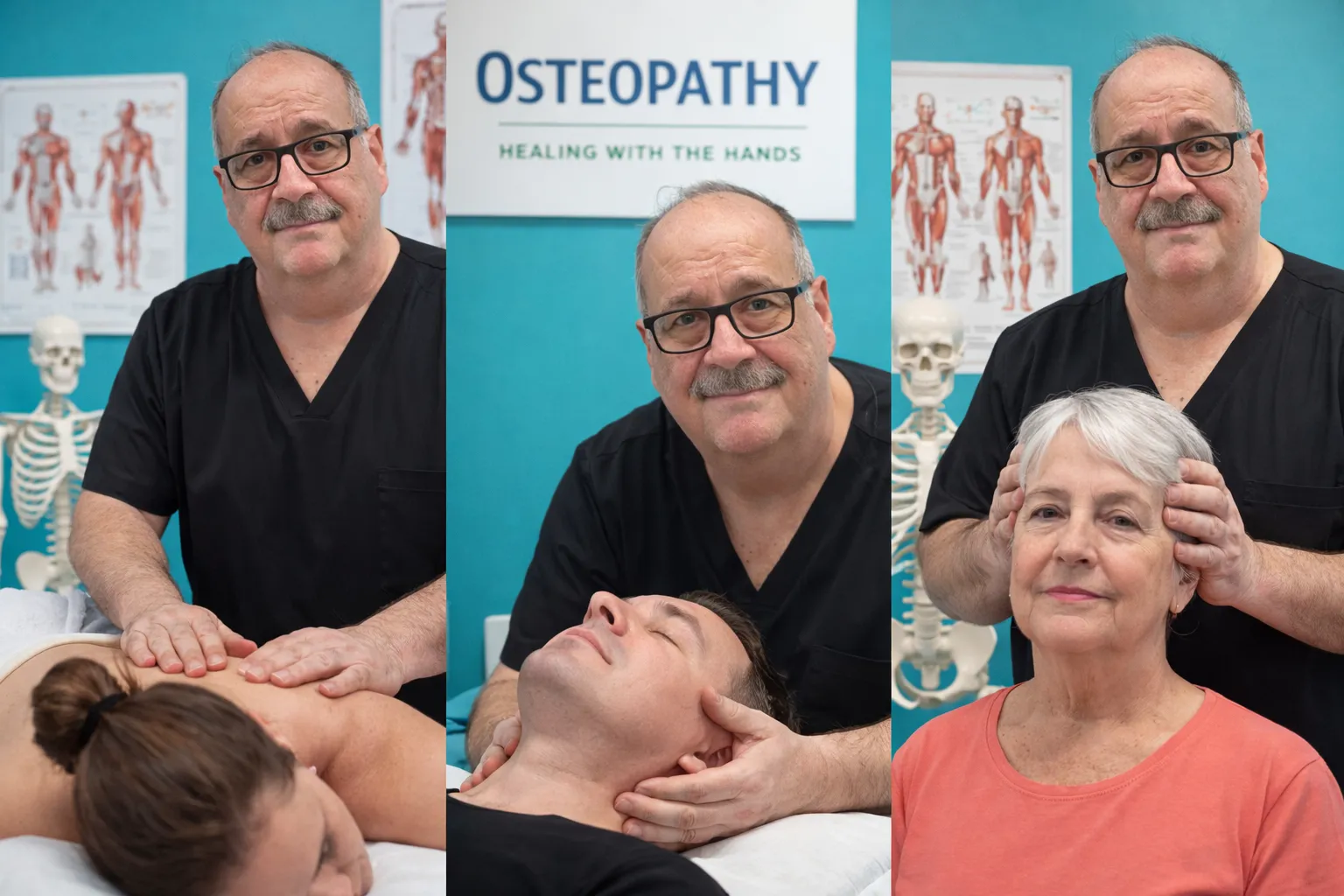
An osteopathy session at our Côte Saint-Luc clinic
Sessions usually last 45–60 minutes. The osteopath performs a global postural and mobility assessment, then uses gentle techniques: myofascial release, joint mobilization, visceral techniques and cranio-sacral work. Most patients feel deeply relaxed and notice changes within 24–72 hours.
A physiotherapy session
Sessions are typically 30–60 minutes and combine hands-on techniques (joint mobilization, soft-tissue work, dry needling) with active exercises, stretches and home programs. Expect to be given homework: physiotherapy is as much about what you do between sessions as during them.
4. Which conditions respond best to each approach?
Osteopathy is often the first choice for:
- Chronic low back pain and neck stiffness without red flags
- Tension headaches and migraines
- Postural imbalance and recurring pain patterns
- Pregnancy-related back and pelvic pain
- Digestive complaints with a musculoskeletal component
- Stress-related body tension
Physiotherapy is often the first choice for:
- Post-surgical rehabilitation (knee, hip, shoulder, spine)
- Acute sports injuries (sprains, strains, tendinopathies)
- Neurological conditions (stroke, Parkinson's, MS)
- Vestibular and balance disorders
- Workplace injuries requiring objective progress reports
- Conditions where progressive loading and strength rebuilding are critical
5. Insurance and reimbursement in Quebec
Most extended health insurance plans (Sun Life, Manulife, Desjardins, Canada Life, Beneva, iA Financial Group, etc.) reimburse both osteopathy and physiotherapy. Receipts from Réhabital include the practitioner's professional membership number so you can submit directly to your insurer. SAAQ files are typically handled by physiotherapists.
6. Can you combine them? Absolutely.
At our Côte Saint-Luc clinic on Cavendish Boulevard, we frequently coordinate care between disciplines. A common pattern: physiotherapy for the first 4–6 weeks after surgery to rebuild strength and range of motion, then osteopathy to address compensations and restore global balance. Patients from Hampstead, NDG, Snowdon, Westmount, Montreal West, Mont-Royal, Saint-Laurent, Côte-des-Neiges and the West Island regularly benefit from this integrated approach.
7. How to choose: a simple decision guide
- Just had surgery or a recent acute injury? Start with physiotherapy.
- Chronic, recurring pain that “always comes back”? Start with osteopathy.
- Pregnant or post-partum? Osteopathy is gentle and very effective.
- Need objective progress reports for insurance/employer? Physiotherapy.
- Stress, fatigue, multiple body areas affected? Osteopathy's whole-body view is ideal.
8. The Réhabital approach
Our team includes Réhabital Team, founder and lead osteopath, alongside a growing physiotherapy team. We don't push one discipline over another — we recommend what's best for your body and your goals.
Explore our dedicated pages: Osteopathy in Côte Saint-Luc · Physiotherapy in Côte Saint-Luc · Lower Back Pain Physiotherapy.
Frequently Asked Questions
1. Is osteopathy or physiotherapy better for back pain?
For chronic, non-specific back pain, osteopathy often provides faster relief. For back pain after surgery or with neurological signs, physiotherapy is the first choice.
2. Can I do both at the same time?
Yes — many of our Côte Saint-Luc patients alternate weekly between the two for faster, more complete recovery.
3. Which one is covered by RAMQ?
Neither is covered by RAMQ in private clinics, but most private insurance plans reimburse both.
4. Do I need a doctor's referral?
No — both osteopathy and physiotherapy at Réhabital are direct-access. Some insurers may require a referral; check your plan.
5. How many sessions will I need?
Osteopathy: typically 3–6 sessions. Physiotherapy: 6–12 sessions depending on the condition.
6. Is osteopathy safe during pregnancy?
Yes, with a trained osteopath. We see many pregnant patients from Hampstead, NDG and Westmount.
7. Which is better for sciatica?
Both work well. Physiotherapy if there's nerve weakness; osteopathy for mechanical/postural sciatica.
8. Will I get exercises to do at home?
Always with physiotherapy; sometimes with osteopathy depending on the practitioner.
9. How long is each session?
Osteopathy 45–60 min. Physiotherapy 30–60 min.
10. Where are you located?
D4–5800 Cavendish Boulevard, Côte Saint-Luc, Quebec H4W 2T5 — easy access from CSL, Hampstead, NDG, Snowdon, Westmount, Montreal West, Mont-Royal, Saint-Laurent, Côte-des-Neiges and the West Island.
Frequently asked questions
Go deeper with our dedicated osteopathy pages
Osteopathy pages with Shahram Ghasemi, MD (Iran), DOMP in Côte Saint-Luc:
Related articles
Chiropractor vs Osteopath in Montreal – What Should You Choose?
Understand the key differences between chiropractic and osteopathy and discover which approach best suits your needs in Côte Saint-Luc, Montreal.
Osteopathy vs Massage Therapy vs Acupuncture vs Physiotherapy: The Ultimate Comparison Guide (Montreal 2026)
Which manual therapy should you choose for your pain? A complete, evidence-informed comparison of osteopathy, massage therapy, acupuncture and physiotherapy — philosophies, techniques, results, costs and when to combine them.
Acupuncture or Osteopathy: What's the Difference, and When Should You Choose Each?
Needles or hands? Understand what each approach really treats, for which pains, and when to choose it.
Osteopathy or Physiotherapy for Back Pain: A Guide Based on Your Symptoms
Struggling with back pain and unsure whether to see an osteopath or a physiotherapist? Here is a clear, symptom-based guide to help you choose the right approach in Côte Saint-Luc.
Osteopathy vs Physiotherapy: Which One Is Right for You?
Compare osteopathy and physiotherapy: approaches, techniques and use cases to choose the right treatment in Montreal.
Hamstrings and Osteopathy: Strain, Proximal Tendinopathy and a Complete Rehabilitation Guide
Strain, proximal tendinopathy or referred pain? Our osteopath Shahram Ghasemi explains how to tell the four hamstring problems apart and the full rehabilitation progression we use in Côte Saint-Luc.