
Acupuncture or Osteopathy: What's the Difference, and When Should You Choose Each?
Needles or hands? Understand what each approach really treats, for which pains, and when to choose it.
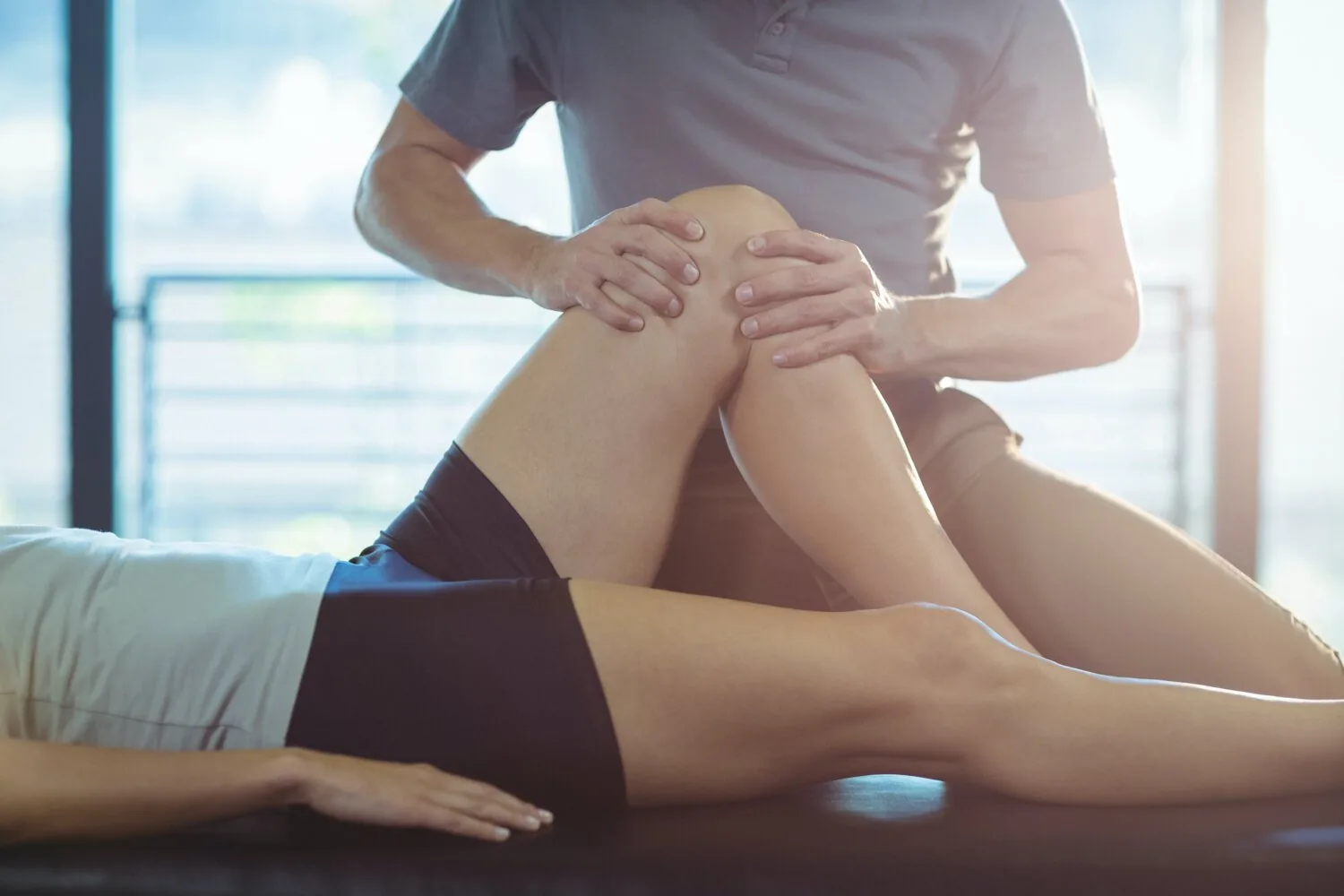
Acupuncture and osteopathy are often mentioned in the same breath: both are manual or minimally invasive, both are used for pain, both attract patients who want an alternative to medication. But they answer different questions about your body — and knowing which question applies to you is the fastest way to feel better.
Here is how we explain the difference to patients at Réhabital in Côte Saint-Luc.
Two different questions
Osteopathy asks: is something not moving as it should? The osteopath palpates joints, muscles, fascia and, when relevant, the visceral and cranial systems, looking for restrictions that alter how forces travel through your body. Treatment restores mobility so the region under strain stops being overloaded.
Acupuncture asks: is your system over-reacting? Needles at specific points modulate pain transmission, autonomic tone and local circulation, calming an over-sensitised pain and stress response.
Mechanics versus regulation. That is the honest one-line distinction.
How an osteopathic session works
Osteopathy begins with a global assessment: posture, gait, joint mobility, and testing of the region that hurts plus the regions that influence it. A shoulder problem may be driven by a stiff thoracic spine; a low back problem may be driven by a restricted hip or ankle; recurring neck tension may involve visceral restrictions that pull on the cervical region through fascial chains.
Treatment uses soft tissue work, joint mobilisation, muscle energy techniques, fascial release and, when appropriate, cranial and visceral approaches. Sessions are gentle. Most mechanical complaints improve within three to five visits.
How an acupuncture session works
The acupuncturist takes a broad history: pain pattern, sleep, digestion, energy, stress and menstrual cycle where relevant. Needles are then placed at selected points, both locally and at a distance, and left for 20 to 30 minutes. Patients frequently describe a heavy, warm, deeply relaxed state during the retention period.
Acupuncture is particularly well documented for chronic pain, migraine and tension-headache prevention, chemotherapy-induced nausea, and pain conditions where sensitisation plays a large part.
When to choose osteopathy
- Back, neck, hip, shoulder or knee pain with a clear mechanical trigger.
- Pain that changes with position: sitting, driving, sleeping on one side, bending.
- Restricted movement, a joint that feels "stuck", or asymmetry after an injury.
- Sciatica linked to desk posture or sleeping position.
- Post-partum recovery, pregnancy-related pelvic and back pain, infant colic or feeding asymmetry.
- Recurrent tension headaches originating from the neck and jaw.
- Digestive discomfort with a mechanical component: bloating, reflux and post-surgical adhesion patterns.
When to choose acupuncture
- Chronic pain lasting more than three months with no clear mechanical pattern.
- Migraine prevention.
- Stress, anxiety-related tension, disturbed sleep.
- Nausea, menstrual pain, hot flashes.
- Pain that persists after a well-conducted course of manual therapy and rehabilitation.
- Widespread pain conditions where the whole system feels amplified.
What about combining them?
These two approaches complement each other better than they compete. A frequent sequence for stubborn chronic pain looks like this: osteopathy first to remove mechanical restriction and give the body a better working position, acupuncture in parallel to bring down the pain volume, and physiotherapy or targeted exercise afterwards to make the improvement stick. Massage therapy is often added between sessions for muscular relief.
What matters is not doing everything at once, but sequencing intelligently and reassessing after four to six weeks.
Red flags: when neither is the right first step
Consult a physician promptly for unexplained weight loss, fever with back pain, progressive neurological weakness, loss of bladder or bowel control, night pain that does not change with position, or pain after significant trauma. A responsible practitioner will refer you rather than treat.
Practical details at Réhabital
Osteopathy is available today with Shahram Ghasemi, MD (Iran), DOMP, in Côte Saint-Luc, serving patients from Hampstead, NDG, Snowdon, Montreal West and Saint-Laurent. Acupuncture is coming soon to the clinic. No medical referral is needed; most private insurance plans reimburse both under separate annual limits. We issue receipts and process SAAQ files; we do not accept CNESST. Referring clinicians can use our referral letter forms.
Related reading
Frequently asked questions
Go deeper with our dedicated osteopathy pages
Osteopathy pages with Shahram Ghasemi, MD (Iran), DOMP in Côte Saint-Luc:
Related articles
Osteopathy vs Physiotherapy: Which Approach Should You Choose in Côte Saint-Luc?
Complete comparison between osteopathy and physiotherapy: differences, indications, training, insurance reimbursement and how to choose based on your condition in Côte Saint-Luc, Hampstead, NDG and across Montreal.
Chiropractor vs Osteopath in Montreal – What Should You Choose?
Understand the key differences between chiropractic and osteopathy and discover which approach best suits your needs in Côte Saint-Luc, Montreal.
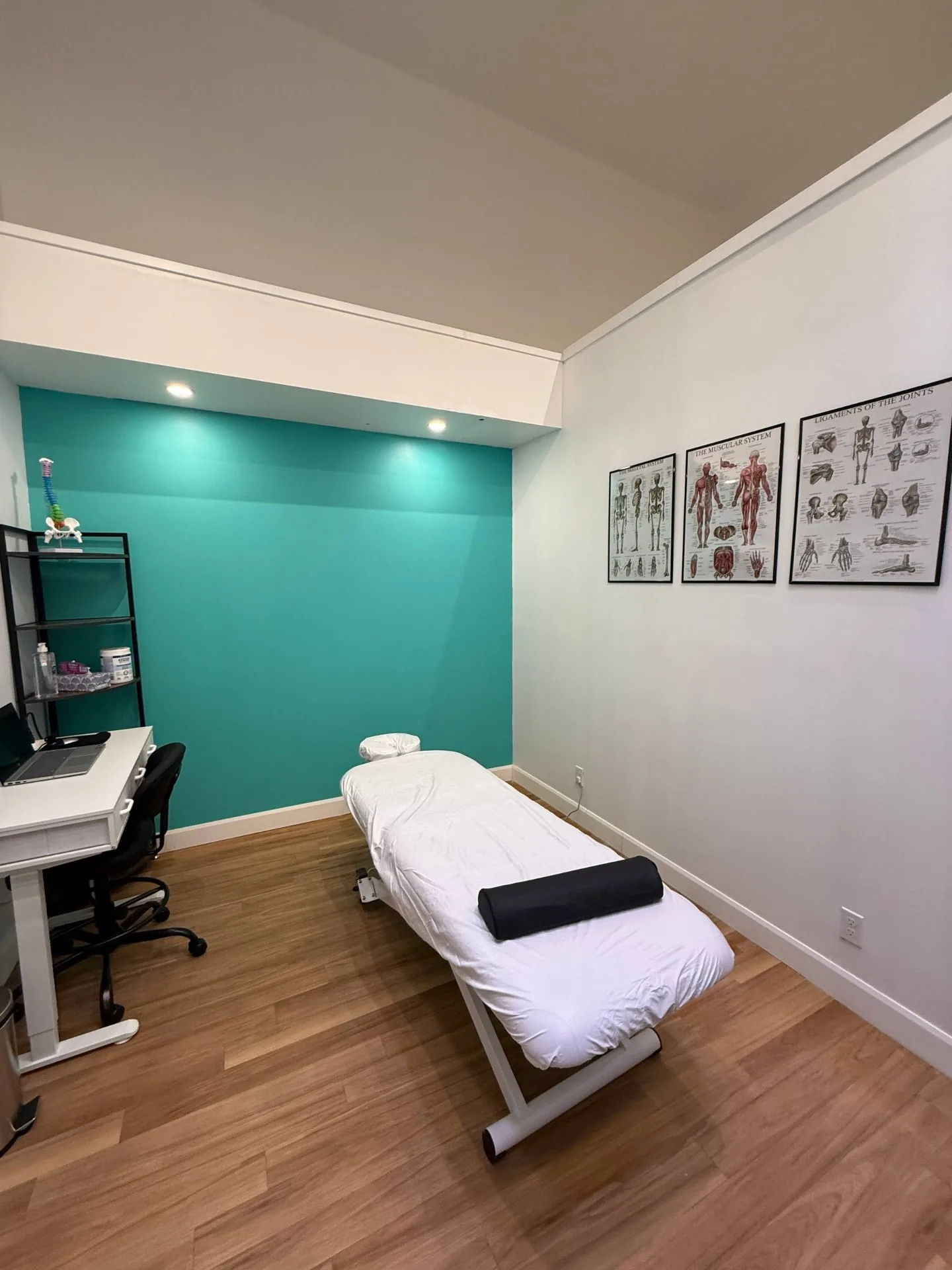
When Should You See an Osteopath? 10 Signs You Shouldn't Ignore
Persistent pain, morning stiffness, migraines? Discover 10 signs indicating you should see an osteopath in Montreal.
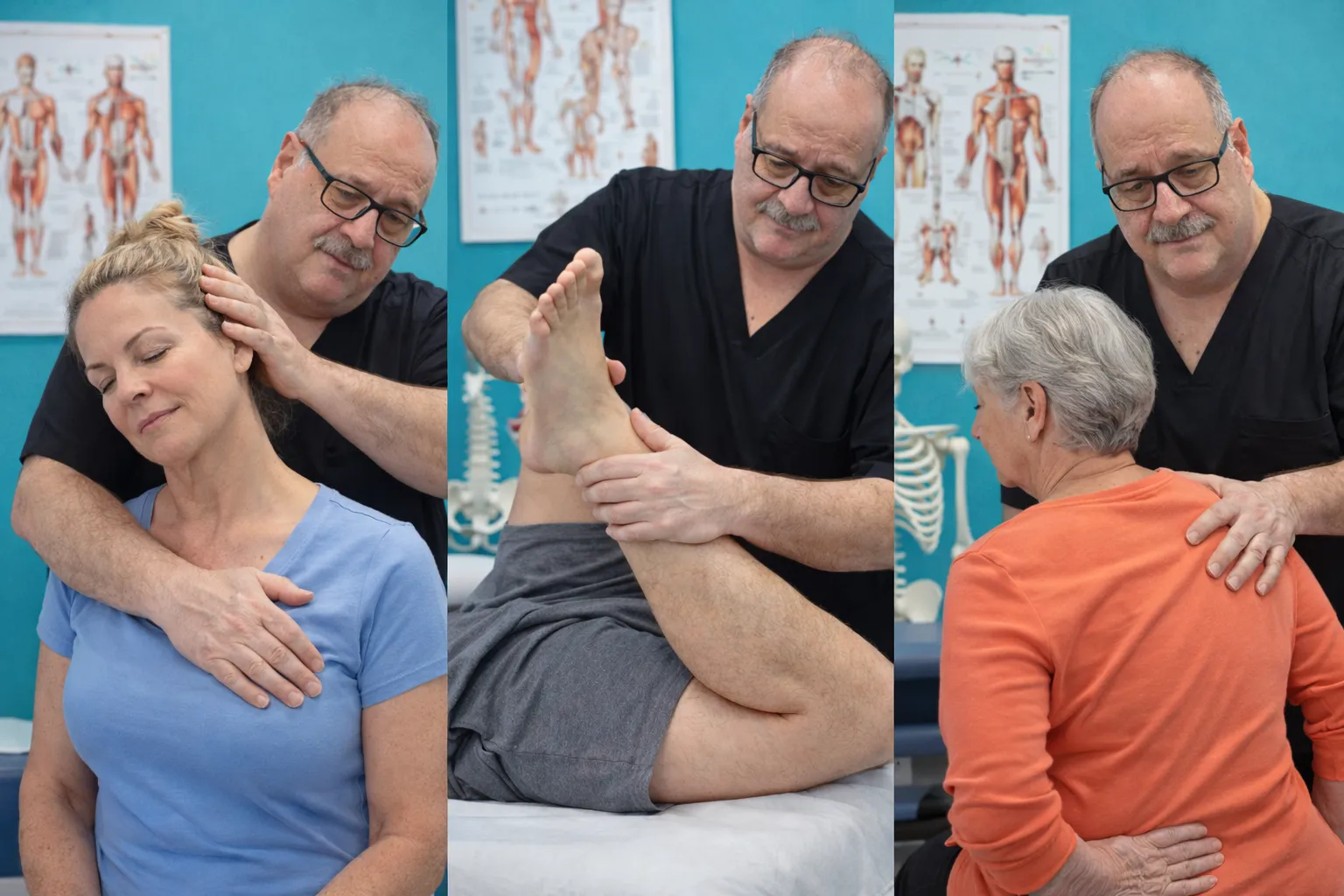
What Does an Osteopath Do? (And When Should You See One?)
Discover what an osteopath does, how it differs from physiotherapy and when to book a visit in Côte Saint-Luc, Montreal.
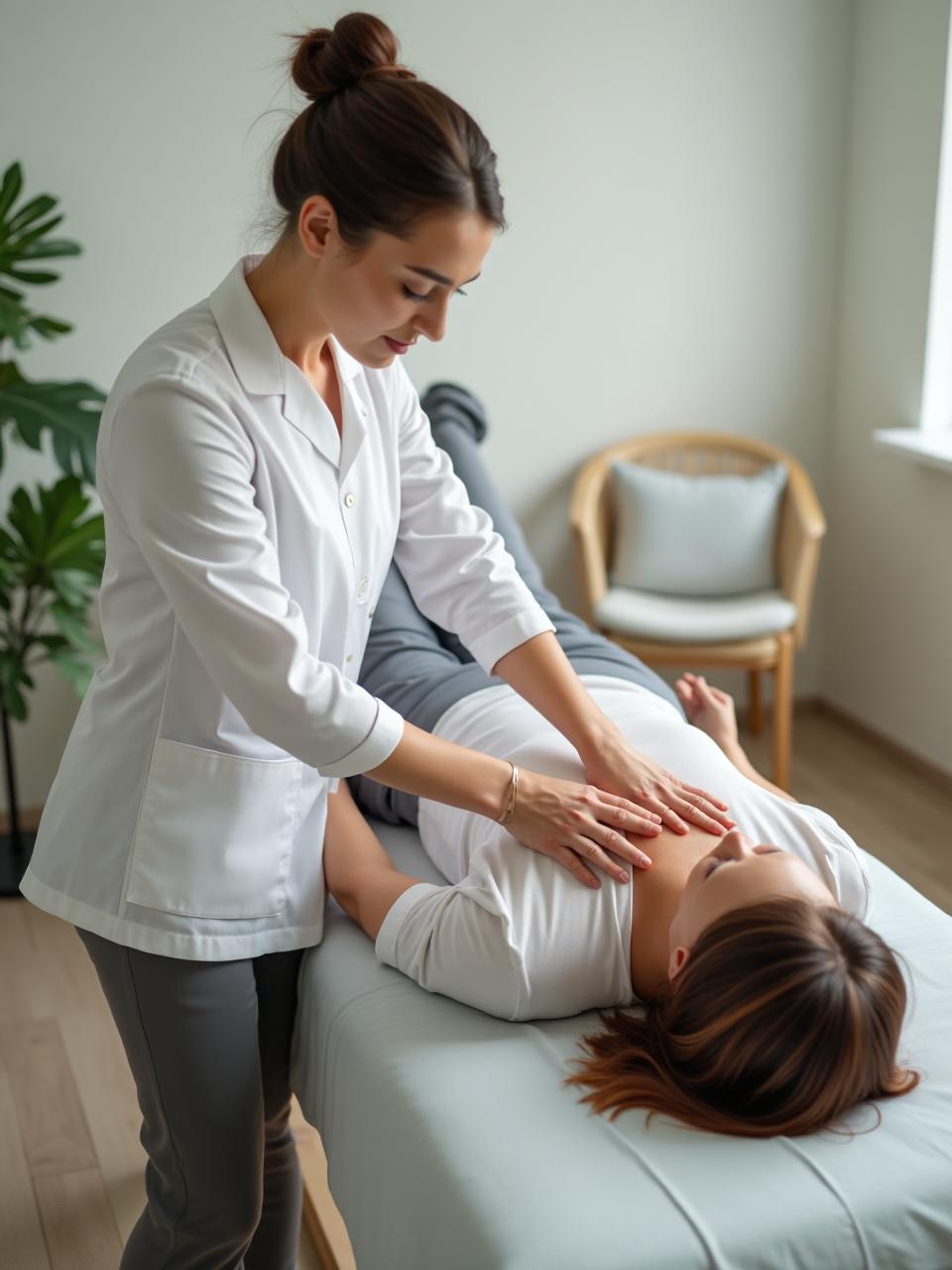
Best Treatment for Back Pain: How Osteopathy Provides Lasting Relief
Discover why osteopathy is considered one of the best treatments for back pain. Evidence-based manual therapy for chronic and acute back pain in Montreal.
Osteopathy and Neck Pain: How Visceral Osteopathy Treats the Neck Pain That Keeps Coming Back
Neck pain does not always come from the neck. The diaphragm, stomach, liver, pericardium and chest fascia can pull on the cervical spine through precise anatomical chains. Here is how visceral osteopathy fits into chronic neck pain care in Côte Saint-Luc.