
Knee Osteoarthritis: Should You Stop Walking and Exercising?
Contrary to popular belief, stopping physical activity is not the answer for knee osteoarthritis. Discover what the science says about load management and strengthening.
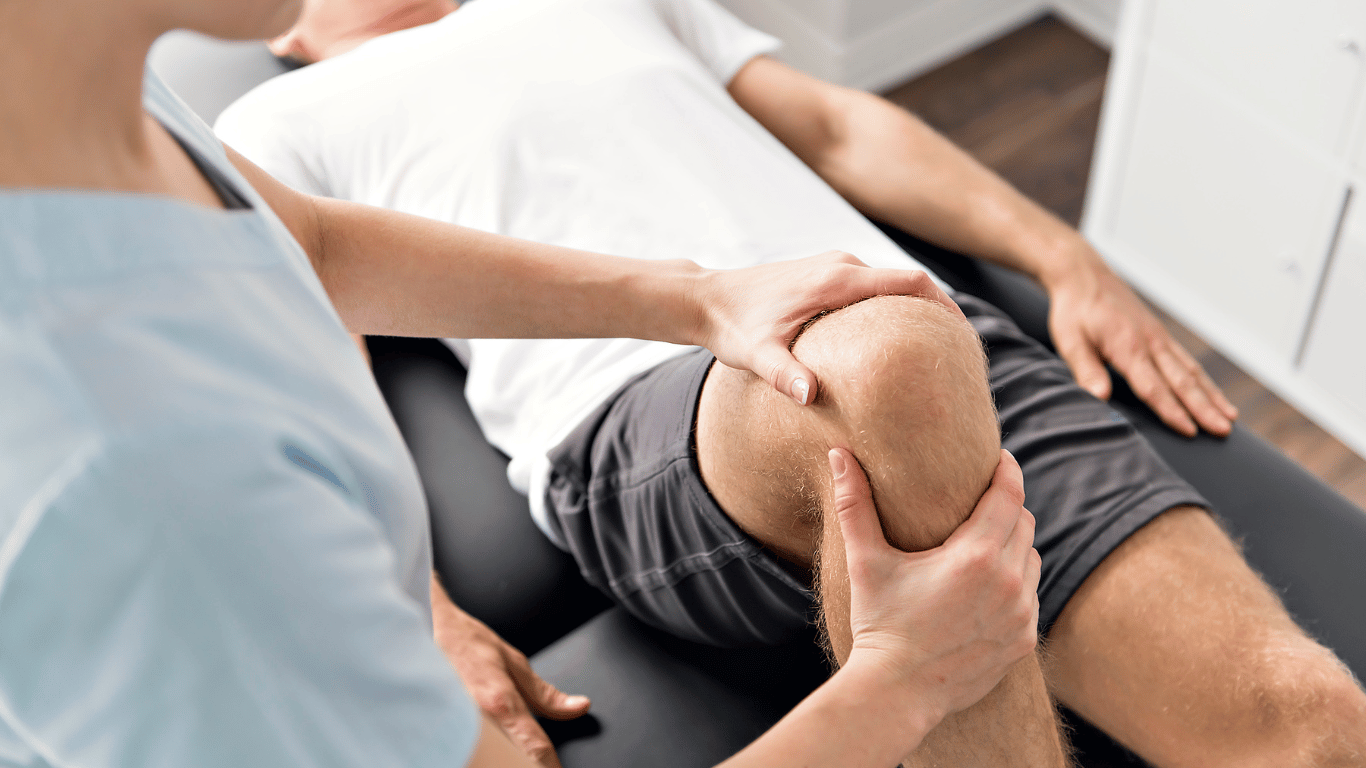
Knee osteoarthritis is one of the most common musculoskeletal conditions among adults over 45, and one of the most persistent myths surrounding it is that the joint should be "spared" by avoiding walking and exercise. While this belief is intuitive, it is now largely contradicted by scientific research. At Réhabital, a multidisciplinary clinic in Côte Saint-Luc, Montréal, we regularly meet patients who have drastically reduced their activities out of fear of worsening their osteoarthritis, when in fact this approach can make their situation worse in the long run.
In this article, we examine what the science actually says about knee osteoarthritis and exercise, and how an approach based on load management and strengthening can transform your quality of life.
What Is Knee Osteoarthritis?
Osteoarthritis is a degenerative condition affecting articular cartilage, the connective tissue that covers the ends of bones and allows smooth, friction-free movement. With osteoarthritis, this cartilage progressively thins, and the joint can develop inflammation, stiffness, and bone changes called osteophytes. The knee, as a major weight-bearing joint, is particularly susceptible to this condition.
It is important to understand that changes visible on an X-ray do not always correspond to the intensity of pain experienced. Some people with severe osteoarthritis on imaging feel little pain, while others with mild changes suffer significantly. This highlights the importance of a comprehensive functional assessment rather than relying solely on imaging.
The Myth of Rest
For decades, the traditional advice for osteoarthritis was to reduce physical activity to "protect" the damaged joint. However, major international clinical guidelines, including those from the Osteoarthritis Research Society International (OARSI) and the American College of Rheumatology, now recommend exercise as a first-line treatment for knee osteoarthritis, alongside weight management and patient education.
Prolonged rest leads to a cascade of negative effects: muscle atrophy, particularly of the quadriceps, decreased joint mobility, reduced cartilage nutrition (which depends on movement to receive nutrients through synovial fluid), and deterioration of overall cardiovascular fitness. Ironically, moving less can therefore make the joint even more vulnerable and painful.
Why Exercise Is Beneficial
Articular cartilage has no direct blood supply; it receives its nutrients through a process called diffusion, which is stimulated by movement and cyclic loading of the joint. Appropriate movement therefore helps nourish cartilage rather than wearing it out prematurely, contrary to popular belief.
Additionally, regular exercise strengthens the muscles surrounding the knee, particularly the quadriceps, hamstrings, and hip muscles. These muscles act as natural shock absorbers, taking on some of the forces that would otherwise be transmitted directly to the joint. A strong quadriceps is associated with significantly reduced pain and improved function in people with knee osteoarthritis.
The Concept of Load Management
Load management is a central principle in modern rehabilitation. It does not mean completely avoiding activity, nor pushing through pain indiscriminately, but rather finding the right balance where the joint and surrounding tissues are sufficiently stimulated to adapt and strengthen, without being overwhelmed to the point of causing excessive inflammation or symptom flare-ups.
In practice, this often means starting with low-impact activities, such as short-distance walking, stationary cycling, or swimming, then gradually increasing the duration, intensity, and complexity of exercises based on individual tolerance. A physiotherapist plays a key role in this process, assessing your current condition and adjusting the program over time.
How Much Pain Is Acceptable During Exercise?
A common question from our patients is: "Is it normal to feel a bit of pain during exercise?" Generally, clinicians use a simple scale: mild to moderate pain, up to about 3 or 4 on a scale of 10, that resolves within 24 hours of exercising is generally considered acceptable and does not indicate damage. However, sharp pain, pain that persists or worsens, or pain accompanied by significant swelling should be evaluated by a professional.
This distinction between expected discomfort and a warning sign is essential to allow patients to continue training with confidence, without excessive fear of "breaking" their joint.
The Role of Physiotherapy
A physiotherapist can play a decisive role in managing knee osteoarthritis. During the initial assessment, they will examine your muscle strength, range of motion, gait, and current activity habits. Based on this information, they will develop an individualized exercise program, including strengthening, stretching, and low-impact aerobic exercises.
Manual therapy can also be used to temporarily improve joint mobility and reduce pain, making it easier to participate in exercises. To learn more about our approach, visit our dedicated page on knee pain treatment or our article on arthritis treatment.
The Complementary Role of Osteopathy
Knee osteoarthritis often alters gait, which can lead to compensations at the hip, ankle, and even lower back. These compensatory patterns can create secondary tension and pain elsewhere in the body. Osteopathy can help identify and address these compensations, complementing an active exercise program. Learn more about our approach in osteopathy in Côte Saint-Luc.
The Importance of Body Weight
Body weight has a direct impact on the load applied to the knee during walking and other weight-bearing activities. Studies show that even a modest weight loss of around 5 to 10 percent of body weight can significantly reduce pain and improve function in people with knee osteoarthritis. An approach combining exercise and nutrition, potentially with the support of a naturopath, can be particularly beneficial. Explore our naturopathy services in Côte Saint-Luc.
Examples of Recommended Exercises
- Progressive walking: starting with short distances and gradually increasing based on tolerance.
- Quadriceps strengthening: exercises such as seated knee extensions or controlled mini-squats.
- Hip strengthening: hip abductions and glute bridges to improve lower limb stability.
- Stationary cycling: an excellent low-impact choice to maintain mobility and cardiovascular fitness.
- Pool exercises: the buoyancy of water reduces load on the knee while still allowing effective muscle work.
These exercises should ideally be introduced and supervised by a professional to ensure safe progression tailored to your specific condition.
When to See a Doctor
While exercise is generally safe and beneficial, certain signs require medical evaluation: sudden and significant swelling, inability to bear weight on the leg, signs of infection such as redness and fever, or pain that severely limits your activities despite adequate conservative care. These situations should be assessed before continuing an exercise program.
A Multidisciplinary Approach for Better Results
At Réhabital, we believe that an approach combining physiotherapy, osteopathy, and, when needed, naturopathy offers the best results for managing knee osteoarthritis. Rather than avoiding movement out of fear, we guide our patients toward safe, progressive physical activity tailored to their real needs. Also see our comparison article on physiotherapy versus massage therapy or our blog for more resources.
Our clinic is open Monday to Friday from 10:00 AM to 8:00 PM and Sunday from 10:00 AM to 4:00 PM (closed Saturday), and we accept private insurance as well as SAAQ claims. Visit our policies page or meet our team to learn more.
Differential Signs: Osteoarthritis or Something Else?
While osteoarthritis is a common cause of knee pain in older adults, it is helpful to distinguish signs that point toward a different diagnosis. Pain that appears suddenly after a specific trauma, accompanied by rapid swelling, points more toward a ligament or meniscus injury requiring separate assessment. Pain associated with mechanical locking, where the knee gets stuck in one position, may indicate a displaced meniscal fragment. Marked local warmth, redness, and fever suggest a possible infection or gout flare, which require urgent medical care rather than an exercise program. In contrast, typical osteoarthritis presents with short-lived morning stiffness, pain that gradually increases with prolonged activity and improves with a light warm-up, and a slow progression over months or years rather than a sudden event.
What a Session at Réhabital Looks Like
Your first visit for knee osteoarthritis begins with an in-depth discussion about the history of your pain, your daily activities, your current activity level, and your functional goals, whether that is resuming walking, gardening, or a sport. The physiotherapist then assesses your range of motion, quadriceps and hip muscle strength, gait, and overall lower limb stability. This assessment establishes an objective baseline to measure your progress over time. Treatment often combines manual therapy to temporarily improve joint mobility, progressive strengthening exercises tailored to your level, and practical advice on managing your daily activities. A precise dosing plan — how many repetitions, how often, with what progression — is provided so you can continue exercises confidently between visits.
Home Exercises and Self-Care
A basic home program typically includes seated knee extensions to target the quadriceps, controlled mini-squats against a wall or chair for safety, glute bridges to strengthen the hip and lower back muscles, and gentle hamstring and calf stretches to maintain flexibility. Progressive walking remains an essential pillar: start with short distances on flat terrain, then gradually increase duration before introducing more varied surfaces. Applying ice after exercise can help manage mild inflammation, while heat before activity can help warm up tissues. Wearing well-supported footwear is also recommended, particularly for longer neighbourhood walks.
Realistic Recovery Timelines
People who begin a structured strengthening and load management program often notice reduced pain within four to six weeks, although more significant functional gains, such as improved walking endurance or a better ability to climb stairs, usually develop over a period of three to six months. Since osteoarthritis is a chronic condition, the goal is not necessarily to eliminate pain entirely, but rather to manage it effectively to maintain a satisfying activity level long term. Consistency in exercise practice, even after reaching initial goals, is essential to preserve the benefits achieved.
Insurance Practicalities
Réhabital accepts private insurance for physiotherapy and osteopathy treatments related to knee osteoarthritis, as well as SAAQ claims when the condition results from a car accident. CNESST claims are not currently accepted. Since osteoarthritis treatment can require follow-up over several months, we recommend checking with your insurer for the maximum number of sessions covered per year and whether medical prescription renewals are required during treatment.
Local Context: Serving Côte Saint-Luc and Surrounding Areas
Our Côte Saint-Luc clinic serves an often older population, including many residents of Hampstead, Westmount, Notre-Dame-de-Grâce, Snowdon, and Montréal-Ouest, where knee osteoarthritis is a common concern given the area's demographics. Our easily accessible facilities and flexible schedule, including Sundays, facilitate the regular care needed to manage this chronic condition long term, without the burden of travelling downtown.
If you are living with knee osteoarthritis and wondering whether you should reduce your activities, do not make that decision alone. Book an appointment with our team in Côte Saint-Luc for a personalized assessment and a safe, effective exercise plan.
This article is provided for educational purposes only and does not replace medical consultation or professional assessment. If you experience severe or unusual symptoms, seek immediate medical attention.
Frequently asked questions
Go deeper with our dedicated physiotherapy pages
Physiotherapy pages with Colin Teghen Tamuton (OPPQ) in Côte Saint-Luc:
Related articles
Knee Osteoarthritis: What Physiotherapy Genuinely Changes, Step by Step
Pain, morning stiffness, difficult stairs: understanding knee osteoarthritis and the progressive physiotherapy plan we use at Réhabital in Côte Saint-Luc.
Knee Pain: How Osteopathy and Physiotherapy Treat It in Côte Saint-Luc
Knee that clicks, burns, locks or gives way? Learn how Réhabital's osteopaths and physiotherapists assess and treat knee pain — from osteoarthritis and patellofemoral syndrome to ligament sprains and tendinopathies.
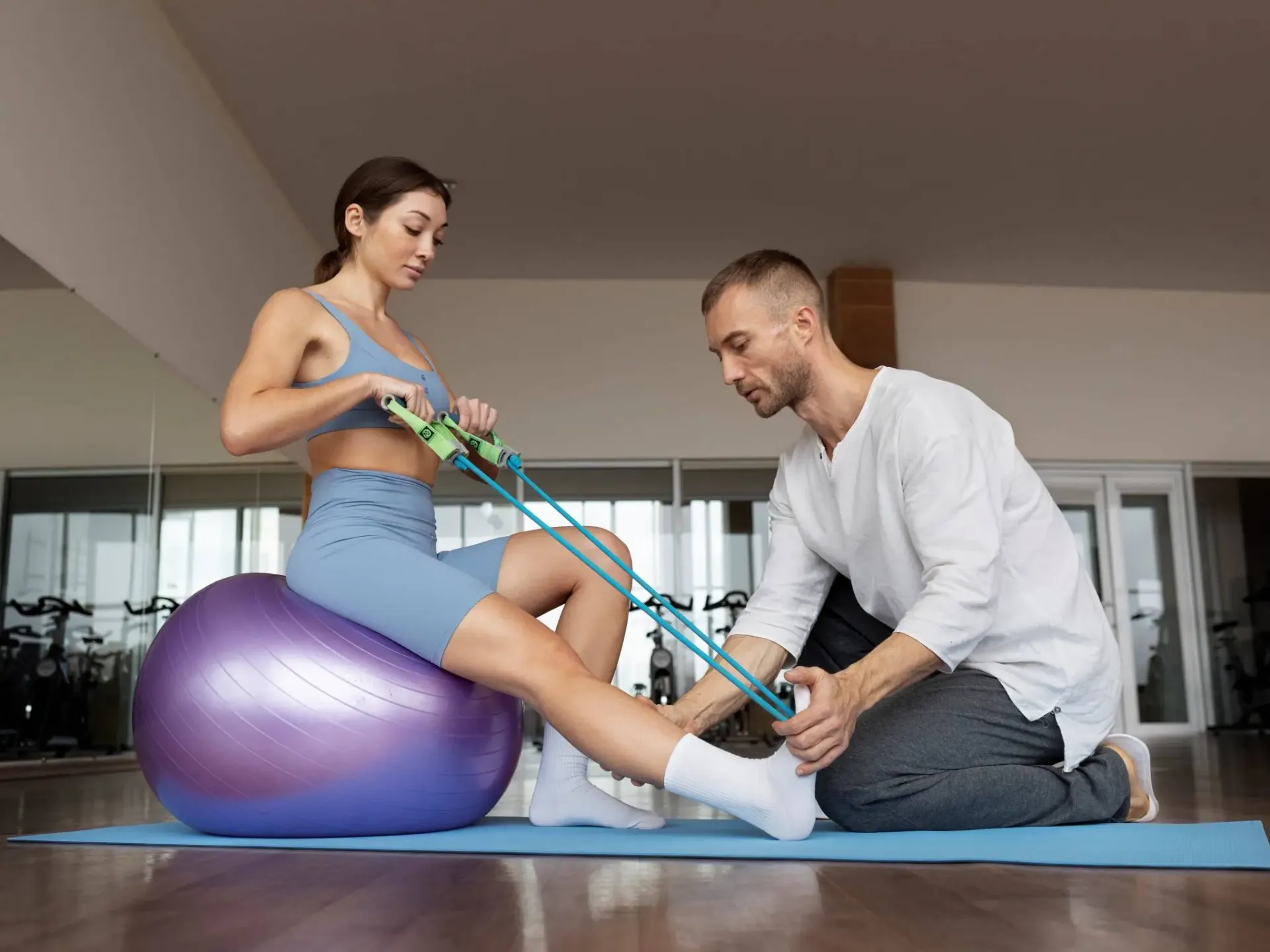
Returning to Walking, Running, the Gym and Lifting After Sciatica
Feeling better is not the same as being ready. Our physiotherapists lay out a staged return to walking, running, gym work and lifting, with simple rules for when to progress.
After a Knee or Hip Replacement: A Week-by-Week Rehabilitation Plan
The first six weeks decide your final range of motion. Here is what real rehabilitation after a total knee or hip replacement looks like with our physiotherapist, founding osteopath and massage therapists in Côte Saint-Luc.
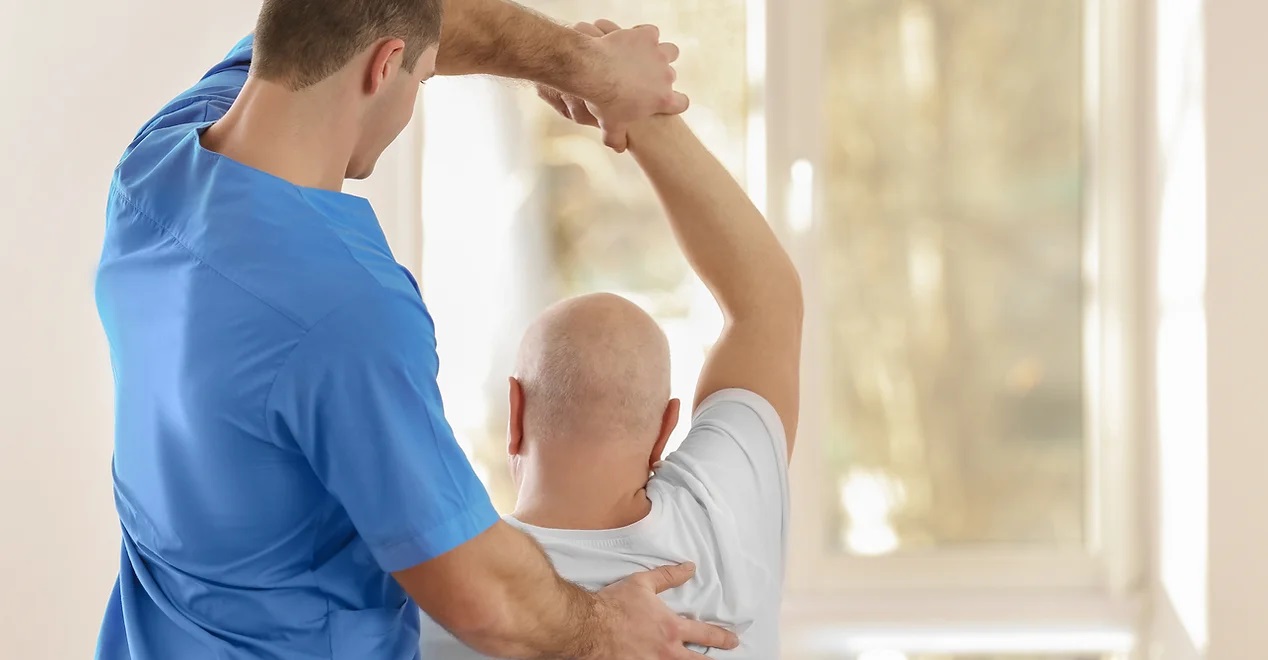
Frozen Shoulder: How Long Does It Last and Which Treatment Should You Choose?
Frozen shoulder (adhesive capsulitis) progresses through three distinct phases that can last one to three years. Learn the realistic timelines, risk factors, and treatment options from physiotherapy to surgery.
Running Injuries: The 7 Most Common Pains in Runners
Runner's knee, IT band syndrome, shin splints, Achilles tendinopathy and more: discover the 7 most common running injuries, their causes, and how to treat them effectively.