
Running Injuries: The 7 Most Common Pains in Runners
Runner's knee, IT band syndrome, shin splints, Achilles tendinopathy and more: discover the 7 most common running injuries, their causes, and how to treat them effectively.
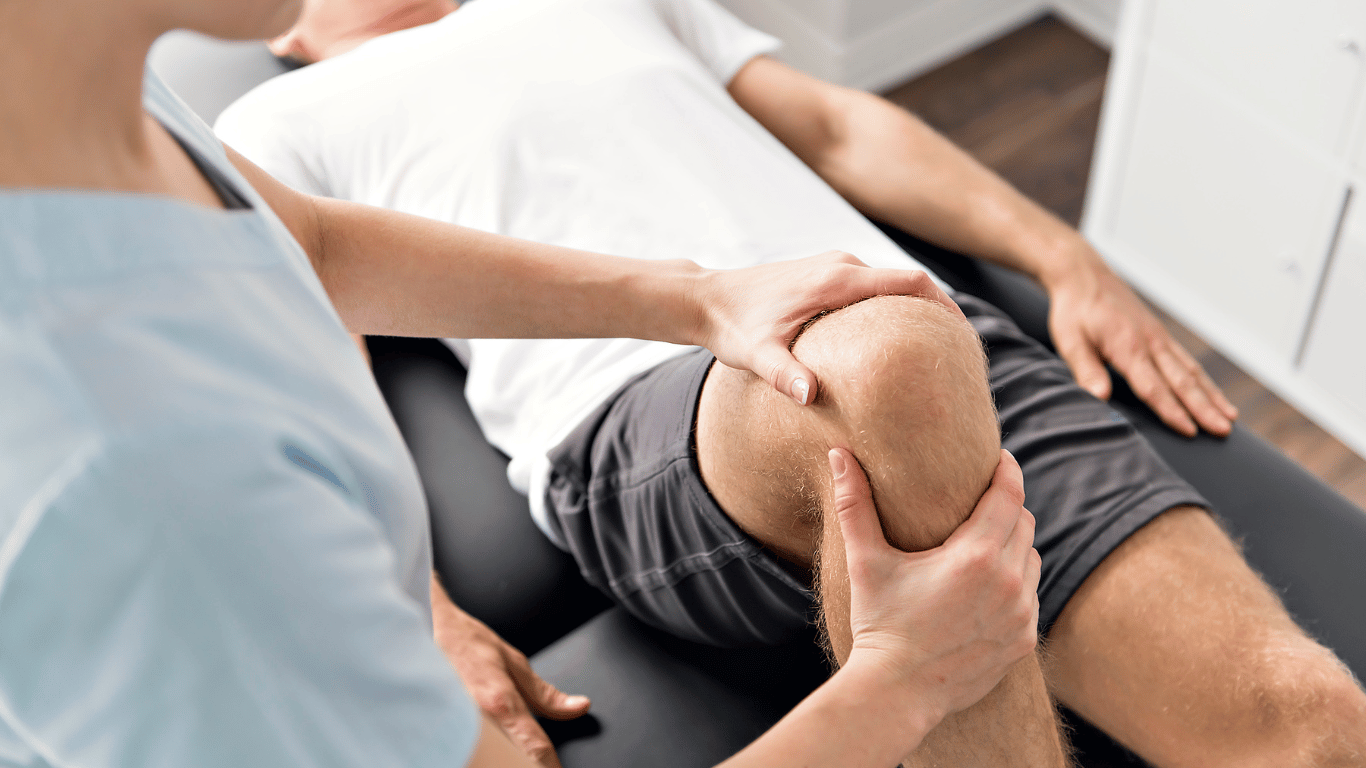
Running is one of the most accessible and popular physical activities in Montreal, but it comes with a high risk of overuse injuries. Whether you are a recreational jogger or an experienced marathoner, chances are you have already experienced one of the seven pains discussed in this article. Understanding their causes, symptoms, and treatment strategies can make the difference between a months-long forced break and a quick, safe return to training.
At Clinique Réhabital in Côte Saint-Luc, we regularly see runners of all levels suffering from overuse-related pain. In this article, we explore the seven most common injuries among runners, their distinguishing signs, and the therapeutic approaches that help resolve them.
1. Runner's Knee (Patellofemoral Pain Syndrome)
Runner's knee is arguably the most common running injury. It presents as diffuse pain around or behind the kneecap, often worsened by downhill running, prolonged sitting, or climbing stairs. This condition typically results from poor patellar tracking within its femoral groove, often caused by weakness of the hip and knee stabilizing muscles, particularly the gluteus medius.
Treatment focuses on strengthening the quadriceps and hip abductors, correcting biomechanical imbalances, and sometimes temporarily adjusting training volume. To learn more about condition-specific approaches, visit our page on knee pain treatment.
2. IT Band Syndrome
This band of connective tissue runs from the hip down to the shin, passing over the outside of the knee. In runners, repeated friction of this band against the outer femoral condyle can cause sharp, localized pain on the side of the knee, particularly noticeable after several kilometers of running or downhill.
Common causes include weak gluteal muscles, too rapid an increase in training volume, or suboptimal running biomechanics. Our page on IT band syndrome treatment details the most effective rehabilitation strategies, including hip strengthening and manual therapy techniques.
3. Shin Splints (Medial Tibial Stress Syndrome)
Shin splints are characterized by pain along the inner border of the shinbone, often felt at the start of a run and which may persist during exertion. It generally results from repeated overload on the tissues surrounding the tibia, often linked to too rapid an increase in training intensity or volume, poor running technique, or inadequate footwear.
It is important to distinguish shin splints from a stress fracture, which presents with similar symptoms but requires different management. Our team offers a thorough assessment on our page dedicated to shin splints treatment.
4. Achilles Tendinopathy
The Achilles tendon connects the calf muscle to the heel and bears considerable load with every stride. Achilles tendinopathy presents as pain and stiffness in the tendon area, often more pronounced in the morning or after a period of inactivity, and which may paradoxically decrease slightly during warm-up before returning after exertion.
This condition requires a progressive strengthening approach, particularly eccentric exercises which have demonstrated strong effectiveness in the scientific literature. For more details, see our page on Achilles tendinopathy treatment.
5. Plantar Fasciitis
Plantar fasciitis affects the plantar fascia, a band of tissue that supports the arch of the foot. It causes characteristic heel pain, particularly intense during the first steps in the morning. Although frequently associated with prolonged walking, this condition also affects many runners, particularly those with suboptimal foot biomechanics or high training volume.
Our page on plantar fasciitis treatment presents the most effective conservative approaches, including plantar fascia stretching, strengthening of intrinsic foot muscles, and the use of orthotics when needed.
6. Hamstring Strain
The hamstrings, located at the back of the thigh, are particularly engaged during the push-off phase of the running stride, especially during sprinting or fast running. A strain presents as sudden, sharp pain at the back of the thigh, sometimes accompanied by a popping sensation felt at the moment of injury.
Rehabilitation of a hamstring strain must be progressive and include specific eccentric strengthening, as the risk of recurrence is high if the return to running happens too quickly. A physiotherapy assessment helps determine the grade of the injury and establish a safe return-to-sport protocol.
7. Gluteal Tendinopathy (Hip Pain)
Tendinopathy of the gluteal tendons, particularly the gluteus medius, causes pain on the outer side of the hip. This pain is often worsened by lying on the affected side, sitting cross-legged, or climbing stairs. In runners, it is frequently linked to weakness of the pelvic stabilizing muscles and a biomechanical imbalance of the pelvis during running.
Treatment generally involves progressive strengthening of the gluteal muscles, temporary modification of aggravating activities, and sometimes manual therapy to improve hip mobility.
How Sports Physiotherapy Can Help
At our physiotherapy clinic in Montreal, our physiotherapists perform a comprehensive biomechanical assessment to identify the root causes of your pain, rather than simply treating symptoms. This assessment may include a gait analysis, an examination of muscle strength, flexibility, and joint mobility.
Treatment often combines several approaches: manual therapy, targeted strengthening exercises, education on training load management, and sometimes footwear recommendations. In some cases, a complementary osteopathy approach may also be beneficial in addressing joint mobility restrictions that contribute to the injury. To better understand the differences between these two approaches, check out our comparison of osteopathy versus physiotherapy.
Massage therapy can also play a complementary role in managing muscle tension and supporting recovery between training sessions. Our comparison of physiotherapy versus massage therapy can help you determine the most appropriate approach for your situation.
What a Session at Our Clinic Involves
During your first visit for a running injury, your physiotherapist begins with a detailed intake covering your training history: weekly mileage, running surfaces, recent shoe changes, whether hills or interval work are part of your program, and your racing goals (for example, an upcoming half-marathon). This step is essential, since many overuse injuries stem from a training load error rather than an isolated structural problem.
The physical assessment then includes specific strength testing (gluteus medius, quadriceps, calves), hip and ankle mobility testing, and an observation of your running pattern, ideally on a treadmill with video capture when relevant. Based on these findings, your physiotherapist develops an individualized treatment plan combining manual therapy, progressive strengthening exercises, and temporary adjustments to your training plan.
Load Management and Training Progression
Training load management is arguably the single most important factor in both preventing and treating running injuries. Too little load fails to sufficiently stimulate tissue adaptation, while excessive load exceeds the tissue's capacity to adapt. The goal of rehabilitation is therefore not simply to reduce pain, but to progressively restore the tissue's capacity to tolerate the demands of running.
In practical terms, after an initial pain-management phase, your physiotherapist will guide you through a structured, staged return-to-running program: brisk walking, walk-run intervals, continuous low-volume running, and then gradual reintroduction of intensity and varied surfaces. Each stage is only advanced once the previous one is tolerated without a significant increase in pain within 24 hours of activity.
Home Exercises
In addition to in-clinic sessions, a home exercise program is essential to speed up recovery. Depending on the identified injury, this program may include gluteus medius strengthening exercises (side planks, banded lateral walks), eccentric exercises for the Achilles tendon (single-leg calf raises with a slow lowering phase), plantar fascia stretches, or core strengthening to improve stability while running.
Consistency matters more than intensity: three to four short sessions per week generally produce better results than a single long, occasional session. Your physiotherapist will adjust this program as you progress at your follow-up appointments.
Realistic Recovery Timelines
Timelines vary considerably depending on the injury and its severity. Mild shin splints or early-stage runner's knee may improve within 2 to 4 weeks with proper load modification, while a chronic Achilles tendinopathy or an IT band syndrome established over several months may require 8 to 12 weeks or more of structured rehabilitation. Patience and consistency in following the treatment plan are often the most decisive factors in long-term success.
Serving Runners Across the Region
Our Côte Saint-Luc clinic regularly welcomes runners from Hampstead, Notre-Dame-de-Grâce, Westmount, Snowdon, and Montréal-Ouest, who train along the Lachine Canal, at Angrignon Park, or on the trails of Mount Royal. We understand the particularities of these routes (varied surfaces, elevation changes, winter conditions) and factor this reality into our return-to-running recommendations.
Preventing Running Injuries
Prevention relies on several simple but often overlooked principles: gradually progressing training volume and intensity, incorporating regular strength training, particularly for the hips and core, wearing shoes suited to your body mechanics, and listening to the signals from your body. Ignoring persistent pain in the hope that it will resolve on its own is one of the most common mistakes among runners.
For more tips on preventing sports injuries, see our page on sports injury treatment as well as our blog, where we regularly publish educational content on musculoskeletal health.
When to See a Professional
It is recommended to seek prompt evaluation if your pain persists beyond a few days of rest, if it progressively worsens with training, if it alters your running technique, or if it is accompanied by warning signs such as significant swelling, visible deformity, inability to bear weight on the affected limb, or intense and constant nighttime pain. These signals require prompt medical evaluation to rule out more serious conditions such as a stress fracture.
Our multidisciplinary team, which you can discover on our team page, is here to support you at every stage of your recovery, with flexible hours Monday to Friday from 10:00 AM to 8:00 PM and Sunday from 10:00 AM to 4:00 PM (closed Saturday).
Book an appointment today with one of our physiotherapists in Côte Saint-Luc for a comprehensive assessment of your running injury and get back to enjoying pain-free running. We accept most private insurance plans as well as SAAQ claims (we do not accept CNESST claims). Please also see our policies page for more information about our services.
This article is provided for informational purposes only and does not replace a medical consultation or a personalized professional assessment. No diagnosis can be made online. If you experience warning signs such as intense pain, deformity, inability to move the affected limb, or persistent nighttime pain, seek immediate medical attention.
Frequently asked questions
Go deeper with our dedicated physiotherapy pages
Physiotherapy pages with Colin Teghen Tamuton (OPPQ) in Côte Saint-Luc:
Related articles

Physiotherapy for Knee Pain, Sports Injuries & Post-Surgery Recovery in Montreal
How physiotherapy treats knee pain, ACL injuries, frozen shoulder and post-surgical recovery. Evidence-based rehabilitation protocols at our Montreal clinic.
Knee Pain: How Osteopathy and Physiotherapy Treat It in Côte Saint-Luc
Knee that clicks, burns, locks or gives way? Learn how Réhabital's osteopaths and physiotherapists assess and treat knee pain — from osteoarthritis and patellofemoral syndrome to ligament sprains and tendinopathies.
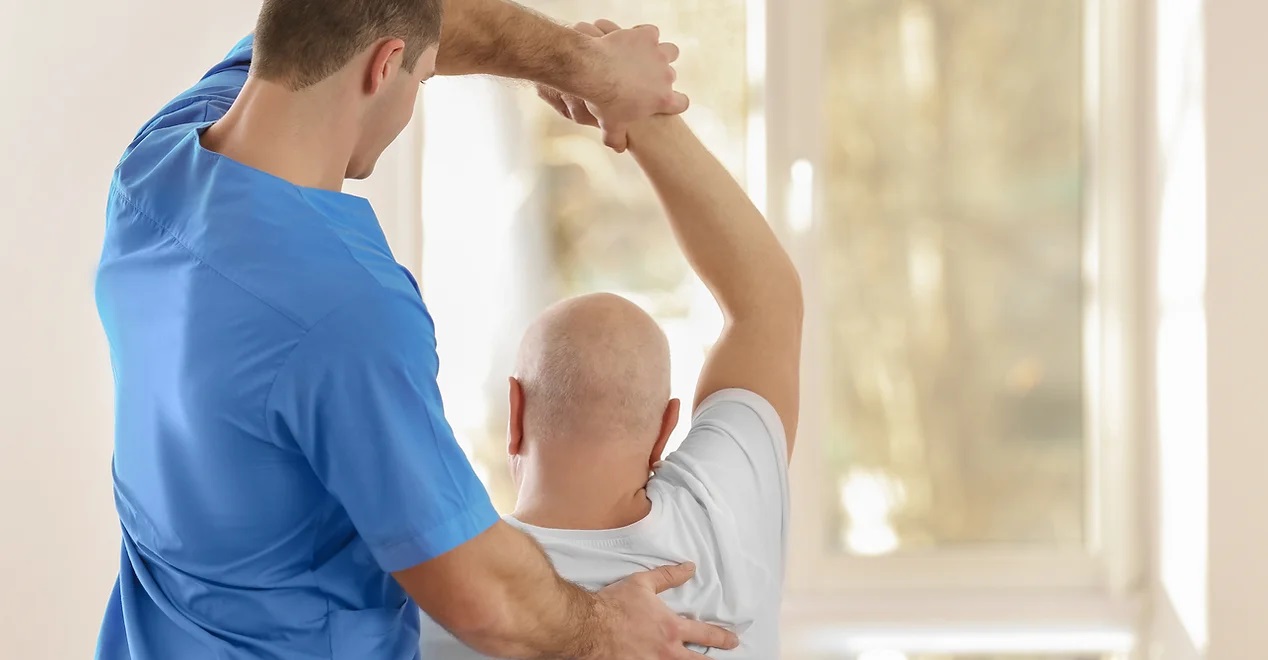
Shoulder Pain: How Physiotherapy Treats Rotator Cuff Injuries and Frozen Shoulder
A shoulder that hurts at night, catches when you lift your arm, or loses range month after month is almost never simple unavoidable wear. Here is how a structured physiotherapy plan restores strength and range in Côte Saint-Luc.
Plantar Fasciitis and Heel Pain: Why the Problem Does Not Always Start in the Foot
Morning heel pain is not always a simple local issue. Learn how the hip, calf and gait pattern influence healing and recovery timelines.
Knee Osteoarthritis: Should You Stop Walking and Exercising?
Contrary to popular belief, stopping physical activity is not the answer for knee osteoarthritis. Discover what the science says about load management and strengthening.
Rehabilitation After Hip or Knee Replacement: What to Expect Week by Week
A week-by-week guide to recovery after hip or knee replacement surgery, from first steps to returning to full activity.