
Knee Pain: How Osteopathy and Physiotherapy Treat It in Côte Saint-Luc
Knee that clicks, burns, locks or gives way? Learn how Réhabital's osteopaths and physiotherapists assess and treat knee pain — from osteoarthritis and patellofemoral syndrome to ligament sprains and tendinopathies.
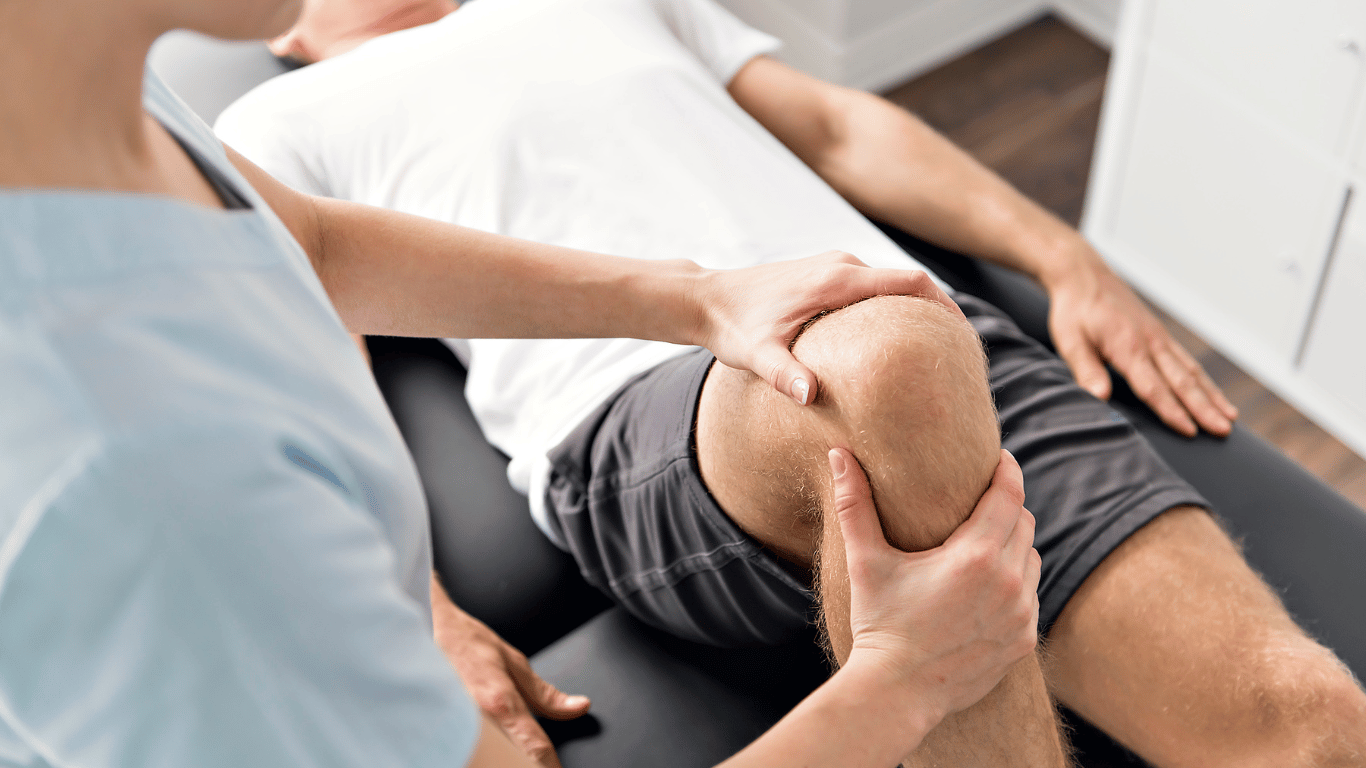
Knee Pain Is Rarely Just About the Knee
The knee is the largest and one of the most loaded joints in the human body — but in our Côte Saint-Luc clinic, it is almost never the true origin of the problem. In most patients we see, knee pain is the symptom of something happening above (the hip and pelvis), below (the foot and ankle) or around (the muscles, tendons and fascia that stabilize the joint). This is why treating only the knee often fails, and why the combined approach of osteopathy and physiotherapy at Réhabital delivers such consistent results.
Whether your pain shows up climbing stairs, after a long run, when you kneel on the floor to play with your kids, or the morning after gardening — this guide explains what is likely happening inside your knee, how our team investigates it and how we build a plan to get you moving again.
A Quick Anatomy Refresher
Your knee is made of three bones (femur, tibia, patella), two menisci (shock-absorbing cartilage discs), four main ligaments (ACL, PCL, MCL, LCL), a joint capsule, synovial fluid and a dense network of tendons and fascia. Every step you take loads the joint with 1.5-3× your body weight; running or descending stairs pushes that to 5-7×. Small alignment problems become big pain problems very quickly.
The Most Common Knee Problems We Treat
1. Patellofemoral Pain Syndrome (PFPS)
Also called “runner's knee.” A diffuse ache around or behind the kneecap that worsens with squats, stairs, running or long sitting (“theater sign”). Almost always linked to weak glutes, tight quads and poor kneecap tracking.
2. Knee Osteoarthritis
Progressive cartilage wear, typically after 45-50. Presents as morning stiffness (under 30 minutes), pain that worsens with activity and improves with rest, occasional swelling and crepitus. Manual therapy and strengthening are first-line, evidence-based care — long before surgery.
3. Patellar or Quadriceps Tendinopathy
“Jumper's knee.” Sharp, localized pain at the bottom (patellar) or top (quadriceps) of the kneecap, worst with jumping, deep squats or explosive sport. Responds beautifully to progressive loading — one of physiotherapy's biggest wins.
4. IT Band Syndrome
Sharp pain on the outside of the knee, common in runners and cyclists. Almost always a hip stability problem, not a “tight IT band” problem.
5. Meniscus Irritation and Small Tears
Deep, localized pain often on the inside of the knee, sometimes with clicking or a sensation of catching. Many degenerative meniscus tears respond very well to conservative care and don't require surgery.
6. Ligament Sprains (MCL, ACL, LCL, PCL)
Sudden pain after a twist, tackle or fall. Grade I sprains recover with rehab; higher grades may need imaging and surgical opinion. Post-op rehab is one of our specialties.
How Osteopathy Approaches the Knee
Osteopathy sees the knee as a hinge caught between two mobile giants: the hip above and the ankle below. When either one loses mobility, the knee pays the price. A typical osteopathic session at Réhabital includes:
- Global postural assessment — how you stand, walk and load each leg.
- Pelvic and sacroiliac balancing — a rotated pelvis changes knee tracking with every step.
- Ankle and foot mobilization — restricted dorsiflexion is a huge, silent driver of knee pain.
- Myofascial release around the patella, quadriceps, hamstrings, IT band and popliteal fossa.
- Gentle joint mobilization of the tibiofemoral and patellofemoral joints to restore glide and reduce compression.
- Visceral techniques when abdominal or diaphragmatic restrictions pull on the psoas and pelvis (yes, this affects the knee).
Patients often describe a session as “light and gentle” — but leave the clinic walking more freely and with less kneecap grinding on stairs.
How Physiotherapy Approaches the Knee
Physiotherapy at Réhabital combines manual therapy with progressive, measurable rehabilitation. Your first visit includes a full biomechanical evaluation: range of motion, strength testing (quads, glutes, hamstrings), single-leg control, gait analysis and functional testing (squat, step-down, hop when appropriate).
Your treatment plan will typically combine:
- Manual therapy and soft-tissue mobilization to reduce pain and restore joint play.
- Therapeutic ultrasound or laser for tendinopathies and inflammatory flares.
- Taping (McConnell or kinesiology) to unload the patella during rehab.
- Progressive strengthening — isometric → concentric → eccentric → dynamic — with a heavy focus on the glutes, quadriceps and posterior chain.
- Neuromuscular re-education and balance work for single-leg control.
- Return-to-sport testing for runners, cyclists, hockey and soccer players.
Why Combining Osteopathy and Physiotherapy Works So Well
Osteopathy resets the terrain: it releases the fascial and joint restrictions that keep pulling the knee out of alignment. Physiotherapy then reloads and rebuilds the system so the improvements last. Trying to strengthen a knee whose hip and ankle are stuck rarely works. Trying to release the knee without rebuilding the muscles that protect it rarely lasts. Together, they cover both sides of the equation.
A common Réhabital protocol looks like this:
- Week 1: Osteopathy assessment + first release. Physiotherapy assessment 3-4 days later.
- Weeks 2-4: Weekly physiotherapy with progressive exercise, alternating with osteopathy every 10-14 days.
- Weeks 5-8: Physiotherapy every 1-2 weeks, osteopathy monthly, home program 3-4× per week.
- Beyond: Maintenance visits every 4-6 weeks as needed and a clear return-to-activity plan.
What You Can Do at Home — Starting Today
- Glute bridges — 3 × 15, daily. Fix the hip, save the knee.
- Wall sit isometrics — 3 × 30-45 s. Excellent for patellofemoral pain and tendinopathy.
- Ankle mobility drill — knee-to-wall stretch, 3 × 10 per side.
- Quad foam rolling — 60-90 s per side before activity.
- Walk daily — 20-30 minutes on flat ground is medicine for arthritis and cartilage nutrition.
- Stay hydrated — cartilage and fascia are mostly water.
Avoid deep, painful squats and high-impact sport during flare-ups, but do not stop moving — immobility is worse for a knee than well-dosed activity.
When to Book an Assessment
If any of the following apply, don't wait:
- Pain that has lasted more than 2-3 weeks.
- Swelling, locking or a sensation of giving way.
- Stairs, kneeling or squatting have become difficult.
- You are recovering from knee surgery (ACL, meniscus, TKR).
- You want to return to running, hockey, soccer or the gym safely.
Insurance & Booking
Réhabital accepts private extended health insurance and SAAQ (auto accidents, when authorized). We do not accept CNESST files — if your knee injury is a workplace claim, we will refer you to a CNESST-affiliated centre.
Book online via Jane App on rehabital.ca or call 438-842-3550. Our osteopathy and physiotherapy team serves Côte Saint-Luc, Hampstead, NDG, Snowdon, Westmount, Montreal West and the wider West End of Montreal.
Frequently asked questions
Go deeper with our dedicated physiotherapy pages
Physiotherapy pages with Colin Teghen Tamuton (OPPQ) in Côte Saint-Luc:
Related articles
Shoulder Pain: How Physiotherapy Treats Rotator Cuff Injuries and Frozen Shoulder
A shoulder that hurts at night, catches when you lift your arm, or loses range month after month is almost never simple unavoidable wear. Here is how a structured physiotherapy plan restores strength and range in Côte Saint-Luc.
Physiotherapy and Osteopathy Combined: Why Réhabital Integrates Both in Every Treatment Plan
In Côte Saint-Luc, our difference is not simply offering physiotherapy and osteopathy side by side — we combine them inside one personalized treatment plan. Here is how this integration accelerates recovery and who benefits the most.
Knee Osteoarthritis: What Physiotherapy Genuinely Changes, Step by Step
Pain, morning stiffness, difficult stairs: understanding knee osteoarthritis and the progressive physiotherapy plan we use at Réhabital in Côte Saint-Luc.
Physiotherapy for Knee Pain, Sports Injuries & Post-Surgery Recovery in Montreal
How physiotherapy treats knee pain, ACL injuries, frozen shoulder and post-surgical recovery. Evidence-based rehabilitation protocols at our Montreal clinic.
Running Injuries: The 7 Most Common Pains in Runners
Runner's knee, IT band syndrome, shin splints, Achilles tendinopathy and more: discover the 7 most common running injuries, their causes, and how to treat them effectively.
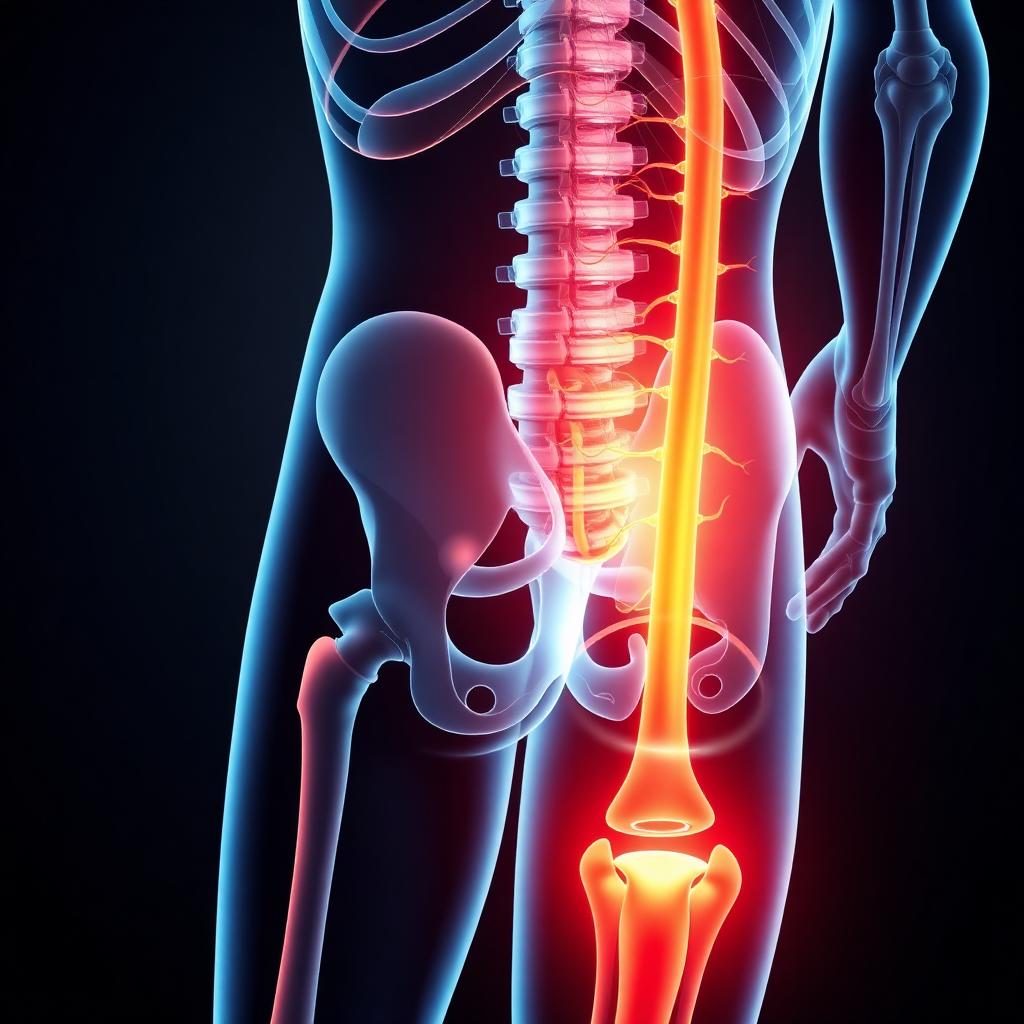
Herniated Disc, Sciatica or Piriformis Syndrome: How to Tell Them Apart
Pain shooting down your leg? It is not always “sciatica.” Learn how to tell a herniated disc, a true radicular sciatica and a piriformis syndrome apart — and how osteopathy and physiotherapy at Réhabital in Côte Saint-Luc treat each one differently.