
Frozen Shoulder: Physiotherapy and Massage Therapy to Restore Full Mobility
Stuck, painful shoulder? Discover the combined physiotherapy + massage protocol at Réhabital in Côte Saint-Luc to beat frozen shoulder.
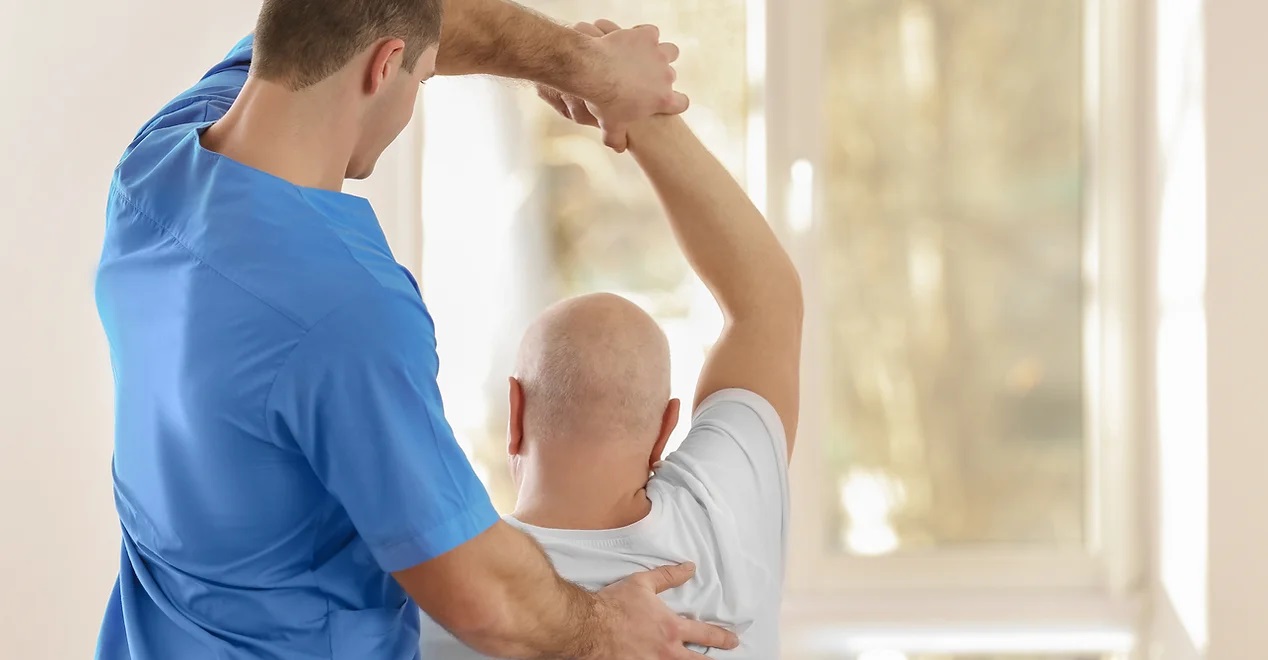
Adhesive capsulitis, better known as frozen shoulder, affects 2 to 5 % of the general population, with a strong predilection for women aged 40 to 60, people with diabetes and those who had to immobilize an arm after injury or surgery. The joint capsule — the fibrous envelope around the humeral head — becomes inflamed, thickens, then progressively retracts, locking the shoulder in every direction. Without proper treatment, the natural course stretches over 18 to 30 months and often leaves lasting stiffness. At Réhabital in Côte Saint-Luc, a combined physiotherapy + massage therapy protocol clearly accelerates recovery and preserves long-term function.
1. Recognizing the three phases
• Phase 1 — Painful freezing (2 to 9 months): pain dominates, especially at night; mobility starts to shrink.
• Phase 2 — Frozen (4 to 12 months): pain eases but stiffness becomes major; simple gestures (fastening a bra, reaching a back pocket, washing your back) become impossible.
• Phase 3 — Thawing (5 to 24 months): mobility slowly returns, often incompletely without rehab.
Identifying the phase is essential: the treatment strategy changes completely.
2. Why does the capsule retract?
The exact mechanism remains unclear, but four factors are strongly associated: diabetes (3–4× risk), thyroid dysfunction, prolonged immobilization after fracture, breast surgery or stroke, and a major emotional shock. The initial inflammation triggers collagen and myofibroblast proliferation that “welds” the folds of the capsule together.
3. The physiotherapy assessment
Your physiotherapist measures active and passive range of motion in all three planes (elevation, external rotation, hand-behind-back internal rotation). The hallmark of frozen shoulder is a simultaneous active and passive limitation — unlike tendinopathy or subacromial impingement, where passive motion is preserved. Imaging is not required for diagnosis but may be ordered to rule out a rotator cuff tear.
4. Physiotherapy protocol during the freezing phase
During the painful phase, we never force: aggressive mobilization worsens inflammation and prolongs the disease. Instead, the physiotherapist uses:
• Grade I-II joint mobilizations (small, non-painful amplitude).
• Neurodynamic techniques to desensitize tissues.
• Heat before the session, ice after.
• Very gentle pendulum exercises at home.
• Coaching on sleeping positions that protect the shoulder.
5. Physiotherapy protocol during frozen / thawing phases
Once inflammation calms, treatment becomes more assertive:
• Grade III-IV mobilizations with posterior and inferior capsular stretching.
• Sustained end-range stretches (30 to 60 seconds).
• Progressive strengthening of the rotator cuff, deltoid and scapular stabilizers.
• Proprioceptive work and functional reintegration (dressing, driving, sport).
• Education on a lifelong daily maintenance program.
6. The key role of massage therapy
Massage therapy is a valuable ally throughout. It releases compensating muscles (upper trapezius, levator scapulae, rhomboids, pectorals), improves local circulation, calms the sympathetic nervous system and reduces inflammation via lymphatic stimulation. At Réhabital we favor:
• Deep therapeutic massage on the cervico-scapular chains.
• Manual lymphatic drainage during acute inflammation.
• Hot stone massage for deep relaxation in the frozen phase.
• Specific trigger-point work on the subscapularis — often overlooked, yet central to external rotation limitation.
7. How many sessions and over how long?
A typical protocol combines 1 physiotherapy session per week + 1 massage every 2 weeks for 3 to 4 months. Full recovery usually takes 6 to 12 months, versus 18 to 30 without a structured plan. Diligent patients (daily exercises + follow-up) recover 90–100 % of their range; those who drop out often keep a 15–25 % external rotation deficit.
8. What to absolutely avoid
• Forced or brutal mobilizations (self-inflicted or by an inexperienced therapist): they worsen inflammation.
• Sling immobilization beyond a few days: it accelerates retraction.
• Stopping exercises the moment pain decreases: stiffness returns fast.
• Self-diagnosis — other conditions (rotator cuff tear, glenohumeral arthritis) mimic frozen shoulder.
9. When to consider injection or surgery?
An ultrasound-guided intra-articular cortisone injection may be offered during the painful phase to accelerate entry into rehab. Arthroscopic capsulotomy or manipulation under anesthesia is reserved for cases that resist 9 to 12 months of well-conducted conservative care. In over 80 % of cases, physio + massage is enough.
10. Self-care factors that speed recovery
• Diabetes control: tighter glycemia reduces capsular thickening.
• Adequate sleep and stress management: chronic cortisol maintains inflammation.
• Anti-inflammatory diet (omega-3, turmeric, colorful vegetables, reduced sugar).
• Daily exercise — even 10 minutes a day beats one long weekly session.
11. Book your assessment in Côte Saint-Luc
Book online 24/7 on Jane App, call us at 438-842-3550, or visit the physiotherapy in Côte Saint-Luc page. Our team coordinates physiotherapy and massage under one roof at the Cavendish Mall (D4-5800 boulevard Cavendish). Free parking, bilingual French-English team.
Go deeper with our dedicated physiotherapy pages
Physiotherapy pages with Colin Teghen Tamuton (OPPQ) in Côte Saint-Luc:
Related articles
Frozen Shoulder: How Long Does It Last and Which Treatment Should You Choose?
Frozen shoulder (adhesive capsulitis) progresses through three distinct phases that can last one to three years. Learn the realistic timelines, risk factors, and treatment options from physiotherapy to surgery.
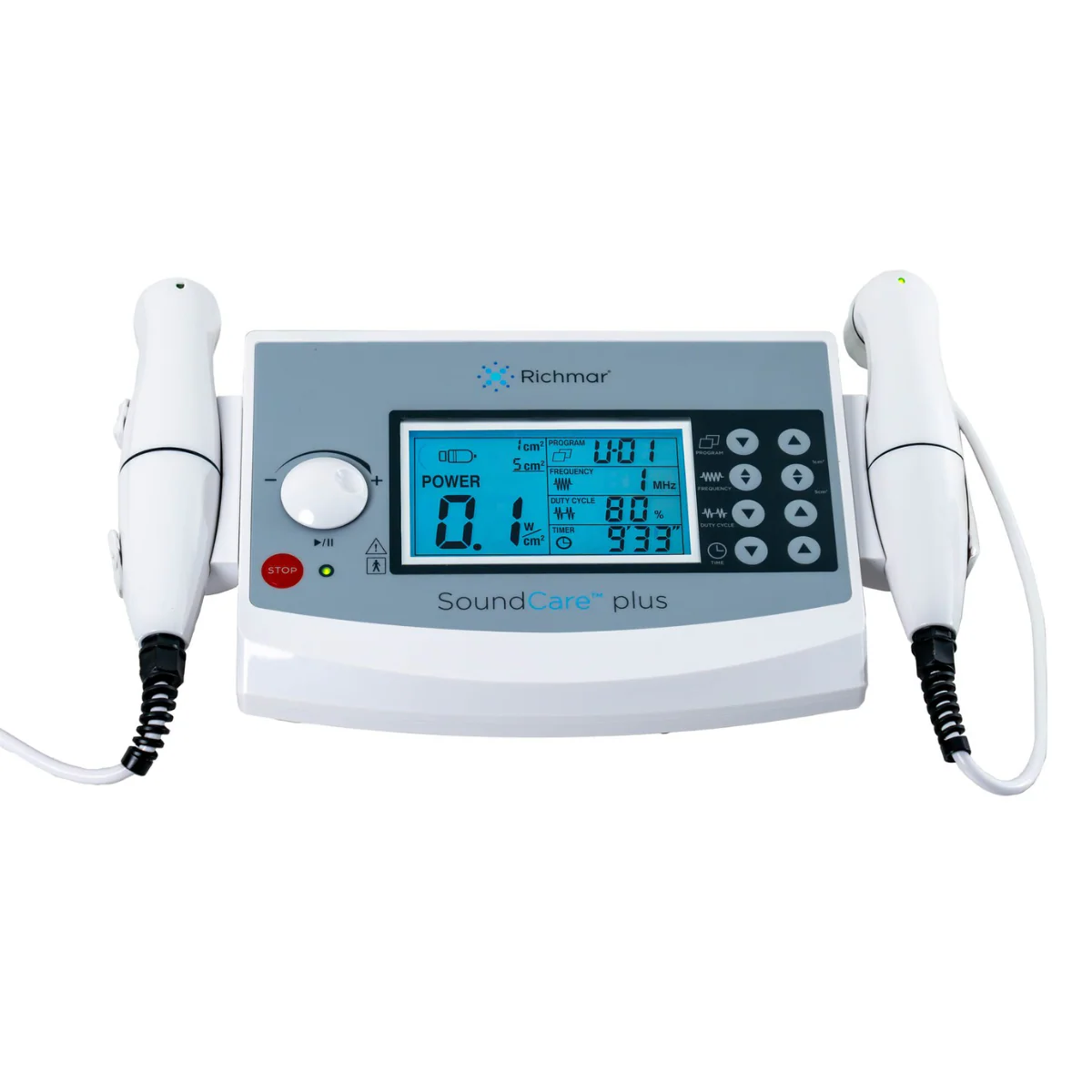
SoundCare Plus Therapeutic Ultrasound: How This Physiotherapy Device Speeds Up Healing in Côte Saint-Luc
Discover how the SoundCare Plus therapeutic ultrasound unit used at Réhabital in Côte Saint-Luc reduces pain, dissolves adhesions and speeds up tissue healing — a complete patient guide.
Shoulder Pain: How Physiotherapy Treats Rotator Cuff Injuries and Frozen Shoulder
A shoulder that hurts at night, catches when you lift your arm, or loses range month after month is almost never simple unavoidable wear. Here is how a structured physiotherapy plan restores strength and range in Côte Saint-Luc.
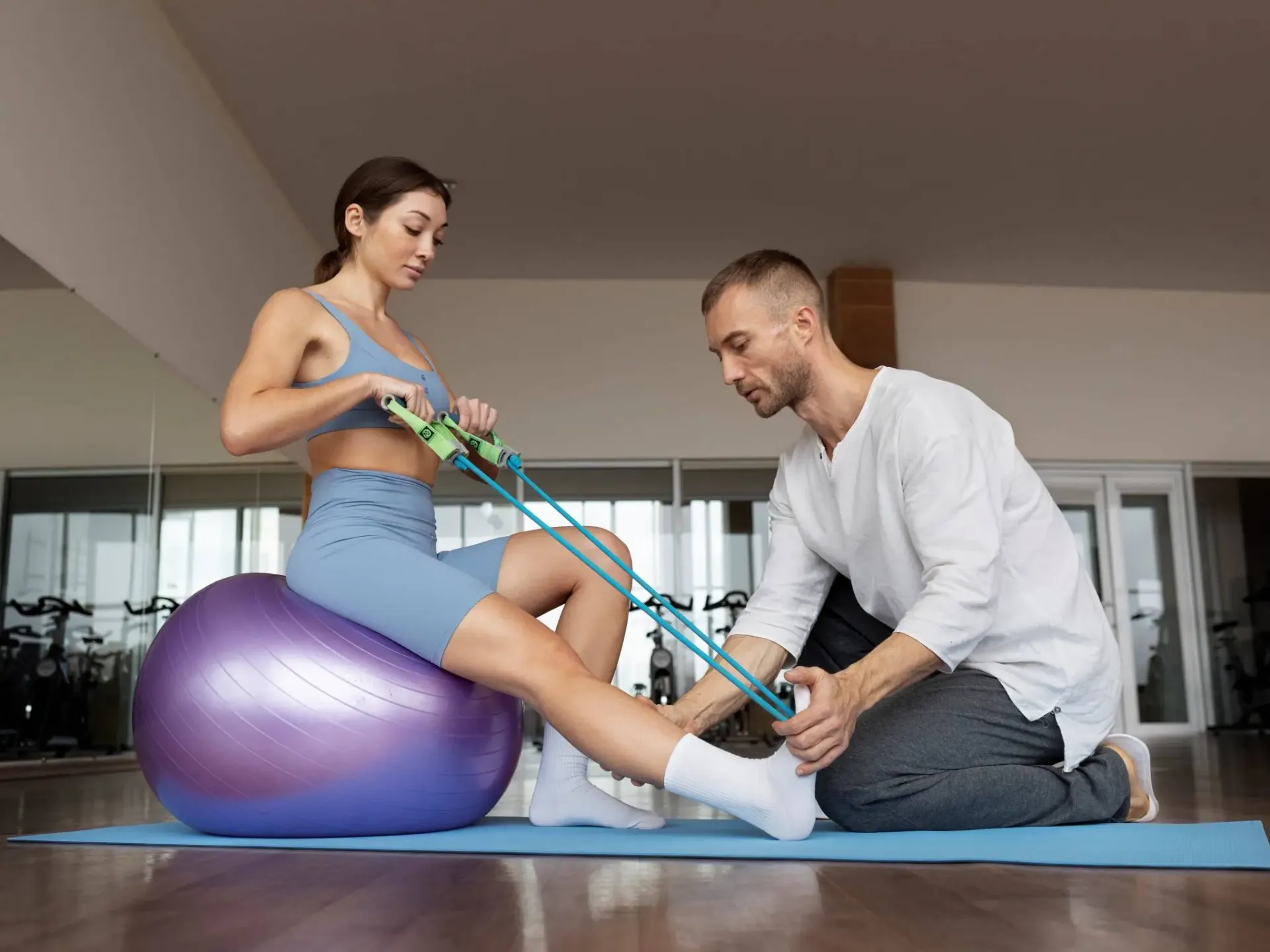
Physiotherapy in Côte Saint-Luc: regain mobility, strength and quality of life
How a structured physiotherapy plan — assessment, manual therapy, targeted exercises and education — accelerates recovery at Réhabital in Côte Saint-Luc.
Vestibular Rehabilitation Therapy (VRT) in Physiotherapy in Côte Saint-Luc: Vertigo, Imbalance and Getting Your Life Back
Vestibular rehabilitation is a customized exercise program that retrains the brain's balance system after BPPV, vestibular neuritis, concussion or PPPD. Here is how we deliver it in physiotherapy at Réhabital, Côte Saint-Luc.
From Walker to Walking on Your Own: Which Osteopathy Techniques Help Restore Independent Mobility
You or a loved one uses a walker because of pain, weakness or instability? Discover the osteopathy techniques — combined with physiotherapy — that help step-by-step to reduce dependence on the walker and safely restore independent walking, in Côte Saint-Luc.