
Physiotherapy in Côte Saint-Luc: regain mobility, strength and quality of life
How a structured physiotherapy plan — assessment, manual therapy, targeted exercises and education — accelerates recovery at Réhabital in Côte Saint-Luc.
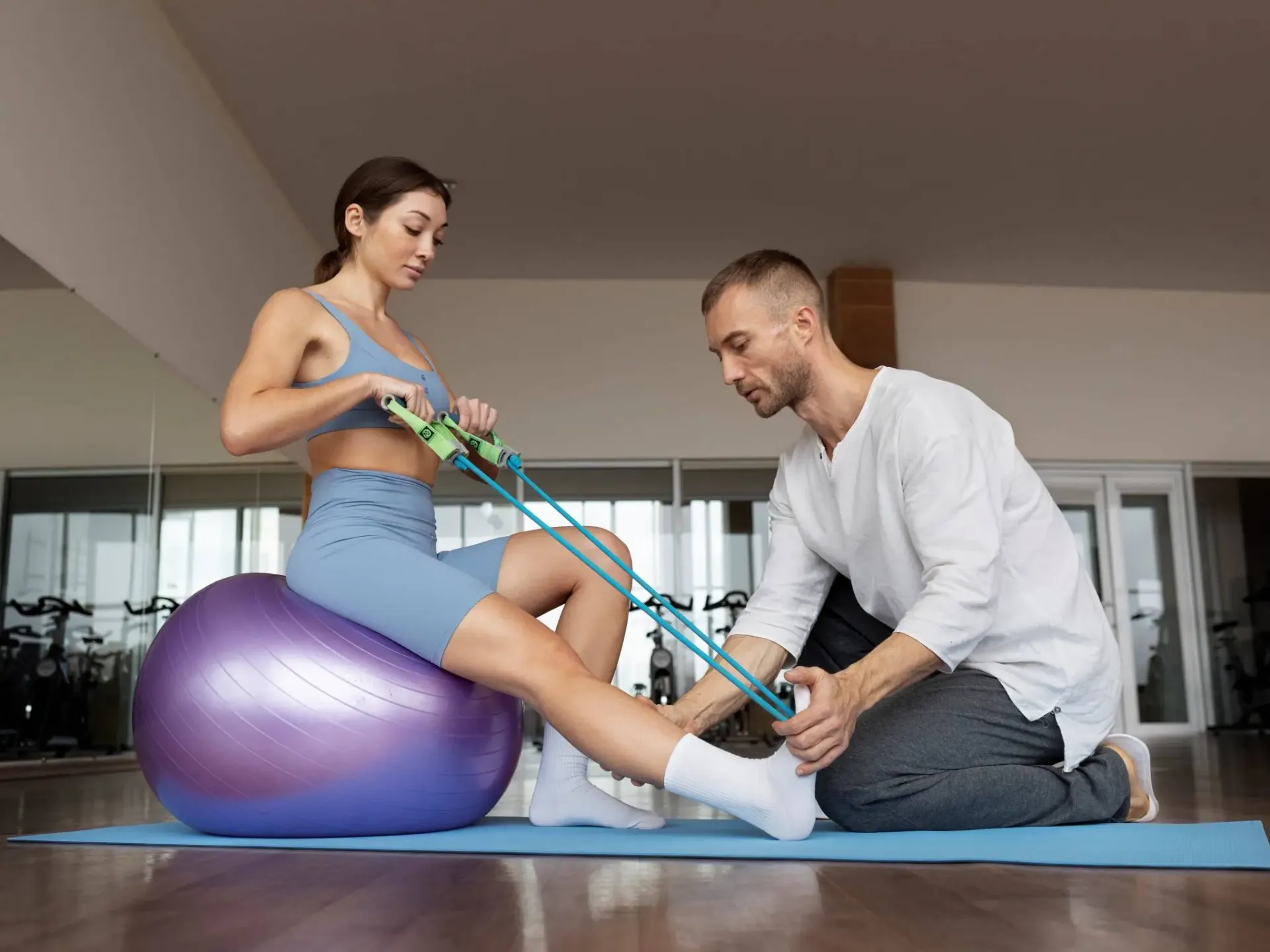
Physiotherapy remains one of the best-documented approaches in modern healthcare for treating musculoskeletal injuries, supporting post-surgical recovery and relieving chronic pain. At Réhabital in Côte Saint-Luc, every patient receives a complete assessment from an OPPQ-licensed physiotherapist (Ordre professionnel de la physiothérapie du Québec), followed by a fully personalized treatment plan combining manual therapy, progressive therapeutic exercises, movement education and relapse-prevention strategies. This article explains in depth what modern physiotherapy actually is, how it differs from a simple massage or a medication-based approach, and why it remains the cornerstone of rehabilitation in Côte Saint-Luc and the entire West End of Montreal.
1. Why consult a physiotherapist?
Persistent pain, reduced mobility, muscular weakness, joint stiffness, the aftermath of a sprain, fracture, tendinitis or surgery: physiotherapy targets the mechanical cause of the symptom rather than masking the pain. The goal is to restore normal function, rebuild confidence in movement and prevent medium- and long-term relapses. Unlike a purely passive approach (medication, rest, brace), physiotherapy places the patient in an active position: you understand what is happening in your body, you learn how to modulate load, and you acquire the tools to manage your case even after treatment ends.
Recent clinical research shows that early physiotherapy — ideally within two to four weeks of symptom onset — significantly lowers the risk of chronicity, reduces painkiller consumption and accelerates the return to work, sport and daily activities. Waiting for it “to go away on its own” is rarely the right strategy when pain lasts beyond two weeks.
2. A thorough first assessment
The initial visit lasts about 60 minutes. Your physiotherapist takes a complete history — onset of pain, aggravating and relieving factors, medical background, medications, physical activity level, occupational demands — observes your static and dynamic posture, measures active and passive range of motion, tests muscle strength on a standardized scale, evaluates stability and motor control, and performs neurological tests (reflexes, sensation, dermatomes, myotomes) when relevant. For sports pathologies, specific functional tests (single-leg hop, lunge, dynamic balance) round out the evaluation.
At the end of the session you leave with a clear diagnosis, measurable goals, a realistic prognosis on the number of sessions required, and a first treatment. This transparency is one of the strengths of modern physiotherapy: you know exactly where you stand and what to expect.
3. Techniques used at Réhabital
Our team combines several major families of techniques, chosen according to the diagnosis:
• Manual therapy: graded joint mobilizations, gentle spinal manipulations, myofascial release, neural gliding techniques.
• Therapeutic exercises: progressive strengthening, motor control, proprioception, targeted stretching, return-to-effort programs, plyometrics in late-stage rehabilitation.
• Adjunct modalities: therapeutic ultrasound, analgesic electrotherapy (TENS), heat and cold therapy, kinesio taping.
• Therapeutic education: pain explanation, ergonomics at work and at home, training-load management, sleep hygiene, stress management, nutritional tips supporting tissue healing.
None of these techniques is used in isolation. The strength of physiotherapy lies precisely in the intelligent combination of several modalities, dosed and revised at every session based on your progress.
4. Commonly treated conditions
Low back pain and disc herniations, neck pain and torticollis, shoulder tendinopathies (rotator cuff) and elbow conditions (epicondylitis), recurring ankle sprains, knee pain (patellofemoral syndrome, meniscal lesions, post-ACL), plantar fasciitis, metatarsalgia, post-operative rehabilitation (ACL, hip or knee replacement, rotator cuff repair), tension headaches, cervicogenic dizziness, diffuse chronic pain and fibromyalgia as a complementary approach. See our dedicated pages on back pain, knee and shoulder for more detail on each condition.
Post-stroke patients, children with motor delays and seniors with reduced autonomy also benefit from adapted protocols focused on safety, balance and fall prevention.
5. How many sessions will I need?
An acute musculoskeletal injury usually resolves in 4 to 8 sessions spread over 4 to 6 weeks. Post-surgical rehabilitation or chronic pain often requires 10 to 20 sessions over 8 to 16 weeks, paired with a home exercise program to perform between visits. The golden rule: a measurable improvement (reduced pain, increased range, better function) should be felt within the first 3 to 4 sessions. If not, your physiotherapist reassesses the diagnosis, adjusts the plan or refers you to another professional.
6. Insurance coverage
Physiotherapy provided by an OPPQ member is reimbursed by virtually every private health plan in Quebec (Sun Life, Manulife, Desjardins, Blue Cross, iA Financial Group, Canada Life, etc.), as well as by the SAAQ for car accidents when authorized. Please note: we do not accept CNESST files (workplace injuries). An official receipt with your physiotherapist's license number is issued after every visit. Our administrative team can help you understand your coverage and submit claims.
7. Preventing relapse: the most neglected phase
Once pain is relieved and function restored, the work continues. The prevention phase is statistically what separates patients who relapse from those who never do. It includes: a maintenance exercise program at 2–3 weekly sessions of 15–20 minutes, a gradual and structured return to sport, workstation adjustments, sleep and stress management, and ideally an annual check-up. Physiotherapy is not about silencing a symptom — it is about rebuilding a strong, durable and resilient body.
8. Physiotherapy and the multidisciplinary approach
At Réhabital, physiotherapy does not work in a silo. It integrates naturally with osteopathy (global restriction release and postural work), massage therapy (deep muscular release before active work) and naturopathy (anti-inflammatory and nutritional support). For athletes, the upcoming sports massage service with Cedik Elaiba will round out this continuum of care.
9. Practical tips before your first session
Wear comfortable, fitted clothing (shorts, tank top or sports bra) so the physiotherapist can observe the relevant joints. Bring any recent imaging (X-ray, MRI, ultrasound) and your medication list. Prepare a brief chronological summary of your pain: when did it start, what aggravates it, what relieves it, how has it evolved. The more precise the information, the sharper the assessment and the more effective the treatment.
10. Common myths about physiotherapy
• “If I'm not in pain, I don't need it.” False: a preventive assessment can detect asymmetries and weaknesses before they become symptomatic.
• “Physio is just exercises.” False: manual therapy, education and modalities are equally essential.
• “One session will be enough.” Very rarely true for a real pathology; however, you always leave the first visit with a concrete plan of action.
• “No pain, no gain.” False: excessive pain triggers protective contractions that slow recovery. Your physiotherapist calibrates intensity with you.
11. Frequently asked questions
Do I need a medical prescription?
No. In Quebec you can see a physiotherapist directly, without a referral.
How much does a session cost?
Current rates are displayed on our physiotherapy page and on Jane App at booking. Most private insurance plans reimburse fully or partially.
Can I keep training between sessions?
Yes, almost always — your physiotherapist tells you precisely what you can do, at what intensity, and what to temporarily avoid.
How long before I feel an improvement?
A measurable drop in pain or gain in mobility is usually felt by the 2nd or 3rd session. If not, the plan is revised.
12. Three patient profiles we see every week
The remote worker with neck pain. Hours in front of a screen, shoulders pulled up, shallow breathing: we work on cervico-thoracic posture, scapular mobility, the diaphragm, and we review the workstation in detail. In 5 to 6 sessions, most return to asymptomatic function.
The recreational runner with knee or Achilles pain. We assess foot mechanics, glute strength and training planning. Treatment combines manual therapy, progressive exercises and running-volume adjustment. Return to full mileage in 6 to 10 weeks for most.
The post-surgical patient (ACL, rotator cuff, joint replacement). Structured follow-up over 3 to 6 months with objective progression criteria: range, strength, motor control quality, return to activity. Close coordination with the surgeon when needed.
13. Ergonomics: the most underestimated lever
A well-set workstation alone prevents a significant share of physiotherapy consultations. Some principles: screen at eye level and an arm's length away, elbows at 90°, neutral wrists, backrest supporting the lumbar curve, feet flat, active break every 45 minutes with a few neck rotations and thoracic mobilizations. For patients on prolonged remote work, we include an ergonomic component in the initial evaluation.
14. Why patients choose Réhabital in Côte Saint-Luc
Réhabital was founded with a clear vision: a multidisciplinary clinic where physiotherapy, osteopathy, massage therapy, naturopathy and aesthetic care work together under one roof, with shared notes and shared standards. Our patients come from Côte Saint-Luc, NDG, Hampstead, Snowdon, Montréal-Ouest and Saint-Laurent because they value continuity of care, bilingual French-English service, evening and weekend availability, transparent pricing, official receipts for all insurers, and an active commitment to evidence-based practice. Whether you arrive with an acute injury, a chronic pain story, or a preventive goal, we build a plan that fits your life — not the other way around.
15. Book your evaluation in Côte Saint-Luc
Book online 24/7 via Jane App, call us at 438-842-3550, or visit our physiotherapy in Côte Saint-Luc page. Réhabital is located at the Cavendish Mall (D4-5800 boulevard Cavendish) and serves patients from Côte Saint-Luc, NDG, Snowdon, Hampstead, Montréal-Ouest and Saint-Laurent. Free parking, public transit access, and a fully accessible facility for people with reduced mobility.
Go deeper with our dedicated physiotherapy pages
Physiotherapy pages with Colin Teghen Tamuton (OPPQ) in Côte Saint-Luc:
Related articles
Vestibular Rehabilitation Therapy (VRT) in Physiotherapy in Côte Saint-Luc: Vertigo, Imbalance and Getting Your Life Back
Vestibular rehabilitation is a customized exercise program that retrains the brain's balance system after BPPV, vestibular neuritis, concussion or PPPD. Here is how we deliver it in physiotherapy at Réhabital, Côte Saint-Luc.
Why Our Physiotherapy Is Among the Best in Montreal
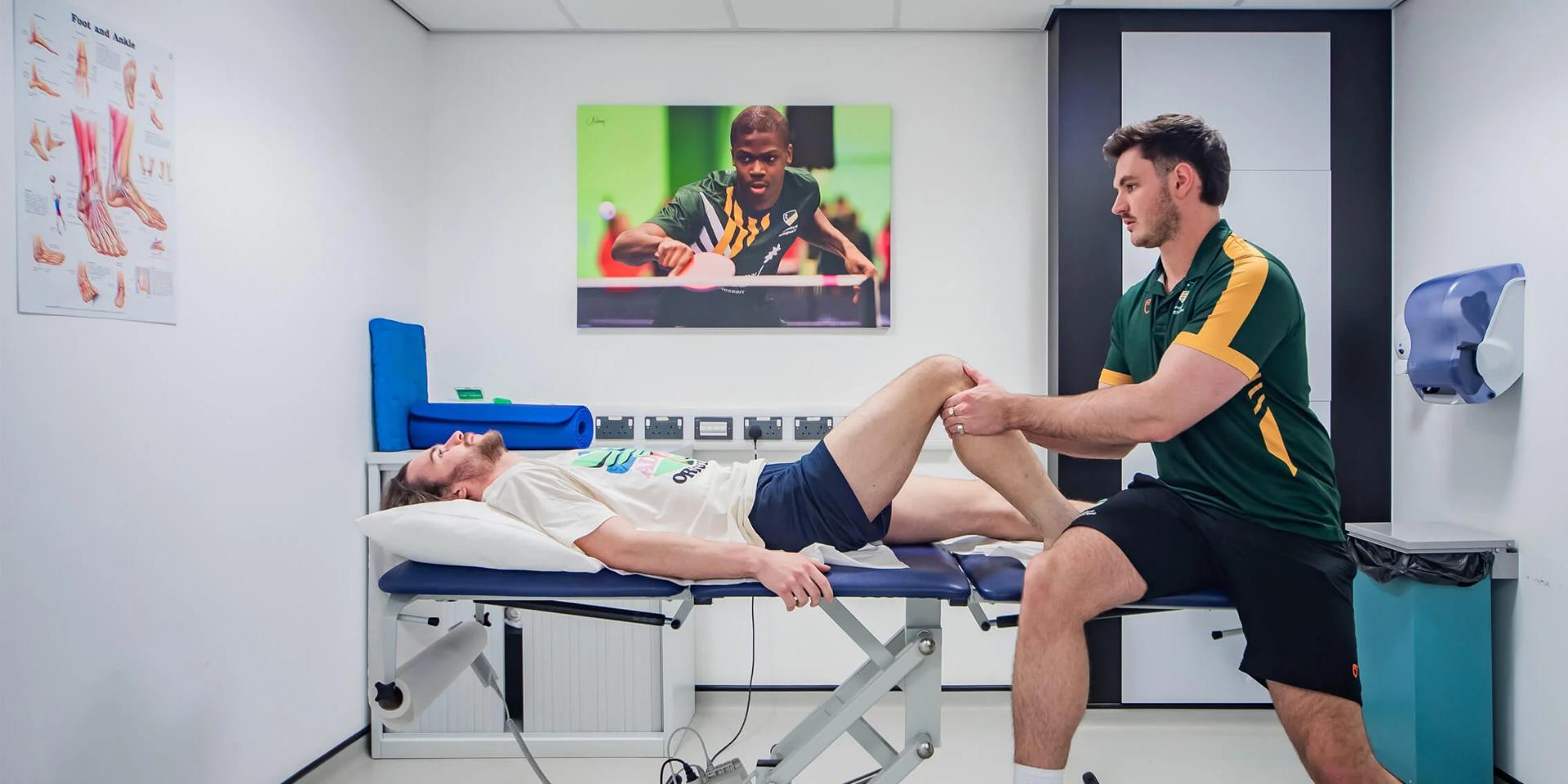
Discover what sets Réhabital's physiotherapy in Côte Saint-Luc apart: an OPPQ-licensed physiotherapist, advanced clinical equipment (Richmar SoundCare Plus), a multidisciplinary approach and measurable outcomes for patients across Montreal.

Frozen Shoulder: Physiotherapy and Massage Therapy to Restore Full Mobility
Stuck, painful shoulder? Discover the combined physiotherapy + massage protocol at Réhabital in Côte Saint-Luc to beat frozen shoulder.
Physiotherapy and Osteopathy Combined: Why Réhabital Integrates Both in Every Treatment Plan
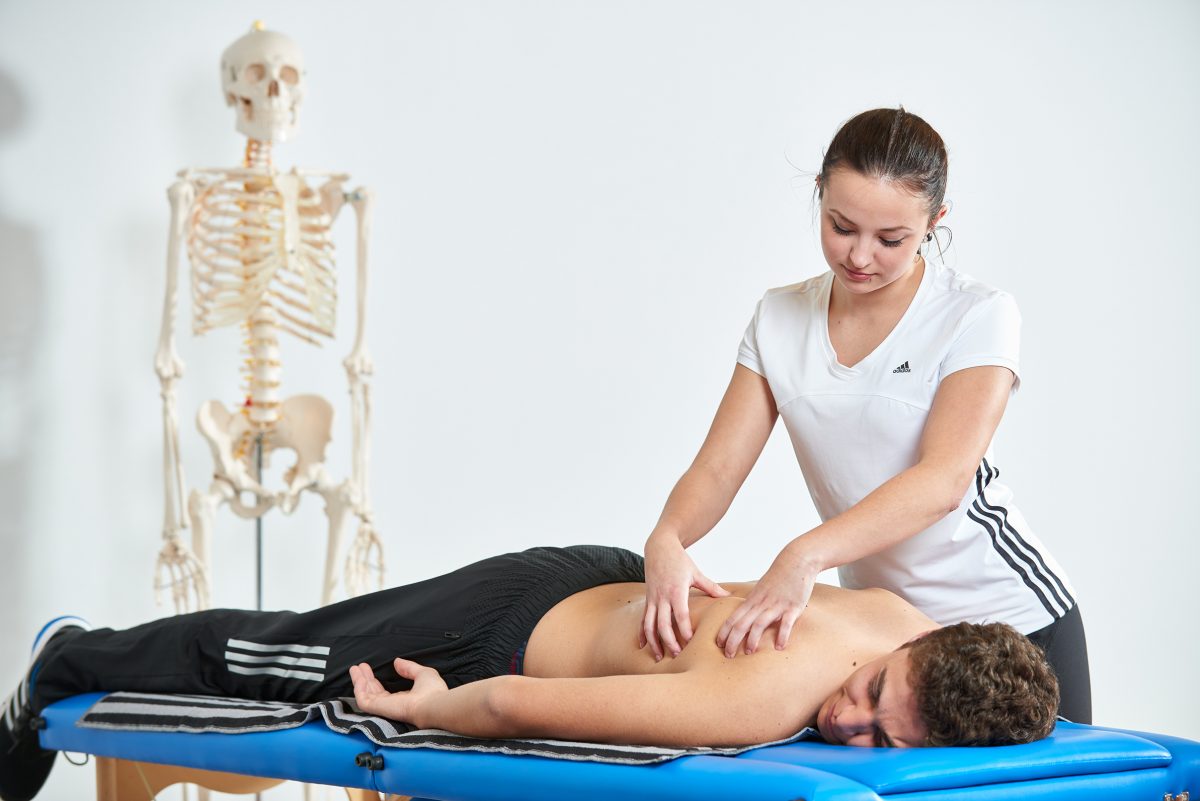
In Côte Saint-Luc, our difference is not simply offering physiotherapy and osteopathy side by side — we combine them inside one personalized treatment plan. Here is how this integration accelerates recovery and who benefits the most.

Neck Pain: How Physiotherapy in Côte Saint-Luc Can Help You
Common causes of neck pain, red flags and a complete treatment plan with Réhabital Team, OPPQ physiotherapist at Réhabital in Côte Saint-Luc.
Shoulder Pain: How Physiotherapy Treats Rotator Cuff Injuries and Frozen Shoulder
A shoulder that hurts at night, catches when you lift your arm, or loses range month after month is almost never simple unavoidable wear. Here is how a structured physiotherapy plan restores strength and range in Côte Saint-Luc.