
SoundCare Plus Therapeutic Ultrasound: How This Physiotherapy Device Speeds Up Healing in Côte Saint-Luc
Discover how the SoundCare Plus therapeutic ultrasound unit used at Réhabital in Côte Saint-Luc reduces pain, dissolves adhesions and speeds up tissue healing — a complete patient guide.
Therapeutic Ultrasound: The Quiet Workhorse of Modern Physiotherapy
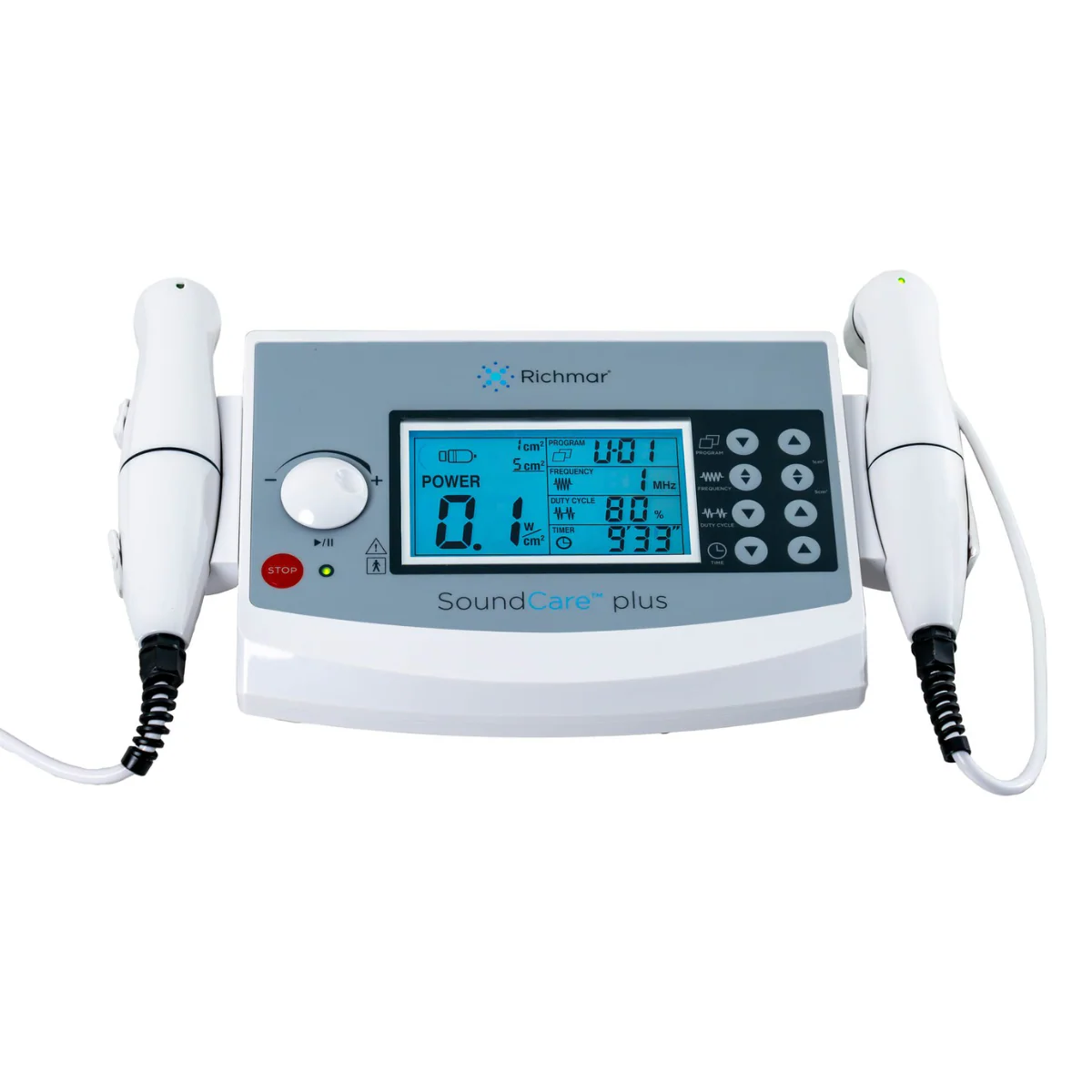
When most people picture physiotherapy, they imagine stretches, exercises and hands-on manual therapy. What they often don't see is the small, hand-held device the therapist reaches for between sets — a therapeutic ultrasound unit. At Réhabital in Côte Saint-Luc, the device we trust for this work is the SoundCare Plus Ultrasound Unit, a clinical-grade machine that has become an essential part of how we treat soft-tissue injuries, chronic pain, post-surgical recovery and stubborn inflammation.
This article is a complete patient-friendly guide to the SoundCare Plus: what it is, the science behind it, the conditions where it shines, how we use it inside a full physiotherapy plan and what your first session at our Côte Saint-Luc physiotherapy clinic will actually feel like.
What Is the SoundCare Plus Ultrasound Unit?
The SoundCare Plus is a professional therapeutic ultrasound device designed for clinical rehabilitation settings. Unlike diagnostic ultrasound (the one used to produce images of organs and babies), therapeutic ultrasound is built to deliver acoustic energy into injured tissue in order to stimulate healing, reduce pain and improve tissue extensibility.
The unit produces high-frequency sound waves — typically 1 MHz and 3 MHz — through a hand-held transducer head. The therapist glides this head over the skin with a coupling gel and the sound waves travel into the body to depths of roughly 1 to 5 cm, depending on the frequency selected. Higher frequencies (3 MHz) target superficial tissues such as tendons just under the skin, while lower frequencies (1 MHz) reach deeper structures like the hip rotators or lumbar musculature.
The SoundCare Plus offers continuous and pulsed modes, adjustable intensity (measured in W/cm²) and treatment timers. This precision is what separates a clinical-grade device from the inexpensive home gadgets sold online — it allows your physiotherapist to dose the treatment exactly the way the evidence supports for your specific tissue and stage of healing.
How Therapeutic Ultrasound Actually Works
The biological effects of therapeutic ultrasound fall into two broad categories: thermal and non-thermal (mechanical).
Thermal effects (continuous mode)
When the SoundCare Plus is set to continuous output, the sound waves create molecular vibration inside the targeted tissue. This vibration converts to deep heat in structures that are normally hard to warm up from the surface — joint capsules, tendons, ligaments and deep muscle fibres. The resulting effects include:
- Increased local blood flow, which brings oxygen, nutrients and immune cells to the injury
- Improved tissue extensibility, making stretching, joint mobilizations and manual therapy more effective immediately afterward
- Reduced muscle spasm through warming of the contractile fibres
- Pain modulation via altered nerve conduction velocity in the heated area
Non-thermal effects (pulsed mode)
In pulsed mode, the SoundCare Plus delivers acoustic energy in short bursts. The dominant effects become mechanical rather than thermal:
- Acoustic micro-streaming — tiny fluid movements around cells that stimulate membrane activity and protein synthesis
- Stable cavitation — gentle oscillation of microscopic gas bubbles in the tissue, which appears to upregulate fibroblast activity and collagen production
- Accelerated inflammatory phase resolution, helping fresh injuries move into the repair phase faster
This is why pulsed ultrasound is so valuable in acute injuries (where extra heat would be counter-productive) and in healing tissues such as fresh ligament sprains, post-surgical incisions and tendinopathies.
Conditions We Treat with the SoundCare Plus at Réhabital
Therapeutic ultrasound is rarely a stand-alone treatment — it is a force multiplier used alongside manual therapy, exercise and education. Here are the conditions where the SoundCare Plus most often plays a starring role in our Côte Saint-Luc physiotherapy sessions.
1. Tendinopathies
Tendons have notoriously poor blood supply, which is why they heal slowly. The mechanical effects of pulsed ultrasound stimulate collagen synthesis and tenocyte activity. We routinely use the SoundCare Plus for:
- Lateral and medial epicondylitis — read our dedicated guide on tennis elbow treatment
- Rotator cuff tendinopathy — frequently combined with the strengthening protocols in our shoulder pain treatment page
- Achilles tendinopathy and patellar tendinopathy
- De Quervain's tenosynovitis of the wrist
2. Joint Stiffness and Capsular Restrictions
When a joint capsule becomes thick and short — after immobilization, surgery or chronic inflammation — continuous ultrasound is one of the most effective ways to warm it before manual mobilization. We use it heavily for:
- Adhesive capsulitis (frozen shoulder)
- Post-fracture joint stiffness after cast removal
- Knee stiffness following surgery — see our broader post-surgery rehabilitation page
3. Muscle Strains and Trigger Points
Deep heat from continuous ultrasound relaxes muscle spindles and helps release stubborn myofascial trigger points. It is particularly useful for the upper trapezius, levator scapulae, piriformis and quadratus lumborum — muscles that drive a large share of neck, low back and hip complaints. Many of our patients pair this work with massage therapy on alternating weeks.
4. Acute and Subacute Ligament Sprains
Ankle sprains, knee MCL sprains and wrist sprains all benefit from pulsed ultrasound in the first 7–21 days. The non-thermal mechanical effects help control swelling and accelerate the transition from inflammation to repair, which shortens overall recovery time.
5. Bursitis
Subacromial, trochanteric and pes anserine bursitis often respond well to pulsed ultrasound combined with load management. We dose the unit carefully to avoid over-heating inflamed tissue.
6. Scar Tissue and Adhesions
After surgery, fracture immobilization or chronic injury, dense scar tissue can restrict movement and cause pain. The combination of deep heat plus acoustic micro-streaming helps soften scars and breaks down adhesions, making them more responsive to stretching and manual therapy.
7. Low Back and Neck Pain
For deep paraspinal muscle spasm — especially when palpation reveals hot, ropey bands — ultrasound is a valuable preparation step before manual therapy and exercise. It is also a useful adjunct in our broader management of neck pain and lumbar conditions.
8. Post-Surgical Recovery
Following rotator cuff repair, ACL reconstruction, total knee replacement, carpal tunnel release and many other procedures, the SoundCare Plus accelerates the maturation of healing tissues. For a complete view of how we structure this kind of care, read our article on physiotherapy for post-injury and post-surgery recovery.
Why the SoundCare Plus Is the Device We Chose
Not all therapeutic ultrasound units are equal. We selected the SoundCare Plus for our Côte Saint-Luc clinic for several reasons:
- Dual-frequency head (1 MHz and 3 MHz) — lets us treat both superficial and deep structures without changing applicators
- Reliable beam non-uniformity ratio (BNR) — meaning the energy is distributed evenly across the treatment head, reducing the risk of hot spots
- Continuous and pulsed modes with fine intensity control — essential for dosing acute versus chronic conditions correctly
- Stable, well-calibrated output — the unit is checked regularly so that the dose programmed is the dose delivered
- Ergonomic transducer — comfortable for long sessions and easier to glide along curved areas like the shoulder or hip
For us, equipment quality is part of clinical safety and outcomes. A patient who pays for a physiotherapy session in Côte Saint-Luc deserves a device that performs the same way at the end of the day as it did at the beginning.
How an Ultrasound Treatment Fits into Your Physiotherapy Plan
At Réhabital we never use ultrasound as a stand-alone therapy. The current best evidence is clear: therapeutic ultrasound works best as part of an integrated plan built around active rehabilitation. A typical session at our clinic might look like this:
- Reassessment — pain, range of motion, strength and functional tests
- Soft-tissue and manual therapy — joint mobilizations, soft-tissue release
- SoundCare Plus ultrasound — 5 to 8 minutes targeted to the structure of interest, in pulsed or continuous mode depending on the stage of healing
- Stretching and active mobility work — taking advantage of the warmed, more extensible tissue
- Therapeutic exercise — strengthening, motor control and sport-specific drills
- Education and home program — what to do between visits to keep progress on track
This is the same evidence-based framework described in our broader guide to what to expect at your first physiotherapy appointment.
How We Combine Ultrasound with Other Disciplines at Réhabital
Because Réhabital is a multidisciplinary clinic in Côte Saint-Luc, the SoundCare Plus rarely works in isolation. Some of the most common combinations we recommend include:
- Physiotherapy + osteopathy — particularly powerful for complex back, neck and pelvic conditions. Read our article on combined physiotherapy and osteopathy treatment plans and the comparison piece osteopathy vs physiotherapy in Côte Saint-Luc.
- Physiotherapy + massage therapy — deep tissue and therapeutic massage therapy reinforces the tissue changes that ultrasound prepares.
- Physiotherapy + acupuncture — useful for chronic pain syndromes. Our guide on physiotherapy vs acupuncture explains when to use each.
- Multidisciplinary care — when you're not sure which discipline fits your case, start with our overview osteopathy vs massage vs acupuncture vs physiotherapy or osteopathy vs physiotherapy: which is right for you?.
What Does a SoundCare Plus Ultrasound Session Feel Like?
Patients often arrive a little nervous — sound waves into the body sounds dramatic. In reality, therapeutic ultrasound is one of the most comfortable modalities in physiotherapy.
- You lie or sit comfortably while the therapist exposes the area to be treated.
- A small amount of water-based conductive gel is applied — it can feel cool at first.
- The therapist moves the transducer head in slow, overlapping circles for 5 to 8 minutes.
- In continuous mode, you may notice a gentle deep warmth. In pulsed mode, most patients feel nothing at all.
- Treatment is painless. If you ever feel sharp heat or discomfort, tell the therapist immediately — the parameters are adjusted on the spot.
After the session, the gel is wiped off and the therapist moves directly into stretching, manual work or exercise to take advantage of the prepared tissue.
Safety, Contraindications and What We Always Screen For
Therapeutic ultrasound is very safe in trained hands, but it is not appropriate for everyone. Before each treatment we screen for the standard contraindications, including:
- Application directly over the eyes, reproductive organs, or a pregnant uterus
- Active malignancy in the treatment area
- Pacemakers and other implanted electronic devices in the treatment field
- Active infection or open wounds in the treatment area
- Recent deep vein thrombosis
- Areas of impaired sensation where the patient cannot reliably report heat
This screening is built into your first physiotherapy evaluation. If ultrasound is not safe for you, we have plenty of other equally effective tools.
How Many Sessions Will I Need?
This depends entirely on the condition. As a general guide:
- Acute soft-tissue injuries — 4 to 8 sessions over 2 to 4 weeks
- Chronic tendinopathies — 6 to 12 sessions over 6 to 10 weeks, combined with progressive loading
- Post-surgical rehabilitation — ultrasound is typically used in select windows of the broader 3 to 9 month rehab plan
- Frozen shoulder and severe joint stiffness — 10 to 20 sessions over several months, alongside manual therapy and exercise
Your physiotherapist will reassess every 3 to 5 sessions and adjust the plan, including phasing out ultrasound as your tissues recover and exercise becomes the primary driver of progress.
Insurance and SAAQ Coverage
Therapeutic ultrasound is part of a regular physiotherapy session at Réhabital, so it is covered under the same conditions as your physiotherapy treatment. This includes most private insurance plans and SAAQ (motor vehicle accident). We provide receipts compatible with all major insurers in Quebec.
Frequently Asked Questions
Is therapeutic ultrasound the same as diagnostic ultrasound?
No. Diagnostic ultrasound is used to create images. Therapeutic ultrasound — like the SoundCare Plus — delivers acoustic energy into tissues to stimulate healing and reduce pain. The frequencies, intensities and treatment heads are designed for different purposes.
Does it hurt?
No. You may feel a mild deep warmth in continuous mode, but treatment should never be painful. The therapist controls the dose precisely with the SoundCare Plus.
Is it safe during pregnancy?
Therapeutic ultrasound is not applied over or near the pregnant uterus, but it can be used safely for treating, for example, a wrist or ankle in pregnant patients — always after a careful clinical screening.
Can I do it at home with a small device?
Home devices typically have very low output, no calibration and limited control. They are not a substitute for clinical-grade equipment used by a trained physiotherapist who can match the dose to your tissue, stage of healing and full treatment plan.
Does the science actually support it?
The evidence is condition-specific. Therapeutic ultrasound shows good support for several tendinopathies, scar tissue and joint stiffness and is used as part of post-operative rehabilitation. We always combine it with active rehabilitation, which is consistently the most evidence-backed component of recovery.
Where is your clinic located?
Réhabital is located in Côte Saint-Luc, near Cavendish Mall and serves Hampstead, NDG, Snowdon, Montreal West, Westmount and the West Island.
Book a Physiotherapy Session in Côte Saint-Luc
If you're dealing with a stubborn tendon, a stiff joint, a recent injury or a slow post-surgical recovery, the SoundCare Plus Ultrasound Unit is one of the precise, evidence-supported tools your physiotherapist at Réhabital can bring to bear — always inside a complete, individualized rehabilitation plan. To start your assessment, visit our physiotherapy in Côte Saint-Luc page, or explore related reading on post-injury and post-surgery recovery and what to expect at your first appointment.
Frequently asked questions
Go deeper with our dedicated physiotherapy pages
Physiotherapy pages with Colin Teghen Tamuton (OPPQ) in Côte Saint-Luc:
Related articles
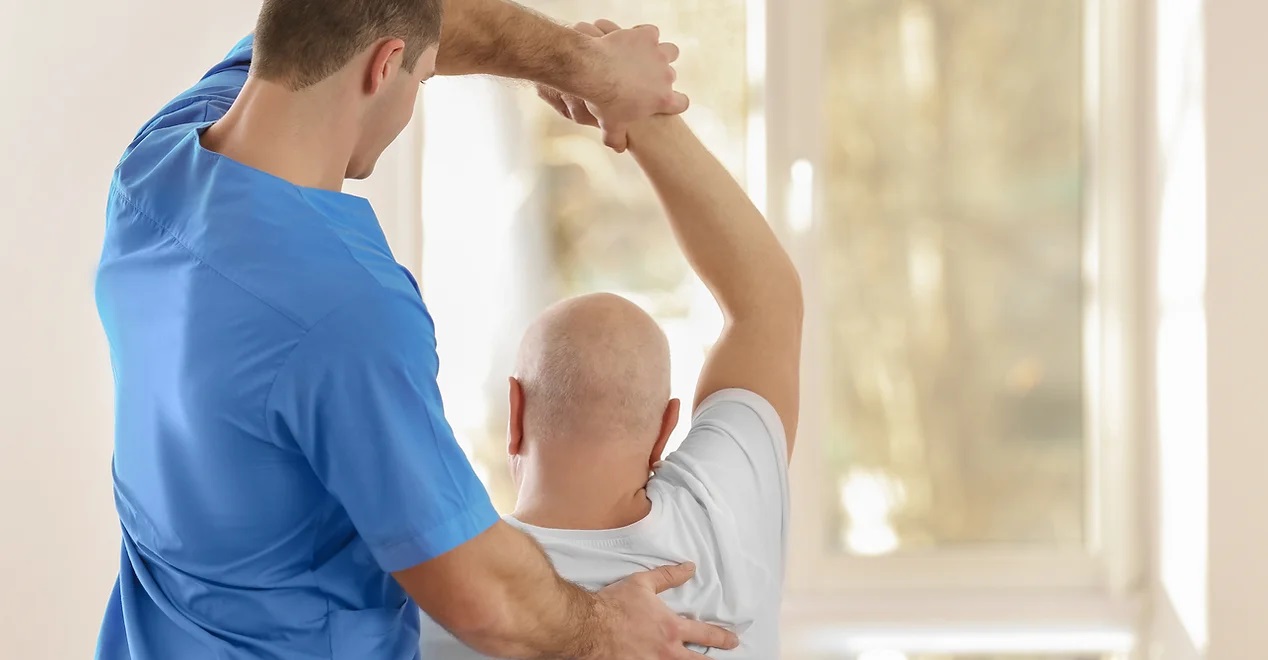
Shoulder Pain: How Physiotherapy Treats Rotator Cuff Injuries and Frozen Shoulder
A shoulder that hurts at night, catches when you lift your arm, or loses range month after month is almost never simple unavoidable wear. Here is how a structured physiotherapy plan restores strength and range in Côte Saint-Luc.
Frozen Shoulder: Physiotherapy and Massage Therapy to Restore Full Mobility
Stuck, painful shoulder? Discover the combined physiotherapy + massage protocol at Réhabital in Côte Saint-Luc to beat frozen shoulder.
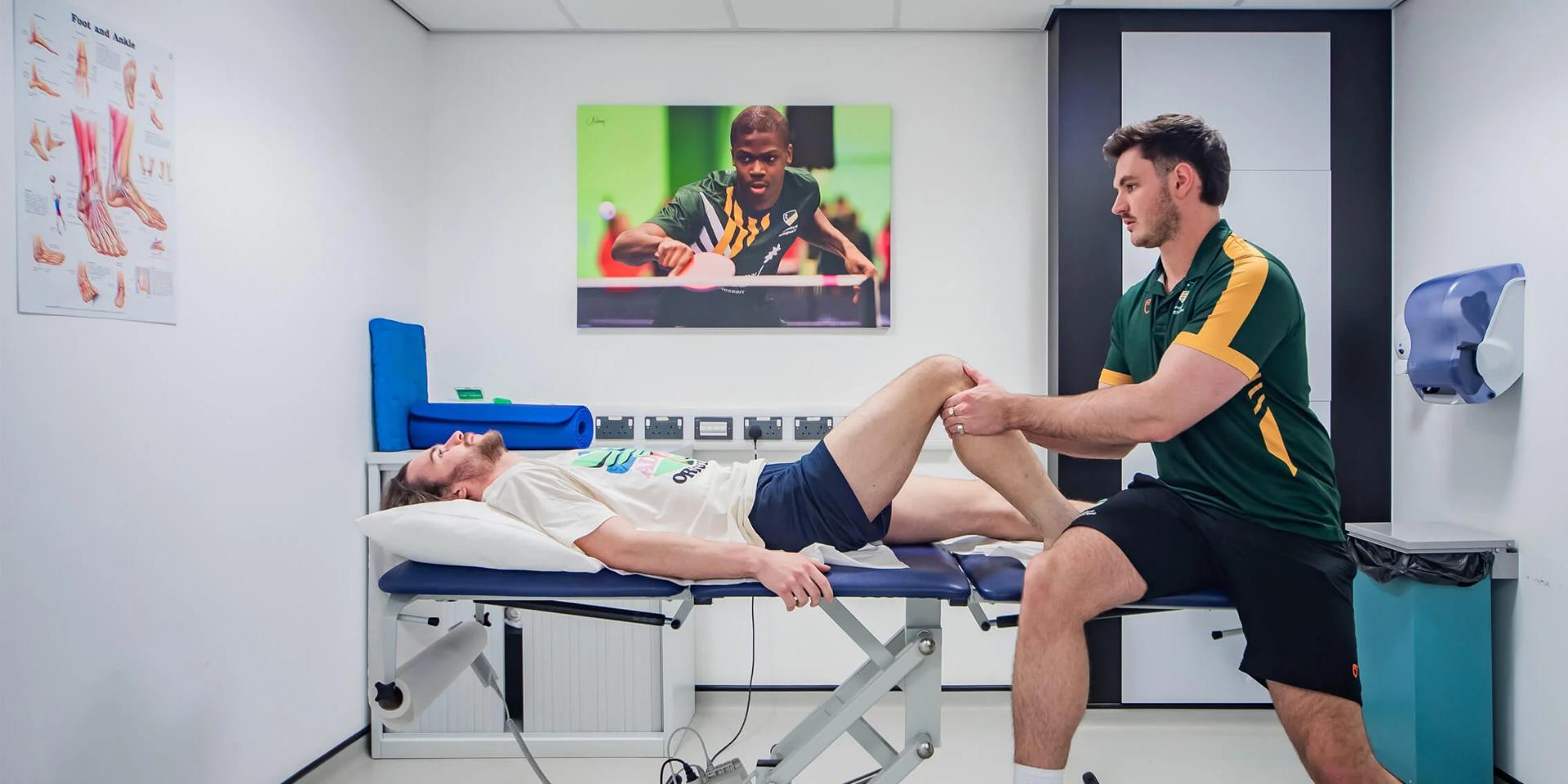
Why Our Physiotherapy Is Among the Best in Montreal
Discover what sets Réhabital's physiotherapy in Côte Saint-Luc apart: an OPPQ-licensed physiotherapist, advanced clinical equipment (Richmar SoundCare Plus), a multidisciplinary approach and measurable outcomes for patients across Montreal.
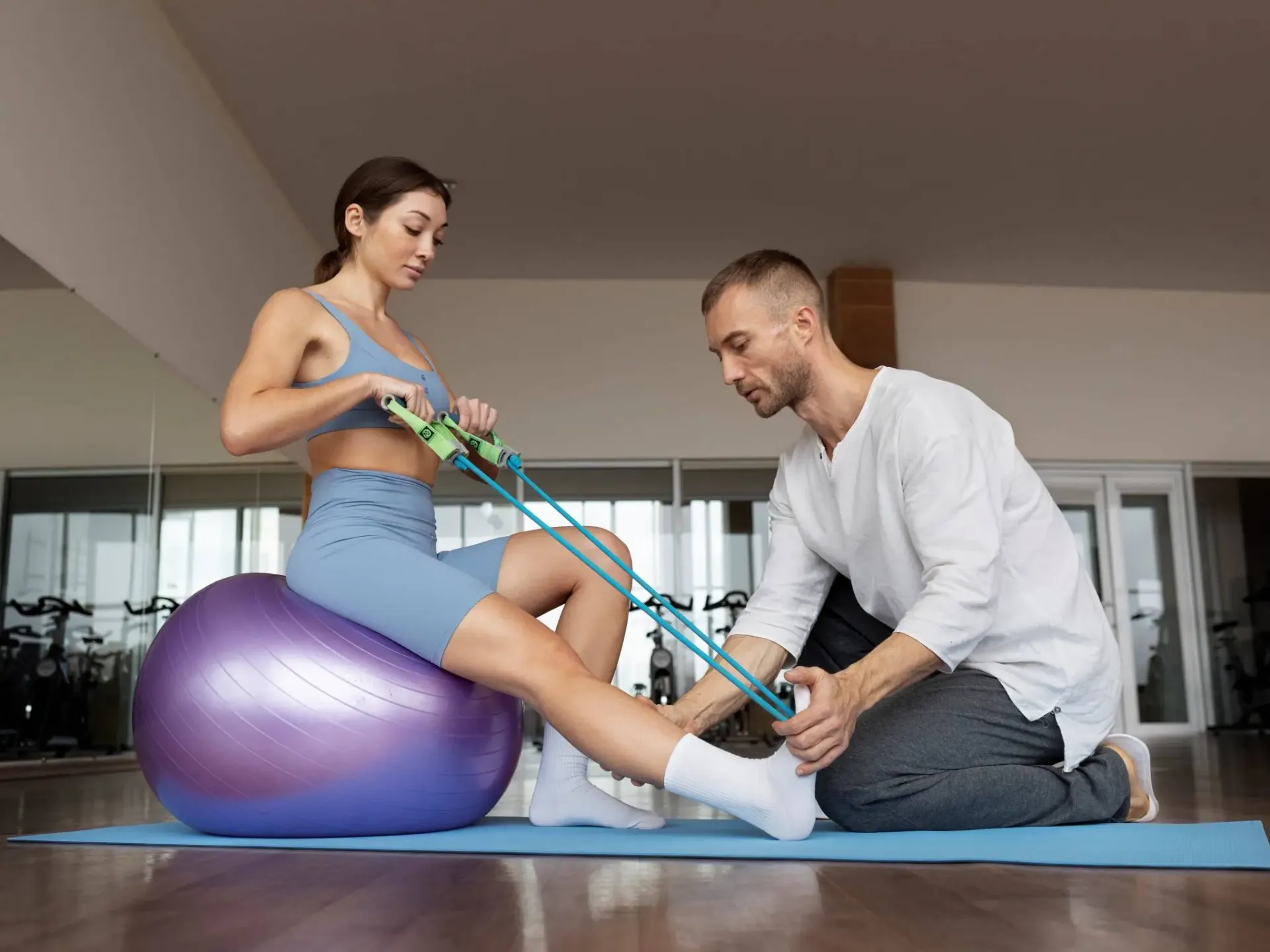
Physiotherapy in Côte Saint-Luc: regain mobility, strength and quality of life
How a structured physiotherapy plan — assessment, manual therapy, targeted exercises and education — accelerates recovery at Réhabital in Côte Saint-Luc.
Frozen Shoulder: How Long Does It Last and Which Treatment Should You Choose?
Frozen shoulder (adhesive capsulitis) progresses through three distinct phases that can last one to three years. Learn the realistic timelines, risk factors, and treatment options from physiotherapy to surgery.
Pain Between the Shoulder Blades: Posture, Breathing or the Thoracic Spine?
Persistent pain between the shoulder blades can come from posture, shallow breathing or thoracic stiffness. Here is how to tell the causes apart and find lasting relief.