
From Walker to Walking on Your Own: Which Osteopathy Techniques Help Restore Independent Mobility
You or a loved one uses a walker because of pain, weakness or instability? Discover the osteopathy techniques — combined with physiotherapy — that help step-by-step to reduce dependence on the walker and safely restore independent walking, in Côte Saint-Luc.
Why So Many People End Up Depending on a Walker
At our Côte Saint-Luc clinic, we regularly meet patients who tell us the same story: "It started as a cane after my hip surgery… then a walker after I fell… and I never really got off it.“ The walker is a wonderful safety tool — but when it becomes permanent for someone whose underlying condition could improve, it slowly reshapes the whole body: the shoulders round forward, the hips lose extension, the ankles stiffen, the glutes stop firing, and balance drifts backward. The longer this lasts, the harder it feels to leave the walker behind.
The good news is that in most non-neurological cases, this cascade is reversible. With the right combination of osteopathy and physiotherapy, and a patient home program, a large proportion of walker-users at Réhabital progress from walker → cane → independent walking within a few months. This guide explains exactly which osteopathic techniques we use, how they work, and why combining them with physiotherapy gives the strongest, safest result.
Who This Article Is For
This guide is for you if you (or a loved one) are using a walker because of one or more of the following:
- Hip or knee osteoarthritis and general joint stiffness.
- Recovery after hip replacement, knee replacement or spinal surgery (past the surgeon's initial protection phase).
- Deconditioning after a hospital stay, prolonged illness or long period of inactivity.
- Chronic low back pain, sciatica or lumbar spinal stenosis.
- Mild balance loss, fear of falling and reduced confidence walking.
- Post-fall recovery with no serious neurological or fracture-related restriction.
If your walker use is related to advanced Parkinson's disease, recent stroke with major weakness, severe cognitive impairment or an unhealed fracture, please continue to work with your neurologist, surgeon or geriatrician first. In those cases, our team is happy to work alongside your medical team as a complement, not a replacement.
The “Walker Posture”: Understanding What the Body Has Adapted To
When someone leans on a walker for months or years, three predictable patterns develop:
- Loss of hip extension. The hips stay slightly flexed, the psoas shortens and the pelvis tips forward. The person can no longer straighten fully when standing.
- Forward-shifted center of mass. The upper back rounds, the head pokes forward and balance is transferred from the feet to the hands.
- Ankle stiffness and glute shutdown. The ankles lose dorsiflexion, the calves tighten, the gluteus medius and maximus stop firing, and the small foot muscles that keep you upright weaken.
Any successful walker-weaning plan must reverse all three — not with a single “magic” technique, but with a coordinated approach that combines hands-on osteopathic release, physiotherapy strengthening and daily home practice.
The Osteopathy Techniques That Make the Biggest Difference
Osteopathy is a manual, whole-body approach that seeks to restore mobility to joints, fascia, viscera and the craniosacral system. For walker-users, the following techniques are the ones we use most often at Réhabital.
1. Hip Joint Mobilization
Gentle long-axis traction of the hip, followed by capsular stretching in extension, is one of the fastest ways to give the pelvis room to move again. A single session often adds several degrees of hip extension — enough for the patient to feel taller and more balanced immediately.
2. Sacroiliac and Pelvic Balancing
The sacroiliac joints transmit every step from the leg to the spine. When one side is stuck, walking becomes asymmetrical and the walker feels safer. Muscle energy techniques and gentle articulation restore pelvic symmetry, which improves stride length on both legs.
3. Lumbar Spine and Thoracolumbar Junction Work
Rounded posture and chronic sitting create stiffness at the junction between the mid- and lower back. Segmental mobilization here restores the upright posture needed to walk hands-free.
4. Ankle and Foot Mobilization
We spend real time on the talocrural, subtalar and mid-foot joints. Restoring 10-15° of ankle dorsiflexion often transforms a shuffling gait into a controlled, heel-to-toe walk within a few sessions.
5. Myofascial Release of Psoas, Quadriceps, Calves and Diaphragm
Chronic walker use creates deep fascial tightness in the front of the body. Slow, sustained myofascial release lets the trunk stand taller and breathe fully, which is essential for balance.
6. Cranial Osteopathy for Balance and Vestibular Integration
Very gentle cranial techniques help calm the vestibular system, reduce light-headedness and improve the coordination between vision, inner ear and body position. Patients often describe feeling “clearer” and more confident on their feet after a cranial session.
7. Visceral Osteopathy
Abdominal restrictions — often after surgery, chronic constipation or prolonged sitting — pull on the psoas and diaphragm and directly limit hip extension. Gentle visceral techniques free these attachments and improve both breathing and gait.
8. Rib and Diaphragm Release
Walking is a rhythmic, breathing-driven activity. Restoring rib mobility and diaphragmatic excursion improves oxygenation, reduces walking fatigue and helps the trunk rotate naturally between steps.
How Physiotherapy Completes the Work
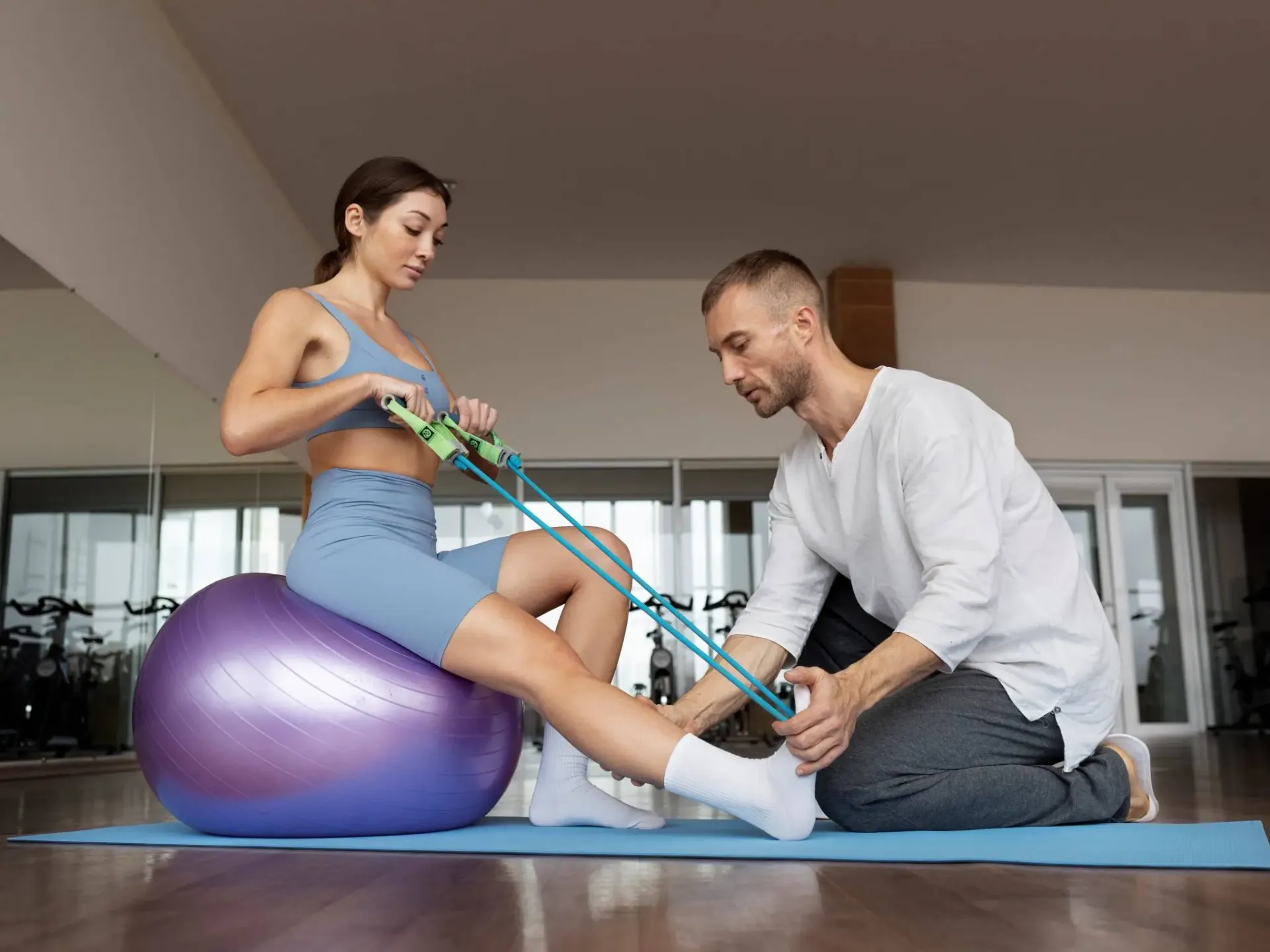
Osteopathy opens the door; physiotherapy walks the patient through it. At Réhabital, our physiotherapists build a progressive plan that typically includes:
- Full biomechanical and gait assessment, including strength, balance and functional testing.
- Manual therapy and soft-tissue work to reinforce what osteopathy has released.
- Progressive strengthening of glutes, quadriceps, hamstrings, calves and core — the muscles that keep you upright without a walker.
- Balance and proprioception training — parallel bars, foam surfaces, single-leg stance with support, tandem stance.
- Gait re-education — heel-strike, controlled push-off, upright trunk, arm swing.
- Endurance work — progressive walking distance, sit-to-stand repetitions, step-ups.
- Device progression — walker → walker with lighter contact → single cane → hiking pole → free walking.
Combining osteopathy and physiotherapy is not a duplicate service — it is a genuine multiplier. Studies of manual therapy plus exercise consistently show better outcomes than either approach alone, particularly in older adults with pain and mobility limitations.
A Typical Réhabital Walker-Weaning Protocol
Every patient is different, but a common structure looks like this:
- Weeks 1-2 — Assessment & release. Osteopathy assessment + first release session. Physiotherapy assessment within 3-4 days. Short daily home exercises (5-10 minutes).
- Weeks 3-6 — Strength & balance building. Physiotherapy 1-2× per week, osteopathy every 10-14 days, home program 3-4× per week. Introduce standing exercises at the counter.
- Weeks 7-12 — Device transition. Move from walker to walker with lighter grip, then to a single cane at home. Increase supervised walking distance.
- Months 3-6 — Independence & endurance. Cane only outdoors, free walking at home. Physiotherapy every 2-3 weeks, osteopathy monthly.
- Beyond — Maintenance. Monthly osteopathy and quarterly physiotherapy reviews, ongoing home program, community walking group when possible.
Safe Home Exercises You Can Start This Week
Only start these once your clinician has confirmed they are safe for you. Do them near a sturdy counter or with a family member close by.
- Sit-to-stand from a firm chair — 2 sets of 8-10, twice a day.
- Mini-squats holding the counter — 2 sets of 10, once a day.
- Heel raises at the counter — 2 sets of 12.
- Marching in place holding the counter — 2 sets of 20 steps.
- Ankle pumps in sitting — 2 sets of 20 each foot.
- Glute bridges on the bed or floor — 2 sets of 8-10.
- Deep belly breathing with rib expansion — 5 minutes, twice a day.
Home Setup: Small Changes That Change Everything
- Remove loose rugs and clutter along walking paths.
- Install grab bars in the bathroom and by the toilet.
- Add night lights in the hallway and bathroom.
- Keep a firm, high chair for sit-to-stand practice.
- Wear supportive, closed-back shoes indoors — not slippers.
- Set up a “walking track” from one end of the apartment to the other for daily practice.
Related Réhabital Reading
These articles complement this guide well:
- Knee Pain: How Osteopathy and Physiotherapy Treat It in Côte Saint-Luc
- Fascia, Lower Back Pain and Stiffness: An Osteopathy + Physiotherapy Approach
- Complete Guide to Osteopathy: Techniques and Conditions
- Physiotherapy for Post-Injury and Post-Surgery Recovery
- Disabled Parking Permit (SAAQ) — Côte Saint-Luc
- STM Adapted Transport — Evaluation and Support
Insurance & What to Expect at Your First Visit
Réhabital accepts private extended health insurance and SAAQ (auto accidents, when authorized). We do not accept CNESST files.
Your first visit lasts 60 minutes and includes a full history, a standing and walking assessment, a hands-on evaluation and a first treatment. You leave with a written home plan and a clear next step. Family members or caregivers are always welcome to attend.
Book Your Assessment
Ready to see how much of your walker use is truly necessary — and how much can be reversed with the right care? Book an osteopathy or physiotherapy assessment through our Jane App online booking on rehabital.ca or call 438-842-3550. Please mention “walker / mobility recovery” in the booking notes so we can plan enough time and coordinate your osteopathy + physiotherapy team.
Our clinic is located in Côte Saint-Luc and welcomes patients from Hampstead, NDG, Snowdon, Westmount, Montreal West and the wider West End of Montreal.
Frequently asked questions
Go deeper with our dedicated osteopathy pages
Osteopathy pages with Shahram Ghasemi, MD (Iran), DOMP in Côte Saint-Luc:
Related articles
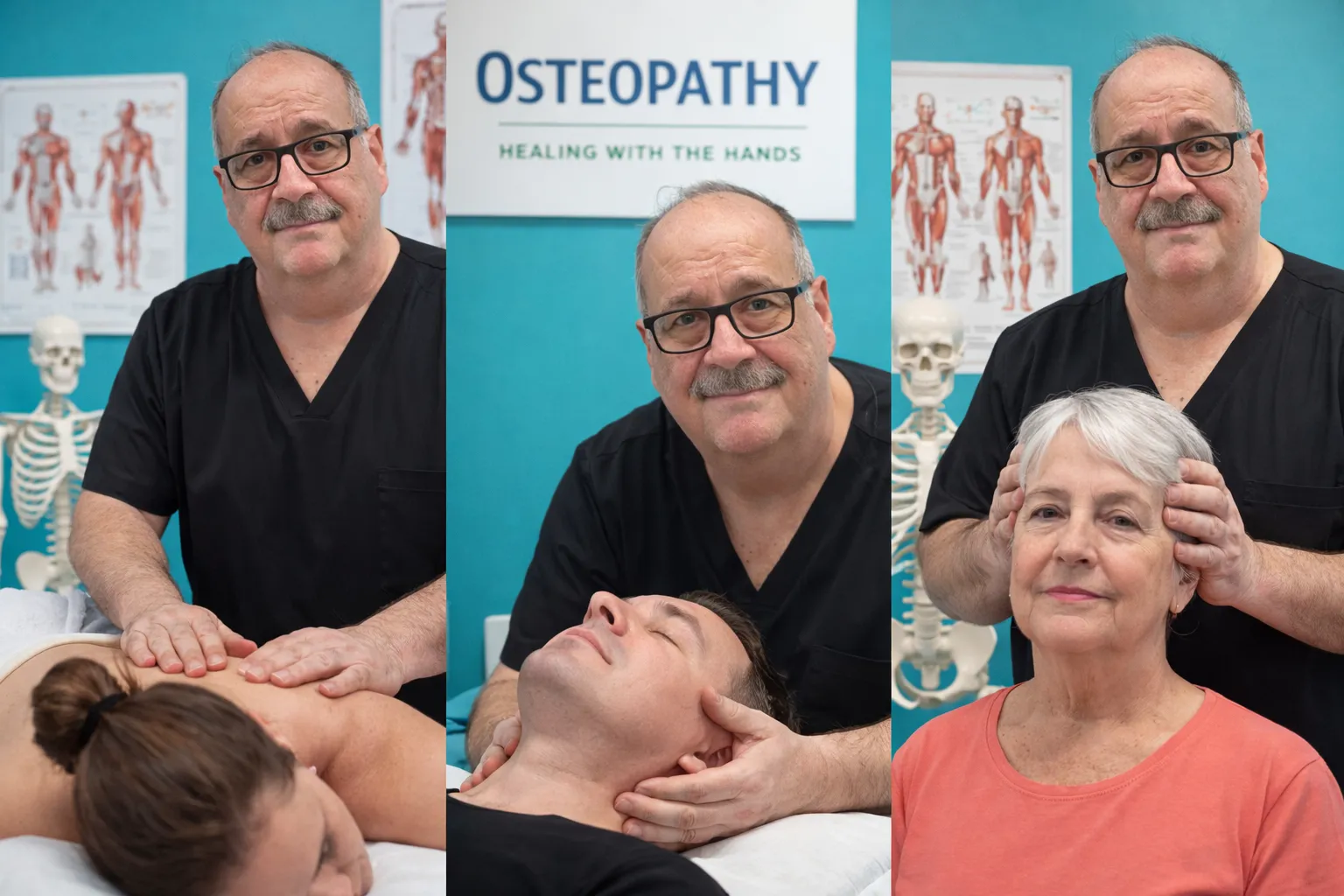
Osteopathy vs Physiotherapy: Which One Is Right for You?
Compare osteopathy and physiotherapy: approaches, techniques and use cases to choose the right treatment in Montreal.
Osteopathy vs Physiotherapy: Which Approach Should You Choose in Côte Saint-Luc?
Complete comparison between osteopathy and physiotherapy: differences, indications, training, insurance reimbursement and how to choose based on your condition in Côte Saint-Luc, Hampstead, NDG and across Montreal.
Physiotherapy in Côte Saint-Luc: regain mobility, strength and quality of life
How a structured physiotherapy plan — assessment, manual therapy, targeted exercises and education — accelerates recovery at Réhabital in Côte Saint-Luc.
Fall Prevention in Older Adults: Balance, Strength and Mobility
Falls are not an inevitable part of aging. Learn how balance, muscle strength and mobility can be improved at any age through physiotherapy.
Osteopathy vs Massage Therapy vs Acupuncture vs Physiotherapy: The Ultimate Comparison Guide (Montreal 2026)
Which manual therapy should you choose for your pain? A complete, evidence-informed comparison of osteopathy, massage therapy, acupuncture and physiotherapy — philosophies, techniques, results, costs and when to combine them.
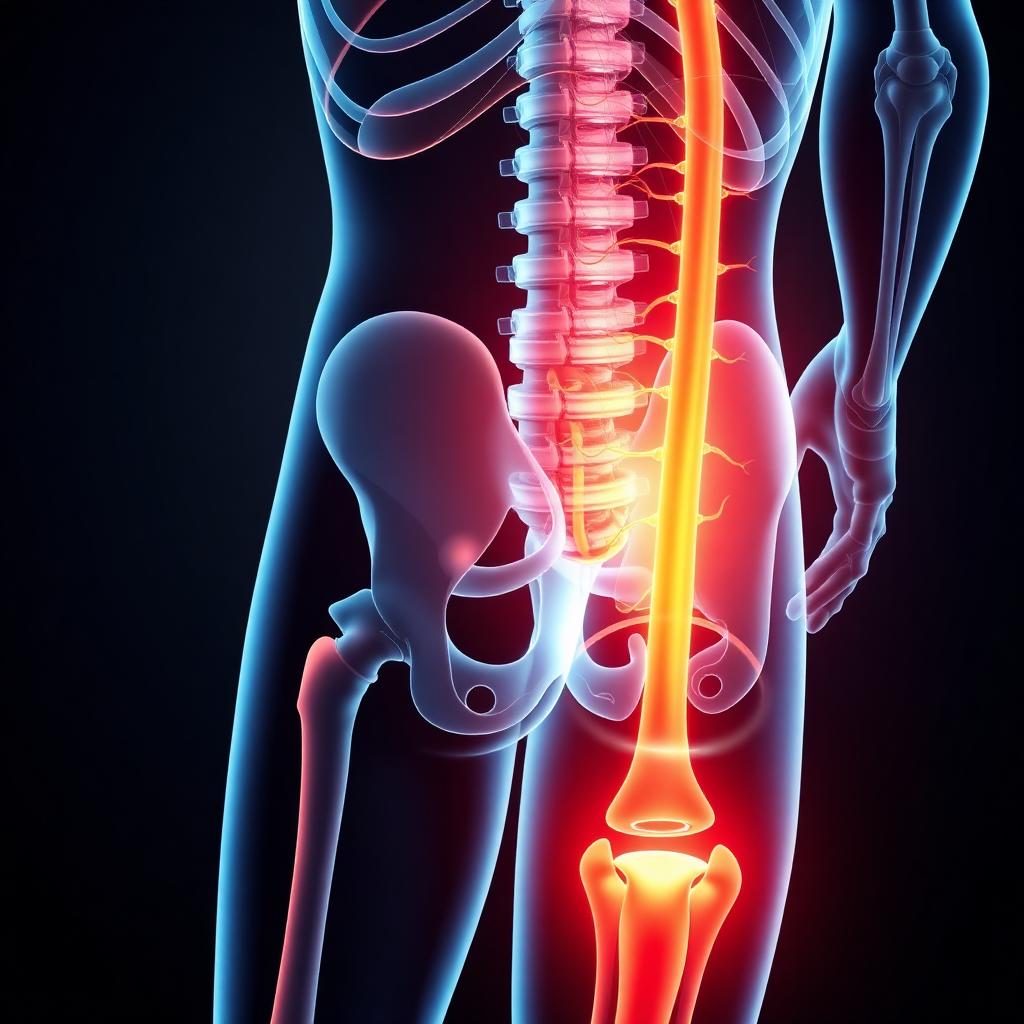
Herniated Disc, Sciatica or Piriformis Syndrome: How to Tell Them Apart
Pain shooting down your leg? It is not always “sciatica.” Learn how to tell a herniated disc, a true radicular sciatica and a piriformis syndrome apart — and how osteopathy and physiotherapy at Réhabital in Côte Saint-Luc treat each one differently.