
Diastasis Recti After Pregnancy: Recovering Function, Not Just Closing a Gap
Abdominal doming after pregnancy: assessment, hernia warning signs, progressive exercise and manual-care limits in Côte Saint-Luc, Montréal.
Direct answer: what should you do about abdominal doming after pregnancy?
A ridge along the middle of your abdomen during effort may be related to diastasis recti, but appearance alone is not a diagnosis. A useful approach is to assess the abdominal wall, consider whether a hernia is present, and gradually adapt movement to your symptoms. The aim is not necessarily to eliminate every measurable gap. It is to recover strength, comfort and confidence for everyday activities.
At Réhabital in Côte Saint-Luc, on the Island of Montréal, our abdominal separation condition page introduces the subject. This article focuses on practical decisions after birth: when to seek help, how to adjust lifting, and why an individualized plan is more useful than a flat-stomach promise. It does not replace your postnatal medical follow-up or a personal clinical assessment.
Understanding the abdominal muscles and the linea alba
The rectus abdominis muscles are two bands at the front of your trunk. The connective tissue between them, called the linea alba, helps transmit force across the abdominal wall. Pregnancy requires this wall to adapt as the uterus grows. Widening is not a moral failure, evidence of poor effort, or proof that your muscles have torn. Some recovery occurs naturally after birth, but the pace differs between people.
Abdominal separation also differs from loose skin, bloating and normal changes in body composition. These can coexist, and rehabilitation does not address every cause of a changed silhouette. Understanding that distinction helps you judge a programme by what you can do rather than by clothing size or a photograph taken in different lighting. Functional progress can matter even when your abdomen does not look exactly as it did before pregnancy.
Why the gap measurement is only one part of the assessment
A finger-width check can offer a rough reference, but it depends on finger size, body position, and where the measurement is taken. It cannot reliably determine severity or prescribe exercise on its own. A professional may assess different levels around the navel, tissue response during contraction, and the daily tasks that actually cause difficulty. Repeat measurements are most useful when performed in a consistent way.
A smaller gap with symptoms deserves attention just as a larger gap without difficulty may not require an aggressive programme. No single number determines your ability to walk, carry a child, or return to activity. When additional precision is clinically useful, a professional may discuss medical referral or ultrasound. Imaging is not an automatic requirement for every person who notices a change in the middle of the abdomen.
Diastasis and hernia are different problems
Diastasis involves widening of connective tissue. A hernia involves a localized opening through which tissue can protrude. Both can be present together. A focal bulge at the navel, particularly when painful, changing in appearance, or difficult to reduce, should be assessed medically instead of being treated with abdominal massage or an online exercise plan. Do not assume that every visible bump is normal postpartum separation.
Severe abdominal pain with vomiting, a firm tender bulge, or feeling acutely unwell requires urgent medical assessment. Do not force a lump back in or continue an exercise to test your toughness. Those symptoms are not a cosmetic concern, and the priority is excluding a complication. If you are uncertain about the urgency, seek timely medical guidance rather than waiting for a routine rehabilitation appointment.
When to seek help after giving birth
The NHS advises speaking with a healthcare professional if separation remains obvious about eight weeks after birth. That does not mean you must wait eight weeks when pain, functional difficulties, or concern arise earlier. Your postnatal appointment is also an opportunity to discuss healing, bleeding, scars, sleep, mood, and the wider recovery process. These issues deserve attention alongside abdominal strength.
After a caesarean birth or a complicated delivery, instructions from the team caring for you take priority over an exercise calendar. Gentle activity may be suitable for some people while others need temporary restrictions. Ask which advice applies to your situation. Reaching a particular date in a generic programme is not blanket clearance to resume heavy lifting, running, or every exercise you previously enjoyed.
What a functional assessment may explore
Prepare information about your pregnancy, delivery, complications, current discomfort and usual activities. An assessment may look at breathing, movement, standing from a chair, reaching, or a light lifting task. The purpose is to understand load tolerance and select a realistic starting point. A useful visit should leave you knowing what to try, what to modify, and which changes require follow-up.
Mention pelvic symptoms such as leakage, heaviness, pain or a bulging sensation. They should not be dismissed as an unavoidable consequence of childbirth. Réhabital does not provide internal pelvic floor physiotherapy. Referral to a specialized clinician may be needed, as discussed on our pelvic floor condition page. An abdominal assessment does not replace pelvic health expertise or a necessary medical examination.
Breathing during effort without monitoring every movement
A comfortable exhale while lifting may help you avoid a long breath hold and make coordination easier. It does not mean pulling your abdomen in as tightly as possible all day. You should be able to breathe, speak and relax between efforts. Constant bracing can be tiring and does not prove that recovery is progressing. Breathing is one useful tool, not a method that independently closes a diastasis.
Try observing a simple task such as rising from a chair. If you hold your breath or feel discomfort, slowing down, adjusting your feet or temporarily using the armrests may help. These are ways to dose effort rather than evidence that your body is fragile. Once a movement is comfortable, you do not need to turn every repetition into a complicated test of perfect technique.
An exercise progression should be built rather than copied
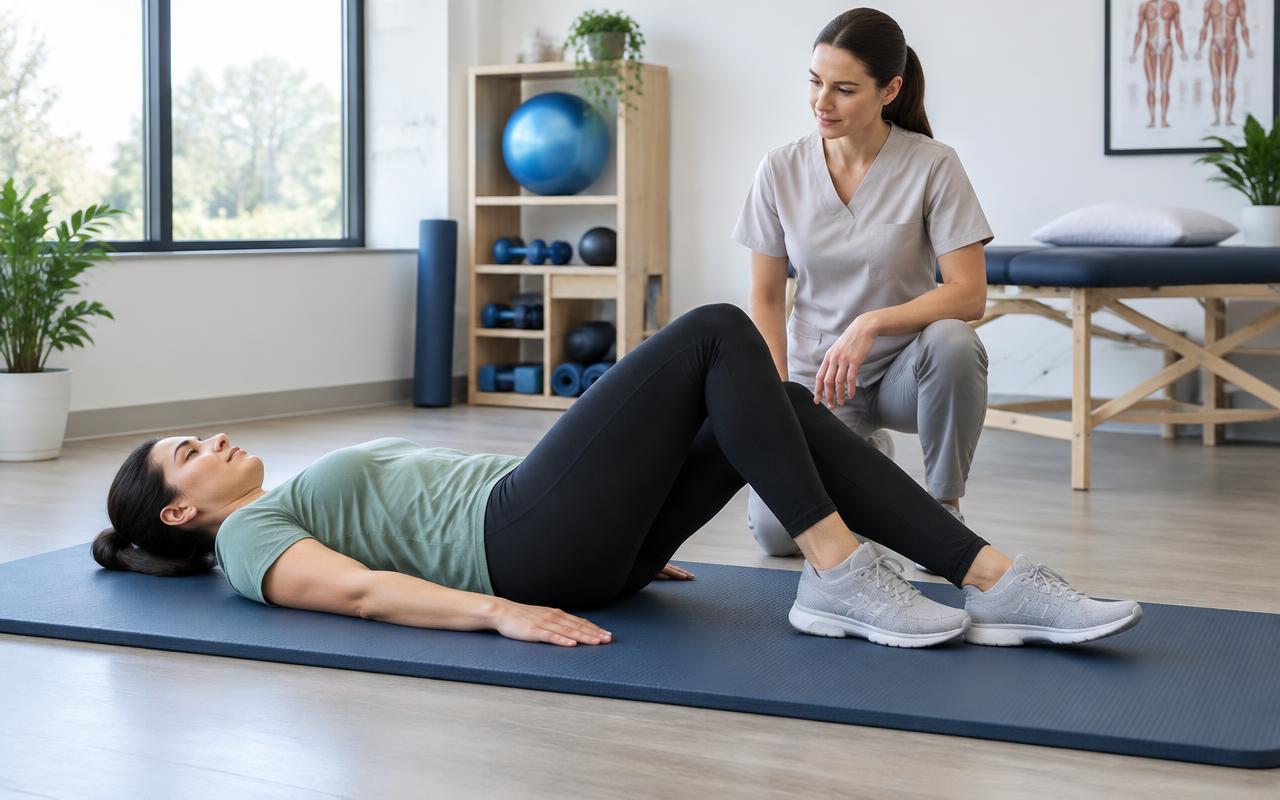
A programme may start with lower-load movements and introduce more demanding tasks as tolerance improves. A comfortable supported position, a gentle heel slide or a standing exercise are examples that might be discussed with a clinician. None is automatically appropriate for everyone, and this article does not prescribe a particular number of repetitions. Recent surgery, pain and pelvic symptoms can change the starting point.
Progress may involve changing one variable at a time: range, repetitions, duration or resistance. If pain, pelvic heaviness or unusual discomfort increases, adjust rather than push through. Record your response during activity and later that day so the next decision is based on your experience. Rest and sufficient recovery belong in the plan. An impressive-looking exercise is not necessarily the most useful exercise for your current needs.
Must you avoid crunches, planks and running forever?
The NHS postpartum guidance recommends initially avoiding some higher-load activities and sit-ups. This does not make these movements permanently dangerous. Reintroduction depends on healing, symptoms and your ability to tolerate the task. Visible doming deserves observation, but it does not by itself prove that tissue is tearing. Equally, the absence of a visible ridge does not automatically make an activity suitable.
If running is your goal, impact tolerance should be considered alongside general strength, birth recovery and pelvic symptoms. Another person may primarily want to carry groceries comfortably. Those different goals require different progressions. Absolute rules on social media can create unnecessary fear or encourage a premature return. Ask which modification makes sense now and how you will know when it is time to increase the challenge.
Lifting your baby and organizing daily tasks
Bringing your child closer before lifting can reduce the effort you feel. Change carrying positions and avoid spending long periods in the same posture when it becomes tiring. A comfortable changing height and supportive pillows during feeding can help reduce back strain. Never leave a baby unattended on a raised surface, even when you are trying to protect your own comfort.
Rolling onto your side and pushing up with your arms may make getting out of bed easier early on. It is not a lifelong movement rule. Share heavier tasks when possible and ask for help without guilt. Recovery happens in real life, often with interrupted sleep. A simple approach you can repeat is usually more practical than a lengthy routine that leaves you exhausted or cannot fit around caring responsibilities.
The roles of physiotherapy, osteopathy and massage
Physiotherapy may help with musculoskeletal assessment and progressive loading. Colin Teghen Tamuton, an OPPQ-member physiotherapist, is part of the Réhabital team. Discuss specialized postpartum needs when booking. External referral remains appropriate when the required service is outside what the clinic provides, particularly when internal pelvic assessment or complex postnatal care is needed.
Osteopathy with Shahram Ghasemi, MD (Iran), DOMP may be considered for associated musculoskeletal discomfort. Manual treatment should not be described as repairing the linea alba. Massage may address back or shoulder comfort, but it does not close abdominal separation. Our prenatal and postnatal massage article provides related information without replacing an abdominal rehabilitation plan.
Track improvements that matter to your life
Choose two or three useful markers: getting up more easily, walking without unusual fatigue, or carrying your child more comfortably. Abdominal measurements may supplement these observations but should not erase meaningful functional gains. Back pain has many possible contributors, and a change in symptoms does not establish that every episode was caused by abdominal separation. A broad assessment is more useful than a single explanation for all discomfort.
Recovery may unfold over weeks or months, with no guaranteed completion date. If nothing changes, symptoms worsen or new problems arise, reassessment is appropriate. Surgery can be discussed medically for selected persistent situations or an associated hernia. It is neither a universal requirement nor a personal failure of rehabilitation. The decision should reflect your symptoms, goals and clinical findings rather than pressure to match a particular body image.
Preparing for a Réhabital appointment
Réhabital is located at D4-5800 Cavendish Boulevard in Cavendish Mall, Côte Saint-Luc, on the Island of Montréal. The clinic has ground-floor access and free parking. Describe your concern when booking through Jane App, or call 438-842-3550 to discuss which service is appropriate. Bring any instructions from your postnatal healthcare team.
Current fees are listed on our pricing page. Confirm private insurance coverage for the service and practitioner before attending; reimbursement cannot be guaranteed. The clinic does not accept CNESST or SAAQ treatment files. There is no need to choose a package before understanding your needs. A clear description of your symptoms, delivery history and goals helps make the appointment more relevant.
Sources and limits of this guide
General information about postnatal recovery and abdominal separation is based on the NHS guide to your post-pregnancy body. The OPPQ website explains physiotherapy and professional regulation in Québec. These resources support general principles rather than a diagnosis of your individual situation.
Personal assessment is needed to choose exercises, account for a scar or hernia, address pelvic symptoms and determine whether medical input is required. The central message is to build more comfortable function without promising perfect gap closure and without blaming someone for normal changes after pregnancy. If advice feels confusing or contradictory, bring the question to a professional instead of repeatedly testing a painful movement on your own.
Frequently asked questions
Go deeper with our dedicated physiotherapy pages
Physiotherapy pages with Colin Teghen Tamuton (OPPQ) in Côte Saint-Luc:
Related articles
Returning to Walking, Running, the Gym and Lifting After Sciatica
Feeling better is not the same as being ready. Our physiotherapists lay out a staged return to walking, running, gym work and lifting, with simple rules for when to progress.
Prenatal and Postnatal Massage: Our Complete Protocol, From Pregnancy to the Fourth Trimester
Exactly what we do at each trimester, how we prepare the pelvis and nervous system for birth, and how we support recovery after delivery — including after a caesarean — at our Côte Saint-Luc clinic.
Rehabilitation After Hip or Knee Replacement: What to Expect Week by Week
A week-by-week guide to recovery after hip or knee replacement surgery, from first steps to returning to full activity.
Ankle Sprain Recovery Timeline: Walk, Run & Sport by Grade
Week-by-week ankle sprain recovery timeline for grade I, II and III sprains: when to walk, run and return to sport. Grade I, II or III? Discover realistic healing timelines for each type of ankle sprain and the precise criteria to safely return to walking, running, and sport.
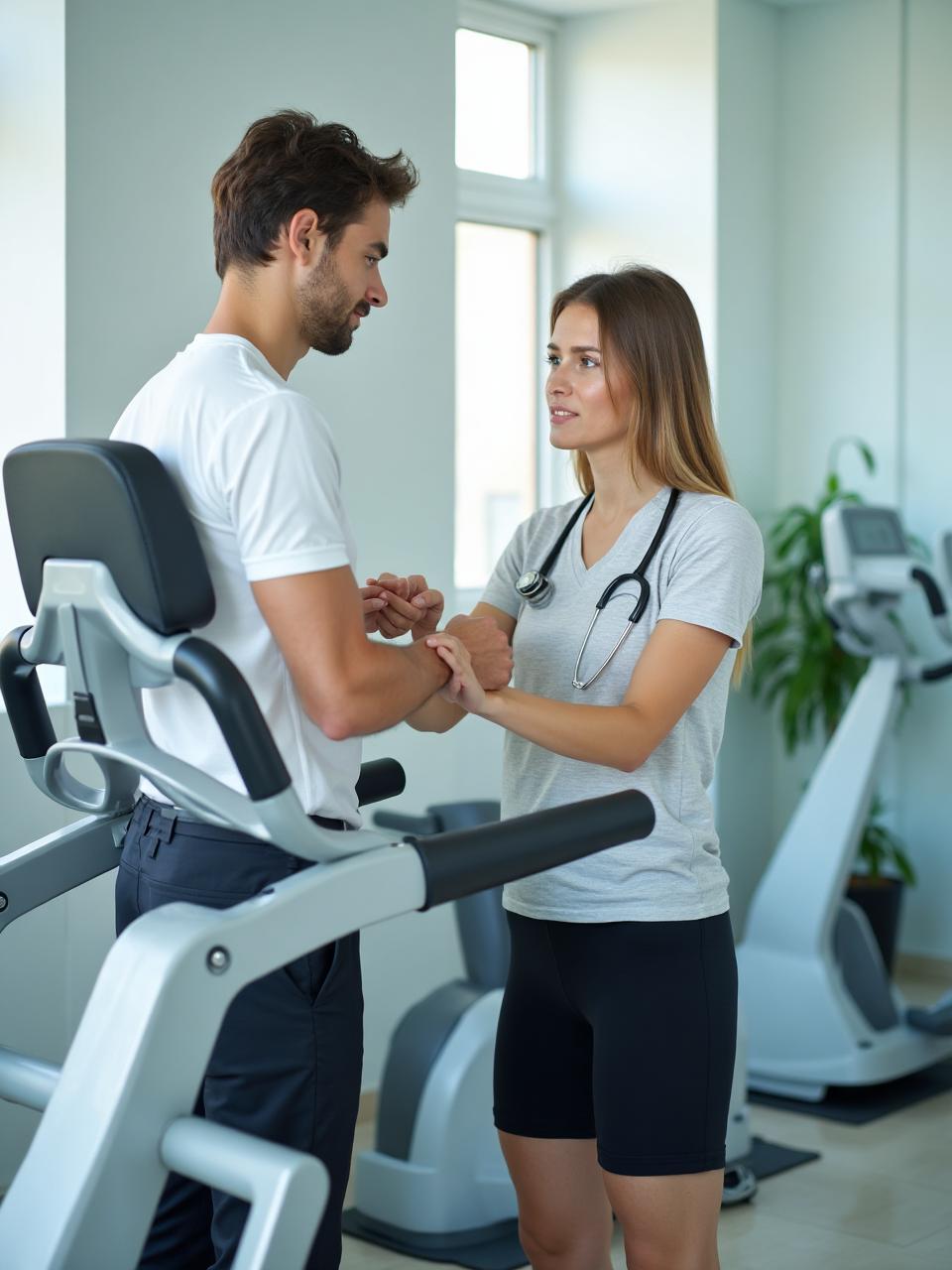
Physiotherapy for Knee Pain, Sports Injuries & Post-Surgery Recovery in Montreal
How physiotherapy treats knee pain, ACL injuries, frozen shoulder and post-surgical recovery. Evidence-based rehabilitation protocols at our Montreal clinic.
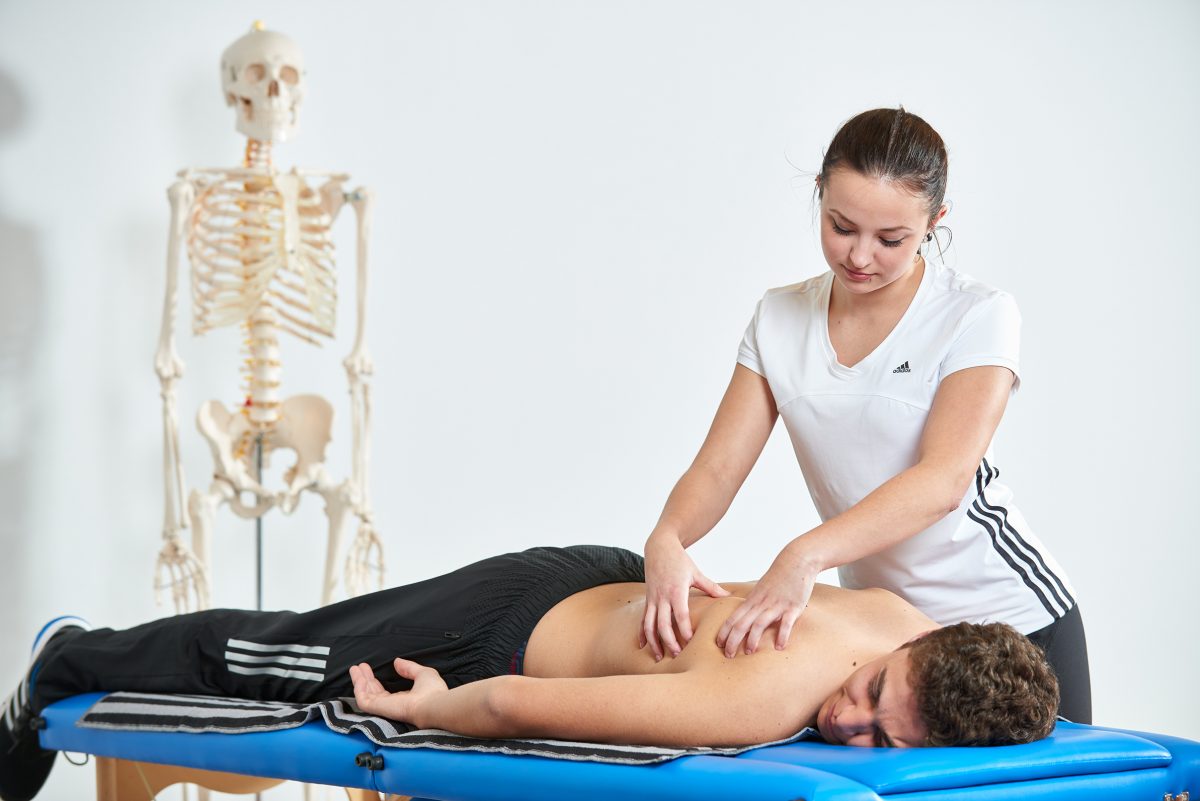
Physiotherapy and Osteopathy Combined: Why Réhabital Integrates Both in Every Treatment Plan
In Côte Saint-Luc, our difference is not simply offering physiotherapy and osteopathy side by side — we combine them inside one personalized treatment plan. Here is how this integration accelerates recovery and who benefits the most.