
Ankle Sprain Recovery Timeline: Walk, Run & Sport by Grade
Week-by-week ankle sprain recovery timeline for grade I, II and III sprains: when to walk, run and return to sport. Grade I, II or III? Discover realistic healing timelines for each type of ankle sprain and the precise criteria to safely return to walking, running, and sport.
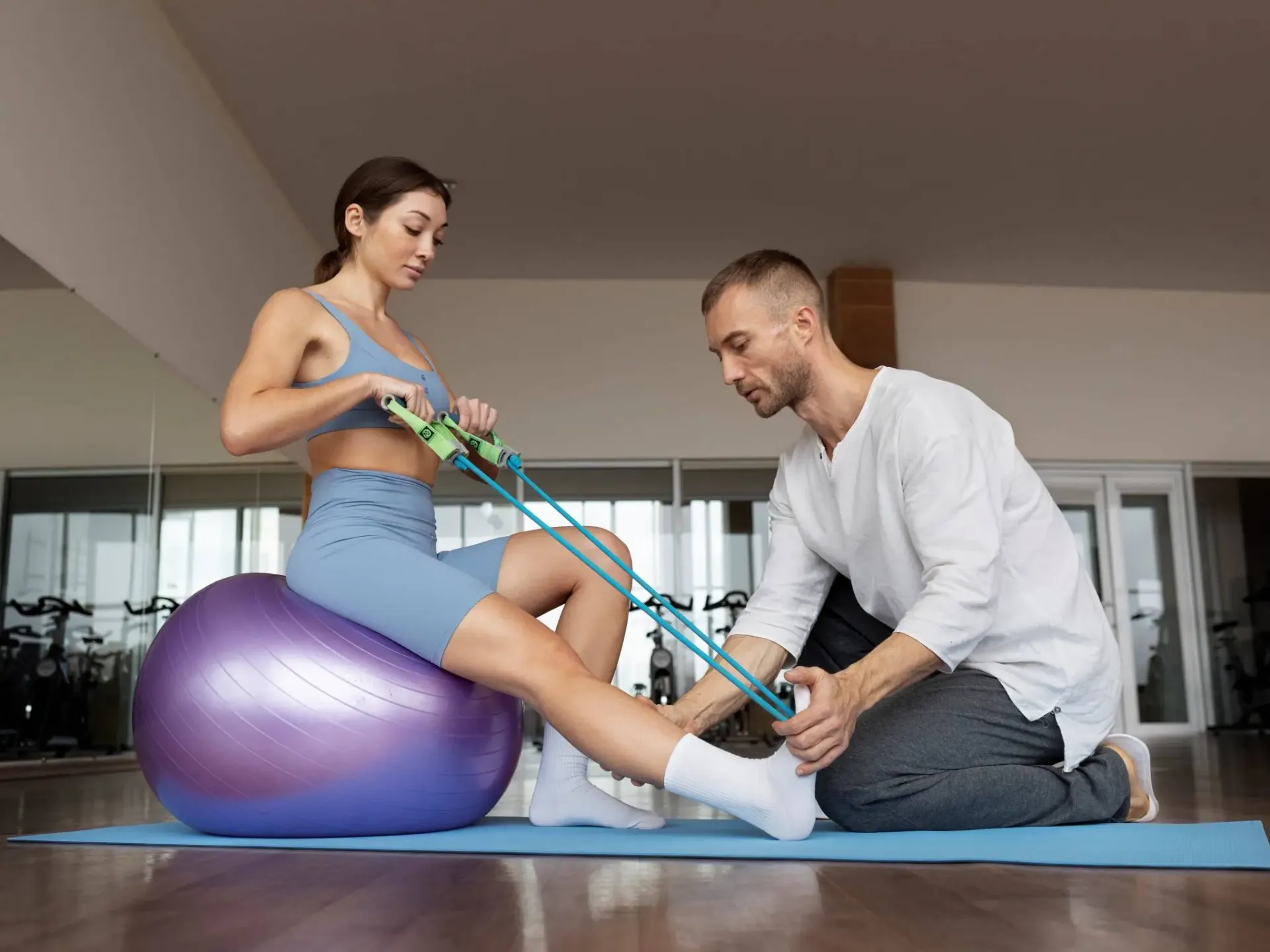
Ankle sprains are among the most common musculoskeletal injuries, affecting both athletes and everyday active individuals. Yet one question comes up constantly in our treatment rooms in Côte Saint-Luc: "When will I be able to walk normally again, start running, and finally return to my sport?" The answer largely depends on the severity of the sprain, but also on the quality of the rehabilitation undertaken.
In this article, we detail the three grades of ankle sprain, the realistic healing timelines associated with each, and most importantly the objective criteria to meet before progressively resuming walking, running, and sport. A well-structured rehabilitation program in physiotherapy in Côte Saint-Luc can make all the difference between a full recovery and the development of chronic ankle instability.
Understanding Ankle Sprain Grades
Ankle sprains are classified into three grades based on the severity of ligament damage, most commonly involving the anterior talofibular ligament, the ligament most frequently affected in an inversion sprain.
Grade I: Mild Sprain
A grade I sprain involves mild stretching of the ligament fibers without significant tearing. Symptoms include mild pain, minimal swelling, and little to no joint instability. The person can generally bear weight on the ankle with limited discomfort.
Grade II: Moderate Sprain
A grade II sprain involves a partial tear of the ligament fibers. It presents with moderate to significant pain, more noticeable swelling, sometimes bruising, and perceptible joint instability. Weight-bearing may be painful and temporarily require crutches.
Grade III: Severe Sprain
A grade III sprain corresponds to a complete rupture of one or more ligaments. It causes intense pain, significant swelling, marked bruising, and significant joint instability. Weight-bearing is often very difficult or even impossible in the first days following the injury.
Realistic Healing Timelines by Grade
While everyone heals at their own pace, here are general benchmarks based on musculoskeletal rehabilitation literature:
- Grade I: return to normal walking within a few days to a week; progressive return to running possible as early as 1 to 2 weeks; full return to sport often between 2 and 4 weeks.
- Grade II: return to normal walking within 1 to 3 weeks; progressive return to running generally between 3 and 6 weeks; full return to sport often between 6 and 8 weeks.
- Grade III: return to normal walking may take 3 to 6 weeks or more, sometimes with initial use of a rigid brace or crutches; return to running generally not before 6 to 8 weeks; full return to sport often between 3 and 6 months, depending on the structure affected and whether surgical intervention was needed.
These timelines are general benchmarks, not guarantees. Actual progression should always be based on objective functional criteria rather than the simple passage of time, as detailed below.
The Phases of Rehabilitation
Phase 1: Pain and Inflammation Control
In the first 48 to 72 hours, the priority is to reduce inflammation and pain using the protection, relative rest, ice, compression, and elevation protocol. Gentle, early mobilization under professional supervision is generally preferable to prolonged immobilization, which can delay healing and promote joint stiffness.
Phase 2: Restoring Mobility and Weight-Bearing
Once the acute phase has passed, the goal is to restore full range of motion and normal weight-bearing without significant pain. Active mobility exercises, gentle stretching, and a gradual resumption of walking are introduced during this phase.
Phase 3: Strengthening and Proprioception
This phase, often neglected by those who try to rehabilitate on their own, is nonetheless essential to prevent recurrence. It includes progressive strengthening of the peroneal and ankle-stabilizing muscles, as well as specific proprioception training, meaning the joint's ability to sense its position in space. Studies show that a persistent proprioceptive deficit after a sprain is a major risk factor for recurrence.
Phase 4: Progressive Return to Running and Sport
This final phase includes a gradual reintroduction of running, plyometric exercises (jumps), direction changes, and movements specific to the sport practiced, before a full return to competition or regular sporting activity.
Objective Criteria for Returning to Walking
Before resuming normal walking without an assistive device, you should be able to bear full weight on the ankle without significant pain, walk with a symmetrical gait pattern without limping, and have a range of motion in the ankle close to normal.
Objective Criteria for Returning to Running
Returning to running should not be based solely on the calendar, but on precise functional criteria, including: the ability to walk without pain or limping over long distances, the ability to balance on the affected leg for at least 30 seconds with eyes open, and the ability to perform single-leg hops in place without pain or noticeable instability.
Objective Criteria for a Full Return to Sport
A full return to sport, particularly for sports involving rapid direction changes such as soccer, basketball, or hockey, should meet even stricter criteria: symmetrical muscle strength compared to the unaffected leg (generally at least 90% of the strength of the healthy side), the ability to perform single-leg hop tests with satisfactory distance and symmetry, absence of pain or apprehension during movements specific to the sport practiced, and ideally a comprehensive functional assessment by a rehabilitation professional.
Returning too early, before these criteria are met, considerably increases the risk of recurrence and can lead to chronic ankle instability, a condition that negatively affects long-term function and increases the risk of repeated injuries.
The Role of Physiotherapy in Ankle Rehabilitation
Treatment in physiotherapy in Montreal helps accelerate healing and significantly reduce the risk of recurrence. Our physiotherapists assess the severity of your sprain, establish a personalized treatment plan, and guide you through each phase of rehabilitation using objective, measurable criteria, rather than simply telling you to wait until the pain disappears.
In some cases, a complementary osteopathy approach can also be beneficial in addressing postural compensations or mobility restrictions that often develop following a sprain, particularly at the knee, hip, or lower back. Massage therapy can also help manage compensatory muscle tension that arises during the period of limping.
This injury is frequently addressed alongside our page on specific ankle sprain treatment, where we detail in greater depth the manual techniques and exercise protocols used in clinic.
What a Session at Our Clinic Involves
During your initial assessment for an ankle sprain at our Côte Saint-Luc clinic, your physiotherapist first determines the grade of the sprain using specific clinical tests, including ligament stress tests and, when needed, application of the Ottawa Ankle Rules to determine whether imaging is required. Range of motion, peroneal muscle strength, and single-leg balance are also assessed to establish a baseline.
Based on this assessment, a personalized treatment plan is developed, combining manual therapy to restore joint mobility, progressive strengthening exercises, and proprioceptive retraining on unstable surfaces. Follow-up sessions allow the plan to be adjusted according to your progress and objectively confirm when you are ready to move from one rehabilitation phase to the next.
Load Management and Progression
As with any musculoskeletal injury, load progression must be individualized. Too much rest promotes stiffness, strength loss, and proprioceptive deconditioning, while returning to activity too quickly exposes you to a high risk of recurrence. Our approach is to progress through measurable stages: partial weight-bearing, full walking without a limp, straight-line running, and then direction-change and jumping exercises, with each stage validated by objective criteria rather than the simple passage of time.
Home Exercises
A home exercise program considerably speeds up recovery. This typically includes ankle range-of-motion exercises (drawing the alphabet with the foot), isometric and then dynamic strengthening of the peroneal muscles with a resistance band, single-leg balance exercises (first on a stable surface, then on an unstable cushion), and eventually light plyometric exercises in the more advanced phases.
It is important to follow the progression recommended by your physiotherapist rather than advancing too quickly, since poorly dosed proprioceptive exercises can sometimes irritate a joint that is still fragile.
Serving Residents Across the Region
We regularly treat patients from Côte Saint-Luc, Hampstead, Notre-Dame-de-Grâce, Westmount, Snowdon, and Montréal-Ouest, whether they are athletes injured during a soccer or hockey game, or individuals who slipped on an icy sidewalk in winter, a common cause of ankle sprains in our Montreal climate. Our extended hours, Monday to Friday from 10:00 AM to 8:00 PM and Sunday from 10:00 AM to 4:00 PM, make it easy to book a prompt appointment after an acute injury.
Warning Signs to Watch For
While the majority of ankle sprains heal well with appropriate rehabilitation, certain signs require prompt medical consultation: complete inability to bear weight on the ankle immediately after the injury, visible deformity of the joint, numbness or loss of sensation in the foot, abnormal discoloration of the toes suggesting a circulatory issue, or pain and swelling that worsen instead of improving over time. These signs may indicate an associated fracture or a more complex injury requiring medical imaging.
Preventing Recurrent Sprains
Once rehabilitation is complete, it is important to maintain a maintenance program including proprioception exercises and ankle muscle strengthening, particularly for those participating in high-risk sports. Wearing a brace or using taping during the first few months of returning to sport can also provide additional protection while confidence and stability are fully restored.
For more resources on sports injury rehabilitation, visit our blog or our page on sports injury treatment.
Book an Appointment with Our Team
At Clinique Réhabital, our multidisciplinary team, introduced on our team page, supports you at every stage of your recovery from an ankle sprain, from initial pain control to a full and safe return to your sport. We are open Monday to Friday from 10:00 AM to 8:00 PM and Sunday from 10:00 AM to 4:00 PM (closed Saturday).
Book your assessment now to get a personalized rehabilitation plan and regain a stable, functional ankle. We accept most private insurance plans as well as SAAQ claims for sprains resulting from motor vehicle accidents (we do not accept CNESST claims). See our policies page for more details.
This article is provided for informational purposes only and does not replace a medical consultation or a personalized professional assessment. No diagnosis can be made online. If you cannot bear weight on your ankle, or if you notice deformity, numbness, or discoloration of the toes, seek immediate medical attention.
Frequently asked questions
Go deeper with our dedicated physiotherapy pages
Physiotherapy pages with Colin Teghen Tamuton (OPPQ) in Côte Saint-Luc:
Related articles
Returning to Walking, Running, the Gym and Lifting After Sciatica
Feeling better is not the same as being ready. Our physiotherapists lay out a staged return to walking, running, gym work and lifting, with simple rules for when to progress.
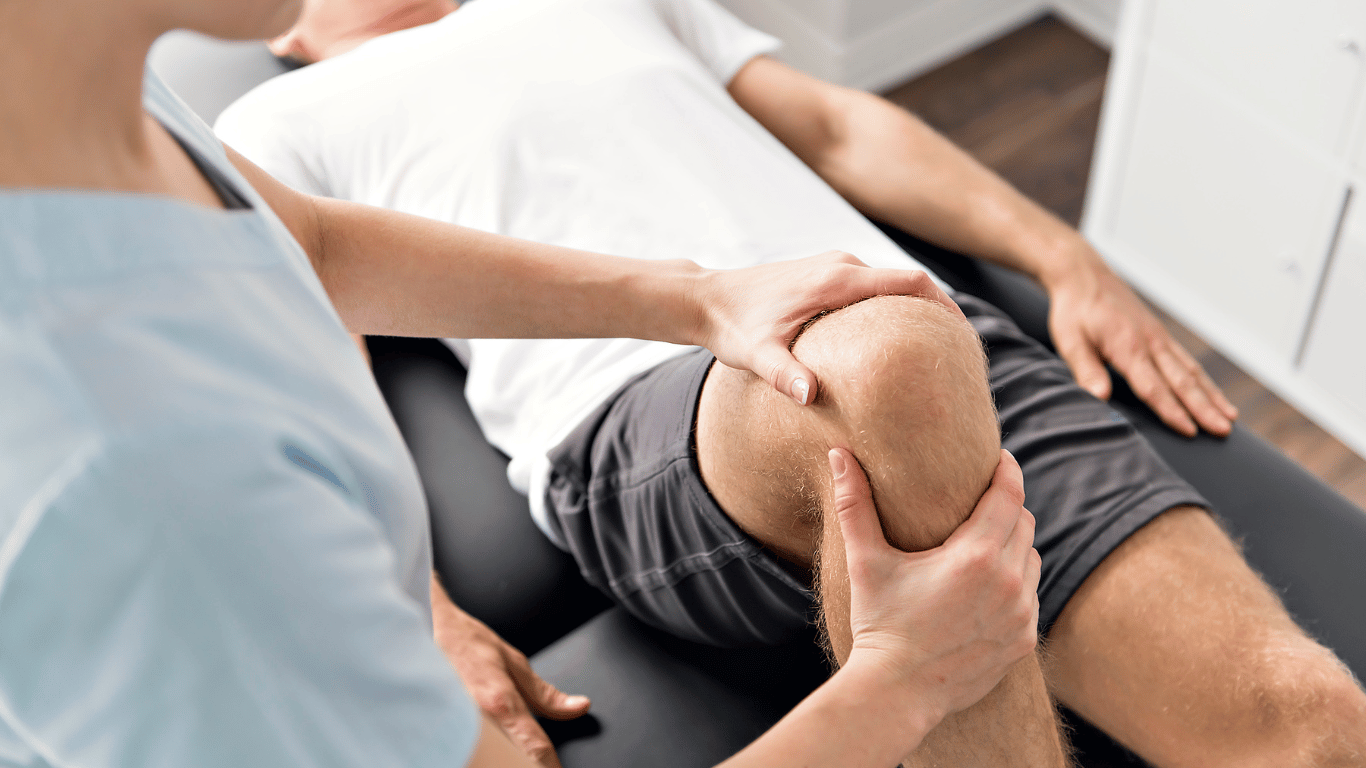
Knee Pain: How Osteopathy and Physiotherapy Treat It in Côte Saint-Luc
Knee that clicks, burns, locks or gives way? Learn how Réhabital's osteopaths and physiotherapists assess and treat knee pain — from osteoarthritis and patellofemoral syndrome to ligament sprains and tendinopathies.

Physiotherapy for Knee Pain, Sports Injuries & Post-Surgery Recovery in Montreal
How physiotherapy treats knee pain, ACL injuries, frozen shoulder and post-surgical recovery. Evidence-based rehabilitation protocols at our Montreal clinic.
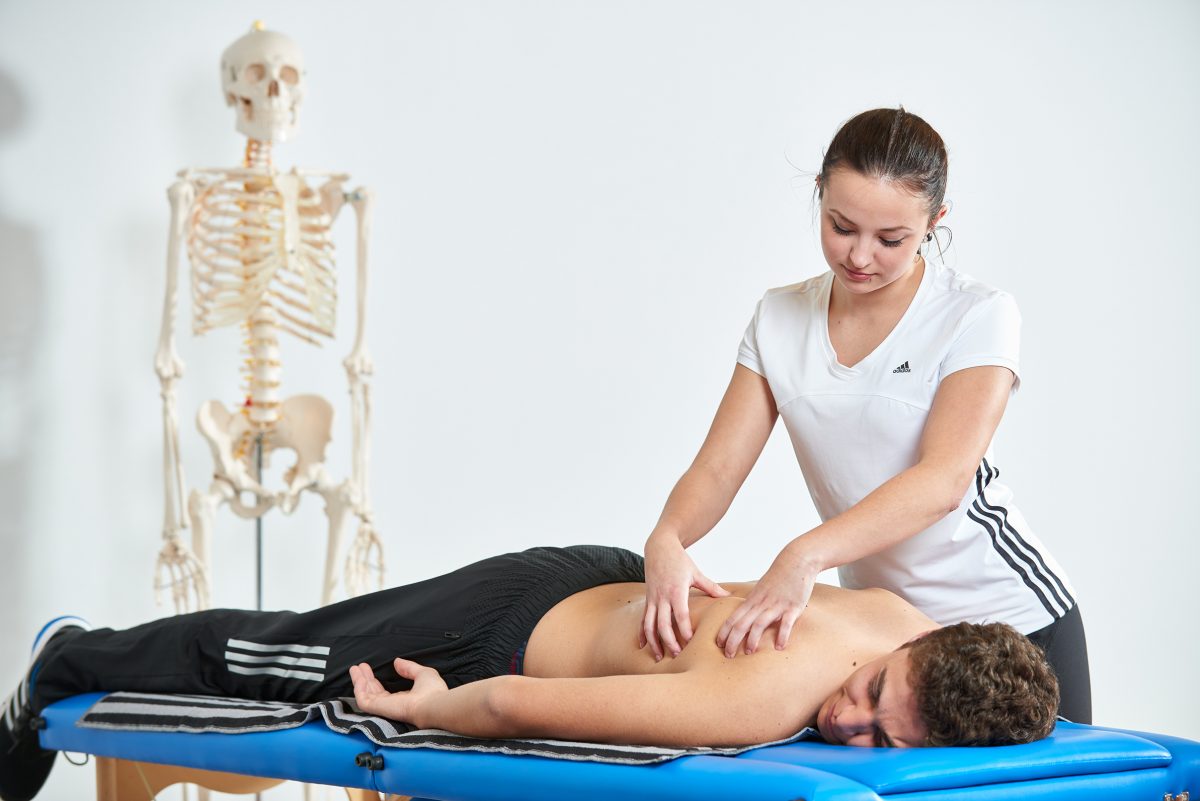
Physiotherapy and Osteopathy Combined: Why Réhabital Integrates Both in Every Treatment Plan
In Côte Saint-Luc, our difference is not simply offering physiotherapy and osteopathy side by side — we combine them inside one personalized treatment plan. Here is how this integration accelerates recovery and who benefits the most.
Vestibular Rehabilitation Therapy (VRT) in Physiotherapy in Côte Saint-Luc: Vertigo, Imbalance and Getting Your Life Back
Vestibular rehabilitation is a customized exercise program that retrains the brain's balance system after BPPV, vestibular neuritis, concussion or PPPD. Here is how we deliver it in physiotherapy at Réhabital, Côte Saint-Luc.
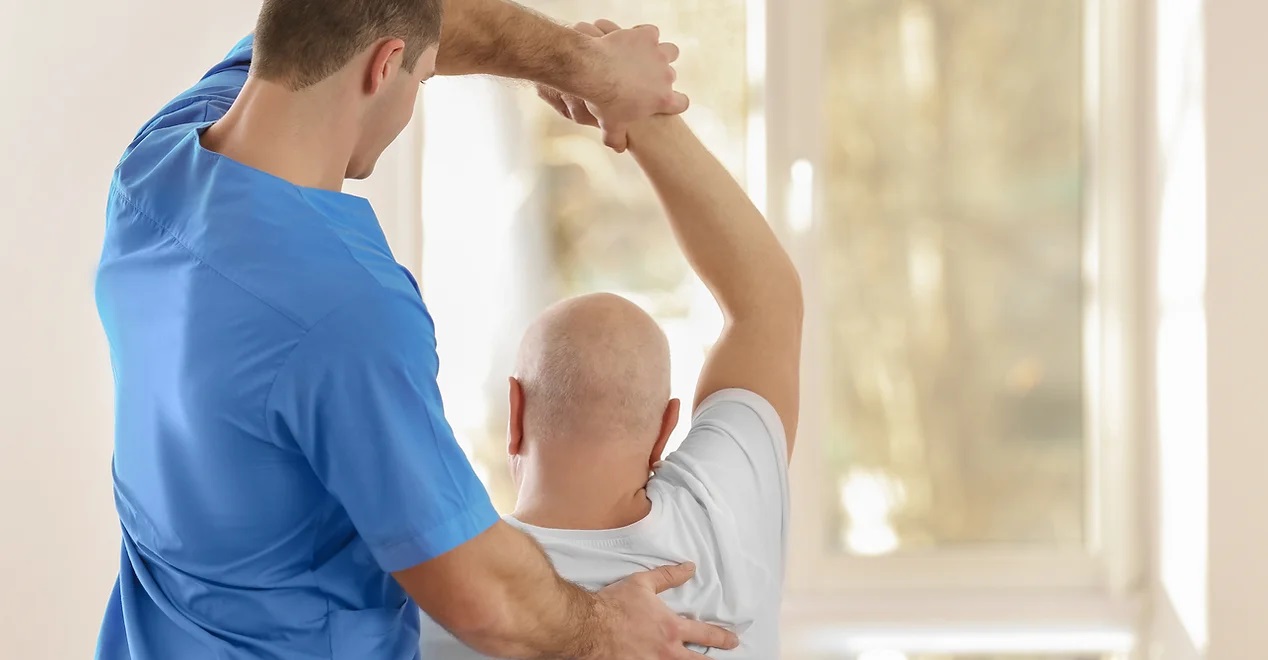
Shoulder Pain: How Physiotherapy Treats Rotator Cuff Injuries and Frozen Shoulder
A shoulder that hurts at night, catches when you lift your arm, or loses range month after month is almost never simple unavoidable wear. Here is how a structured physiotherapy plan restores strength and range in Côte Saint-Luc.