
Rehabilitation After Hip or Knee Replacement: What to Expect Week by Week
A week-by-week guide to recovery after hip or knee replacement surgery, from first steps to returning to full activity.
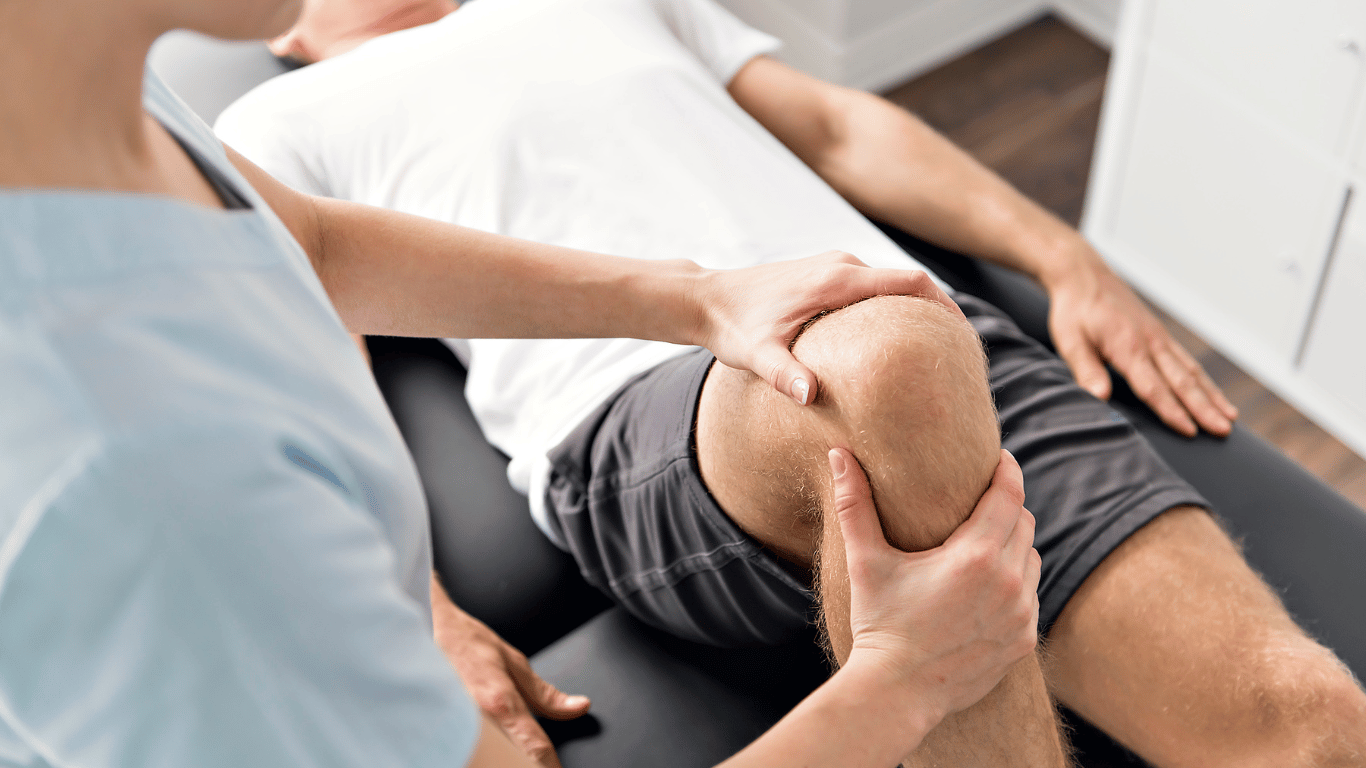
A hip or knee replacement can transform a life defined by chronic pain into one of renewed activity and mobility. But the surgery itself is only the first step. The real transformation happens during the weeks and months of rehabilitation that follow, when the body relearns how to move, bear weight, and trust the reconstructed joint. At Clinique Réhabital in Côte Saint-Luc, we guide many patients through this journey, from the walker of day one to a return to gardening, golf, or pain-free daily walking.
This guide outlines what you can reasonably expect, week by week, after hip or knee replacement surgery. Every recovery is unique, shaped by age, baseline fitness, surgical technique, and the presence of other conditions such as arthritis. Still, the major milestones follow a fairly predictable pattern that your physiotherapy team will use to guide your treatment plan.
Weeks 0 to 2: Protection, Pain Control and First Steps
Immediately after surgery, the main goal is to protect the newly replaced joint while avoiding complications like blood clots and excessive stiffness. Most hospitals get patients up and walking, with assistance, within 24 hours of the operation. This can feel intimidating, but early mobilization is one of the most important factors for a good recovery.
During this period, you will likely use a walker or crutches. Managing pain and swelling is a priority: ice, elevating the limb, and medication prescribed by your surgeon. Exercises are gentle: ankle pumps, quadriceps sets, heel slides, and short indoor walking. The goal is not yet strength, but circulation, preventing stiffness, and protecting the surgical wound.
A physiotherapist may begin visiting at home or seeing you in clinic toward the end of this period, depending on your mobility. They will assess your wound, your range of motion, and your ability to perform daily activities like standing up from a chair or climbing a few steps.
Weeks 2 to 6: Progressive Strengthening and Weaning Off Walking Aids
This is often when progress becomes visible. Pain gradually decreases, swelling starts to resolve, and most patients transition from a walker to a cane, and sometimes to walking without support inside the home. Exercises progress toward more active strengthening: mini-squats, closed-chain exercises, standing balance work, and walking longer distances.
For knee replacements, particular emphasis is placed on regaining range of motion, since stiffness that sets in during this window can be harder to correct later. For hip replacements, certain positional precautions may still apply depending on the surgical approach used (posterior or anterior), and your physiotherapist will guide you on movements to temporarily avoid, such as crossing your legs or bending too deeply.
Driving is often reassessed during this window, typically between two and six weeks, depending on the surgical side and stopping narcotic pain medication. Many patients also start feeling a natural urge to "do more," which needs to be balanced with patience: too much activity too soon can trigger swelling and temporary setbacks.
Weeks 6 to 12: Functional Recovery and Return to Light Activities
Between six and twelve weeks, most patients are walking without an assistive device, going up and down stairs normally, and can resume light activities like extended outdoor walking, stationary cycling, or swimming, with their surgeon's approval. Muscle strength continues improving, but often remains lower than in the non-operated limb, which justifies a targeted, asymmetric strengthening program.
This is also a good time to address compensations that developed over the preceding weeks: a slight limp, lower back tension from an altered gait, or stiffness in the opposite hip that compensated during recovery. An osteopathy assessment can be useful to release these secondary tensions once the surgeon confirms healing is sufficiently advanced. To better understand the differences between these complementary approaches, see our comparison of osteopathy versus physiotherapy.
Hip replacement patients can often be cleared to drop their positional precautions around this period, though this always depends on the surgeon's judgment.
3 to 6 Months: Consolidation, Return to Leisure Activities and Long-Term Prevention
At this stage, most patients feel significantly closer to their "new normal." Activities like golf, dancing, light hiking, or long walks become realistic for many. Some higher-impact sports remain permanently discouraged depending on the type of prosthesis, and it is important to follow your orthopedic surgeon's specific recommendations on this.
The role of physiotherapy then shifts toward consolidation: more advanced strengthening, dynamic balance work, and a gradual return to the activities that matter most to you, whether playing with grandchildren, traveling, or resuming gardening. For older patients, a fall prevention and strength maintenance program becomes particularly relevant, since newly regained joint stability needs to be supported by strong muscles.
Many patients also choose to add massage therapy to their recovery program at this stage, to address chronic muscle tension that persists in the legs, hips, or back. Our massage therapy team often works in coordination with physiotherapists to provide comprehensive care.
Home Exercises to Support Your Recovery
Between physiotherapy sessions, a consistent home exercise program is essential to maintain the progress made in clinic. This typically includes ankle pumps and quadriceps sets in the first days, then mini-squats, hip extensions while lying down, and timed walks as tolerance improves. Your physiotherapist will adjust this program at each visit based on your progress, taking into account pain, swelling, and observed range of motion.
It is important to respect the weight-bearing instructions given by your surgeon, particularly in the first weeks, and not to exceed the recommended intensity even if you feel motivated to progress faster. Progressing too quickly is one of the most common causes of temporary setbacks.
Insurance Coverage and Practical Considerations
Most private insurance plans cover post-arthroplasty physiotherapy services, and we also accept SAAQ claims for cases related to a motor vehicle accident. Please note, however, that we do not accept CNESST claims at this time. We recommend checking your specific coverage with your insurer before starting, so you can adequately plan the frequency of your sessions.
Serving the Côte Saint-Luc Community and Surrounding Areas
Our clinic welcomes patients from Côte Saint-Luc as well as Hampstead, Notre-Dame-de-Grâce (NDG), Westmount, Snowdon, and Montreal West, many referred directly by their orthopedic surgeon after hip or knee replacement. Our clinic's proximity allows for frequent visits during the critical first weeks, a factor that significantly contributes to better long-term functional outcomes. Our flexible hours, Monday to Friday from 10:00 a.m. to 8:00 p.m. and Sunday from 10:00 a.m. to 4:00 p.m., make it easier to schedule appointments for people gradually returning to work or family activities.
Realistic Long-Term Outlook
Most people who complete a full course of post-surgical physiotherapy report significantly less pain and much greater function than before surgery, often describing the joint replacement as one of the best health decisions they have made. Occasional mild stiffness in cold weather or after long periods of inactivity remains common even years later, and is generally not a cause for concern.
Differential Signs: Normal Recovery Versus a Complication
Distinguishing expected post-surgical discomfort from a developing complication is one of the most valuable skills a physiotherapist brings to your recovery. Normal soreness tends to improve gradually day to day, responds to rest and elevation, and stays localized to the surgical area. In contrast, pain that suddenly worsens, spreads beyond the joint, or is accompanied by new warmth, redness, or fever suggests something different is happening and should not simply be pushed through with more exercise.
Warning Signs to Watch for Throughout Recovery
- Sudden, intense pain that differs from the usual post-surgical pain
- A warm, swollen, or tender calf, which may indicate a blood clot
- Fever, chills, or drainage from the surgical wound
- Chest pain or sudden shortness of breath
- Inability to bear weight on the leg when it was previously possible
If you experience any of these symptoms, seek immediate medical attention or go to the emergency room. Our team does not provide online diagnoses, and any urgent concern must be evaluated by a healthcare professional in person.
Mechanism Detail: How Bone Bonds to the New Joint
Understanding what is happening beneath the skin can make the recovery timeline feel less arbitrary. Most modern hip and knee implants rely on a process called osseointegration, in which living bone gradually grows into a porous or textured coating on the implant surface, or bonds to a thin layer of cement, to create a stable, load-bearing connection. This biological bonding process is not instantaneous: it typically takes six to twelve weeks for the initial bone ingrowth to become mechanically significant, and several months more for it to fully mature. This is one of the main reasons weight-bearing restrictions and activity limits exist early on, and why rushing high-impact activity in the first weeks, even if pain allows it, can compromise the long-term stability of the implant.
At the same time, the surrounding muscles, particularly the quadriceps after knee replacement and the hip abductors after hip replacement, undergo a period of inhibition immediately after surgery, a protective neurological response that temporarily reduces their ability to fully activate. This is why targeted strengthening exercises are introduced early, even before full bone integration is complete, since restoring muscle activation is just as important as protecting the implant itself.
Self-Care Between Sessions: Sleep, Nutrition and Swelling Control
What you do between physiotherapy appointments has a substantial impact on your overall recovery speed. Adequate sleep supports tissue healing and pain tolerance, so many patients find it helpful to use extra pillows to keep the operated leg elevated and supported at night, particularly in the first few weeks when swelling is most pronounced. Staying well hydrated and eating a diet rich in protein, vitamin C, and zinc supports wound healing and helps rebuild muscle mass that may have been lost before surgery due to pain-limited activity.
Swelling management deserves particular attention, since persistent swelling can slow range-of-motion progress and increase discomfort. Elevating the leg above heart level for short periods several times a day, applying ice for fifteen to twenty minutes at a time, and performing the ankle pump exercises taught by your physiotherapist all help move fluid out of the limb through the muscle-pump action of the calf. Compression stockings, if prescribed by your surgical team, should be worn as directed, since they play an important role in both swelling control and blood clot prevention during the early weeks.
Why Choose Clinique Réhabital for Your Post-Surgical Rehabilitation
Our team of physiotherapists in Côte Saint-Luc has extensive experience guiding patients after hip or knee replacement, as well as after other types of orthopedic surgeries. We develop personalized treatment plans based on your specific surgery, your pre-operative activity level, and your life goals. We accept most private insurance plans as well as SAAQ claims, though we do not accept CNESST claims. Our hours are Monday to Friday from 10:00 a.m. to 8:00 p.m. and Sunday from 10:00 a.m. to 4:00 p.m., closed on Saturday.
For more resources on orthopedic rehabilitation, visit our blog section or our dedicated page on knee pain. You can also meet our clinical team to learn more about the professionals who will support you.
Ready to start or optimize your rehabilitation after a hip or knee replacement? Contact Clinique Réhabital today to book an appointment with one of our physiotherapists in Côte Saint-Luc.
This article is provided for informational purposes only and does not replace a professional medical diagnosis. Always consult your surgeon or a qualified healthcare professional with questions about your recovery.
Frequently asked questions
Go deeper with our dedicated physiotherapy pages
Physiotherapy pages with Colin Teghen Tamuton (OPPQ) in Côte Saint-Luc:
Related conditions we treat
Related articles
After a Knee or Hip Replacement: A Week-by-Week Rehabilitation Plan
The first six weeks decide your final range of motion. Here is what real rehabilitation after a total knee or hip replacement looks like with our physiotherapist, founding osteopath and massage therapists in Côte Saint-Luc.

Physiotherapy for Knee Pain, Sports Injuries & Post-Surgery Recovery in Montreal
How physiotherapy treats knee pain, ACL injuries, frozen shoulder and post-surgical recovery. Evidence-based rehabilitation protocols at our Montreal clinic.
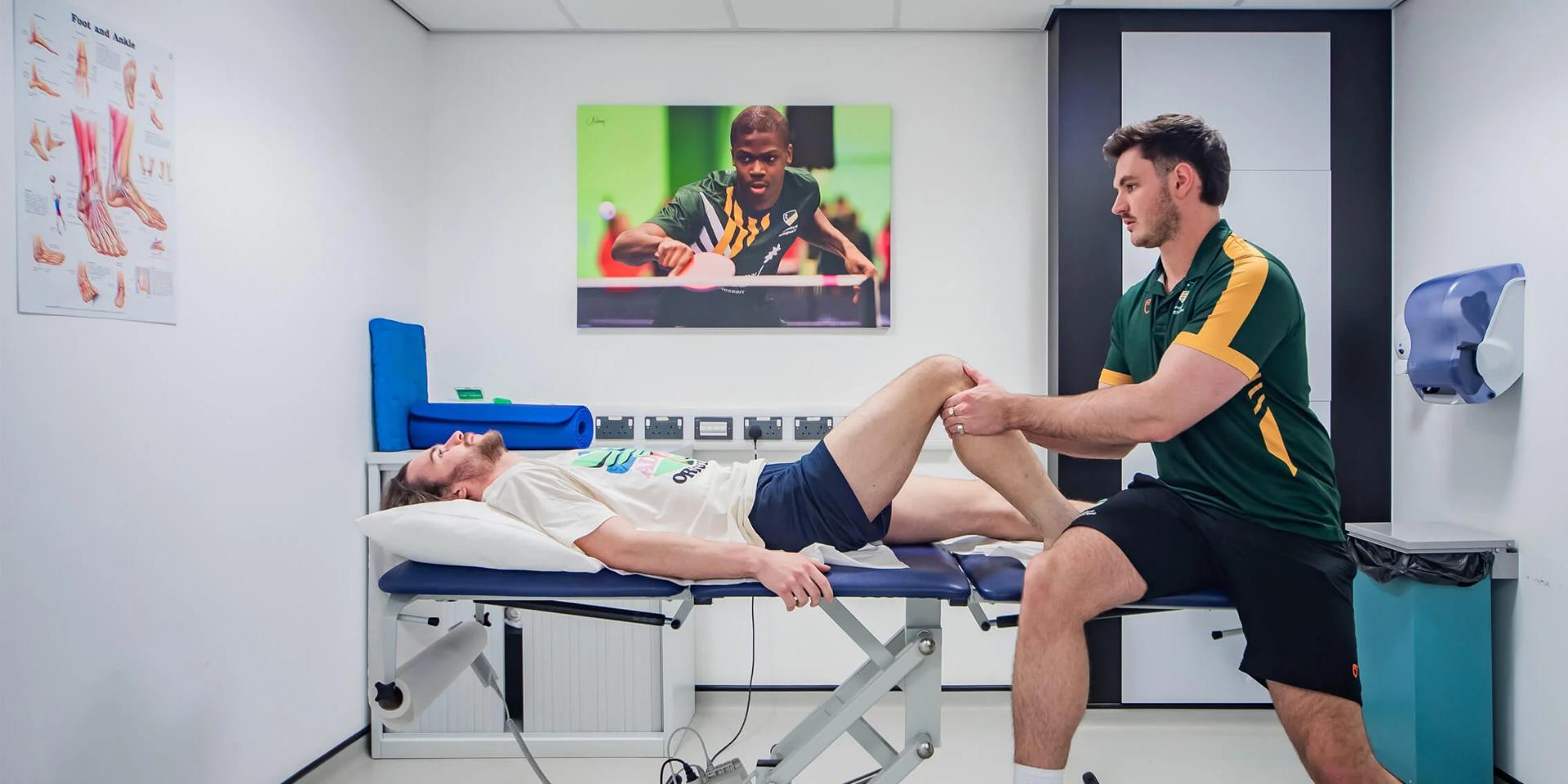
Why Our Physiotherapy Is Among the Best in Montreal
Discover what sets Réhabital's physiotherapy in Côte Saint-Luc apart: an OPPQ-licensed physiotherapist, advanced clinical equipment (Richmar SoundCare Plus), a multidisciplinary approach and measurable outcomes for patients across Montreal.
Your First Physiotherapy Appointment: What to Expect
Complete guide for your first physiotherapy visit in Côte Saint-Luc. Assessment, treatment, exercises and follow-up plan.
Knee Pain: How Osteopathy and Physiotherapy Treat It in Côte Saint-Luc
Knee that clicks, burns, locks or gives way? Learn how Réhabital's osteopaths and physiotherapists assess and treat knee pain — from osteoarthritis and patellofemoral syndrome to ligament sprains and tendinopathies.
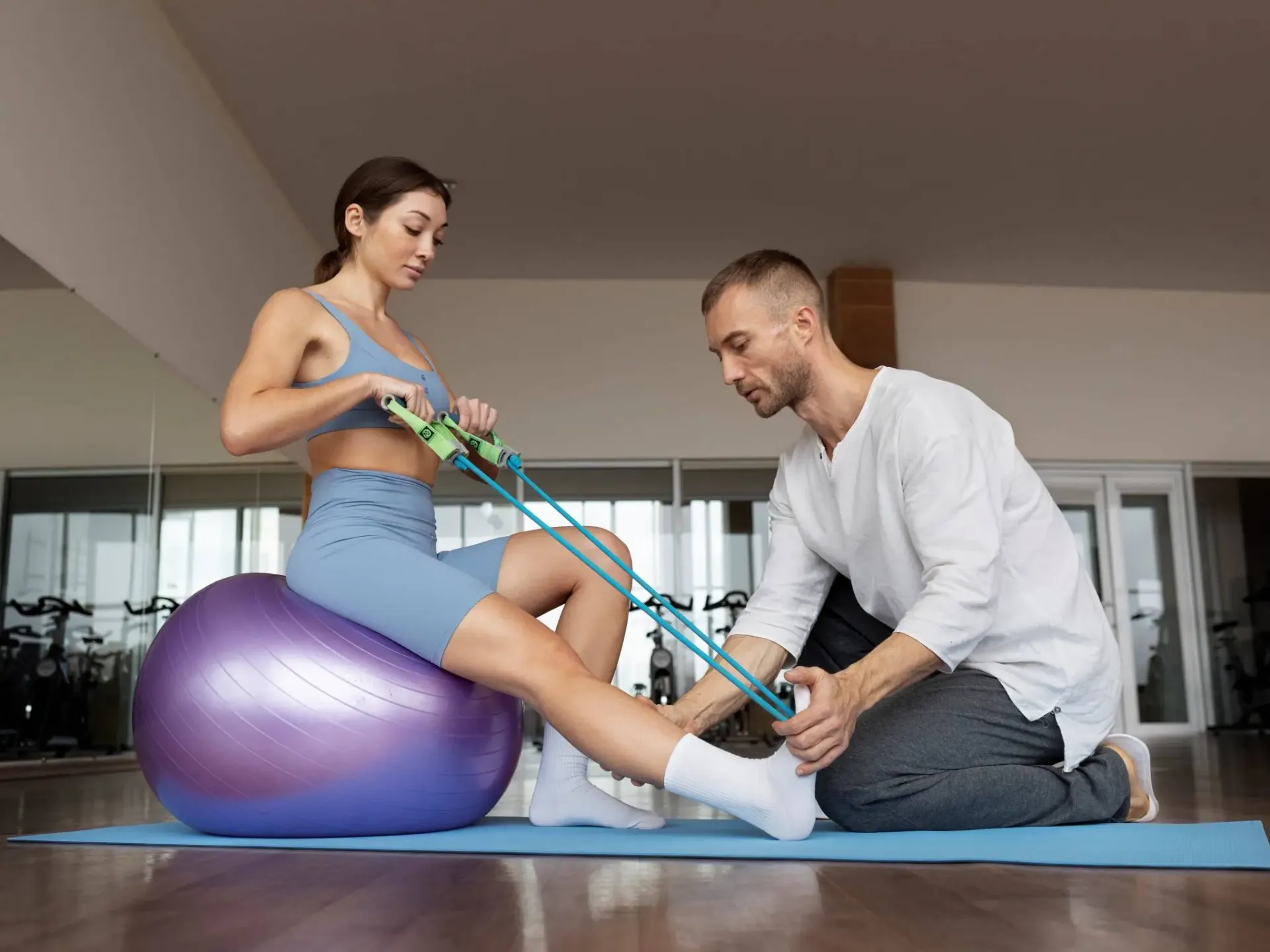
Returning to Walking, Running, the Gym and Lifting After Sciatica
Feeling better is not the same as being ready. Our physiotherapists lay out a staged return to walking, running, gym work and lifting, with simple rules for when to progress.