
Sciatica in Montreal: Osteopathy or Physiotherapy — Which Should You Choose?
Pain shooting down your leg? Discover how osteopathy and physiotherapy treat sciatica, and which approach fits your specific situation.
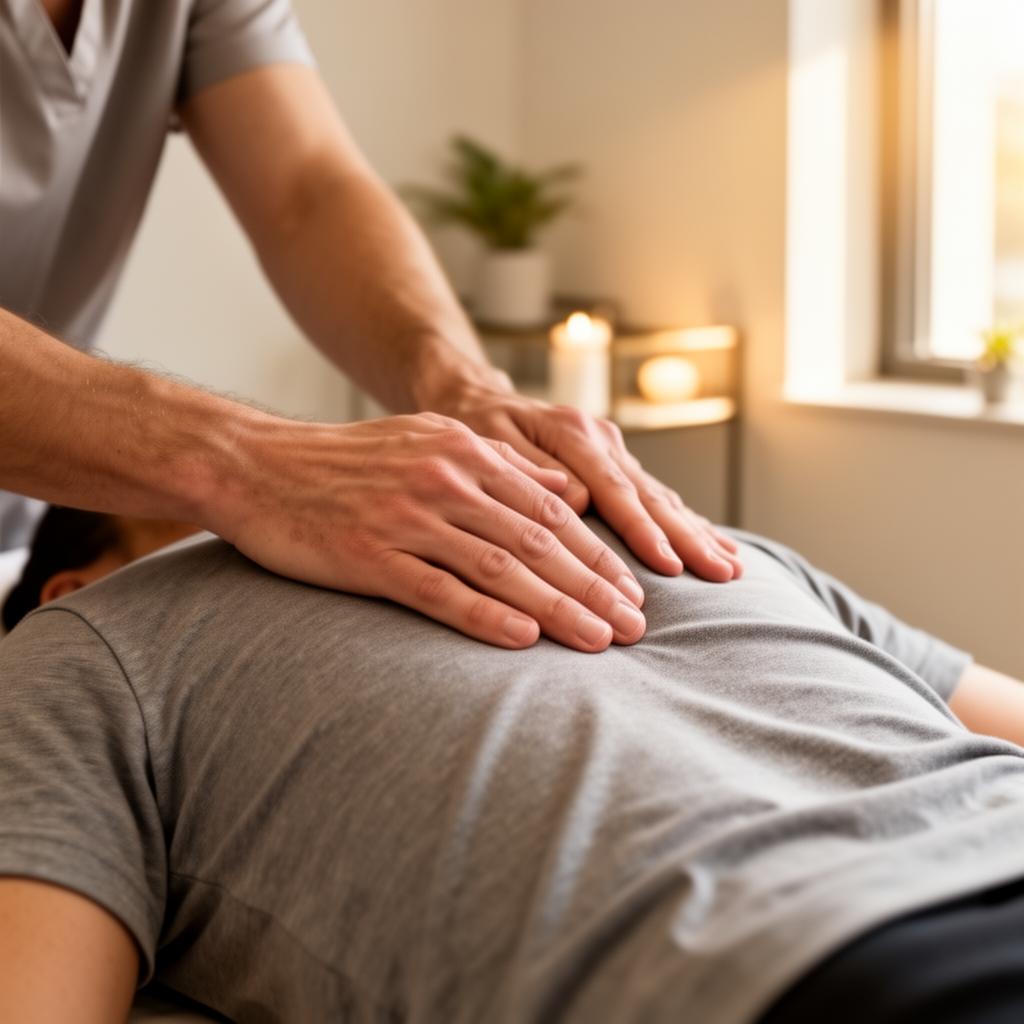
Sciatica is one of the most common and disabling conditions we see at our clinic in Côte Saint-Luc. Whether you live in Hampstead, NDG, Westmount, Snowdon, or Montréal-Ouest, this pain radiating down the leg can seriously disrupt daily life: difficulty sitting, driving, sleeping, or even walking normally. The good news is that sciatica responds very well to conservative care, provided you choose the approach best suited to your situation. This article compares osteopathy and physiotherapy to help you make an informed decision.
Understanding Sciatica
The sciatic nerve is the longest and widest nerve in the human body. It originates from several nerve roots in the lower back (L4 to S3), travels through or under the piriformis muscle in the buttock, then runs down the leg to the foot. When one of these nerve roots becomes irritated or compressed, pain can appear anywhere along this path, often accompanied by burning sensations, tingling, numbness, or muscle weakness.
The most common causes of sciatica include:
- Lumbar disc herniation: the intervertebral disc bulges or ruptures, which can compress an adjacent nerve root.
- Spinal stenosis: a narrowing of the spinal canal, more common in individuals aged 50 and older.
- Piriformis syndrome: excessive tension in the piriformis muscle that irritates the sciatic nerve as it passes through the buttock.
- Sacroiliac joint dysfunction: a mechanical imbalance of the pelvis that can refer similar pain.
- Facet joint arthritis and other degenerative changes in the lumbar spine.
It's important to understand that "sciatica" is not a diagnosis in itself, but a collection of symptoms. Identifying the precise cause is essential to guide treatment — this is where your therapist's clinical expertise makes all the difference.
The Osteopathic Approach to Sciatica
In osteopathy, sciatica treatment begins with a whole-body assessment, not just the painful area. The osteopath examines the mobility of the lumbar spine, pelvis, hips, and even the diaphragm, since restrictions in these regions can indirectly contribute to sciatic nerve irritation.
Techniques used include gentle mobilizations of vertebral and sacroiliac joints, myofascial techniques to release deep muscles like the piriformis and quadratus lumborum, and visceral techniques when relevant, since certain abdominal or pelvic tensions can influence lumbar posture. The goal isn't just to relieve pain, but to restore overall mechanical balance that reduces pressure on the nerve at its source.
Osteopathy is particularly well suited to patients whose sciatica appears linked to muscular tension, chronic poor posture, or mechanical compensations following a previous injury. It's also often well tolerated by those who prefer a gentle manual approach without intensive exercise early in treatment.
The Physiotherapy Approach
Physiotherapy approaches sciatica with a detailed biomechanical assessment: neurological tests (reflexes, strength, sensation), specific tests like the straight leg raise (Lasègue test), and analysis of functional movements such as bending, standing up, or walking.
Treatment generally combines manual therapy to improve joint mobility, nerve gliding techniques to reduce adhesion and irritation of the nerve, strengthening exercises for the core and pelvic stabilizing muscles, and a progressive home exercise program. Physiotherapy places particular emphasis on patient education: understanding which movements aggravate or relieve symptoms, and how to adapt daily activities during recovery.
This approach is particularly indicated for people with a confirmed disc herniation, associated muscle weakness, or those seeking an active, structured rehabilitation program with clear functional goals.
Osteopathy or Physiotherapy: How Do You Choose?
In reality, there's no universal answer — the choice depends on your clinical presentation, your preferences, and sometimes simply availability. Many patients at our clinic actually benefit from a combination of both approaches, in collaboration between their osteopath and physiotherapist. For a detailed comparison between the two disciplines, see our osteopathy vs physiotherapy page.
Here are some general guidelines: if your pain is primarily muscular or mechanical in nature, with tension in multiple areas of the body, osteopathy can be an excellent starting point. If you have a disc herniation confirmed by imaging, neurological weakness, or if you're looking for a structured and progressive exercise program, physiotherapy will likely be more appropriate. In both cases, a thorough initial assessment will allow your therapist to guide you toward the most suitable treatment plan — and refer you to a colleague if another approach is more relevant.
Red Flags You Should Never Ignore
While the vast majority of sciatica cases are benign and resolve with conservative care, certain symptoms require immediate medical attention:
- Loss of bladder or bowel control
- Numbness in the saddle region (groin/inner thighs)
- Progressive or severe leg weakness
- Symptoms affecting both legs simultaneously
- Fever combined with severe back pain
These signs may indicate cauda equina syndrome, a rare but serious medical emergency requiring immediate evaluation. If you experience any of these symptoms, do not book a private clinic appointment — seek immediate emergency medical care.
Distinguishing True Sciatica from Similar Presentations
Not all leg pain is sciatica. True sciatic nerve pain typically follows a specific dermatomal pattern, often extending below the knee, and may be accompanied by objective neurological changes such as diminished reflexes or measurable weakness. In contrast, referred pain from the sacroiliac joint or hip usually stays above the knee and lacks true neurological signs. A careful differential assessment by your therapist ensures you receive treatment targeted at the actual source of your symptoms rather than a generic back pain protocol.
What to Do While Waiting for Your Appointment
While waiting for your first visit, avoid prolonged strict rest, which tends to worsen stiffness. Favor comfortable positions, alternate between sitting and standing, and avoid lifting heavy loads. Light walking, as tolerated by pain, is generally beneficial. Hot or cold compresses can provide temporary relief according to your personal preference.
Book Your Assessment at Réhabital
Whether you choose osteopathy or physiotherapy, our team in Côte Saint-Luc can guide you toward the most appropriate approach for your sciatica. Book your appointment today through our Jane App booking system on our website to discuss your symptoms and begin your personalized treatment plan.
What a Session at Our Clinic Involves
During your first visit for sciatica at Réhabital, your therapist begins with a detailed history: how long the pain has been present, what worsens or relieves it, whether it appeared suddenly or gradually, and whether you feel any numbness or weakness. This is followed by a thorough physical examination including neurological tests (reflexes, muscle strength, sensation), provocation tests such as the straight leg raise, and an assessment of your posture and overall lumbopelvic mechanics. This initial assessment typically takes 45 to 60 minutes.
Treatment generally begins during the first session, using techniques adapted to your pain tolerance: gentle mobilizations, myofascial release, or introductory nerve gliding exercises. Your therapist will clearly explain which movements to favor and which to temporarily avoid, as well as the signs that indicate favorable progress versus the need to adjust the approach.
Home Exercises and Self-Care
Between sessions, a few simple strategies can accelerate your recovery. Nerve gliding exercises (nerve flossing), performed gently and without forcing, help mobilize the sciatic nerve without further irritating it. Targeted stretches for the piriformis and hamstrings, practiced daily, often reduce the tension compressing the nerve. Progressive core strengthening, particularly of the deep abdominal and back muscles, stabilizes the spine and lowers the long-term risk of recurrence.
In terms of daily habits, avoid sitting for more than 30 to 45 minutes without standing up, adjust the height of your chair and screen, and favor a mattress that offers good lumbar support. Local heat can relax tight muscles, while ice can reduce acute inflammation during painful flare-ups. Your therapist will tailor these recommendations to your specific presentation.
Realistic Recovery Timelines
It's natural to want to know how long your sciatica will last. Generally, mild to moderate cases show significant improvement within 2 to 4 weeks with consistent conservative treatment. More severe cases, particularly those associated with a significant disc herniation, may require 6 to 12 weeks or more for full resolution. Consistency with home exercises and adherence to postural recommendations greatly influence the speed of recovery. Regular reassessment allows the treatment plan to be adjusted if progress is slower than expected.
Insurance and Practical Considerations
We understand that financial considerations are an important part of your treatment decision. The vast majority of private group insurance plans cover physiotherapy and osteopathy sessions, often with an annual maximum amount per discipline — check your policy for exact details. We also accept SAAQ claims for injuries related to a car accident. However, please note that our clinic does not accept CNESST claims. If your sciatica stems from a workplace accident, we recommend verifying your coverage options before booking an appointment.
A Clinic Close to You
Our clinic in Côte Saint-Luc is easily accessible for residents of Hampstead, Montréal-Ouest, Snowdon, Westmount, and NDG, whether you drive or use public transit. Our hours are designed to fit your schedule: Monday to Friday from 10 a.m. to 8 p.m., and Sunday from 10 a.m. to 4 p.m.; we are closed on Saturdays. Whether your sciatica appeared after a specific movement or gradually over time, our team is here to support you at every stage of your recovery.
This article is provided for informational purposes only and does not replace professional medical consultation. If you experience severe symptoms or any of the red flags mentioned above, seek immediate medical attention or visit an emergency department.
Frequently asked questions
Go deeper with our dedicated osteopathy pages
Osteopathy pages with Shahram Ghasemi, MD (Iran), DOMP in Côte Saint-Luc:
Related articles
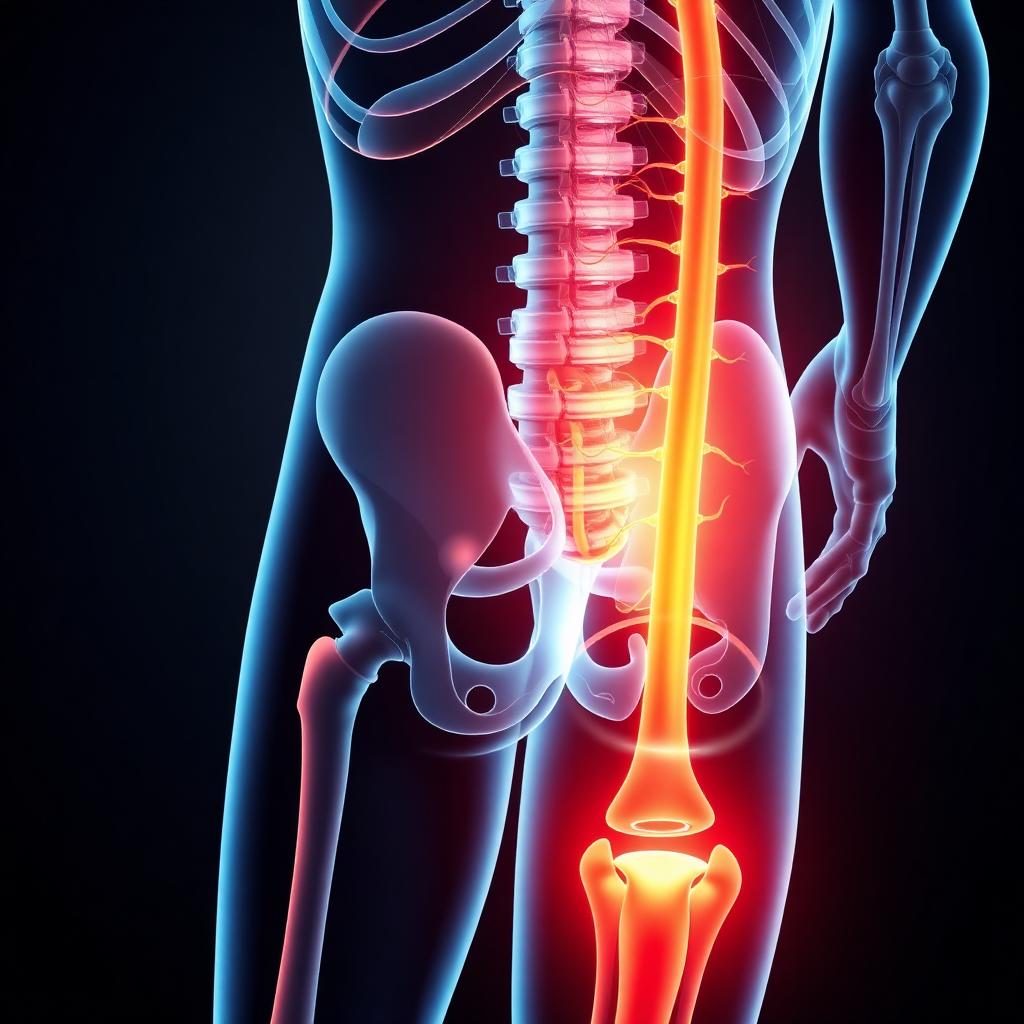
Herniated Disc, Sciatica or Piriformis Syndrome: How to Tell Them Apart
Pain shooting down your leg? It is not always “sciatica.” Learn how to tell a herniated disc, a true radicular sciatica and a piriformis syndrome apart — and how osteopathy and physiotherapy at Réhabital in Côte Saint-Luc treat each one differently.
Sciatica Pain Explained: Causes, Symptoms and How Osteopathy Brings Lasting Relief
Sharp, burning pain shooting from your lower back down the leg? Discover the most common causes of sciatica and how our osteopaths in Côte Saint-Luc relieve it without medication or surgery.
Treating Sciatica with Osteopathy: Shahram Ghasemi's Approach in Côte Saint-Luc
Pain shooting down the leg, tingling, trouble sitting? Discover how osteopath Shahram Ghasemi approaches sciatica at Réhabital in Côte Saint-Luc — assessment, manual techniques and a realistic recovery plan.
Osteopathy and sciatica: how to durably relieve sciatic nerve pain
How osteopathy identifies the mechanical cause of sciatica — disc, sacroiliac or piriformis — and relieves pain in a few sessions at Réhabital in Côte Saint-Luc.
Osteopathy vs Physiotherapy: Which Approach Should You Choose in Côte Saint-Luc?
Complete comparison between osteopathy and physiotherapy: differences, indications, training, insurance reimbursement and how to choose based on your condition in Côte Saint-Luc, Hampstead, NDG and across Montreal.
Osteopathy vs Massage Therapy vs Acupuncture vs Physiotherapy: The Ultimate Comparison Guide (Montreal 2026)
Which manual therapy should you choose for your pain? A complete, evidence-informed comparison of osteopathy, massage therapy, acupuncture and physiotherapy — philosophies, techniques, results, costs and when to combine them.