
Plantar Fasciitis and Heel Pain: Why the Problem Does Not Always Start in the Foot
Morning heel pain is not always a simple local issue. Learn how the hip, calf and gait pattern influence healing and recovery timelines.
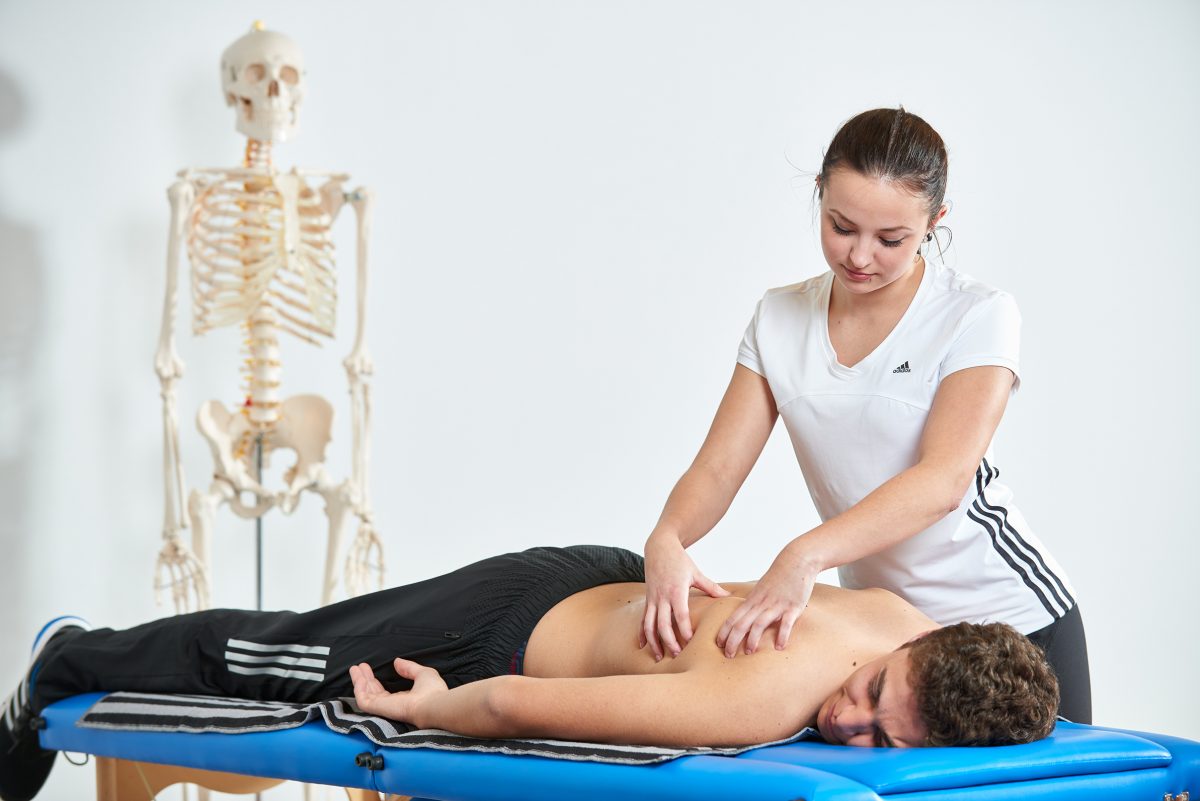
Plantar fasciitis is one of the most common causes of heel pain, particularly among active individuals, runners, and people who spend long hours standing. Yet despite its name, the problem is not always limited to the foot itself. Among many patients seen at our Côte Saint-Luc clinic, the true origin of the pain lies higher up the kinetic chain: the hip, the calf, or even the overall gait pattern.
Understanding this chain helps explain why treatments that target only the local symptom, without addressing the underlying cause, often fail — and why some cases of plantar fasciitis become chronic despite months of rest and orthotics.
What is the plantar fascia and why does it become irritated?
The plantar fascia is a thick band of connective tissue that runs from the calcaneus (heel bone) to the base of the toes. It acts as a natural spring, absorbing shock with every step and helping transmit propulsive force. When this tissue is subjected to repeated excessive tension, small microscopic tears develop, causing pain, stiffness, and sometimes local inflammation.
The classic symptom is a burning or stabbing sensation under the heel, often worse during the first steps of the morning or after prolonged sitting. This morning pattern is almost a hallmark sign of the condition.
Why the hip may be the real culprit
One of the most underestimated factors in plantar fasciitis is weakness of the hip stabilizing muscles, particularly the gluteus medius. When this muscle is weak, the pelvis tilts slightly with each step, altering the angle of the knee and ankle at ground contact. This shift in gait mechanics increases load on the arch of the foot, and consequently on the fascia.
This pattern is common in people with a history of hip pain, previous surgery, or simply a sedentary lifestyle that has weakened the stabilizing muscles over time. Without correcting this proximal weakness, treating the foot alone tends to produce limited and temporary results.
The central role of the calf and ankle
The gastrocnemius-soleus complex (the calf) also plays a crucial role. Tightness in these muscles limits ankle dorsiflexion — the ability to bring the foot toward the shin. When this mobility is reduced, the body compensates by increasing foot pronation or altering the gait pattern, which stretches the plantar fascia further with every step.
A thorough physiotherapy assessment routinely evaluates this ankle mobility, since improving it often makes a significant difference in symptom reduction, sometimes faster than direct treatment of the heel itself.
Other contributing factors
- Sudden increase in activity volume or running distance
- Worn-out or poorly fitted shoes lacking arch support
- Excess body weight increasing mechanical load
- Long periods standing on hard surfaces
- Uncompensated flat feet or high-arched feet
- History of Achilles tendinitis, often biomechanically related
How to distinguish plantar fasciitis from other causes of heel pain
Several differential diagnoses should be considered, including calcaneal stress fracture, tarsal tunnel syndrome, retrocalcaneal bursitis, or plantar nerve involvement. Nighttime pain, numbness, or pain that does not improve at all with activity should raise concern and prompt prompt medical evaluation, as these signs do not match the typical presentation of plantar fasciitis.
Our treatment approach at the clinic
At Réhabital, the assessment goes beyond a simple foot exam. The physiotherapist analyzes the full gait pattern, hip strength, ankle and knee mobility, and load habits (work, sport, footwear). A typical treatment plan includes:
- Progressive strengthening exercises for the calf and intrinsic foot muscles
- Targeted hip stability work, particularly for the gluteus medius
- Manual techniques to improve ankle mobility
- Guidance on load management and footwear selection
- Support through osteopathy if broader joint restrictions are identified
This comprehensive approach explains why some patients who never obtained lasting relief with orthotics alone see noticeable improvement after treating the full chain from hip to foot.
How long does it take to heal?
Most cases respond well within 6 to 12 weeks with a structured program and good adherence to exercises. More chronic cases, present for several months, may require longer management, especially if biomechanical factors were never previously addressed.
Footwear and Return-to-Activity Considerations
Choosing the right footwear plays a supporting role throughout recovery, though it is rarely a complete solution on its own. Shoes with adequate arch support, a slightly elevated heel, and firm heel counter help reduce peak strain on the fascia during the acute phase, while completely flat or minimalist shoes tend to increase load and are best avoided until symptoms have settled. For patients returning to running, a gradual reintroduction — beginning with shorter distances on softer surfaces such as grass or a track, and slowly increasing mileage by no more than about 10 percent per week — reduces the risk of a flare-up. Cross-training activities like cycling or swimming can help maintain cardiovascular fitness while the fascia adapts to increasing load.
Long-term prevention
Once the pain has resolved, it is important to maintain the strength gained in the hip and calf to prevent recurrence. Patients returning to running or intense physical activity should do so gradually, paying particular attention to footwear quality and training surface.
What a session at our clinic involves
During the first visit, the therapist takes time to trace the full history of the pain: when it started, what aggravates it, what relieves it, and which daily activities are affected (walking, standing at work, running, stairs). A barefoot gait assessment is then performed, followed by strength testing of the gluteus medius, mobility testing of the ankle and knee, and targeted palpation of the plantar fascia and heel to precisely locate the irritated area and rule out other structures.
Depending on the findings, the session may include manual techniques to release soft tissue in the calf and arch, joint mobilization of the ankle and rearfoot, taping to temporarily offload tension on the fascia, and the introduction of initial progressive loading exercises. Patients always receive a home exercise plan, clearly explained, with a planned progression for the following weeks.
Home exercises and self-care
Between sessions, several simple strategies help speed up recovery:
- Calf stretch against a wall, knee straight then bent, held for 30 seconds, several times a day
- Rolling the foot over a cold water bottle or massage ball for 2 to 3 minutes in the morning to desensitize the area
- Toe-strengthening exercises, such as picking up a towel with the toes, to strengthen the intrinsic foot muscles
- Progressive calf raises, starting on two legs then progressing to one, respecting a tolerable pain scale
- Ice application under the heel after a busy day, particularly useful in the acute phase
- Avoiding barefoot walking on hard surfaces at home during the first few weeks
Consistency with these exercises, rather than intensity, is the most determining factor in recovery speed.
Insurance and practical considerations
Physiotherapy treatments offered at our clinic are generally eligible under group private insurance plans as well as SAAQ claims when the pain results from a motor vehicle accident. Please note that CNESST claims are not accepted at our clinic. We recommend verifying your specific coverage before your first visit; a detailed receipt is provided after each session for your reimbursement process.
Our local clientele
Our Côte Saint-Luc clinic regularly welcomes patients from Hampstead, Westmount, Snowdon, Montréal-Ouest and the NDG neighbourhood suffering from heel pain related to daily walking, standing at work, or running along the paths of Parc Angrignon or the Lachine Canal. Our clinic's convenient location makes it an easy choice for regular follow-up, which is essential in managing this condition since it responds better to closely spaced treatments during the first few weeks.
Red flags and when to see a doctor
Although the vast majority of heel pain cases are benign and respond well to conservative treatment, certain signs should prompt a rapid medical consultation rather than management in a private clinic alone:
- Pain that appeared suddenly after direct trauma (a fall, a strong impact), which may suggest a fracture
- Complete inability to bear weight on the foot
- Significant swelling, redness, and local warmth, which may indicate infection or a more serious condition
- Numbness or a diffuse burning sensation that may suggest posterior tibial nerve involvement (tarsal tunnel syndrome)
- Constant nighttime pain, unrelated to position or weight-bearing, that persists even at complete rest
- Fever associated with pain and swelling of the foot
In these situations, a medical evaluation or imaging may be necessary before starting a rehabilitation program, in order to rule out a more serious cause and properly guide treatment.
Biomechanical mechanism in summary
To fully understand why an isolated focus on the foot often fails, it helps to visualize the kinetic chain as an interconnected system: the pelvis stabilizes the stance leg, the knee transmits load, the ankle absorbs and redirects force, and the foot acts as the final stage before ground contact. A breakdown at any link in this chain — whether a weak hip, a tight calf, or even inadequate footwear — increases demand on the plantar fascia, which then becomes the apparent breaking point even though it is not the root cause of the problem.
This comprehensive understanding of lower limb biomechanics is what distinguishes a complete physiotherapy approach from symptomatic treatment limited to the heel, and explains the better long-term success rates observed when the entire chain is assessed and treated.
If you experience persistent heel pain that does not improve after a few weeks, or if it is accompanied by numbness, severe nighttime pain, or marked swelling, it is recommended to consult a healthcare professional for proper evaluation before continuing self-treatment.
For a complete evaluation of your heel pain and a personalized treatment plan, book an appointment with our team in physiotherapy in Côte Saint-Luc through our Jane App booking system.
This article is provided for informational purposes only and does not replace a medical consultation or an individualized professional evaluation. If you have concerning symptoms, please consult a qualified healthcare professional.
Frequently asked questions
Go deeper with our dedicated physiotherapy pages
Physiotherapy pages with Colin Teghen Tamuton (OPPQ) in Côte Saint-Luc:
Related articles
Running Injuries: The 7 Most Common Pains in Runners
Runner's knee, IT band syndrome, shin splints, Achilles tendinopathy and more: discover the 7 most common running injuries, their causes, and how to treat them effectively.
Neck Pain and Headaches: When Is the Problem Coming From Your Cervical Spine?
Headaches from desk work? Learn to distinguish cervicogenic headaches from tension headaches and migraines, and how physiotherapy can help.
Knee Osteoarthritis: What Physiotherapy Genuinely Changes, Step by Step
Pain, morning stiffness, difficult stairs: understanding knee osteoarthritis and the progressive physiotherapy plan we use at Réhabital in Côte Saint-Luc.
Shoulder Pain: How Physiotherapy Treats Rotator Cuff Injuries and Frozen Shoulder
A shoulder that hurts at night, catches when you lift your arm, or loses range month after month is almost never simple unavoidable wear. Here is how a structured physiotherapy plan restores strength and range in Côte Saint-Luc.
Sciatica Red Flags: When to See a Doctor or Go to the Emergency Department
Most sciatica is manageable with conservative care, but a few symptoms mean you should stop and get medical help right away. Here is a clear, plain-language checklist.
Physiotherapy vs Acupuncture: Which One Should You Choose for Pain in Côte Saint-Luc?
Detailed comparison between physiotherapy and acupuncture for chronic pain, sports injuries and recovery in Côte Saint-Luc, Hampstead, NDG, Westmount and across Montreal.