
Can You See a Physiotherapist Without a Prescription in Quebec?
Wondering if you need a doctor's referral to see a physiotherapist in Quebec? Here is everything you need to know about direct access.
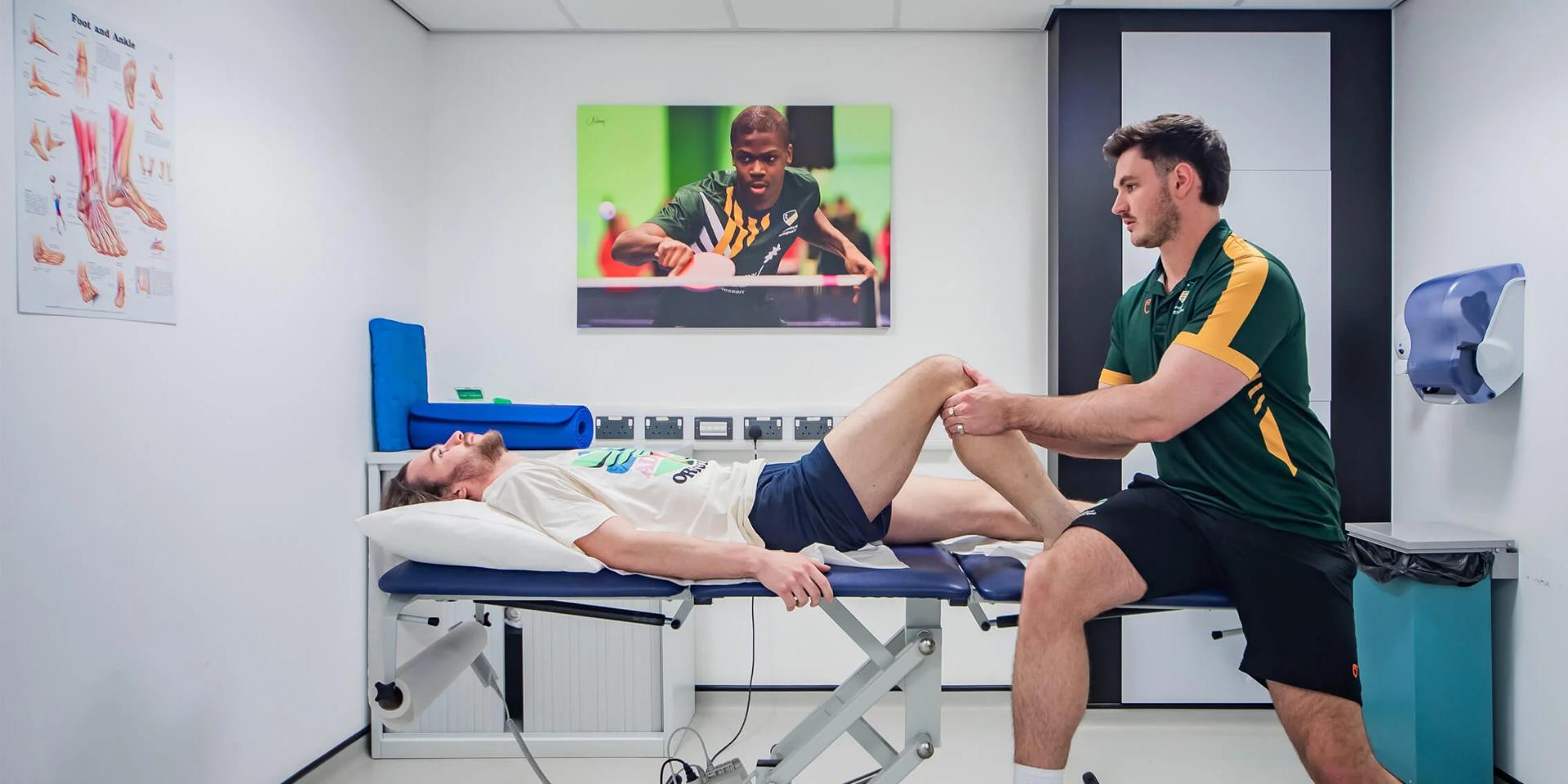
Many people hesitate to see a physiotherapist because they mistakenly believe they need a medical prescription beforehand. The good news is that in Quebec, this is not the case! Physiotherapy is a direct access field, which means you can book an appointment directly with a physiotherapist as soon as you feel pain or discomfort, without waiting for a referral from your family doctor.
In this article, we explain in detail what direct access means, why some insurers still ask for a prescription, and how this can save you precious time on your road to recovery. Book your physiotherapy assessment in Côte Saint-Luc today.
What Is Direct Access in Physiotherapy?
Direct access means that physiotherapists are legally recognized as primary healthcare professionals in Quebec. They are trained and authorized to independently assess your condition, make a physiotherapy diagnosis within their scope of practice, and establish a treatment plan, all without requiring the prior involvement of a physician.
Concretely, this means that if you feel pain in your back, neck, or a joint, or if you are recovering from a sports injury, you can call a clinic like Réhabital directly and book an appointment without delay.
Why Do Some Insurers Still Ask for a Prescription?
Although Quebec law does not require a prescription to see a physiotherapist, some private insurance companies still impose this requirement to reimburse your treatment costs. This is an internal insurer policy, not a legal obligation. That's why it's always wise to check the specific conditions of your insurance policy before your first appointment, to avoid any surprises when submitting a claim.
The Concrete Benefits of Direct Access for You
Precious Time Saved
Getting an appointment with your family doctor can sometimes take weeks. With direct access, you can start your treatment as soon as pain appears, which can prevent your condition from worsening and speed up your recovery.
A Complete Professional Assessment
Physiotherapists are trained to identify red flags that might indicate a condition requiring further medical attention, such as diagnostic imaging or a specialist consultation. If this is the case, they will refer you to a physician promptly.
More Proactive Management of Your Health
Direct access allows you to take charge of your musculoskeletal health without having to navigate a sometimes complex system to obtain a medical referral.
What Happens During Your First Visit?
Your first physiotherapy visit will begin with an in-depth discussion about your health history and current symptoms. The physiotherapist will then perform physical tests to assess your strength, mobility, and movement patterns, before proposing a personalized treatment plan, which may include manual therapy, therapeutic exercises, and advice for your daily life.
Private Insurance, SAAQ, and CNESST: What You Need to Know
Clinique Réhabital accepts most private insurance plans as well as SAAQ claims for injuries related to motor vehicle accidents. It is important to note that we do not accept CNESST claims, regardless of whether you have a medical prescription or not. If your treatment is related to a workplace injury, we recommend checking your coverage options elsewhere. For more details on our policies, including our 24-hour cancellation policy, check our policies page.
Does Direct Access Apply to All Conditions?
Direct access covers the vast majority of common musculoskeletal conditions, such as back pain, neck pain, or sciatica. For more complex or ambiguous situations, your physiotherapist may recommend a medical consultation in parallel, while continuing your rehabilitation treatment.
Combining Physiotherapy with Other Approaches
Many clients benefit from combining their physiotherapy treatment with osteopathy or massage therapy sessions for a more comprehensive approach. Check out our comparison of osteopathy vs physiotherapy to learn more about these complementary options.
The Legal Framework Behind Direct Access in Quebec
Direct access to physiotherapy is not simply a convenience offered by certain clinics; it is a legal framework recognized by the Ordre professionnel de la physiothérapie du Québec (OPPQ). Physiotherapists hold graduate-level university training that qualifies them to independently assess, diagnose within their scope of practice, and treat neuromusculoskeletal disorders. This status is comparable to other primary-contact professions such as osteopaths or chiropractors, who also benefit from direct access in Quebec. This differs from other provinces or countries where a medical referral may still be mandatory, which can create confusion for newcomers or people who have recently moved to the region.
What This Means Concretely for Residents of Côte Saint-Luc and Surrounding Areas
For residents of Côte Saint-Luc, Hampstead, Notre-Dame-de-Grâce (NDG), Westmount, Snowdon, and Montréal-Ouest, this means you do not have to wait for an appointment with your family doctor, which can often be hard to get quickly in our area, before starting treatment for a musculoskeletal issue. You can simply call or book online with Réhabital as soon as the need arises, which is especially helpful for busy families, seniors in our community, or professionals who don't have time to wait weeks for a referral.
What a Session at Réhabital Concretely Looks Like
Your first visit always begins with an in-depth conversation with your physiotherapist, who takes the time to understand the full history of your condition: how long the pain has been present, what triggered it, what makes it better or worse, and your personal goals, whether that's returning to work, getting back to sport, or simply sleeping without pain. The physiotherapist then performs a complete physical examination, including tests of muscle strength, joint range of motion, posture, and, if needed, neurological tests to check nerve function.
Based on this information, a personalized treatment plan is developed. This plan may include manual therapy to improve joint and soft tissue mobility, progressive therapeutic exercises tailored to your tolerance level, and practical advice for adapting your daily activities during your recovery. Follow-up sessions allow the plan to be continuously adjusted according to your progress, and your physiotherapist will encourage you to ask questions at every step.
Self-Care and Practical Tips Between Sessions
Your active involvement between appointments plays a decisive role in the speed and quality of your recovery. Here are some general tips our physiotherapists frequently share with clients:
- Stick to the frequency of prescribed exercises, even on days you feel good, to consolidate the gains made in clinic
- Avoid returning too quickly to high-impact activities before receiving clearance from your physiotherapist
- Use ice for acute inflammation and heat to relax tight muscle tissue before exercising
- Maintain good hydration and quality sleep, two factors often underestimated in tissue healing
- Keep a simple log of your symptom progression to help track your recovery with your practitioner
Realistic Healing Timelines to Expect
Every condition evolves differently, but here are some general benchmarks. For a mild sprain or simple muscle tension, significant improvement is often seen within two to four weeks with appropriate treatment and consistent home exercises. For more complex conditions, such as a herniated disc or a sports injury requiring a full rebuild of strength and function, the process can extend over two to three months, or longer. Your physiotherapist will regularly reassess your progress and adjust the treatment plan accordingly. It is essential not to stop treatment at the first signs of improvement, as this significantly increases the risk of relapse.
Red Flags That Require Immediate Medical Attention
While direct access allows you to quickly see a physiotherapist, certain signs should alert you and require urgent medical consultation rather than a physiotherapy session. These include loss of bladder or bowel control, numbness in the genital or perineal area (known as cauda equina syndrome), sudden progressive muscle weakness, pain accompanied by unexplained fever or significant weight loss, or chest pain. Your physiotherapist is trained to recognize these red flags during your initial assessment and will immediately direct you to the emergency room or your doctor if any of these signs are present.
Insurance: How to Navigate the Reimbursement Process
Even though no prescription is legally required to begin treatment, many of our clients still want to know how to optimize their insurance reimbursement. We recommend contacting your insurer before your first appointment to clarify: whether a doctor's note is required for reimbursement, the maximum annual amount covered for physiotherapy, and whether a renewed prescription is needed after a certain number of sessions. Our administrative team can provide detailed receipts and appropriate billing codes to facilitate your dealings with your insurer. For SAAQ claims related to a motor vehicle accident, we work directly with your file to simplify the process. As a reminder, CNESST claims are unfortunately not accepted at our clinic.
Book Your Appointment Today, No Waiting Required
Do not let uncertainty around medical prescriptions delay your healing. Thanks to direct access, you can see a qualified physiotherapist at Clinique Réhabital right now, without a prior referral. Book your first assessment online through our Jane App system and take control of your musculoskeletal health today. Also check out our team page and our blog for more resources.
This article is provided for informational purposes only and does not replace a professional medical diagnosis. Always consult a qualified professional to assess your specific condition.
Frequently asked questions
Go deeper with our dedicated physiotherapy pages
Physiotherapy pages with Colin Teghen Tamuton (OPPQ) in Côte Saint-Luc:
Related articles

How Many Physiotherapy Sessions Do You Usually Need?
Wondering how many physiotherapy sessions you'll need for your condition? Here are realistic benchmarks based on injury type, from Clinique Réhabital.

Knee Osteoarthritis: What Physiotherapy Genuinely Changes, Step by Step
Pain, morning stiffness, difficult stairs: understanding knee osteoarthritis and the progressive physiotherapy plan we use at Réhabital in Côte Saint-Luc.

Shoulder Pain: How Physiotherapy Treats Rotator Cuff Injuries and Frozen Shoulder
A shoulder that hurts at night, catches when you lift your arm, or loses range month after month is almost never simple unavoidable wear. Here is how a structured physiotherapy plan restores strength and range in Côte Saint-Luc.

Can Physiotherapy Really Cure Sciatica?
The question almost every patient asks in the first session. Here is what physiotherapy can genuinely fix in sciatica, what it cannot, and exactly how a treatment plan unfolds in Côte Saint-Luc.
What Is the Difference Between Acupuncture and Physiotherapy?
Two approaches, two logics. Understand what acupuncture does, what physiotherapy does, and when to choose one, the other, or both.
Your First Physiotherapy Appointment: What to Expect
Complete guide for your first physiotherapy visit in Côte Saint-Luc. Assessment, treatment, exercises and follow-up plan.