
Prenatal and Postnatal Massage: Our Complete Protocol, From Pregnancy to the Fourth Trimester
Exactly what we do at each trimester, how we prepare the pelvis and nervous system for birth, and how we support recovery after delivery — including after a caesarean — at our Côte Saint-Luc clinic.
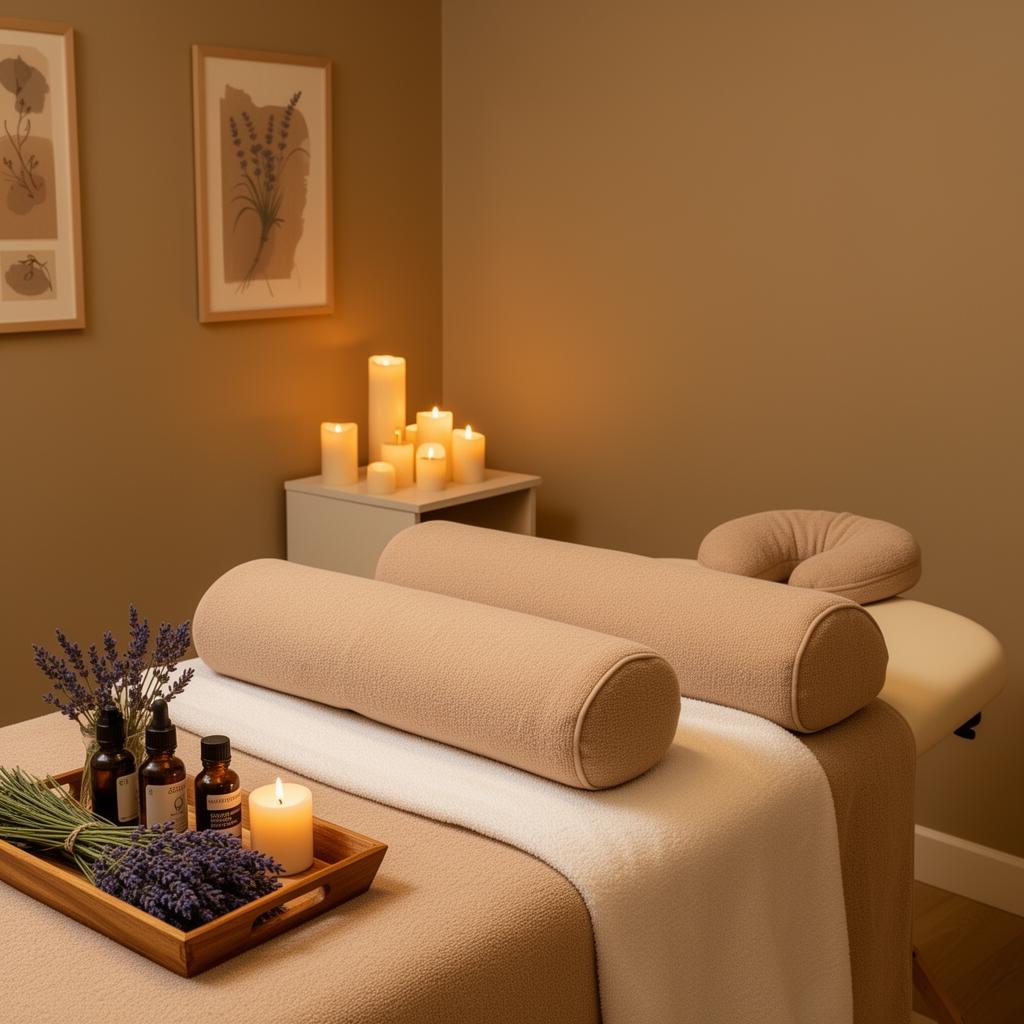
Pregnancy asks a body to reorganise itself in nine months, and the postpartum period asks it to reorganise again in a matter of weeks — this time while sleep-deprived and carrying a growing weight several hours a day. At our Côte Saint-Luc clinic we treat these as one continuous care pathway rather than two unrelated services.
This article explains exactly what we do at each stage, why we do it, and where the honest limits of massage therapy lie.
Second Trimester: Building the Baseline
Weeks 13 to 27 are usually the most comfortable stretch of pregnancy, which is precisely why they are the best time to start. Working before pain becomes established is far easier than chasing it in week 36.
Our focus in this period:
- Restoring hip and lumbar mobility before the belly changes your centre of gravity.
- Releasing the quadratus lumborum and gluteus medius, the two muscles that quietly take over as posture shifts.
- Opening the ribcage and diaphragm, which will be progressively compressed as the uterus rises.
- Teaching two or three self-care positions you can use at home.
Once a month is usually enough at this stage.
Third Trimester: Comfort and Birth Preparation
From week 28, the demands change. The lumbar curve deepens, the pelvis carries more load, the ribs feel compressed, sleep fragments, and the ankles swell. Sessions become longer on the pelvis and shorter on general relaxation.
The birth-preparation component is concrete, not abstract. During the second stage of labour, the sacrum must move backward, the coccyx must give way, and the pelvic outlet must widen. Chronic tension in the piriformis, obturator internus, adductors and hip flexors mechanically restricts that motion. Releasing those muscles gives the pelvis more available range when it matters.
The second mechanism is hormonal. High circulating cortisol and adrenaline compete with oxytocin, the hormone that drives contractions. Prenatal massage is consistently associated in the literature with lower cortisol, reduced anxiety scores and better sleep — and stamina going into labour matters more than most people expect.
We recommend every two weeks from week 28, weekly from week 36 if discomfort is significant.
Positioning and Safety
All prenatal work is done side-lying with a full bolster system. We do not use tables with a belly cut-out: they allow the abdomen to hang and strain the lumbar ligaments. After roughly week 20 we do not lay you flat on your back, because the uterus can compress the inferior vena cava. If face-up work is needed, we prop you at 45 degrees and keep it brief.
We ask for medical clearance in cases of high-risk pregnancy, preeclampsia, placenta previa, or a history of preterm labour, and we stop and refer immediately for sudden severe swelling, headache with visual changes, reduced fetal movement, bleeding or regular contractions before term.
The Fourth Trimester: The Forgotten One
Postpartum care in Quebec focuses heavily on the baby, and much less on the person who gave birth. Yet the body in the first three months postpartum is dealing with residual ligament laxity, a deconditioned abdominal wall, hours of static feeding posture, repetitive lifting from a crib, and profound sleep debt.
After an uncomplicated vaginal birth we usually start at two to three weeks postpartum, working on:
- Neck, upper back and shoulders: the number one complaint, driven by feeding posture and carrying.
- Wrists and thumbs: de Quervain's tenosynovitis is extremely common from the way newborns are lifted.
- Ribcage and diaphragm: restoring breathing mechanics, which underpin core recovery.
- Lower back and pelvis: gradual work as the pelvic ligaments regain stiffness.
- Nervous-system recovery: genuinely therapeutic when sleep is broken.
After a Caesarean
General body massage, avoiding the abdomen, can usually begin around three weeks. Direct work on the scar waits until it is fully closed and your physician has cleared it, typically six to eight weeks.
Scar mobilisation matters more than most people realise. A caesarean scar can adhere to the underlying fascial layers, producing a pulling sensation, numbness above the scar, low-back compensation and, in some cases, discomfort with posture or exercise. Graded, progressive scar work usually improves mobility and sensation considerably, and it is never rushed.
Where Massage Ends and Other Care Begins
We are explicit about scope. Internal pelvic-floor assessment and rehabilitation belong to pelvic-floor physiotherapy — our physiotherapy team handles that. Structural work on the pelvis, sacrum and ribcage often benefits from osteopathy. Diastasis recti requires assessment and a progressive loading programme, not massage alone. Because all these disciplines are under one roof in Côte Saint-Luc, we coordinate rather than duplicate.
Booking in Côte Saint-Luc
Our prenatal-trained massage therapists welcome expecting and new mothers from Côte Saint-Luc, Hampstead, Westmount, NDG, Snowdon, Montreal West and Saint-Laurent. Please mention how many weeks pregnant or postpartum you are when booking. See our massage therapy services, read our guide on prenatal massage and easier labour, or choose your therapist on our practitioners page. Réhabital accepts private insurance and SAAQ; CNESST files are not accepted.
This article is informational and does not replace medical advice. Consult your obstetrician, midwife or physician before starting any new therapy during pregnancy or postpartum.
Frequently asked questions
Related articles
Prenatal Massage: Benefits, Safety and What Every Expecting Mother Should Know
Discover how prenatal massage can relieve pain, reduce stress and improve your well-being during pregnancy. Complete guide by our certified massage therapists in Côte Saint-Luc.
Prenatal Massage: Proven Benefits and How It Helps Prepare the Body for an Easier Labour
How prenatal massage eases lower-back pain, softens the pelvis, calms the nervous system and concretely prepares the body for a shorter, more comfortable labour — our trimester-by-trimester protocol in Côte Saint-Luc.
Prenatal Massage: Benefits, Safety and What Every Expecting Mother Should Know
Prenatal massage offers natural relief from pregnancy discomfort. Learn its benefits, essential precautions and why it's recommended by health professionals.
Every Type of Massage Therapy We Offer in Côte Saint-Luc — and Who Each One Is Really For
A complete guide to the 10 massage therapy modalities offered at Réhabital in Côte Saint-Luc: therapeutic, Swedish, deep tissue, prenatal, hot stone, Himalayan salt, lymphatic drainage, reflexology, belly massage and Ayurvedic. Who is each one really right for?
Reflexology at Réhabital: Our Step-by-Step Protocol and Why We Use the Highest-Quality Massage Gel
See exactly how a reflexology session unfolds at Réhabital in Côte Saint-Luc: assessment, reflex-point mapping, pressure sequence, and the premium professional massage gel we use for flawless glide without irritation.
Deep Tissue Massage: Your Comprehensive Guide to Unlocking Relief at Réhabital in Côte Saint-Luc
Explore the world of Deep Tissue Massage. Learn what it is, its benefits, who can benefit and what to expect from a session at Réhabital, your trusted clinic in Côte Saint-Luc, Montreal.