
Osteopathy vs Massage Therapy vs Acupuncture vs Physiotherapy: The Ultimate Comparison Guide (Montreal 2026)
Which manual therapy should you choose for your pain? A complete, evidence-informed comparison of osteopathy, massage therapy, acupuncture and physiotherapy — philosophies, techniques, results, costs and when to combine them.
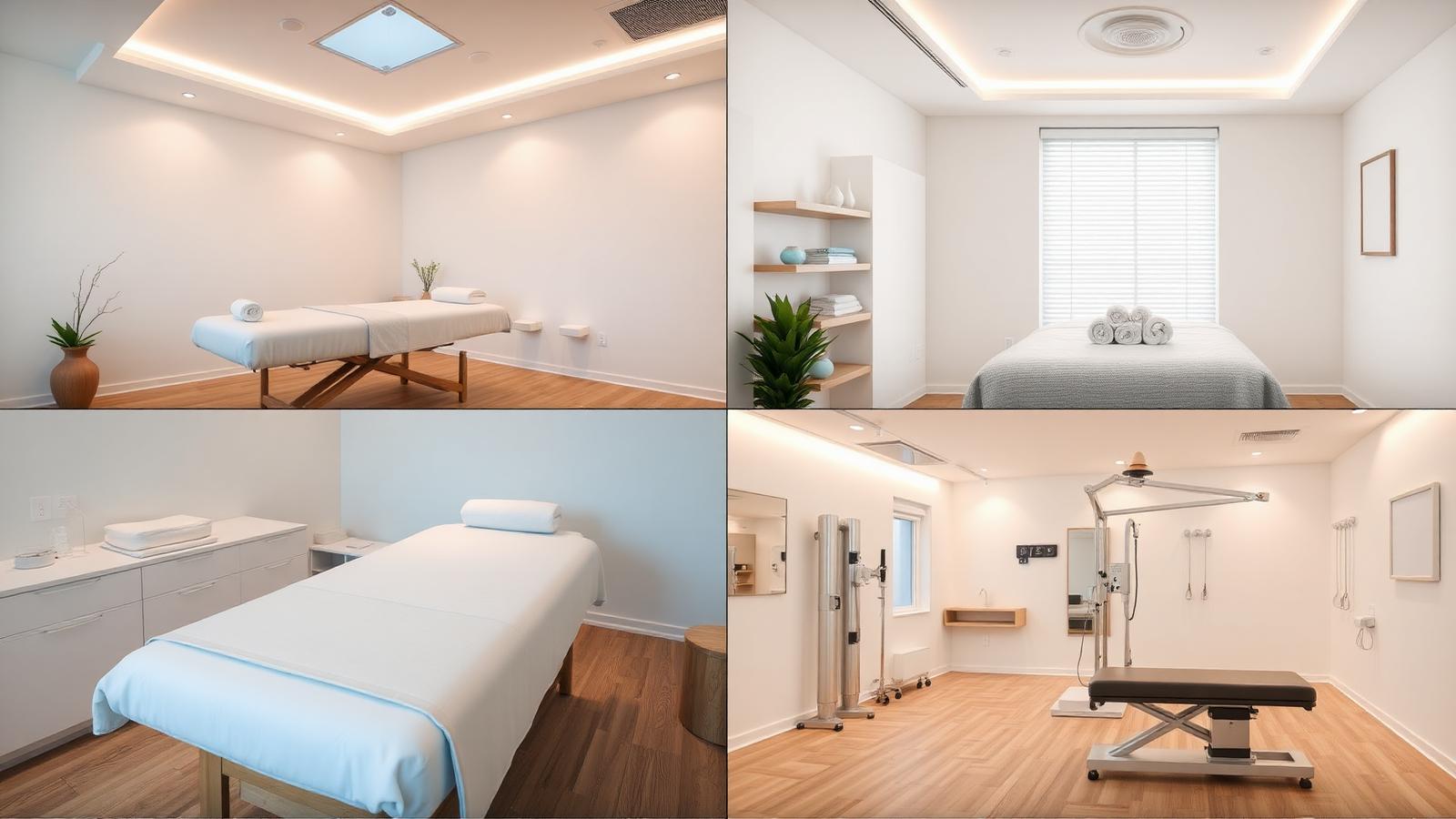
Introduction: Four Doors, One Goal — A Body That Moves and Feels Better
Walk into any multidisciplinary clinic in Montreal and you'll find at least four doors that all seem to promise the same thing: relief from pain, improved mobility and a body that finally feels like yours again. Behind those doors are osteopaths, massage therapists, acupuncturists and physiotherapists. Each is highly trained. Each can produce real, measurable results. And each works in a fundamentally different way.
So which one is right for you? At Réhabital — Clinique de réadaptation et de santé in Côte Saint-Luc, this is the single most common question we hear from patients across Hampstead, NDG, Westmount, Snowdon, Mont-Royal, Saint-Laurent and the entire west island of Montreal. The honest answer is rarely “one or the other.” More often, the right answer involves understanding what each profession actually does, what the science says and how — used together — they can deliver outcomes that no single discipline can match.
This guide is written by our founder, Réhabital Team, drawing on more than two decades of clinical experience integrating manual medicine with rehabilitation and complementary care. By the end, you'll know exactly which therapy fits your condition, your goals and your stage of recovery — and how to combine them intelligently.
A 30-Second Snapshot: How They Differ at a Glance
Before we dive deep, here's the cleanest way to think about these four disciplines. Osteopathy is a whole-body manual therapy that treats the cause of dysfunction by restoring mobility to joints, fascia, viscera and the cranium. Massage therapy is a soft-tissue intervention that releases muscular tension, improves circulation and regulates the nervous system. Acupuncture is a needle-based therapy rooted in Traditional Chinese Medicine and supported by modern neurophysiology that modulates pain and autonomic function. Physiotherapy is a rehabilitation science focused on restoring function through assessment, manual techniques and — above all — therapeutic exercise.
If osteopathy unlocks the body, massage releases it, acupuncture regulates it and physiotherapy retrains it. None of them compete; they complete each other.
Osteopathy: Treating the Body as One Living System
Osteopathy was developed in 1874 by Dr. Andrew Taylor Still, an American physician who became disillusioned with the medicine of his era. His central insight was radical at the time and remains powerful today: the body is a self-regulating, self-healing unit and structure governs function. When a joint, a fascial layer, an organ, or even a cranial bone loses its natural mobility, the surrounding tissues compensate — and over time, that compensation becomes pain, stiffness, or dysfunction somewhere else entirely.
A trained osteopath (in Quebec, typically holding a DO or DOMP designation) does not simply treat where it hurts. We perform a global assessment that may begin at the feet and end at the cranium, looking for the primary lesion — the original restriction that the rest of the body has been compensating for, sometimes for years. Treatment is hands-on and includes structural techniques for joints, myofascial release for connective tissue, visceral techniques for the organs and their attachments and cranial-sacral work for the membranes and fluids of the central nervous system.
What patients often find surprising is the indirectness of osteopathic reasoning. Chronic neck pain may originate from a restricted diaphragm. A stubborn lateral knee can trace back to an old ankle sprain. Recurrent migraines may resolve when the upper cervical spine and cranial base are mobilized. This is why osteopathy excels at chronic, recurrent and “I've tried everything” cases — the cause is rarely where the pain lives.
At Réhabital, osteopathy is led by Réhabital Team, the clinic's founder. You can read more about our full approach on the Osteopathy Côte Saint-Luc page, or explore our complete Osteopathy Pillar Guide for an in-depth tour of techniques, conditions and pricing.
Massage Therapy: The Science of Soft Tissue and the Nervous System
Massage therapy is the oldest documented form of manual medicine, with written records stretching back more than 4,000 years across Egypt, China, India and Greece. Modern massage in Quebec is a regulated profession with practitioners trained in anatomy, physiology, pathology and a growing toolkit of evidence-based techniques. At its best, massage is far more than a luxury — it is a precise neurophysiological intervention.
What does a massage actually do, biologically? It increases local blood flow and lymphatic drainage, lowers muscle tone by stimulating mechanoreceptors and inhibiting motor neurons, reduces circulating cortisol while elevating serotonin and dopamine and activates the parasympathetic (“rest and digest”) branch of the autonomic nervous system. Translation: it doesn't just feel good — it measurably down-regulates the stress response that fuels chronic pain, insomnia and tension headaches.
The right technique depends on the goal. Swedish massage is the gold standard for relaxation and circulation. Deep tissue massage targets adhesions and chronic muscular tension in athletes and desk-bound professionals alike. Sports massage prepares and recovers tissue around training. Prenatal massage supports the changing biomechanics of pregnancy. Myofascial release, trigger point therapy, lymphatic drainage and reflexology each address specific clinical pictures.
Our massage team — including Cedik Elaiba (FQM #23033) — are members of the Fédération Québécoise des Massothérapeutes, which means receipts are recognized by most private insurers. Explore the full lineup on the Massage Therapy Côte Saint-Luc page, or read our companion article The Benefits of Deep Tissue Massage for a deeper dive.
Acupuncture: Ancient Wisdom Meets Modern Neuroscience
Acupuncture is a 2,500-year-old therapeutic system in which extremely fine, sterile, single-use needles are inserted into precise points on the body to regulate the flow of qi (vital energy) along meridians. That's the traditional explanation and it remains a powerful clinical framework. But the modern story is equally compelling: functional MRI studies, randomized controlled trials and decades of neurophysiological research now show that acupuncture activates measurable, reproducible mechanisms in the brain and peripheral nervous system.
When a needle is inserted, it triggers the release of endorphins, enkephalins and dynorphins (the body's own opioids), modulates neurotransmitters such as serotonin and norepinephrine, regulates the autonomic nervous system, reduces local and systemic inflammation and even alters connectivity in pain-processing regions of the brain. The World Health Organization recognizes acupuncture as effective for dozens of conditions, including chronic low back pain, neck pain, knee osteoarthritis, tension and migraine headaches, post-operative nausea, chemotherapy-induced nausea, allergic rhinitis and several functional disorders.
Where acupuncture truly shines is in regulatory conditions — situations where the nervous, endocrine, or immune system is dysregulated rather than structurally damaged. Chronic stress, insomnia, hormonal imbalance, IBS, anxiety and chronic pain syndromes often respond exceptionally well. It is also one of the safest interventions in healthcare when performed by a qualified practitioner, with serious adverse events vanishingly rare.
Acupuncture at Réhabital is currently in our Coming Soon service line — see the Acupuncture Côte Saint-Luc page for updates and to be added to the early-access list.
Physiotherapy: The Rehabilitation Science of Movement
Physiotherapy (or physical therapy) is the rehabilitation profession with the deepest roots in modern biomedical science. In Quebec, physiotherapists are members of the Ordre professionnel de la physiothérapie du Québec (OPPQ), with university-level training in anatomy, biomechanics, neurology, cardiopulmonary science, exercise physiology and clinical reasoning. They are first-line healthcare providers — meaning you do not need a physician's referral to consult one — and they are the discipline of choice for post-surgical rehabilitation, sports injuries, stroke and neurological recovery and any condition where restoring function is the primary goal.
A physiotherapy session typically begins with a detailed objective assessment — range of motion, strength testing, special orthopedic tests, neurological screening and functional movement analysis. Treatment combines manual therapy (joint mobilizations, soft-tissue work), modalities (ultrasound, electrical stimulation, shockwave, laser), education on pain science and pacing and — most importantly — therapeutic exercise prescription. The exercises are not generic; they are progressively dosed, individualized and the engine that drives long-term recovery.
If there is one thing the last 20 years of musculoskeletal research have made clear, it is this: load is medicine. Tissue heals and adapts when it is challenged at the right intensity, with the right frequency, at the right stage. This is the territory where physiotherapy has no equal.
Physiotherapy at Réhabital is part of our expansion roadmap — visit the Physiotherapy Côte Saint-Luc page for current status. In the meantime, our osteopaths frequently collaborate with referring physiotherapists in the Côte Saint-Luc / Hampstead / NDG corridor.
Side-by-Side: The Eight Dimensions That Matter Most
1. Philosophy and Worldview
Osteopathy: Holistic, structural, cause-oriented. The body as one interconnected system. Massage: Tissue- and nervous-system-oriented. Restore comfort and circulation, calm the system. Acupuncture: Energetic and regulatory. Restore balance to interconnected systems via meridians and neurophysiology. Physiotherapy: Biomechanical and biopsychosocial. Restore function through assessment, education and exercise.
2. Tools of the Trade
Osteopathy: Hands only — palpation, mobilization, articulation, fascial and visceral techniques. Massage: Hands, forearms, elbows, sometimes hot stones, cupping, or tools. Acupuncture: Filiform needles, sometimes electrical stimulation (electroacupuncture), moxibustion, cupping. Physiotherapy: Hands plus exercise equipment, ultrasound, electrotherapy, shockwave, laser, taping, orthotics.
3. Best for Acute Injury
For a fresh acute injury (sprain, post-surgical, whiplash within days), physiotherapy usually leads — it manages inflammation, protects tissue and stages the return to load. Osteopathy and massage are introduced once the acute phase has settled. Acupuncture can help with acute pain control even early on.
4. Best for Chronic and Recurrent Pain
Here, osteopathy and acupuncture often produce the most dramatic results because they address the system-wide compensations and neuroregulatory dysfunction that drive chronic pain. Massage supports the soft-tissue component and physiotherapy closes the loop with strengthening so the pain does not return.
5. Best for Stress, Sleep and the Nervous System
Acupuncture and massage are the heavyweights for nervous-system regulation. Osteopathy (especially cranial-sacral) can be remarkable for vagal tone, sleep and headaches. Physiotherapy contributes through breathwork and graded exercise, both proven anxiolytics.
6. Best for Post-Surgical Recovery
Physiotherapy leads, period. After it has restored baseline function, osteopathy integrates the surgical area into the rest of the body (scar tissue, fascial restrictions, biomechanical compensations) and massage supports tissue quality and circulation.
7. Session Length and Frequency
Osteopathy: 60 minutes initial, 45–60 minutes follow-up; typically every 2–4 weeks. Massage: 60–90 minutes; weekly to monthly depending on goals. Acupuncture: 45–60 minutes; weekly initially, then spaced out. Physiotherapy: 30–60 minutes; 1–2 times per week during active rehab phases.
8. Insurance Coverage in Quebec
All four are widely covered by private extended health plans in Quebec when delivered by a recognized practitioner. Osteopathy requires a DO or DOMP and membership in a recognized association. Massage requires FQM, RMPQ, or equivalent membership (our team is FQM-accredited). Physiotherapy requires OPPQ licensure. Acupuncture requires Ordre des acupuncteurs du Québec (OAQ) licensure. Always confirm with your insurer before booking.
Which Should You Choose? A Practical Decision Framework
Choose osteopathy if your pain is chronic, recurrent, or “wandering,” if you've already tried other approaches without lasting relief, if you have a complex history (surgeries, falls, accidents, pregnancies) that might be contributing, or if you feel your body is “out of alignment” globally rather than in one spot.
Choose massage therapy if you have predominantly muscular tension, if stress and sleep are driving your symptoms, if you train hard and need recovery support, if you are pregnant and need symptom relief, or if you simply want to maintain a body that already works well.
Choose acupuncture if you have a regulatory condition (insomnia, anxiety, hormonal imbalance, IBS, migraines), if you are sensitive to manual pressure, if you are looking to reduce reliance on pain medication, or if other approaches have plateaued.
Choose physiotherapy if you have a recent injury or surgery, a sport-specific performance goal, a neurological condition, or any situation where measurable functional gains and progressive loading are central to recovery.
Why Combining Therapies Outperforms Choosing One
The most underappreciated truth in musculoskeletal care is that these disciplines are synergistic, not interchangeable. Osteopathy restores the mobility that physiotherapy then loads. Massage prepares tissue so that osteopathic manipulation is gentler and longer-lasting. Acupuncture quiets the central nervous system so that pain catastrophizing — a major driver of chronic pain — recedes and the other therapies “stick.” Physiotherapy locks in the gains with strength and motor control so the patient does not become dependent on passive treatment.
At Réhabital, our model is built around this collaboration. A patient with chronic low back pain, for example, might begin with two osteopathy sessions to release the dominant restrictions, alternate with deep tissue or trigger-point massage to address muscular guarding, layer in acupuncture for autonomic regulation if sleep and stress are aggravating factors and progress to physiotherapy-style exercise prescription to bulletproof the spine for the long term. This integrated path consistently outperforms any single-modality approach we have measured over our years in Côte Saint-Luc.
What the Research Says: An Honest Summary
The evidence base for each of these therapies is strong and growing — but it is not identical and pretending otherwise does patients a disservice.
Physiotherapy has the largest and most rigorous body of evidence, particularly for post-surgical rehab, sports injuries, neurological recovery, low back pain and tendinopathy. It is the standard of care recommended by virtually every clinical practice guideline.
Massage therapy has solid evidence for low back pain, neck pain, tension headaches, anxiety, depression, fibromyalgia and post-operative recovery. Cochrane reviews are generally favourable, with strongest signals for short- and medium-term pain and function.
Acupuncture has high-quality evidence (including large meta-analyses published in JAMA and The BMJ) supporting its use for chronic low back pain, neck pain, knee osteoarthritis, tension and migraine headaches and chemotherapy-induced nausea. The “real vs sham” debate continues in the literature, but real-world clinical effectiveness is well established.
Osteopathy has growing evidence for non-specific low back pain, chronic neck pain, tension headaches and several functional conditions. The research base is smaller than physiotherapy's largely because osteopathy is harder to standardize in randomized trials — every session is individualized — but emerging studies and large patient cohorts consistently show meaningful, durable benefits, particularly for chronic and recurrent presentations.
Costs in Montreal: What to Expect at Réhabital
Pricing varies across Montreal clinics, but here is a transparent snapshot of Réhabital's current rates so you can plan. Osteopathy: $125 initial (60 min), $110 follow-up (45–60 min), $150 extended (75 min). Massage Therapy: Swedish and deep tissue $110 (60 min) / $170 (90 min); therapeutic and specialty techniques $125 (60 min) / $180 (90 min). Naturopathy: $115 initial (75 min), $110 follow-up (60 min). Acupuncture and Physiotherapy: pricing to be confirmed at launch (Coming Soon). All sessions produce insurance-eligible receipts. Full transparency lives on each service page.
How a Multidisciplinary Clinic Like Réhabital Coordinates Your Care
The advantage of a single-roof multidisciplinary clinic is not just convenience — it is coordination. When your osteopath, massage therapist and (soon) acupuncturist and physiotherapist share notes, treatment philosophies and a single patient file, you avoid duplication, contradictory advice and the all-too-common scenario where one practitioner undoes what another just achieved. At Réhabital, we hold internal case discussions for complex patients, write referrals between disciplines as readily as we would to an external specialist and design integrated treatment plans rather than one-off sessions.
Our clinic serves Côte Saint-Luc, Hampstead, Westmount, NDG, Snowdon, Mont-Royal, Saint-Laurent, Montreal West, West Island and the broader Montreal region.
Related Reading on the Réhabital Blog
- Morning Back Pain: Osteopathy Causes & Solutions
- The Real Benefits of Deep Tissue Massage
- Swedish vs Deep Tissue Massage: Which Is Right for You?
- Prenatal Massage Therapy: Benefits and Safety
- Therapeutic Massage vs Spa Massage: Why It Matters
- The Complete Réhabital Osteopathy Pillar Guide
Meet the Réhabital Practitioners Behind This Article
Réhabital Team — Founder of Réhabital, more than 20 years of integrated medical and osteopathic practice. Lead osteopath for complex chronic pain and visceral cases.
Cedik Elaiba (FQM #23033) — FQM-accredited massage therapist offering Swedish, deep tissue, sports, prenatal, myofascial, trigger point, lymphatic drainage and reflexology techniques.
Liliana Ciocoi, Elena Caliniuc & Farzaneh Badakhshan — Our aesthetic and laser team, available when patients want to combine musculoskeletal care with skin and body wellness on the same visit.
Conclusion: Stop Asking “Which One?” and Start Asking “Which Combination?”
The best clinical outcomes — the kind that actually last — almost never come from a single therapy. They come from a coordinated plan that uses the right discipline at the right phase of recovery, by practitioners who talk to each other and respect what each profession brings. Osteopathy unlocks. Massage releases. Acupuncture regulates. Physiotherapy retrains. Together, they restore.
If you're unsure where to begin, the simplest path is to book an osteopathy assessment with our founder. The session includes a global evaluation, an honest opinion on whether osteopathy is the best starting point for your case and — when appropriate — a clear referral to the right discipline within or beyond Réhabital.
Book Your Assessment at Réhabital →
Frequently Asked Questions
1. What is the single biggest difference between osteopathy and physiotherapy?
Osteopathy is hands-on, holistic and cause-oriented — it looks for the upstream restriction driving your symptoms. Physiotherapy is rehabilitation-oriented and exercise-based — it restores measurable function, especially after injury or surgery. The two are complementary, not competing.
2. Is osteopathy better than massage therapy?
Neither is “better” — they do different jobs. Osteopathy treats joint, fascial, visceral and cranial restrictions. Massage treats muscular tension and the nervous system. Most patients with persistent issues benefit from both.
3. Does acupuncture really work, or is it placebo?
Acupuncture has high-quality evidence (including JAMA and BMJ meta-analyses) showing real effects beyond placebo for chronic low back pain, neck pain, knee osteoarthritis, headaches and several other conditions. It is not magic, but it is not placebo either.
4. Can I do osteopathy and massage in the same week?
Yes and it is often ideal. A common protocol is osteopathy first to address structural restrictions, followed 2–4 days later by massage to extend and consolidate the soft-tissue benefits.
5. Which therapy is best for chronic low back pain?
The honest answer is “all four, sequenced intelligently.” Osteopathy and acupuncture often deliver the fastest symptom relief; massage maintains it; physiotherapy-style strengthening prevents recurrence. A multidisciplinary plan beats any single modality.
6. Which is best for sciatica?
Osteopathy is excellent for true mechanical sciatica because it can address lumbar, sacroiliac and piriformis contributions. Acupuncture helps with neuropathic pain. Physiotherapy is essential for long-term resolution through nerve mobilization and core retraining.
7. What about migraines and chronic headaches?
Cranial and structural osteopathy, acupuncture and massage all have strong evidence here. Many patients respond best to a combination. Triggers should also be assessed (sleep, posture, hormones, diet).
8. I'm pregnant — which therapy is safest?
Prenatal massage and gentle osteopathy are both safe and highly recommended throughout pregnancy with a trained practitioner. Acupuncture is also safe in skilled hands but requires a practitioner experienced in obstetric points. Physiotherapy is excellent for pelvic floor and postural issues.
9. Can osteopathy treat babies and children?
Yes — pediatric osteopathy, particularly cranial work, is well established for colic, reflux, plagiocephaly, sleep difficulties and post-birth recovery. Always work with a practitioner trained specifically in pediatrics.
10. Which therapy is best after surgery?
Physiotherapy first and foremost — it manages the surgical site and restores function safely. Osteopathy integrates the surgical area into the rest of the body once cleared. Massage supports tissue quality and scar mobility. Acupuncture can manage post-op pain.
11. How quickly will I feel results?
Many patients feel meaningful change after a single osteopathy or massage session. Acupuncture often takes 2–4 sessions to build cumulative effect. Physiotherapy gains track with consistent exercise — typically 4–6 weeks for measurable change.
12. How many sessions will I need?
It depends on chronicity and complexity. Acute issues often resolve in 2–4 sessions. Chronic, multi-year conditions usually require 6–10 sessions plus a maintenance schedule. Your practitioner will give you an honest estimate after the initial assessment.
13. Are these therapies covered by RAMQ (Quebec public health)?
No — osteopathy, massage, acupuncture and most outpatient physiotherapy are private services in Quebec. However, all are widely covered by private extended health insurance.
14. Will I get an insurance receipt?
Yes. All Réhabital practitioners issue receipts recognized by major Canadian insurers. Verify your specific plan's requirements (some insurers require specific designations or referral letters).
15. Do I need a doctor's referral?
For booking — no. Osteopathy, massage, acupuncture and physiotherapy are all first-line healthcare in Quebec. Some insurance plans, however, require a physician referral for reimbursement; check with your insurer.
16. Is osteopathy painful?
It should not be. Most osteopathic techniques are gentle to moderate. Some structural work can produce temporary post-treatment soreness, similar to a workout. Always communicate your comfort level with your osteopath.
17. Does deep tissue massage have to hurt to work?
No. The “no pain, no gain” idea is outdated. Effective deep tissue work is firm but should never be unbearable; tissue actually resists when guarded by pain. Communicate pressure preferences openly.
18. Are acupuncture needles painful?
Acupuncture needles are extremely fine — about ten times thinner than a hypodermic needle. Most patients feel only a brief, mild sensation on insertion. Many fall asleep during treatment.
19. Can these therapies replace medical care for serious conditions?
No. Manual and complementary therapies complement medical care; they do not replace it. Conditions like fractures, cancer, infections, or progressive neurological disease require medical management. A good practitioner will refer when appropriate.
20. What is cranial-sacral osteopathy and is it real?
Cranial-sacral osteopathy works with the subtle motion of cranial bones, the meninges and cerebrospinal fluid. It is a recognized branch of osteopathic practice with growing evidence for headaches, TMJ dysfunction, post-concussion syndrome and infant care. It feels gentle but is clinically powerful.
21. Can osteopathy help with digestive issues like bloating or reflux?
Yes. Visceral osteopathy works directly with the mobility of organs and their attachments. It can be remarkably effective for bloating, constipation, reflux and post-surgical adhesions when there is no underlying pathology that requires medical treatment.
22. What is the difference between physiotherapy and kinesiology?
Both involve exercise, but physiotherapists are healthcare professionals who diagnose, treat acute and chronic conditions and use manual therapy and modalities. Kinesiologists specialize in exercise prescription for prevention, performance and chronic disease management — typically without manual therapy.
23. Is acupuncture safe? Are there side effects?
Acupuncture is among the safest interventions in healthcare when performed by a licensed practitioner. Mild, transient bruising or soreness at needle sites is the most common side effect. Serious complications are vanishingly rare.
24. Can I combine osteopathy with chiropractic?
It is possible but not always advisable in the same week — both work on joint mobility and the body needs time to integrate. Discuss with both practitioners. At Réhabital we focus on osteopathy as the manual joint-and-fascia discipline.
25. Which therapy is best for office workers with neck and shoulder pain?
A classic combination: osteopathy to address upper-back, cervical and rib restrictions; massage for the chronically loaded trapezius and levator scapulae; ergonomic guidance and strengthening exercises (physiotherapy-style) to prevent recurrence.
26. How is osteopathy different from chiropractic?
Both use manual therapy, but osteopathy is broader — including fascial, visceral and cranial work, with a stronger emphasis on whole-body assessment. Chiropractic traditionally focuses on spinal manipulation. Both are legitimate; the right choice depends on the practitioner and your needs.
27. Can these therapies help with anxiety and stress?
Yes — significantly. Massage, acupuncture and cranial osteopathy all activate the parasympathetic nervous system and lower stress hormones. Combined with exercise (physiotherapy's domain) and lifestyle support, they form a powerful non-pharmacological stress-reduction toolkit.
28. What should I wear to my first session?
Comfortable, loose clothing for osteopathy and physiotherapy assessments. For massage, you will undress to your comfort level under sheets. For acupuncture, loose clothing that allows access to the limbs is ideal.
29. How do I know if my practitioner is qualified?
Verify membership in the appropriate professional body: Ostéopathie Québec or equivalent for osteopaths; FQM or RMPQ for massage therapists; OPPQ for physiotherapists; OAQ for acupuncturists. All Réhabital practitioners are credentialed.
30. Can I book all four therapies at Réhabital?
Currently you can book osteopathy, massage, naturopathy, aesthetic care and laser treatments. Acupuncture, physiotherapy and podiatry are launching soon — see each service page for current status.
31. What if I'm not sure which therapy I need?
Book an osteopathy initial assessment with our founder. The session includes a global evaluation and an honest recommendation — even if that recommendation is to start with a different discipline.
32. Do you offer treatments in languages other than French and English?
Yes. Our team collectively speaks more than ten languages including French, English, Persian, Russian, Romanian, Arabic, Spanish, Italian, Hebrew and others. See the Team page for each practitioner's languages.
33. Where exactly are you located and is parking available?
Réhabital is at D4–5800 Cavendish Boulevard, Côte Saint-Luc, Québec H4W 2T5, inside the Cavendish Mall area. Free parking is available. We are easily accessible from Hampstead, Westmount, NDG, Snowdon, Mont-Royal, Saint-Laurent, Montreal West and the West Island.
34. How do I book and what is your cancellation policy?
Book online via Jane App through any service page, or call (438) 842-3550. We require 24 hours' notice for cancellations to avoid a fee — full details on the Clinic Policies page.
We welcome patients from Côte Saint-Luc, Hampstead, Westmount, NDG, Snowdon, Mont-Royal, Saint-Laurent, Montreal West, the West Island and the entire Montreal region.
Frequently asked questions
Go deeper with our dedicated osteopathy pages
Osteopathy pages with Shahram Ghasemi, MD (Iran), DOMP in Côte Saint-Luc:
Related articles
Osteopathy vs Physiotherapy: Which Approach Should You Choose in Côte Saint-Luc?
Complete comparison between osteopathy and physiotherapy: differences, indications, training, insurance reimbursement and how to choose based on your condition in Côte Saint-Luc, Hampstead, NDG and across Montreal.
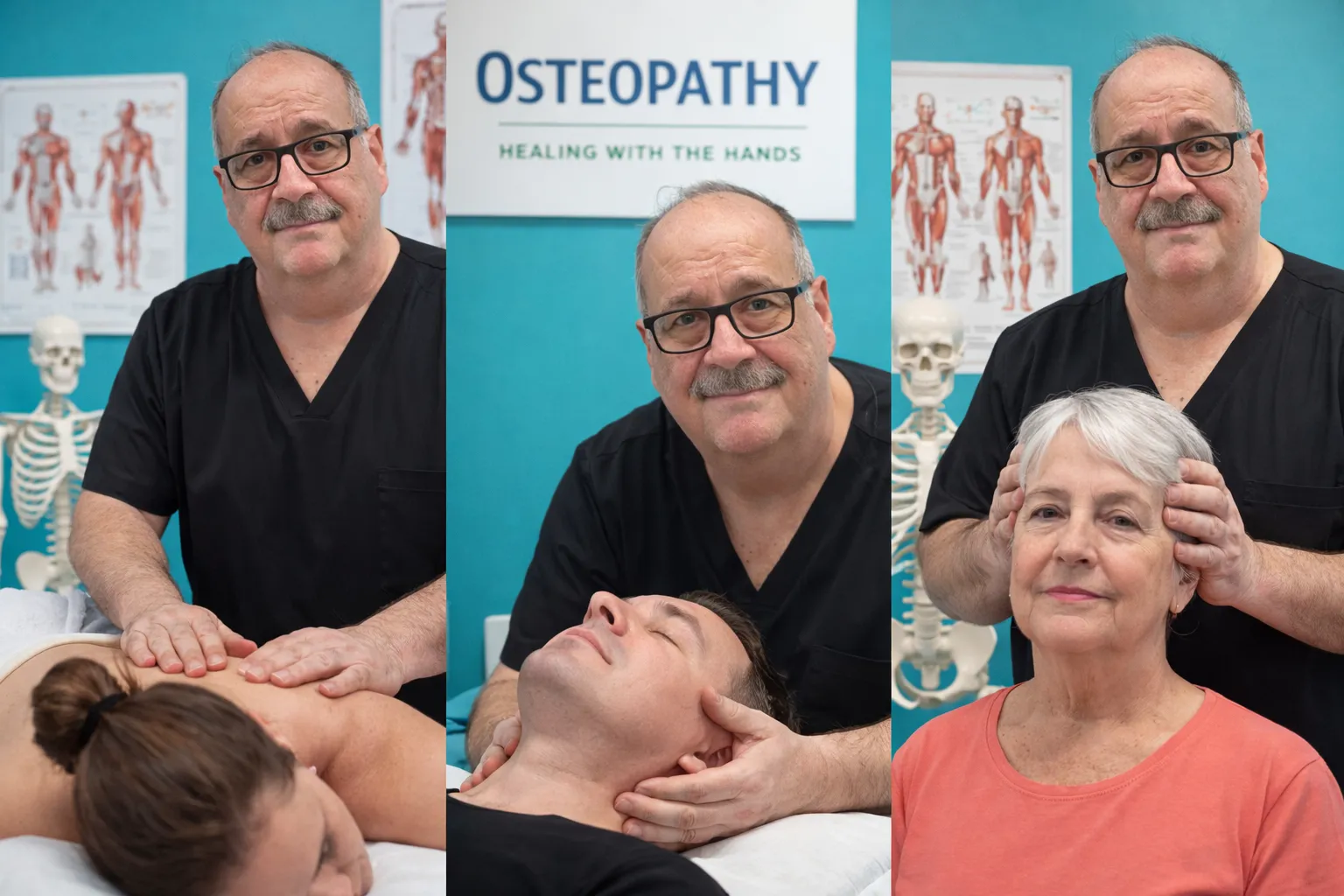
Osteopathy vs Physiotherapy: Which One Is Right for You?
Compare osteopathy and physiotherapy: approaches, techniques and use cases to choose the right treatment in Montreal.
Physiotherapy, Osteopathy, Acupuncture or Massage: Which Treatment Should You Start With?
A practical guide to choosing between physiotherapy, osteopathy, massage therapy and acupuncture (coming soon) based on your condition.
Sciatica in Montreal: Osteopathy or Physiotherapy — Which Should You Choose?
Pain shooting down your leg? Discover how osteopathy and physiotherapy treat sciatica, and which approach fits your specific situation.
Acupuncture or Osteopathy: What's the Difference, and When Should You Choose Each?
Needles or hands? Understand what each approach really treats, for which pains, and when to choose it.
Osteopathy or Physiotherapy for Back Pain: A Guide Based on Your Symptoms
Struggling with back pain and unsure whether to see an osteopath or a physiotherapist? Here is a clear, symptom-based guide to help you choose the right approach in Côte Saint-Luc.