
Osteopathy and sciatica: how to durably relieve sciatic nerve pain
How osteopathy identifies the mechanical cause of sciatica — disc, sacroiliac or piriformis — and relieves pain in a few sessions at Réhabital in Côte Saint-Luc.
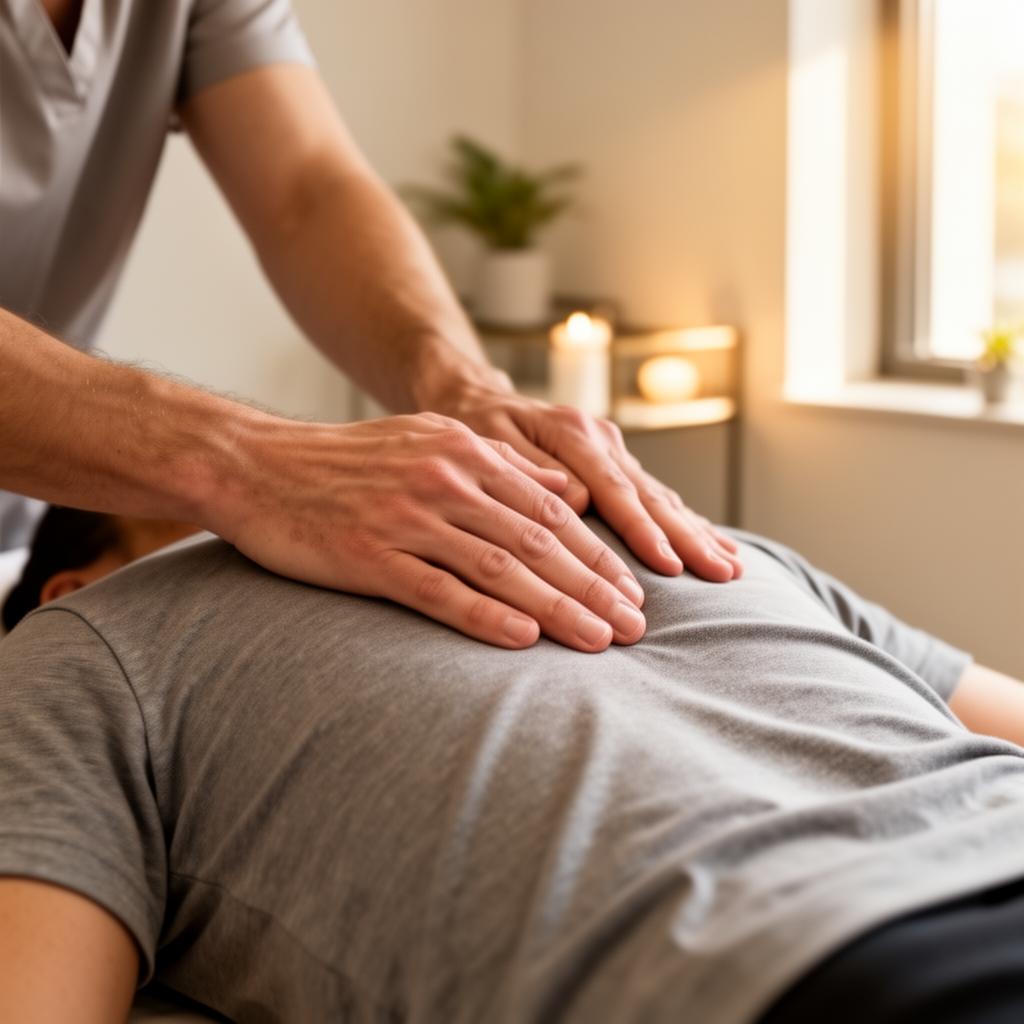
Sciatica is not a disease in itself: it is a symptom of a sciatic nerve being irritated or compressed somewhere along its path, from the lumbar spine down to the foot. The pain is typical: it starts in the buttock, runs down the thigh, sometimes to the calf and toes, and may be accompanied by tingling, numbness, burning sensations or muscle weakness. It can set in abruptly after a sudden effort, or build gradually after months of poor posture, stress and sedentary living. At Réhabital in Côte Saint-Luc, osteopathy is one of the most effective approaches to identify the exact mechanical cause of sciatica and durably relieve patients, without painkiller dependency and without invasive intervention in the vast majority of cases.
1. Understanding where the pain comes from
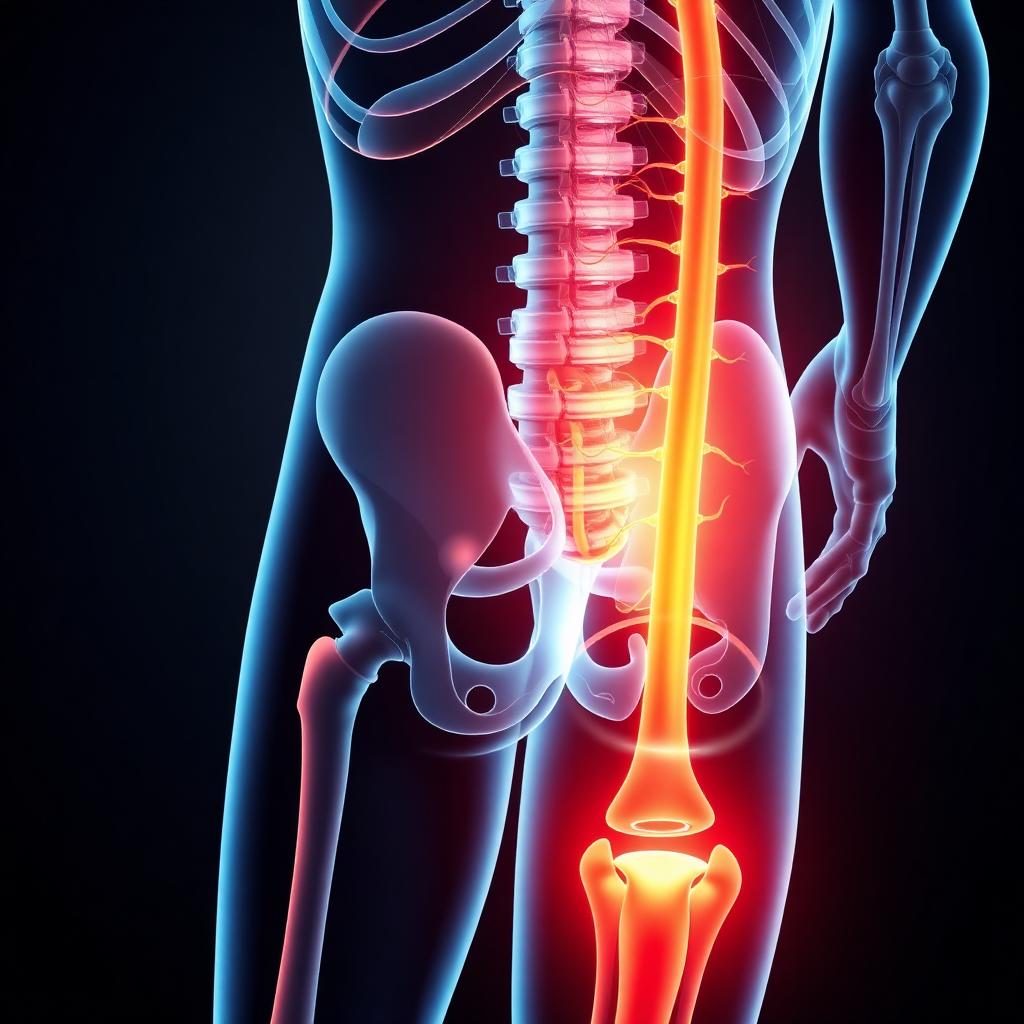
The sciatic nerve is the largest nerve in the human body. Formed by the union of lumbar roots L4, L5, S1, S2 and S3, it travels through the buttock, crosses the posterior thigh, divides at the knee into the tibial and common fibular nerves, and innervates the leg and foot down to the big toe. Any irritation or compression along this path can trigger the well-known sciatic pain.
Three mechanical causes account for the vast majority of sciatica cases:
• Lumbar disc herniation (most often L4-L5 or L5-S1) compressing the nerve root as it exits the spine. The best-known cause, but not the most frequent.
• Sacroiliac joint dysfunction irritating the nerve as it exits the pelvis and maintaining permanent tension on the glutes and hamstrings.
• Piriformis syndrome, a deep buttock muscle pierced or skirted by the sciatic nerve; when it spasms, it compresses the nerve directly.
Other causes exist (facet arthritis, lumbar stenosis, spondylolisthesis, pregnancy, post-surgical imbalances, aftermath of a fall on the tailbone), but osteopathy is particularly effective on these mixed mechanisms — precisely the ones where imaging shows “nothing” but pain is very real.
2. Why osteopathy?
The osteopath does not focus only on the painful area. They assess the whole body mechanics: pelvis, lumbar and thoracic spine, hips, diaphragm, fascia, viscera, even ascending chains from the feet. A persistent sciatica is often the end result of an imbalance that has been building for months or years — an old pelvic rotation, a poorly rehabilitated ankle sprain, an abdominal scar, a stress-driven diaphragmatic stiffness. Treating only the buttock or low back is not enough: the entire chain must be restored.
The osteopathic approach is also non-invasive and medication-free, which makes it an excellent first-line option for patients who want to avoid long-term anti-inflammatories or repeated injections.
3. The Réhabital assessment
During the first session (60 to 90 minutes), your osteopath performs a complete examination: precise pain history (onset, evolution, aggravating and relieving factors), neurological tests (patellar and Achilles reflexes, dermatomal sensation L4-L5-S1, strength of foot dorsiflexors and plantarflexors), specific orthopedic tests (Lasègue, Bragard, Slump, FAIR test for piriformis, Gaenslen for the sacroiliac), and fine palpation of the sacroiliac joints, piriformis, quadratus lumborum and posterior chains. The goal: identify precisely which structure is compressing the nerve and why.
At the end of this evaluation, your osteopath clearly explains what is happening in your body, gives a realistic prognosis, and — critically — knows how to recognize the red flags that require immediate medical referral rather than manual treatment.
4. Techniques used
• Gentle structural techniques on lumbar vertebrae and pelvis to restore segmental mobility.
• Sacroiliac mobilizations to rebalance the joint and relieve pressure on the nerve.
• Myofascial release of the piriformis, quadratus lumborum, deep glutes and hamstrings.
• Visceral techniques on the colon, caecum, mesentery and diaphragm, which indirectly influence lumbar posture and psoas tension.
• Craniosacral work in highly inflammatory chronic sciatica or sciatica associated with high stress.
• Muscle energy techniques to restore tonic balance between hip flexors and extensors.
• Neural gliding techniques to mobilize the sciatic nerve itself within its sheaths.
5. How many sessions?
Acute, recent sciatica often responds in 2 to 4 sessions, with clear relief from the first or second visit. Chronic sciatica or pain linked to an established disc herniation usually needs 4 to 8 sessions spread over 6 to 10 weeks. Past the first visit, appointment spacing is progressively widened (weekly, then every 10 days, then every 3 weeks) as gains consolidate. If you feel no measurable improvement after 3 sessions, your osteopath revises the plan or refers you to another specialist — that is an ethical practice rule.
6. What to do at home
• Avoid prolonged sitting — stand up every 30 to 40 minutes, walk 2 minutes, then sit back down.
• Walk daily, even 15 to 20 minutes: movement nourishes the intervertebral disc by pumping fluid in and out.
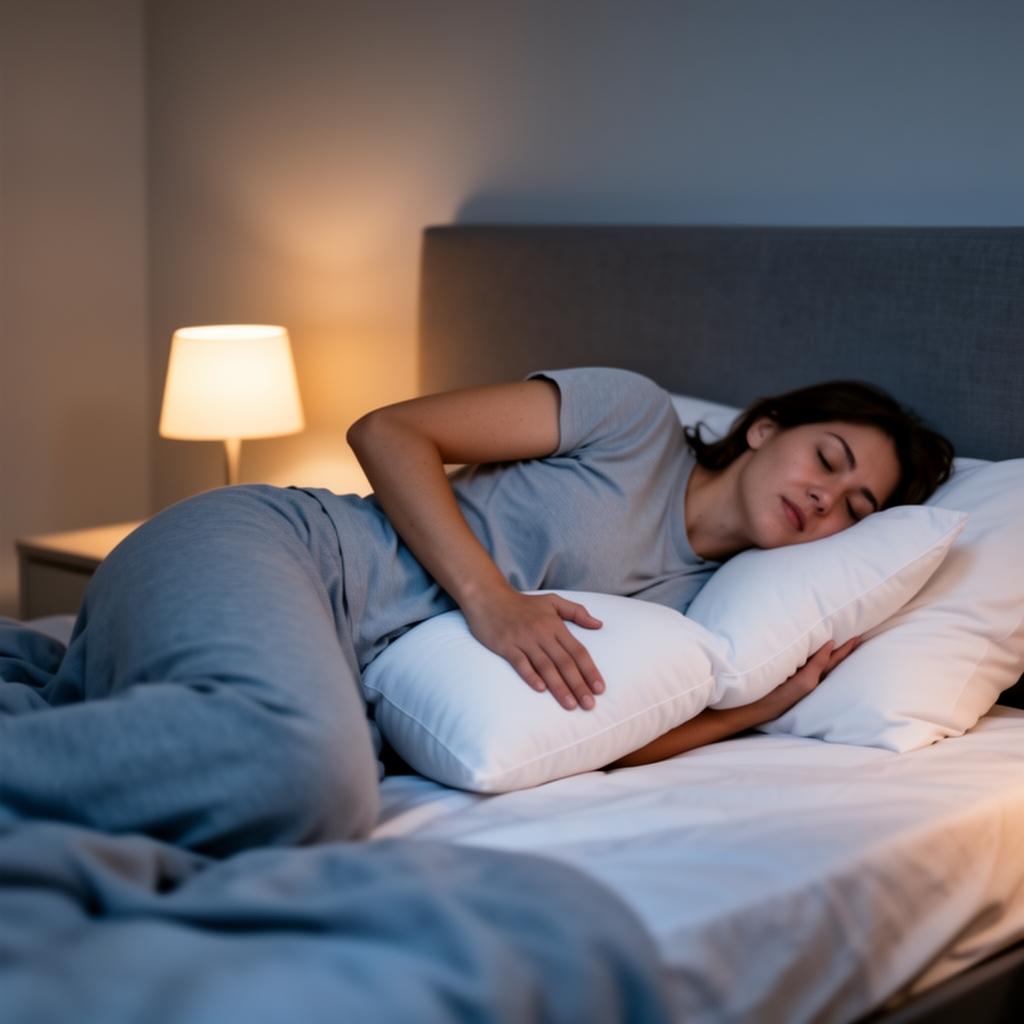
• Sleep on your side with a firm pillow between the knees, or on your back with a pillow under the knees to decompress the low back.
• Avoid complete bed rest beyond 48 hours — it worsens sciatica by deconditioning stabilizing muscles.
• Do the gentle piriformis and hamstring stretches recommended by your osteopath, ideally twice a day.
• Apply heat (15–20 minutes) on the buttock or low back before stretching, and cold after an effort that flared the pain.
• Audit your workstation: screen at eye level, feet flat, backrest supporting the lumbar curve, active break every 45 minutes.
7. When to seek emergency care
See a doctor immediately (rather than an osteopath as first contact) if you have: loss of bladder or bowel control, saddle anesthesia (numb perineal area), significant foot weakness (cannot walk on heels or toes), rapidly worsening muscle weakness, or fever. These are rare but serious warning signs that can suggest cauda equina syndrome, a neurosurgical situation.
8. Combining osteopathy with other approaches
In more complex or long-standing cases, osteopathy combines very well with physiotherapy (lumbopelvic strengthening and stabilization, deep core, McKenzie), massage therapy (deep preparatory muscular release) and acupuncture (pain modulation and de-inflammation). For pregnancy-related sciatica, prenatal massage and gentle osteopathy are the reference approaches. See also our dedicated sciatica treatment page to understand the full care pathway.
9. Preventing relapses
Once the crisis is over, prevention work begins. It rests on four pillars: a deep core exercise program (transversus abdominis, multifidi, pelvic floor), a gradual return to physical activity with special attention to glute strengthening, strict postural hygiene at work and in daily life, and a maintenance osteopathy follow-up every 2 to 3 months to intercept imbalances before they show up as pain. Patients who adopt this routine see their recurrence rate drop dramatically.
10. Frequently asked questions about sciatica and osteopathy
Does osteopathy replace medicine?
No. It is complementary and fits within an overall care pathway. In the presence of severe neurological signs, your osteopath immediately refers you to a physician.
Can a disc herniation be treated with osteopathy?
Yes, in the vast majority of cases. Non-operated herniations respond very well to a combined treatment of osteopathy + exercises + lifestyle adjustments.
Do I need an MRI before consulting?
No, unless there are warning signs or disabling pain lasting more than 6 weeks without improvement. Your osteopath will tell you at the assessment.
Can sciatica come back?
Yes, especially if the underlying mechanical cause has not been corrected and maintenance exercises are abandoned. That is why preventive follow-up is essential.
Can I keep working during treatment?
In most cases, yes — often with a few ergonomic adjustments. Complete time off is almost never necessary or desirable.
11. Three clinical examples
Case 1 — Acute sciatica from L5-S1 herniation. 38-year-old patient, pain for 10 days radiating to the big toe, Lasègue positive at 40°. Four osteopathy sessions over 5 weeks, daily stretching, progressive walking: complete symptom resolution, return to pain-free yoga at 7 weeks.
Case 2 — Chronic sciatica from piriformis syndrome. 52-year-old patient, buttock pain for 18 months worsened by sitting, normal MRI. Six sessions targeting the piriformis, glutes and diaphragm, plus home self-release exercises: pain reduced by 80% in 3 months, postural compensations eliminated.
Case 3 — Post-partum sciatica of sacroiliac origin. Patient 6 months after delivery, pain radiating into the left leg. Five sessions combining sacroiliac mobilization, gentle visceral work and pelvic-floor rehabilitation (in coordination with a specialized physiotherapist): full resolution at 10 weeks.
12. Understanding imaging: what it does and does not say
A disc herniation visible on MRI is not always the cause of pain — it is found in 30 to 40% of completely asymptomatic people. Conversely, very painful sciatica can exist without any visible herniation. That is why osteopaths systematically correlate imaging findings with clinical examination: only the combination allows the right mechanical diagnosis and the appropriate treatment strategy.
13. Book your session in Côte Saint-Luc
Book online 24/7 on Jane App, call us at 438-842-3550, or visit the osteopathy in Côte Saint-Luc page. Réhabital is located at the Cavendish Mall (D4-5800 boulevard Cavendish) and welcomes patients from Côte Saint-Luc, NDG, Hampstead, Snowdon, Montréal-Ouest and Saint-Laurent. Free parking, accessible facility, and a bilingual French-English team.
Go deeper with our dedicated osteopathy pages
Osteopathy pages with Shahram Ghasemi, MD (Iran), DOMP in Côte Saint-Luc:
Related articles
Treating Sciatica with Osteopathy: Shahram Ghasemi's Approach in Côte Saint-Luc
Pain shooting down the leg, tingling, trouble sitting? Discover how osteopath Shahram Ghasemi approaches sciatica at Réhabital in Côte Saint-Luc — assessment, manual techniques and a realistic recovery plan.
Herniated Disc, Sciatica or Piriformis Syndrome: How to Tell Them Apart
Pain shooting down your leg? It is not always “sciatica.” Learn how to tell a herniated disc, a true radicular sciatica and a piriformis syndrome apart — and how osteopathy and physiotherapy at Réhabital in Côte Saint-Luc treat each one differently.
Sciatica Pain Explained: Causes, Symptoms and How Osteopathy Brings Lasting Relief
Sharp, burning pain shooting from your lower back down the leg? Discover the most common causes of sciatica and how our osteopaths in Côte Saint-Luc relieve it without medication or surgery.
Common Causes of Sciatica: A Practical Guide to Lasting Relief Through Osteopathy
Why does sciatic pain keep coming back? Explore the everyday habits, postural patterns and structural imbalances behind sciatica — and how osteopathy at Réhabital corrects them at the source.
Sciatica, Desk Posture and Bad Sleeping Positions: How Osteopathy Breaks the Cycle
Eight hours seated, then eight hours in a bad sleeping position: that is where most sciatica begins. Learn the exact mechanisms, the positions to correct, and how osteopathy in Côte Saint-Luc delivers lasting relief.
Sciatica at Night: Why Pain Worsens After Dark and How Osteopathy Helps You Sleep Again
Tossing, turning, woken up by a burning leg at 3 a.m.? Discover why sciatica intensifies at night and how our osteopaths in Côte Saint-Luc help patients sleep deeply again.