
Sciatica: What to Do in the First 72 Hours (Heat, Ice, Movement and Rest)
When sciatica strikes suddenly, the first three days matter. Here is practical, physiotherapist-approved guidance on heat, ice, movement, sleeping positions and when to seek care.

The Goal of the First Three Days
An acute sciatica flare-up is frightening, but most episodes improve with time and sensible self-care. In the first 72 hours the goal is simple: calm the pain, keep moving gently, protect the nerve from repeated irritation and watch for warning signs.
Movement: Rest Briefly, Then Move
- Short rests in a comfortable position are fine.
- Avoid bed rest for days. Prolonged inactivity tends to increase stiffness and sensitivity.
- Take short, frequent walks on flat ground as tolerated.
- Change position every 20 to 30 minutes rather than sitting for hours.
Heat or Ice?
There is no strict rule, and individual response varies. Many people find that moist heat for 15 to 20 minutes relaxes tight back and buttock muscles. Some prefer a cold pack in the very first day or two if the area feels hot or swollen. Use whichever eases your pain, with a cloth between your skin and the pack, and never fall asleep on a heating pad.
Positions That Often Help
- Lying on your back with a pillow under your knees, or with your calves resting on a chair.
- Lying on your side with a pillow between your knees.
- Standing or walking if sitting is what provokes your leg pain.
For night-time strategies, see our guide on sciatica at night.
What to Avoid
- Heavy lifting and twisting while the pain is severe.
- Prolonged sitting, especially on soft sofas or in the car.
- Deep forward bends and aggressive stretching of the leg.
- Ignoring symptoms that are changing fast.
Medication
Over-the-counter pain relief may help some people in the short term. Ask a pharmacist or physician what is appropriate for you, especially if you have other health conditions or take other medication. Medication eases symptoms; it does not address the cause.
When to Book an Assessment
- Pain that is not improving after a few days.
- Pain that keeps you from sleeping, working or walking.
- Recurrent episodes.
Early hands-on care from our osteopaths or physiotherapists can reduce pain and guide you on what to do next.
Go to a Doctor or Emergency Department If
You notice new weakness in the leg or foot, numbness around the groin or inner thighs, loss of bladder or bowel control, fever with back pain, or pain following a significant injury. See our red-flag guide.
Book a Sciatica Assessment at Réhabital
Our physiotherapists and osteopaths in Côte Saint-Luc work side by side to find what is actually irritating your sciatic nerve and build a plan around it. Book online or read more about sciatica treatment at Réhabital.
Frequently asked questions
Go deeper with our dedicated physiotherapy pages
Physiotherapy pages with Colin Teghen Tamuton (OPPQ) in Côte Saint-Luc:
Related conditions we treat
Related articles

Can Physiotherapy Really Cure Sciatica?
The question almost every patient asks in the first session. Here is what physiotherapy can genuinely fix in sciatica, what it cannot, and exactly how a treatment plan unfolds in Côte Saint-Luc.
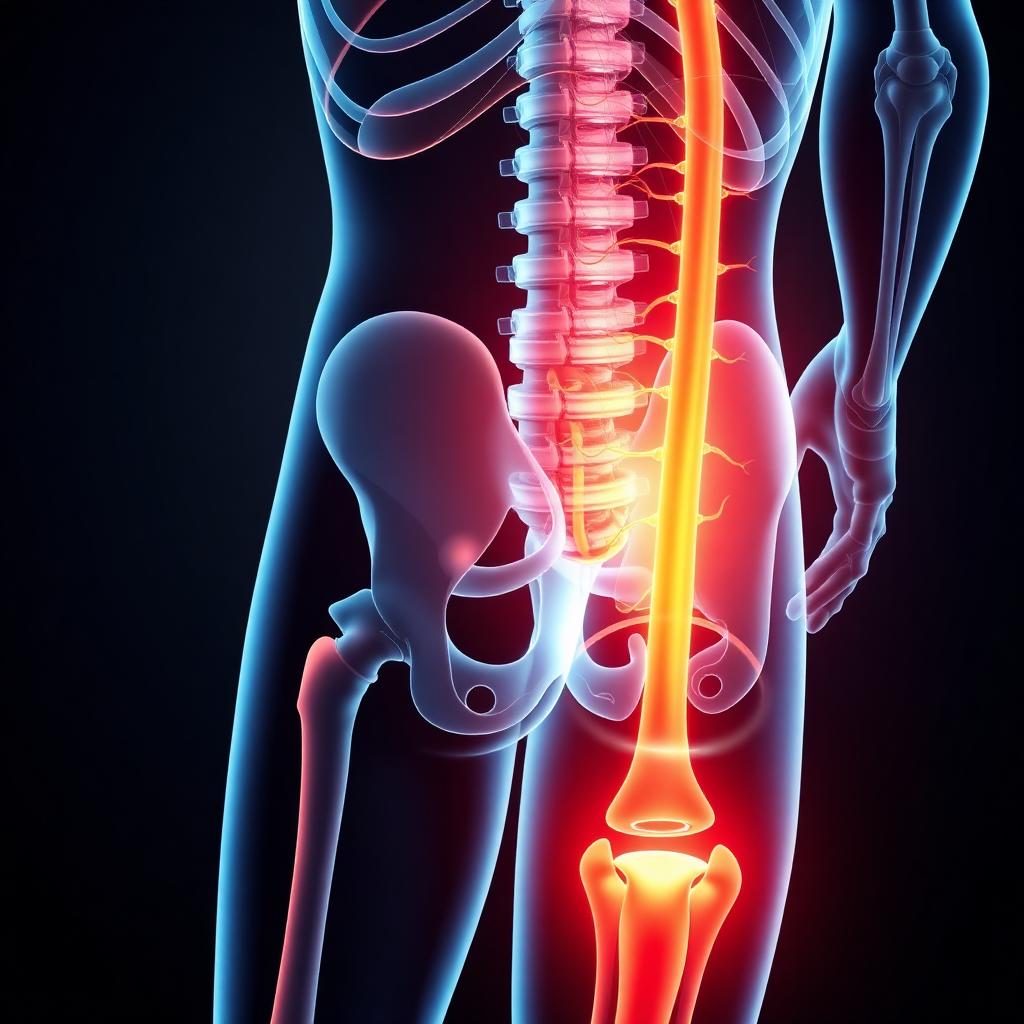
Sciatica Red Flags: When to See a Doctor or Go to the Emergency Department
Most sciatica is manageable with conservative care, but a few symptoms mean you should stop and get medical help right away. Here is a clear, plain-language checklist.
What to Wear and How to Prepare for Your First Physiotherapy Session
Practical tips to get ready for your first physiotherapy visit at Réhabital: clothing, paperwork and what to expect.
Sciatic Nerve Glides (Flossing): What They Are, How They Work and Who Should Avoid Them
Nerve glides are gentle movements that help the sciatic nerve slide freely instead of stretching it. Our physiotherapists explain how they work, how to start and when they are not appropriate.
Your First Physiotherapy Appointment: What to Expect
Complete guide for your first physiotherapy visit in Côte Saint-Luc. Assessment, treatment, exercises and follow-up plan.
Returning to Walking, Running, the Gym and Lifting After Sciatica
Feeling better is not the same as being ready. Our physiotherapists lay out a staged return to walking, running, gym work and lifting, with simple rules for when to progress.