
What to Wear and How to Prepare for Your First Physiotherapy Session
Practical tips to get ready for your first physiotherapy visit at Réhabital: clothing, paperwork and what to expect.
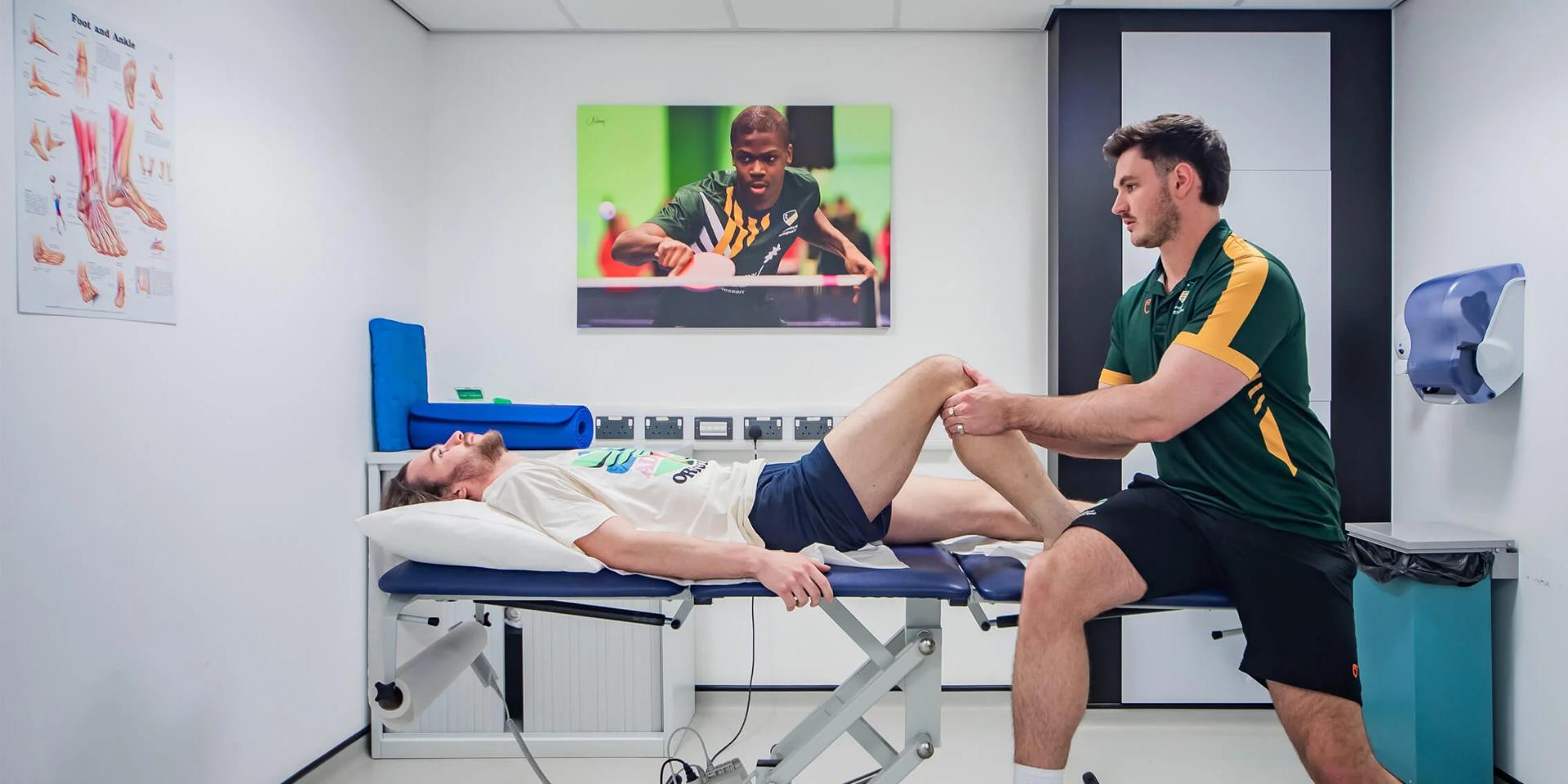
Your first physiotherapy session is an important step toward pain relief and functional recovery. Whether you're seeking care for a sports injury, chronic back pain, or post-surgical rehabilitation, proper preparation will help you get the most out of your visit at Réhabital in Côte Saint-Luc. Here's everything you need to know before your appointment.
What to Wear for Your Physiotherapy Session
Your choice of clothing may seem trivial, but it has a real impact on the quality of your assessment. Your physiotherapist will often need to observe your posture, gait, and range of motion of the affected joint. Here are our recommendations depending on the area being treated:
- Knee or hip pain: wear shorts or loose athletic wear that allows easy access to the lower limb.
- Shoulder or neck pain: opt for a tank top or loose t-shirt rather than a turtleneck or fitted sweater.
- Back pain: comfortable, stretchy clothing such as athletic pants will make flexion and extension tests easier.
- Footwear: bring athletic shoes if functional exercises or a gait analysis are planned.
In general, avoid tight jeans, high heels, or overly fitted clothing that limits movement or access to the area being evaluated.
What to Bring to Your Appointment
To make your first visit as effective as possible, prepare the following documents:
- Your health insurance card and, if applicable, your private insurance card;
- Any relevant medical imaging (X-rays, MRIs, ultrasounds) or specialist reports;
- A medical referral letter, if your insurer or physician requires one;
- A list of your current medications and relevant medical history;
- If applicable, an SAAQ claim number if your injury resulted from a car accident.
What to Expect During Your First Session
The first consultation, also called an initial assessment, generally lasts between 45 and 60 minutes at Réhabital. Here's how it unfolds:
1. Detailed History-Taking
Your physiotherapist will ask you questions about the onset of your symptoms, their progression, aggravating and relieving factors, as well as your medical history and typical physical activity level.
2. Physical Assessment
This step includes tests of joint mobility, muscle strength, posture, and sometimes gait analysis. The physiotherapist may palpate the painful area and perform specific maneuvers to identify the source of the problem.
3. Discussion of Your Treatment Plan
Once the assessment is complete, your physiotherapist will explain their functional diagnosis, the treatment goals, and the approximate number of recommended sessions. You'll often receive home exercises to start on right from your first visit.
Practical Tips Before Your Visit
- Eat a light meal before your appointment, especially if your session involves physical exertion.
- Arrive 10 to 15 minutes early to complete intake forms if this is your first visit to the clinic.
- Write down your questions ahead of time regarding your condition, daily or athletic activities, and recovery goals.
- Be honest about your pain level and functional limitations — this helps the physiotherapist build a realistic and safe plan.
Is Physiotherapy Painful?
Some techniques, such as joint mobilization or targeted stretching, may cause mild, temporary discomfort, particularly if the area is already sensitive. However, your physiotherapist will always work within your tolerance and adjust the intensity based on your reactions. Never hesitate to speak up if a maneuver feels too intense.
Physiotherapy or a Different Approach?
If you're unsure whether physiotherapy is the right fit for your condition, several of our resources can help guide you: check out our osteopathy vs physiotherapy comparison or our physiotherapy vs massage therapy guide. For specific pain concerns, also explore our dedicated pages on back pain treatment and neck pain treatment.
Our Flexible Hours, Including Sunday
We know finding time for healthcare can be a challenge with a busy schedule. That's why Réhabital is open Monday through Friday from 10:00 to 20:00, as well as Sunday from 10:00 to 16:00 — a rare option among physiotherapy clinics in Montreal. On Saturdays, the clinic is closed.
What Does the Healing Process Look Like?
Many patients wonder how long it will take before they notice improvement. In general, acute injuries (mild sprains, muscle strains) respond well within 2 to 4 weeks of treatment, with weekly sessions. Chronic conditions, such as lower back pain present for months or years, often require a more gradual approach, with a treatment plan that can extend over 6 to 12 weeks or more, combining manual therapy, therapeutic exercises, and postural modifications. It's important to keep realistic expectations: physiotherapy aims for gradual, lasting improvement, not instant, permanent relief after a single session.
Factors That Influence Your Recovery
- The severity and duration of your condition before starting treatment;
- Your consistency with home exercises prescribed by your physiotherapist;
- Your general physical activity level and lifestyle habits;
- The presence of underlying medical conditions (arthritis, diabetes, etc.) that can slow healing.
What Happens at the Clinic After Your First Visit
Once your treatment plan is established, follow-up sessions are generally shorter (30 to 45 minutes) and focus on progressing your exercises, applying targeted manual therapy, and adjusting the plan based on your progress. Your physiotherapist will regularly reassess your progress and modify the intensity or type of exercises accordingly. We strongly encourage open communication: if an exercise causes unusual pain, let your physiotherapist know immediately so the approach can be adjusted.
When to See a Doctor Instead of a Physiotherapist
While physiotherapy is effective for the vast majority of musculoskeletal injuries, certain warning signs require prior medical evaluation: unexplained fever accompanying joint pain, sudden and significant swelling of a limb, chest pain, progressive numbness in the legs or arms, or significant loss of motor function. In these cases, we recommend consulting a doctor before your physiotherapy session, or going directly to the emergency room if symptoms are severe.
Insurance and Costs: What You Need to Know
Physiotherapy is generally not covered by RAMQ for adults in a private clinic setting, but it is reimbursed by most private group insurance plans. We also accept SAAQ claims for car-accident-related injuries, but we do not accept CNESST claims for workplace injuries — in that case, we will refer you to a CNESST-affiliated centre. A detailed receipt is provided after every session to support your reimbursement request.
Serving Côte Saint-Luc and Neighbouring Areas
Our clinic regularly welcomes patients from Hampstead, Westmount, NDG, Snowdon, and Montréal-Ouest, in addition to our local Côte Saint-Luc community. Our central location and easy parking access make us a convenient option no matter where you're coming from on Montreal's West Island and surrounding areas.
Fitting Physiotherapy into an Active Montreal Lifestyle
For our patients who play sports or maintain an active lifestyle in the neighbourhoods around Côte Saint-Luc, such as cycling on the NDG bike paths or running in Westmount, it's important to gradually reintegrate activity into your treatment plan. Your physiotherapist will guide you on the right time to resume certain movements, avoiding too rapid a return that could cause a setback. Ongoing communication between your clinic sessions and your daily activities allows the plan to be adjusted realistically and safely.
After Your Session: Home Care and Recovery
After your first session, it's normal to feel slight muscle fatigue, similar to what you'd feel after a moderate workout. Drink plenty of water, apply ice or heat as recommended by your physiotherapist, and perform your prescribed exercises consistently, even on days when you don't feel pain. Consistency between sessions is often the single biggest factor in how quickly you recover.
Frequently Asked Practical Questions
Many patients wonder whether they can drive immediately after their session: in the vast majority of cases, yes, since our techniques don't cause drowsiness. You can also return to work the same day, unless your physiotherapist advises otherwise. If you're planning intense physical activity after your appointment, let your therapist know so they can adjust the treatment intensity accordingly.
Building a Home Exercise Routine That Sticks
One of the biggest predictors of successful physiotherapy outcomes is adherence to the home exercise program between visits. To make this easier, we recommend setting a fixed time each day — right after brushing your teeth, or during a favourite podcast — so the habit becomes automatic rather than something you have to remember. Our physiotherapists can also provide printed or digital exercise sheets with photos, and many patients find it helpful to track completed sessions in a simple notebook or phone app to stay motivated between clinic visits.
Insurance Paperwork Made Simple
After each visit, you'll receive a detailed receipt listing the practitioner's name, association number, the service provided, and the amount paid — everything most private insurers require for reimbursement. If your employer plan requires a physician's referral, bring it to your first visit so it can be added to your file immediately, avoiding delays later in your treatment plan.
Clothing and Items to Avoid
Avoid bulky jewelry, cumbersome watches, or rigid belts that could interfere with the assessment or treatment of certain areas. A simple hair tie to pull back long hair can also make it easier to access the neck and shoulders during your assessment.
One Last Reminder About Timing
If your schedule is tight, remember that Réhabital's extended hours — weekdays until 20:00 and Sundays from 10:00 to 16:00 — make it easier to fit a physiotherapy session around work and family commitments without sacrificing consistency in your treatment plan.
Book Your First Session Now
Don't let pain or discomfort worsen. Our team of physiotherapists in Côte Saint-Luc is ready to support you on your recovery journey, with personalized treatment plans and hours that fit your reality. Visit our team page to learn more about our practitioners, or check out our current promotions. Book your appointment online today through our Jane App links, and remember our 24-hour cancellation policy detailed on our policies page.
This article is provided for informational purposes only and does not replace a professional medical diagnosis. Always consult a qualified healthcare professional to assess your specific condition.
Frequently asked questions
Go deeper with our dedicated physiotherapy pages
Physiotherapy pages with Colin Teghen Tamuton (OPPQ) in Côte Saint-Luc:
Related articles
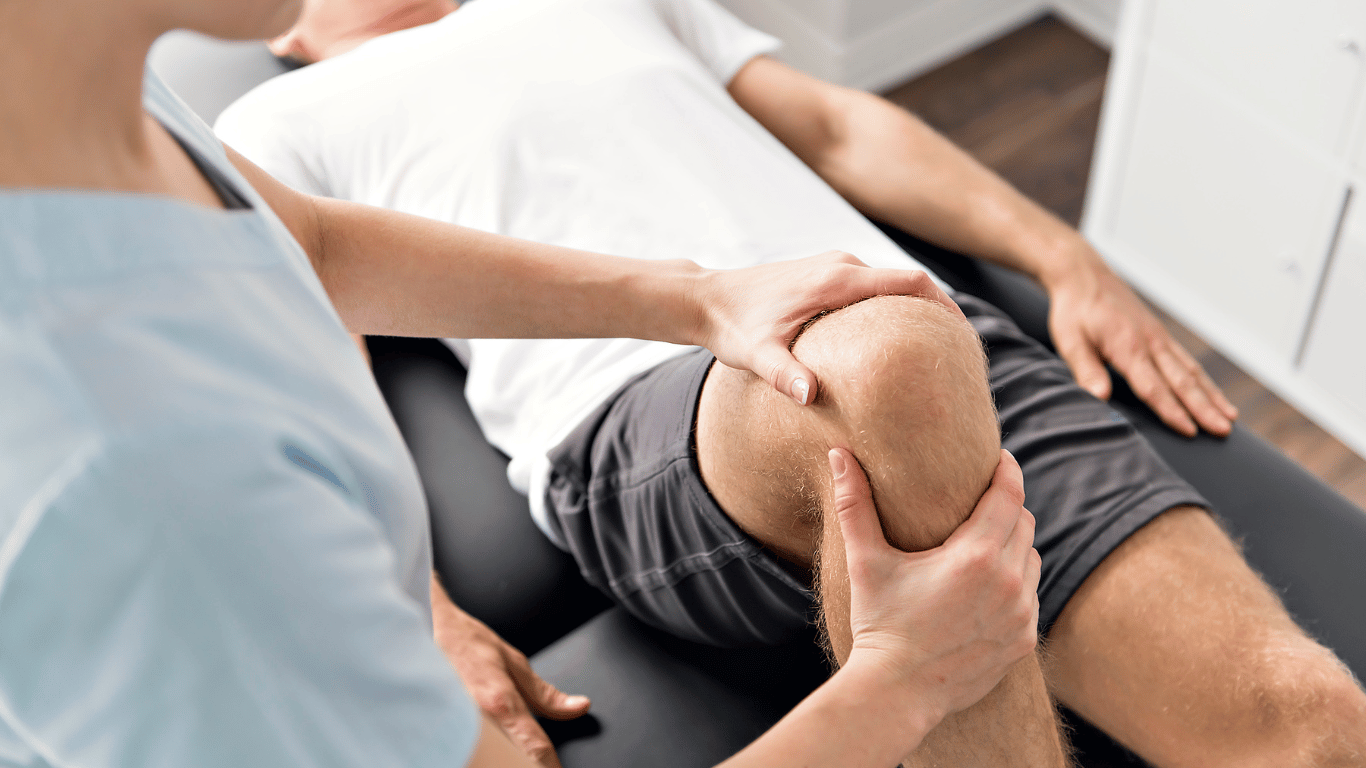
Your First Physiotherapy Appointment: What to Expect
Complete guide for your first physiotherapy visit in Côte Saint-Luc. Assessment, treatment, exercises and follow-up plan.

Physiotherapy and Osteopathy Combined: Why Réhabital Integrates Both in Every Treatment Plan
In Côte Saint-Luc, our difference is not simply offering physiotherapy and osteopathy side by side — we combine them inside one personalized treatment plan. Here is how this integration accelerates recovery and who benefits the most.

How Many Physiotherapy Sessions Do You Usually Need?
Wondering how many physiotherapy sessions you'll need for your condition? Here are realistic benchmarks based on injury type, from Clinique Réhabital.
Why Our Physiotherapy Is Among the Best in Montreal
Discover what sets Réhabital's physiotherapy in Côte Saint-Luc apart: an OPPQ-licensed physiotherapist, advanced clinical equipment (Richmar SoundCare Plus), a multidisciplinary approach and measurable outcomes for patients across Montreal.
Knee Pain: How Osteopathy and Physiotherapy Treat It in Côte Saint-Luc
Knee that clicks, burns, locks or gives way? Learn how Réhabital's osteopaths and physiotherapists assess and treat knee pain — from osteoarthritis and patellofemoral syndrome to ligament sprains and tendinopathies.
Sciatica Exercises: Which Ones Help, Which Ones Make It Worse (Physiotherapy Guide)
Not every stretch is good for a sore sciatic nerve. Our physiotherapists explain which exercises usually help, which ones tend to aggravate symptoms, and why the right choice depends on the cause.