
Common Causes of Sciatica: A Practical Guide to Lasting Relief Through Osteopathy
Why does sciatic pain keep coming back? Explore the everyday habits, postural patterns and structural imbalances behind sciatica — and how osteopathy at Réhabital corrects them at the source.
Sciatica Is Not a Disease — It Is a Warning Signal
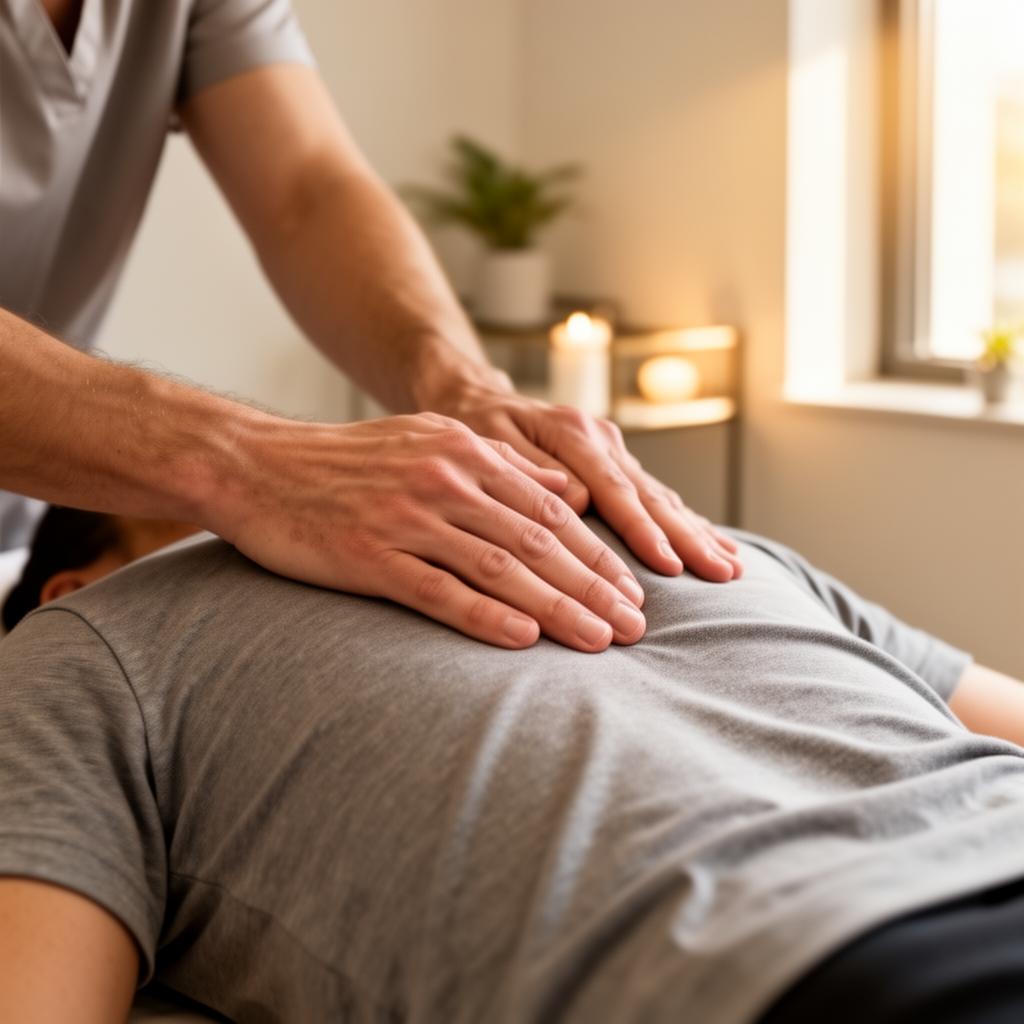
If you have ever felt a sharp pain shooting from your buttock down the back of your leg, you already know how disruptive sciatica can be. Yet many patients arrive at our Côte Saint-Luc clinic surprised to learn that the pain in their leg almost always starts somewhere else: in the lower back, the pelvis, or a deep gluteal muscle. Sciatica is the body's way of telling you that a structure is compressing or irritating the sciatic nerve. The job of osteopathy is to find that structure and free it.
This guide goes deeper than a simple symptom list. It explores why sciatica develops, why it tends to come back and exactly how our hands-on approach at Réhabital interrupts the cycle for good.
The Sciatic Nerve in Plain Language
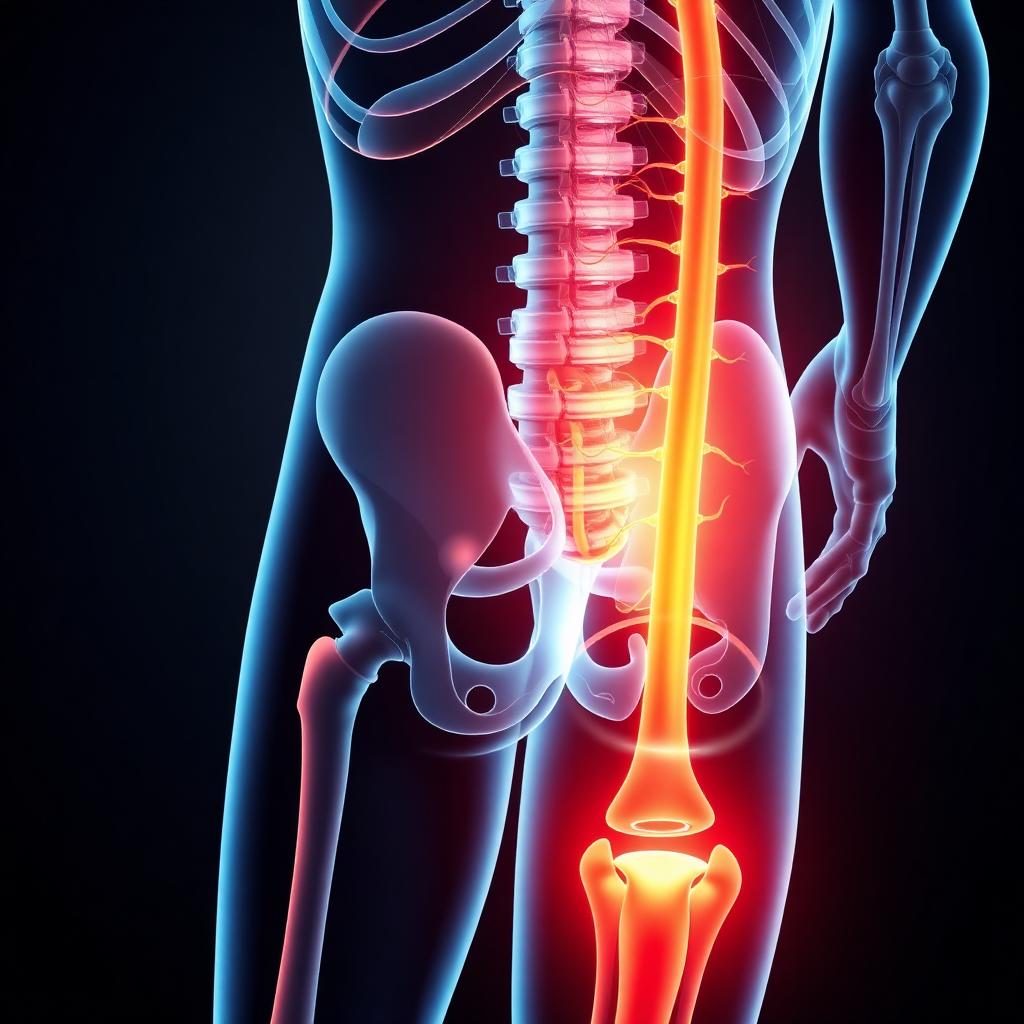
The sciatic nerve is the longest nerve in the human body. It is formed by the merging of five nerve roots emerging from the lower spine, passes through the pelvis, runs underneath the deep gluteal muscles and travels all the way down the back of the leg into the foot. Anywhere along this path, the nerve can be compressed, stretched, or irritated.
Knowing the path is what allows us to identify the cause. A pain located behind the knee, for example, can originate from a disc in the lower back, a tight piriformis in the buttock, a hamstring restriction, or even a stiff ankle. Treating the wrong area is the most common reason sciatica does not improve.
The Everyday Habits That Quietly Build Up to a Sciatic Crisis
Most sciatica does not appear overnight. It is the cumulative result of weeks, months, or years of small mechanical insults to the lumbar spine and pelvis. The most common contributors we see at Réhabital include:
- Prolonged sitting — More than 6 hours a day in a chair compresses the lumbar discs, weakens the gluteal muscles and shortens the hip flexors. The sciatic nerve, which runs directly under the buttock, becomes vulnerable.
- Carrying a wallet or phone in the back pocket — Sitting on a thick object tilts the pelvis and presses on the piriformis muscle, a frequent trigger of “false” sciatica.
- Driving long distances — A fixed seated posture combined with vibration is one of the strongest risk factors for sciatic flare-ups.
- Repetitive lifting with poor form — Bending from the back instead of the hips loads the lumbar discs in their most vulnerable position.
- Sudden return to intense exercise — Starting heavy squats, deadlifts, or running after months of inactivity often unmasks underlying lumbar or SI joint dysfunction.
- Pregnancy and postpartum changes — Hormonal ligament laxity, weight redistribution and pelvic shifts frequently trigger sciatic symptoms.
- Sleeping on a soft, sagging mattress — A spine that loses its neutral curve for 7 hours every night accumulates strain quickly.
- Chronic dehydration — Intervertebral discs are 80% water; chronic dehydration reduces their height and shock-absorbing ability.
- Habitually crossing the same leg — A subtle but powerful contributor to pelvic asymmetry and piriformis tightness.
The Real Anatomical Causes Behind the Pain
Behind these habits, what is actually compressing the nerve? Our osteopathic assessment usually identifies one — or a combination — of the following:
- Piriformis syndrome — Responsible for an estimated 6 to 8% of all sciatica cases and far more in active or seated populations.
- Sacroiliac joint dysfunction — A blocked or hypermobile SI joint creates referred pain that perfectly mimics nerve compression.
- Lumbar facet joint restriction — Stiff joints between vertebrae trigger reflex muscle guarding and nerve irritation.
- Disc bulge or herniation — Most often at L4-L5 or L5-S1, the two lowest levels of the lumbar spine.
- Hip joint dysfunction — A restricted hip changes how the pelvis moves, overloading the lower back and SI joint.
- Fascial restrictions along the posterior chain — Tight thoracolumbar fascia, hamstrings and calf fascia can perpetuate nerve irritation long after the initial cause has resolved.
- Visceral tensions — The colon, uterus and even the kidneys share fascial connections with the lumbar spine; chronic visceral restrictions can perpetuate lower back and sciatic pain.
Acute vs Chronic Sciatica: Two Different Worlds
Understanding which type of sciatica you have helps set realistic expectations.
- Acute sciatica — Less than 6 weeks of symptoms. Usually triggered by a specific event. Responds rapidly to osteopathy, often within 2 to 4 sessions.
- Subacute sciatica — Between 6 and 12 weeks. The window where intervention is critical to prevent chronicity. Typically resolves in 4 to 8 sessions.
- Chronic sciatica — More than 12 weeks. The nervous system has often become sensitized and broader changes have occurred in muscles, fascia and posture. Requires a longer plan of 8 to 12 sessions combined with active rehabilitation.
How Our Osteopaths Resolve Sciatica at Réhabital
Effective sciatica care is never one-size-fits-all. At our Côte Saint-Luc clinic, every treatment plan is built around three principles: identify, decompress, stabilize.
- Identify — A detailed history and a full biomechanical assessment determine the exact structure responsible for compressing the nerve. We test the spine, pelvis, hips and even the feet, because a problem far from the lower back can be the real driver.
- Decompress — Using gentle joint mobilization, muscle energy techniques, myofascial release and specific nerve gliding maneuvers, we restore space and motion around the irritated nerve root.
- Stabilize — Once the acute pain settles, we work on the deeper imbalances: gluteal activation, core control, hip mobility and postural retraining. This is what prevents the pain from coming back.
This integrated approach is why our patients in Côte Saint-Luc, Hampstead, Westmount, NDG and Snowdon consistently report not only faster relief, but also longer-lasting results than with passive treatments alone.
The First Session: What to Expect Step by Step
- Welcome and history (15 minutes) — Detailed conversation about your symptoms, triggers, medical background and goals.
- Standing assessment — Posture, weight distribution, pelvic alignment, spinal curves.
- Movement testing — Range of motion of the spine, hips and pelvis.
- Specific orthopedic tests — Straight leg raise, slump test, FAIR test, SI joint provocation tests.
- Neurological screening — Reflexes, strength and sensation in the lower limbs.
- Hands-on treatment — Personalized combination of techniques based on findings.
- Home plan — Two or three targeted exercises and clear self-care advice.
The Specific Techniques We Use
- Soft tissue release — On the piriformis, deep gluteals, quadratus lumborum and hamstrings.
- Joint mobilization — Gentle rhythmic movements applied to lumbar and sacroiliac joints.
- Muscle energy techniques (MET) — You contract a muscle against light resistance, allowing the osteopath to restore joint alignment safely.
- Myofascial release — Slow, sustained pressure on restricted fascia along the back, hip and leg.
- Neural mobilization — Gentle “flossing” of the sciatic nerve to restore its sliding capacity.
- Visceral techniques — Subtle release of restrictions on the colon, uterus, or psoas muscle when relevant.
- Cranial techniques — Gentle work on the cranium and sacrum to calm the autonomic nervous system.
What the Research Says
- A 2020 systematic review in the European Spine Journal concluded that manual therapy is effective for reducing pain and improving function in patients with sciatica of mechanical origin.
- Clinical guidelines from the NICE (UK) and the American College of Physicians recommend manual therapy as a first-line option for low back pain with leg symptoms, before imaging or medication.
- Studies on piriformis syndrome show that combined manual therapy and specific stretching protocols achieve symptom resolution in over 75% of patients within 6 weeks.
- A 2018 trial in the Journal of Bodywork and Movement Therapies showed that neural mobilization significantly improved straight leg raise and reduced pain intensity in patients with lumbar radiculopathy.
Self-Care That Actually Helps Between Sessions
- Figure-4 piriformis stretch — 3 sets of 30 seconds per side, twice a day.
- Sciatic nerve glides — Gentle slumped sitting with knee extension and ankle pumps; ask your osteopath to demonstrate.
- Glute bridges — 2 sets of 15 to reactivate weak gluteal muscles.
- Cat-cow mobility — 10 slow repetitions in the morning to lubricate the spine.
- Walking, not bed rest — Short, frequent walks promote nerve healing better than immobility.
- Heat over the buttock and lower back — 15 minutes, several times a day.
- Pelvic tilts — Gentle anterior/posterior pelvic tilts done lying down to restore lumbar mobility.
What to Avoid While Recovering
- Heavy lifting, especially from the floor
- Prolonged sitting without breaks
- Aggressive forward-bending yoga poses
- Sleeping on your stomach
- Self-cracking the lower back
- Wearing high heels for long periods
- Crossing the affected leg over the other
Posture and Ergonomics: The Invisible Cure
Even the best osteopathic treatment will not hold if your daily environment keeps recreating the problem. We help every sciatica patient redesign their workspace and habits:
- Chair height — Hips slightly higher than knees, feet flat on the floor.
- Lumbar support — A small cushion at the natural lumbar curve, not the upper back.
- Monitor height — Top of the screen at eye level.
- Standing breaks — Every 30 minutes, even just to walk to the kitchen.
- Phone use — Out of the back pocket, period.
- Sleep setup — Medium-firm mattress, pillow between knees if side-sleeping.
Why Patients Choose Réhabital for Sciatica
- Experienced osteopaths trained in advanced manual therapy
- A precise diagnostic approach that goes well beyond the painful area
- Calm, modern clinic environment in the heart of Côte Saint-Luc
- Coverage by most private insurance plans
- A clear, structured plan: relief first, then long-term stability
- Integrated services — osteopathy, physiotherapy, massage therapy and naturopathy all in one location
Real Results, Realistic Expectations
The vast majority of our sciatica patients report meaningful relief within the first 1 to 3 sessions. By the end of a structured plan, most return to running, lifting, gardening, or simply sleeping through the night without pain. Lasting results depend on three things: an accurate diagnosis, the right manual treatment and the patient applying the home program consistently.
A Typical Patient Journey at Réhabital
Most of our sciatica patients follow a remarkably similar arc. They arrive frustrated after weeks or months of pain, often after trying medication, rest and sometimes other therapies without lasting result. After the first session, they usually report a clear reduction in pain intensity and a renewed sense of hope. By the third or fourth session, they sleep through the night, sit at their desk without dreading the day and start enjoying walks again. By the end of the program, they have not only recovered — they understand why the pain happened and how to keep it from coming back.
The Cost of Doing Nothing
Ignoring sciatica rarely makes it disappear. Untreated, the nervous system can become chronically sensitized, muscles weaken from disuse, posture deteriorates and what started as a mechanical problem evolves into a complex chronic pain condition that is much harder to reverse. Early intervention is almost always the wisest choice — both for your body and for your long-term healthcare costs.
Serving Côte Saint-Luc and Beyond
Réhabital is centrally located in Côte Saint-Luc, easily accessible from Hampstead, NDG, Snowdon, Westmount, Saint-Laurent and downtown Montreal. Our clinic combines a calm, modern environment with a team trained in evidence-based manual therapy. We offer extended hours to accommodate working schedules and provide all the documentation needed for insurance reimbursement.
Frequently Overlooked Triggers of Sciatica
Some sciatica triggers slip under the radar because they seem unrelated to the lower back. We routinely uncover the following hidden contributors during assessment:
- An old ankle sprain that quietly changed your gait and overloaded the pelvis for years.
- Mouth breathing or jaw clenching, which alters cervical posture and tensions the entire spinal fascia.
- Scar tissue from abdominal surgery (C-section, appendectomy) that restricts the psoas and lumbar mobility.
- Chronic constipation, which keeps the lower abdominal cavity loaded and the lumbosacral region tense.
- Emotional stress and anxiety, which directly increase muscle tone around the pelvis and lower back.
Identifying and addressing these “silent” triggers is often the difference between temporary relief and lasting recovery.
Frequently Asked Questions
1. How quickly will I feel a difference?
Most patients feel noticeable relief within the first 1 to 3 sessions, especially for mechanical sciatica.
2. Do I need an MRI before starting osteopathy?
Not in most cases. Imaging is reserved for situations with red flags or for patients who do not respond to conservative care within a reasonable time.
3. Can I combine osteopathy with other treatments?
Absolutely. Osteopathy works well alongside physiotherapy, therapeutic massage and a tailored exercise program — all available at Réhabital.
4. What everyday habits worsen sciatica?
Prolonged sitting, wallets in the back pocket, long drives, poor lifting form and sudden return to intense exercise are the most common triggers.
5. Is sciatica more common in men or women?
Both sexes are affected, but women experience it more often during pregnancy, while men tend to develop it earlier through lifting-related injuries.
6. Can stress make sciatica worse?
Yes. Stress increases muscle tone, especially in the gluteal region, which can compress the sciatic nerve and amplify pain perception.
7. Should I stop running if I have sciatica?
Usually only temporarily. Once symptoms settle and biomechanics are corrected, most runners return to their sport stronger than before.
8. Are inversion tables helpful?
For some types of disc-related sciatica, yes. They should be used cautiously and ideally on the advice of your osteopath.
9. Can poor footwear cause sciatica?
Indirectly, yes. Unsupportive or worn shoes alter gait and pelvic mechanics, which can contribute to chronic sciatic irritation.
10. Does weight loss help sciatica?
For patients with significant excess weight, yes — every kilogram less reduces lumbar load and nerve compression.
11. Is sciatica hereditary?
Some predispositions, such as disc shape and ligament laxity, can run in families, but lifestyle and posture remain the dominant factors.
12. Can children or teenagers get sciatica?
Rarely. When it occurs, it is usually linked to sports involving repeated extension (gymnastics, soccer) or to spondylolisthesis. Osteopathy is very effective for these cases.
13. Why does my sciatica feel worse at night?
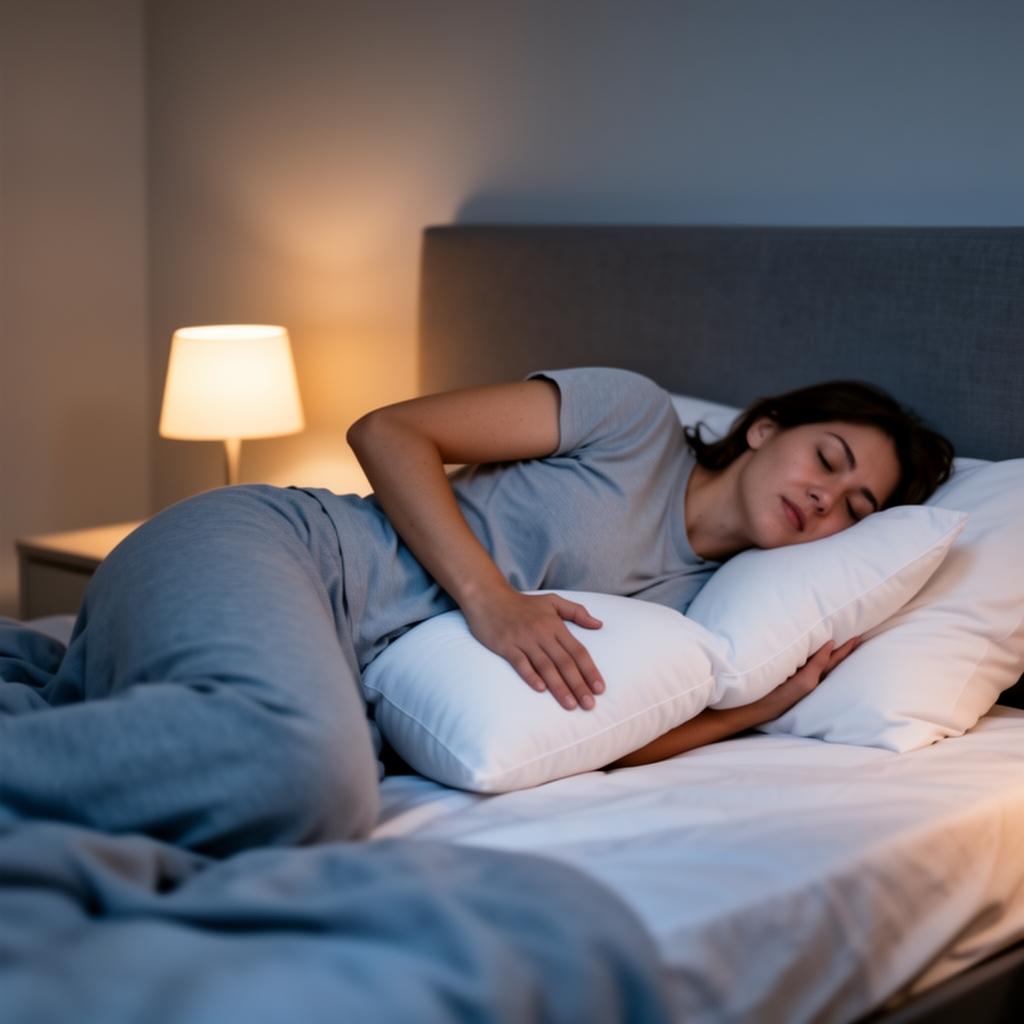
Lying still allows inflammation to settle around the nerve and certain sleep positions increase compression. Adjusting your sleep setup usually helps quickly.
14. Can osteopathy help if I already had back surgery?
Yes. Post-surgical patients often benefit greatly, with gentle techniques adapted to the surgical area.
15. What is the difference between sciatica and piriformis syndrome?
Piriformis syndrome is one specific cause of sciatic nerve compression — by the piriformis muscle. It produces sciatica-like pain but originates entirely in the buttock.
16. Can I receive osteopathy on the same day as a flare-up?
Yes and the earlier the better. Acute treatment is often the most rewarding because tissues respond quickly.
17. Do I need a doctor's referral?
No. Osteopathy is a direct-access profession in Quebec. You can book directly with Réhabital.
18. How is osteopathy different from chiropractic for sciatica?
Osteopathy uses a wider range of techniques — fascial, muscular, articular, visceral and cranial — and assesses the whole body, not only the spine. Both can help; the choice often depends on the patient's preference and the specific cause of the sciatica.
Take the First Step Toward a Pain-Free Leg
Sciatica responds extremely well to the right hands-on care, applied at the right place. Book your osteopathy consultation at Réhabital in Côte Saint-Luc → and let our team identify what is truly behind your pain — and resolve it.
Frequently asked questions
Go deeper with our dedicated osteopathy pages
Osteopathy pages with Shahram Ghasemi, MD (Iran), DOMP in Côte Saint-Luc:
Related articles
Sciatica Pain Explained: Causes, Symptoms and How Osteopathy Brings Lasting Relief
Sharp, burning pain shooting from your lower back down the leg? Discover the most common causes of sciatica and how our osteopaths in Côte Saint-Luc relieve it without medication or surgery.
Osteopathy and sciatica: how to durably relieve sciatic nerve pain
How osteopathy identifies the mechanical cause of sciatica — disc, sacroiliac or piriformis — and relieves pain in a few sessions at Réhabital in Côte Saint-Luc.
Is It Really Sciatica? Sacroiliac Joint Pain and Other Causes of Leg Pain That Mimic It
Many people with buttock or leg pain are told they have sciatica when something else is behind it. We explain the look-alikes, how they differ and why the right diagnosis changes the treatment.
Herniated Disc, Sciatica or Piriformis Syndrome: How to Tell Them Apart
Pain shooting down your leg? It is not always “sciatica.” Learn how to tell a herniated disc, a true radicular sciatica and a piriformis syndrome apart — and how osteopathy and physiotherapy at Réhabital in Côte Saint-Luc treat each one differently.
Sciatica at Night: Why Pain Worsens After Dark and How Osteopathy Helps You Sleep Again
Tossing, turning, woken up by a burning leg at 3 a.m.? Discover why sciatica intensifies at night and how our osteopaths in Côte Saint-Luc help patients sleep deeply again.
Lower Back Pain: How Osteopathy Can Truly Bring You Relief
Discover how our Côte Saint-Luc osteopaths treat chronic and acute lower back pain with a gentle, structured, evidence-informed manual approach grounded in 30+ years of clinical experience.