
Hip Pain When Walking or Sleeping on Your Side: Possible Causes and Treatments
Pain on the side of the hip at night or while walking? Gluteal tendinopathy, bursitis, femoroacetabular impingement or osteoarthritis: here is how to tell them apart.
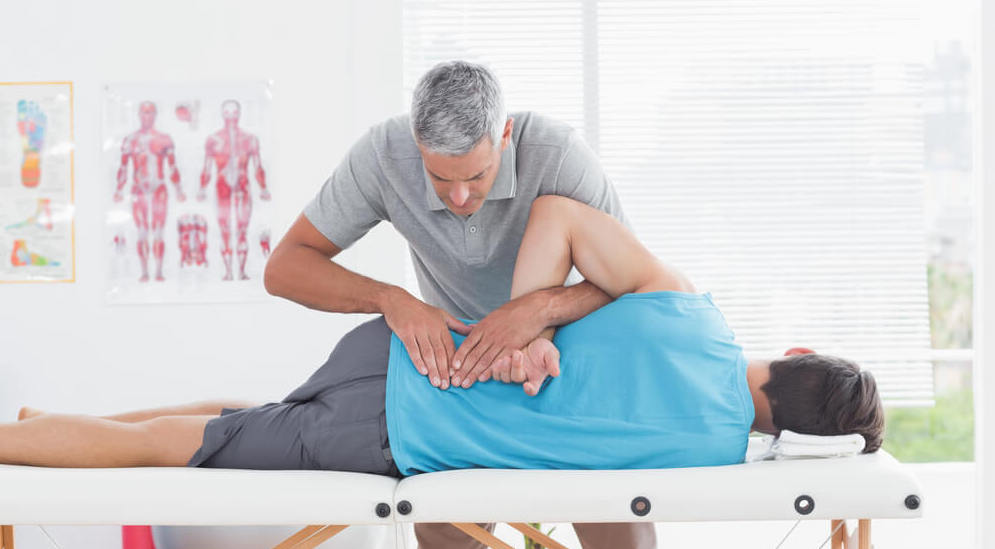
Hip pain that appears while walking or worsens when sleeping on the affected side is one of the most common complaints among active adults aged 30 to 70. This pain, often felt on the outer side of the hip, can have several very different origins, and distinguishing between them is essential to guide the right treatment.
At our Côte Saint-Luc clinic, we regularly see patients from Hampstead, Westmount, Snowdon and NDG who have tried several approaches without success because the exact cause of their pain was never clearly identified.
The main causes of lateral hip pain
1. Gluteal tendinopathy
This is by far the most common cause of pain on the outer side of the hip, particularly in women over 40. It affects the tendons of the gluteus medius and minimus, where they attach to the greater trochanter (the bony bump felt on the side of the hip). The pain is typically worse:
- Sleeping on the affected side
- Climbing stairs
- Standing for extended periods on one leg
- After prolonged walking
2. Trochanteric bursitis
Often confused with tendinopathy since it produces very similar symptoms, bursitis involves inflammation of the small fluid-filled sac that protects the tendon. In clinical practice, both conditions frequently coexist and are treated similarly.
3. Femoroacetabular impingement (FAI)
This structural condition tends to affect younger, athletically active adults. The pain is usually located in the groin rather than on the side, and worsens with deep hip flexion, such as squatting or pivoting quickly.
4. Hip osteoarthritis
Osteoarthritis affects the joint itself and causes groin pain accompanied by morning stiffness, a gradual decrease in range of motion, and sometimes a sensation of locking. Unlike tendinopathy, osteoarthritic pain generally does not improve quickly with rest and tends to worsen progressively over time.
How to know which one applies to you
Certain clinical clues help guide the diagnosis:
| Feature | Tendinopathy/Bursitis | Osteoarthritis |
|---|---|---|
| Location | Outer hip | Groin |
| Nighttime pain on the side | Yes, marked | Variable |
| Morning stiffness | Mild | Marked, prolonged |
| Worsens with prolonged walking | Yes | Yes |
This distinction is only a general guide, however: a complete clinical assessment remains essential, as several conditions can coexist in the same patient, particularly with age.
Treatment approach
Treatment differs depending on the identified cause, but several common principles apply:
- Load management: avoiding positions that directly compress the tendon (such as crossing the legs or leaning on one hip) without eliminating physical activity altogether
- Progressive strengthening of the gluteal muscles to restore tendon capacity
- Osteopathic treatment to improve overall joint mobility and correct compensations at the pelvis, lower back and knee
- Modifying sleep habits, such as sleeping with a pillow between the knees
- Complementary physiotherapy for a structured home exercise program
At Réhabital, an initial osteopathy assessment helps precisely determine which structure is involved using specific orthopedic tests, before proposing an individualized treatment plan. In some cases, collaboration with our physiotherapy team is recommended to optimize recovery.
When to see a doctor
Certain signs should prompt urgent medical consultation rather than immediate conservative treatment:
- Sudden inability to bear weight on the leg
- Hip pain following a fall, especially in an older adult (fracture risk)
- Fever associated with the pain (risk of joint infection)
- Visible deformity of the leg or hip
- Constant, severe pain that does not vary with position or movement
Living with chronic hip pain
The good news is that most lateral hip pain responds well to a structured load management and strengthening program, even after several months of symptoms. The key is obtaining an accurate clinical diagnosis rather than guessing the cause yourself, which often leads to ineffective or even aggravating treatment choices (such as aggressive stretching that further compresses the tendon).
What a session at our clinic involves
The first osteopathy consultation begins with a detailed history: how long the pain has been present, what triggers it (walking, stairs, lying on the side), and whether it radiates elsewhere. The therapist then assesses mobility of the hip, pelvis and lower back, performs specific orthopedic tests (gluteal resistance tests, compression tests, flexion-rotation tests) and observes gait to identify compensations.
Manual treatment aims to reduce tension in the surrounding muscles (glutes, tensor fasciae latae, quadratus lumborum), improve joint mobility of the hip and pelvis, and correct compensations elsewhere in the chain (lower back, knee). Targeted strengthening exercises are introduced as early as the first or second visit, with progression adapted to the patient's tolerance.
Home exercises and self-care
Some simple strategies can reduce irritation between sessions:
- Sleeping on the unaffected side with a thick pillow between the knees to keep the pelvis aligned
- Avoiding crossing the legs while sitting, which directly compresses the tendon
- Avoiding leaning on one hip during prolonged standing (the classic "hanging on one hip" posture)
- Isometric gluteus medius exercises, such as squeezing a cushion between the knees while lying on the back, useful during painful phases
- Progressive loaded strengthening, such as lateral band walks, once the acute phase has passed
- Avoiding aggressive stretching of the outer hip, which can further compress the tendon against the bone
Insurance and practical considerations
Osteopathy and physiotherapy sessions offered at our clinic are generally covered by most private insurance plans, as well as SAAQ claims in cases related to a motor vehicle accident. CNESST claims are not accepted at our clinic. An official receipt is provided after each visit to facilitate your reimbursement request with your insurer.
Our local clientele
We regularly welcome patients at our Côte Saint-Luc clinic from Hampstead, Westmount, Snowdon, Montréal-Ouest and NDG dealing with hip pain that disrupts their sleep or daily movement around the neighbourhood. Our hours, Monday to Friday from 10 a.m. to 8 p.m. and Sunday from 10 a.m. to 4 p.m., allow local residents to schedule regular follow-ups without disrupting their work schedule.
Anatomy and mechanism in detail
The hip is a ball-and-socket joint surrounded by a powerful group of gluteal muscles whose main role is to stabilize the pelvis with every step. The gluteus medius and minimus attach to the greater trochanter through tendons that undergo natural compression whenever the leg moves toward the midline of the body, such as when lying on the side or crossing the legs. In people with tendinopathy, this repeated compression, combined with either insufficient or excessive loading over the years, leads to progressive degeneration of the tendon fibres rather than a classic acute inflammation, which explains why rest alone does not resolve the problem long term.
This distinction matters clinically: a degenerated tendon needs a well-dosed, progressive loading stimulus to regenerate, unlike an arthritic joint where the goal is more about overall load management and maintaining range of motion.
Realistic healing timelines
It is important to have realistic expectations regarding recovery time. Gluteal tendinopathy, while comfort often improves within a few weeks, frequently requires 3 to 6 months of progressive strengthening for complete and lasting resolution, since tendon remodeling is a slow process. Hip osteoarthritis, on the other hand, is a chronic condition that cannot be cured but can be managed very well long term with an appropriate exercise program, often delaying or avoiding surgical intervention for several years.
Osteopathy and Physiotherapy Working Together
For many patients with lateral hip pain, the most effective results come from combining the manual, whole-body perspective of osteopathy with the structured, progressive loading philosophy of physiotherapy. An osteopathic session may focus on releasing compensations in the lower back, pelvis, and knee that alter how load travels through the hip, while a physiotherapy follow-up builds the specific strength and capacity of the gluteal tendons to tolerate daily activities without flaring up. Patients who split their care between the two disciplines, rather than relying on just one, often report a smoother and more complete recovery, particularly when symptoms have been present for several months and multiple structures are contributing to the overall picture.
Additional red flags
In addition to the signs already mentioned that warrant urgent medical consultation, pay attention to unexplained weight loss accompanying hip pain, pain that persists despite complete rest, or pain that progressively worsens over several weeks with no apparent link to physical activity. These signs, although rare, may indicate a more serious cause requiring thorough medical investigation.
Differentiating signs at a glance
Patients often ask how to tell these conditions apart before even seeing a professional. As a general rule, pain that is sharply localized to the outer hip bone, worsens within seconds of lying on that side, and eases somewhat once you shift position points toward tendinopathy or bursitis. Pain felt deep in the groin, accompanied by stiffness that takes several minutes to loosen up in the morning, and a sensation of the joint catching or grinding during rotation points more toward osteoarthritis or a structural issue such as impingement. Pain that shoots down the front or side of the thigh with numbness should raise suspicion of a nerve-related or lumbar spine contribution rather than a purely local hip problem, and this distinction is one of the first things assessed during a clinical evaluation.
For a complete evaluation of your hip pain and a tailored treatment plan, book an appointment with our team in osteopathy in Côte Saint-Luc through Jane App.
This article is provided for informational purposes only and does not replace a medical consultation or an individualized professional evaluation. If you have concerning symptoms, please consult a qualified healthcare professional.
Frequently asked questions
Go deeper with our dedicated osteopathy pages
Osteopathy pages with Shahram Ghasemi, MD (Iran), DOMP in Côte Saint-Luc:
Related articles
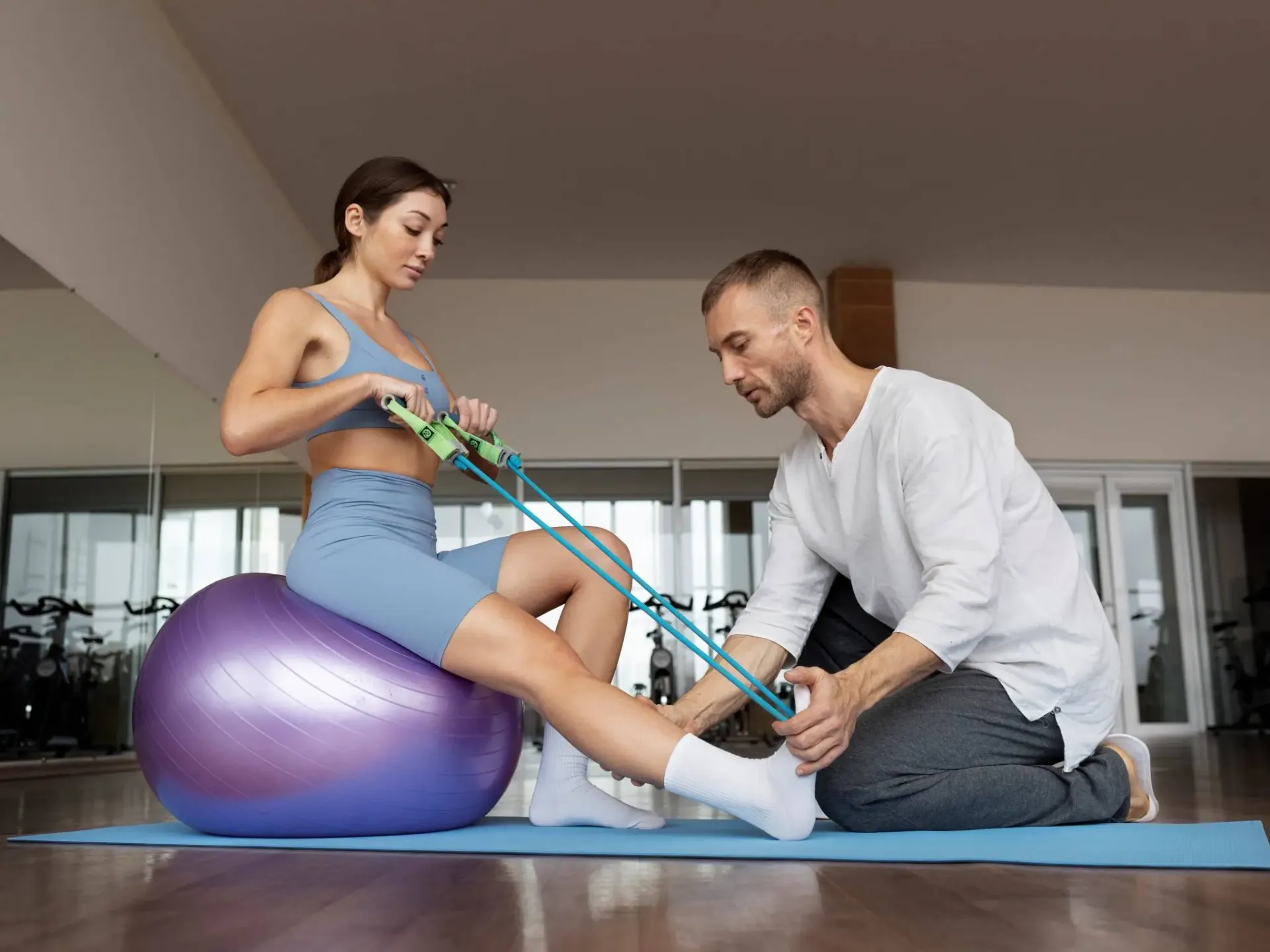
Hip Pain on the Side at Night: Gluteal Tendinopathy Explained (and Why Stretching Makes It Worse)
Cannot sleep on your side, pain climbing stairs, tenderness right on the hip bone: gluteal tendinopathy is massively underdiagnosed. Here is why stretching makes it worse and how our osteopath, physiotherapist and massage therapists treat it.
Hip Pain: How Osteopathy Treats the Pelvis, Hip and Lower Back as One System
A painful hip is rarely an isolated problem. The pelvis, sacroiliac joints, psoas, diaphragm and foot all participate in hip mechanics. Here is the complete osteopathic approach, explained step by step.
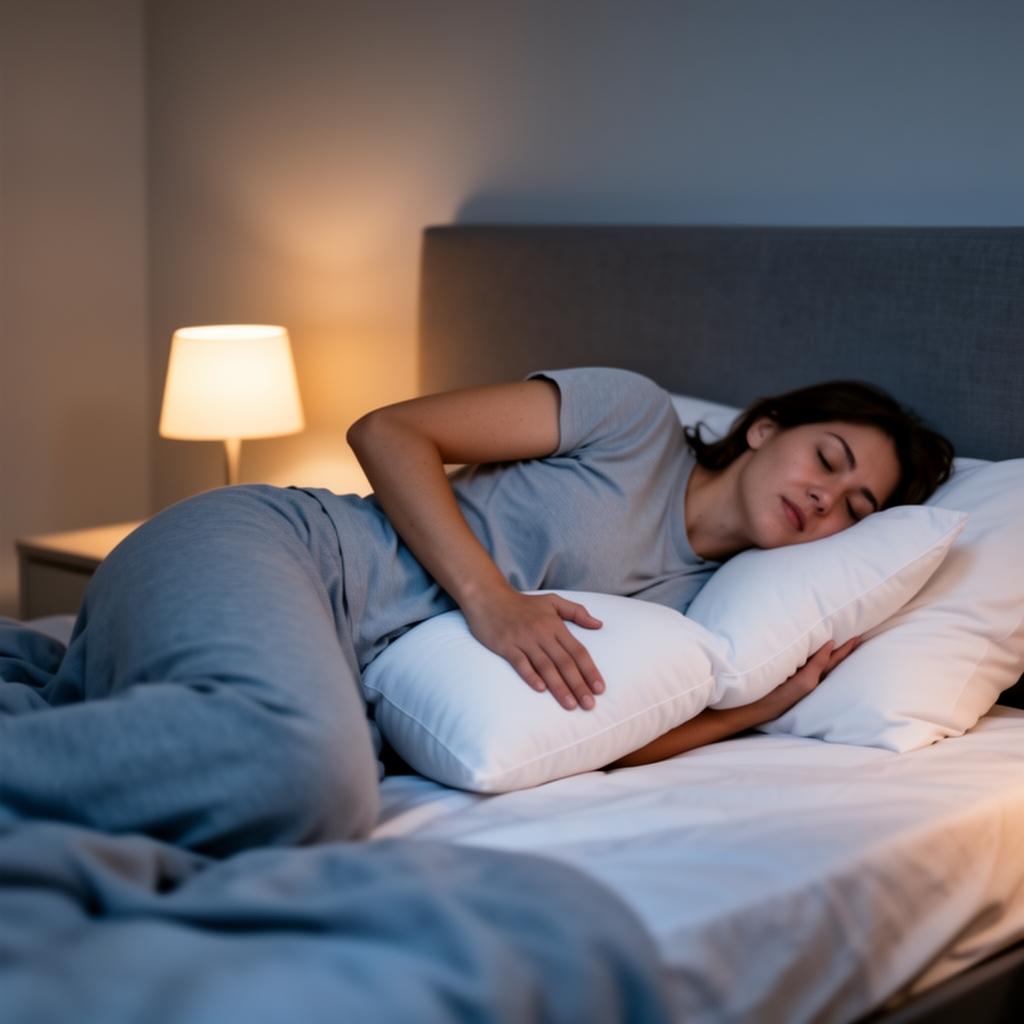
Sciatica and Leg Pain During Pregnancy: Causes, Safe Relief and When to Seek Help
Leg and buttock pain is common in pregnancy and is not always true sciatica. Learn why it happens, what is safe to try and how osteopaths and physiotherapists support expectant mothers.
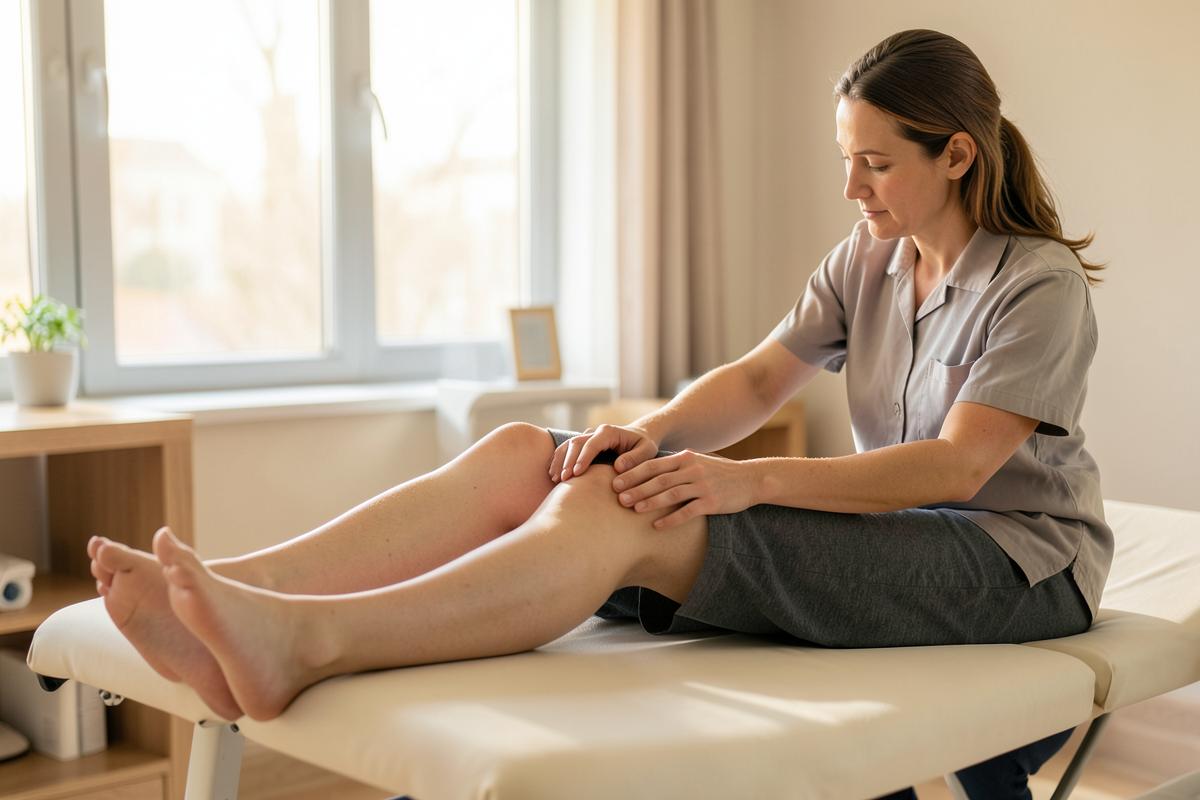
Hamstrings and Osteopathy: Strain, Proximal Tendinopathy and a Complete Rehabilitation Guide
Strain, proximal tendinopathy or referred pain? Our osteopath Shahram Ghasemi explains how to tell the four hamstring problems apart and the full rehabilitation progression we use in Côte Saint-Luc.
When Should You See an Osteopath? 10 Signs You Shouldn't Ignore
Persistent pain, morning stiffness, migraines? Discover 10 signs indicating you should see an osteopath in Montreal.
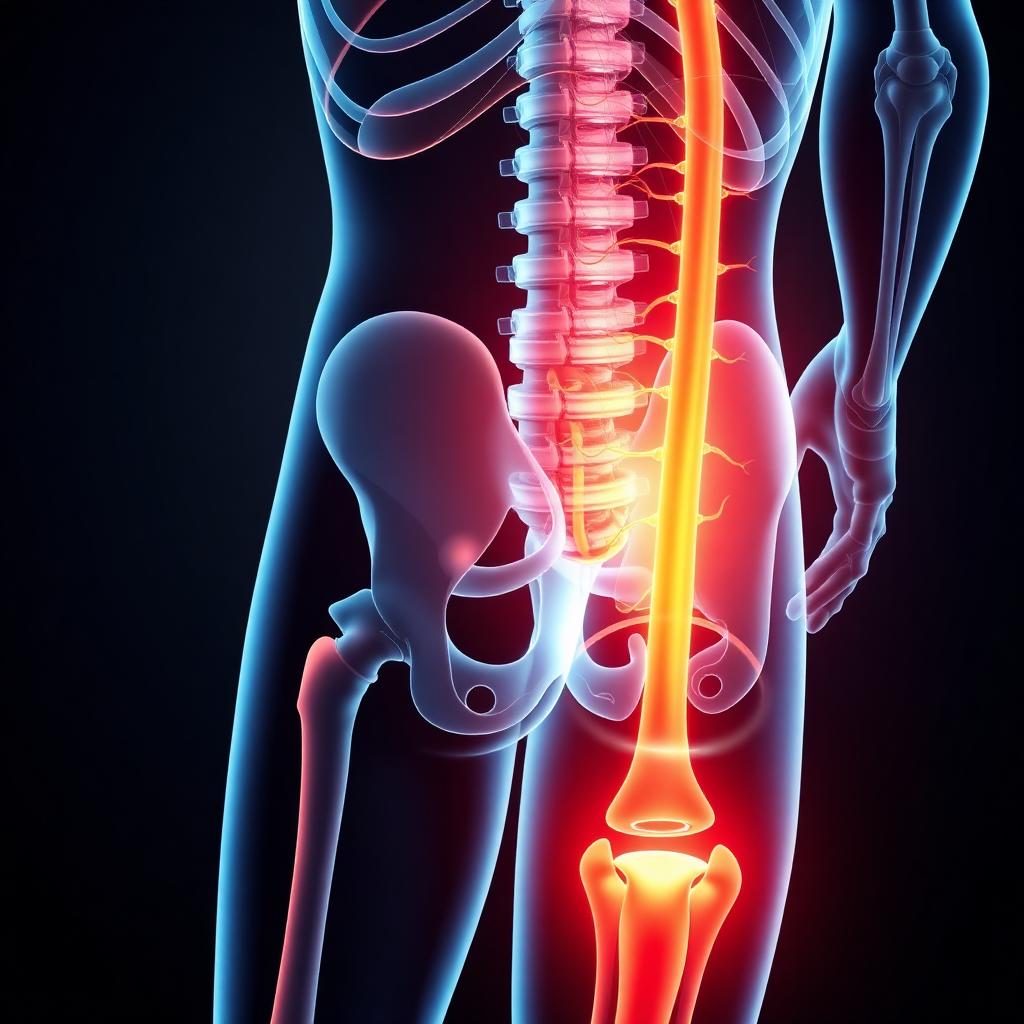
Sciatica Pain Explained: Causes, Symptoms and How Osteopathy Brings Lasting Relief
Sharp, burning pain shooting from your lower back down the leg? Discover the most common causes of sciatica and how our osteopaths in Côte Saint-Luc relieve it without medication or surgery.