
Hip Pain: How Osteopathy Treats the Pelvis, Hip and Lower Back as One System
A painful hip is rarely an isolated problem. The pelvis, sacroiliac joints, psoas, diaphragm and foot all participate in hip mechanics. Here is the complete osteopathic approach, explained step by step.
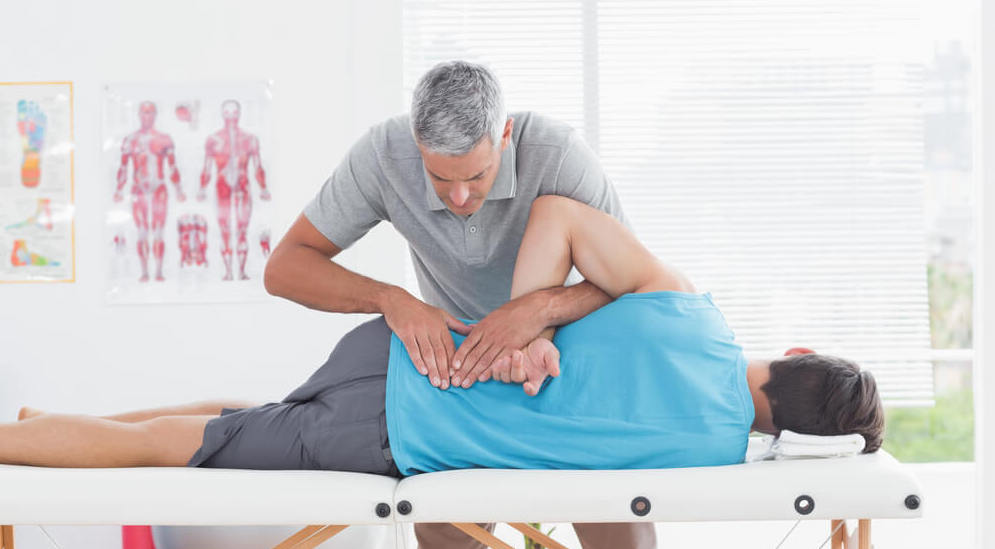
Hip pain has a habit of being misfiled. It gets called sciatica when it is gluteal tendinopathy, called arthritis when it is capsular stiffness, and called a back problem when the back is only compensating. The hip sits at the exact junction where the trunk transmits its weight into the legs, which means almost nothing above or below it can go wrong without the hip participating. That is precisely why an osteopathic approach — one that assesses the pelvis, lumbar spine, diaphragm and foot along with the hip itself — is so well suited to it.
This article explains how we assess and treat hip pain at Réhabital in Côte Saint-Luc. For a condition-focused overview, see our hip pain treatment page, and if your symptoms travel down the leg, our pages on sciatica and piriformis syndrome may describe your pattern more closely.
1. The hip is built for load, not for stillness
The hip is a deep ball-and-socket joint with a thick capsule, powerful ligaments and some of the largest muscles in the body crossing it. Unlike the shoulder, it sacrifices some range for genuine stability, and it is designed to accept several times body weight with every step. Cartilage in the hip is nourished by movement: compression and decompression cycles push fluid in and out. A hip that is not moved through range regularly becomes stiff, and stiffness is the first thing that changes how the rest of the chain behaves.
Three functional demands define a healthy hip. It must extend — the leg must travel behind the body during walking. It must rotate internally, which most sedentary adults have lost. And it must abduct with control, so that the pelvis stays level when you stand on one leg. Every hip assessment at the clinic tests these three, because a deficit in any of them predictably reappears as pain somewhere in the chain.
2. What is actually causing the pain
Location tells us a great deal. Deep groin pain, often with a clicking or catching sensation and worse with deep flexion, points toward the joint itself — labral irritation, femoroacetabular impingement, or osteoarthritis. Pain over the bony prominence on the outside of the hip, painful to lie on at night and to climb stairs, is usually gluteal tendinopathy or trochanteric bursitis. Buttock pain that worsens with sitting suggests the deep hip rotators, the sacroiliac joint or referred lumbar pain. Front-of-hip pinching when standing up is often psoas-related.
Age and history matter too. In adults over 50, osteoarthritis becomes progressively more likely; in active adults in their thirties and forties, tendinopathy and impingement dominate; in postpartum women, pelvic ligament laxity and altered load transfer are common. This is why we do not treat every hip the same way, and why the assessment is longer than the treatment on a first visit.
3. The pelvis: the hinge nobody thinks about
Between the hips and the spine sits the pelvic ring: two innominate bones, the sacrum, and the joints between them. Its job is to transfer force from one leg to the other through the trunk during walking. When one sacroiliac joint stops sharing load properly, the opposite side and the lumbar spine take up the difference, and the classic result is a person with hip pain on one side and low back pain on the other.
Osteopathic assessment of the pelvis looks at symmetry of landmarks, but far more importantly at behaviour under load: does the pelvis stay level in single leg stance, does one side move more than the other during forward bending, does the sacrum move symmetrically with breathing. Treatment then aims to restore that shared behaviour rather than to chase a static alignment.
4. Psoas, diaphragm and the breathing link
The psoas major deserves its own section because it explains so many stubborn cases. It attaches to every lumbar vertebra and disc, crosses in front of the hip joint, and inserts on the inner femur. It shares fascial connections with the diaphragm above and the pelvic floor below. That means a person with a chronically braced abdomen, shallow upper-chest breathing and hours of daily sitting has a psoas under continuous tension, pulling the lumbar spine into compression and blocking full hip extension.
Clinically, this shows up as an aching groin at the end of the day, low back stiffness on standing up, a stride that is short on one side, and a hip that never seems to stay released after stretching. Treating the psoas directly is helpful, but treating it without addressing the diaphragm and the breathing pattern that keeps it tense usually produces short-lived results. This is the same fascial logic explored in our article on fascia, back pain and stiffness.
5. What happens in an osteopathy session
The first appointment begins with a detailed history: onset, aggravating and easing factors, night pain, previous injuries including old ankle sprains and falls, obstetric history, occupation and sport. We then screen for red flags. Physical assessment includes gait observation, standing and seated pelvic tests, passive hip range in all planes, hip strength particularly in abduction, lumbar and thoracic mobility, diaphragm excursion, and an examination of the foot and ankle.
Treatment typically combines soft tissue and fascial release of the gluteal group, tensor fasciae latae, adductors and psoas; articulation and long-lever mobilisation to restore hip glide and rotation; sacroiliac and lumbar techniques; diaphragmatic release; and where relevant, gentle visceral work when abdominal restriction limits pelvic mobility. Sessions end with two or three specific exercises, because manual treatment opens a window and exercise is what keeps it open.
6. Osteoarthritis: what osteopathy can and cannot do
Let us be honest about scope. Osteopathy does not regrow cartilage and does not reverse structural arthritis. What it does change is the substantial portion of arthritic symptoms that is not caused by cartilage: capsular tightness, protective muscle spasm, loss of hip extension, compensatory lumbar loading and the deconditioning that follows months of avoiding movement.
Patients with mild to moderate hip osteoarthritis frequently regain a meaningful amount of comfortable range with manual treatment combined with a strength program, and the international guidelines for hip osteoarthritis place exercise and manual therapy as first-line care before injections or surgery. Even for those heading toward joint replacement, arriving at surgery with a mobile lumbar spine, a strong opposite leg and normal breathing mechanics measurably improves recovery.
7. Gluteal tendinopathy: the most misdiagnosed hip complaint
Pain on the outside of the hip, unbearable when lying on that side at night, painful on stairs and when standing with the weight shifted onto one leg, is almost always gluteal tendinopathy — a load problem in the gluteus medius and minimus tendons where they wrap over the greater trochanter. The classic mistake is aggressive stretching across the body, which compresses the very tendon that is irritated and makes it worse.
Effective care is the opposite: remove compression by avoiding crossed legs, hanging on one hip when standing, and side-lying without a pillow between the knees; then load the tendon progressively with isometric abduction and gradual strengthening. Manual treatment reduces the surrounding tension and restores hip and pelvic mechanics so the tendon is no longer being asked to stabilise a pelvis that keeps dropping.
8. When the hip is not the problem
Two patterns deserve special mention. First, the lumbar spine can refer pain convincingly into the buttock, groin and thigh; a hip that has full painless passive rotation but a positive lumbar test is a spine case wearing a hip disguise. Our back pain treatment page covers that presentation. Second, the foot and ankle set the terms for the hip: limited ankle dorsiflexion forces early heel lift and hip compensation with every stride, and an old unrehabilitated sprain can quietly drive years of one-sided hip loading.
This is also where knee complaints and hip complaints often turn out to be the same story. If your knee is involved, our guide on knee pain, osteopathy and physiotherapy follows the chain in the other direction, and our knee pain page details the condition.
9. Self-care that actually changes hip mechanics
Four things move the needle. Break up sitting: stand and take ten steps every hour, which restores hip extension before the tissues adapt to flexion. Train hip abduction: side-lying leg raises, banded walks or a simple single-leg stance progression, three times weekly. Restore hip extension actively rather than passively — a controlled lunge with a posterior pelvic tilt beats a static stretch. And breathe into the lower ribs for two minutes daily, which reduces resting psoas and diaphragm tone more effectively than most stretches.
Walking remains the best general medicine for a hip, provided volume increases gradually. Where pain allows, walking on varied terrain challenges the joint through more of its available range than treadmill walking does.
10. Booking osteopathy at Réhabital
Réhabital is at D4-5800 Cavendish Boulevard, Côte Saint-Luc, inside Cavendish Mall, with free indoor parking, a bilingual team and evening appointments. We accept private insurance plans and SAAQ files; we do not accept CNESST files.
Book online 24/7 on Jane App or call 438-842-3550. Explore our osteopathy service page, and read on with visceral osteopathy and neck pain or our sciatica guides. Related conditions include herniated disc, bursitis and arthritis.
This article is educational and does not replace an individual assessment. Hip pain with fever, trauma, inability to weight-bear or unexplained weight loss requires medical evaluation.
Frequently asked questions
Go deeper with our dedicated osteopathy pages
Osteopathy pages with Shahram Ghasemi, MD (Iran), DOMP in Côte Saint-Luc:
Related articles
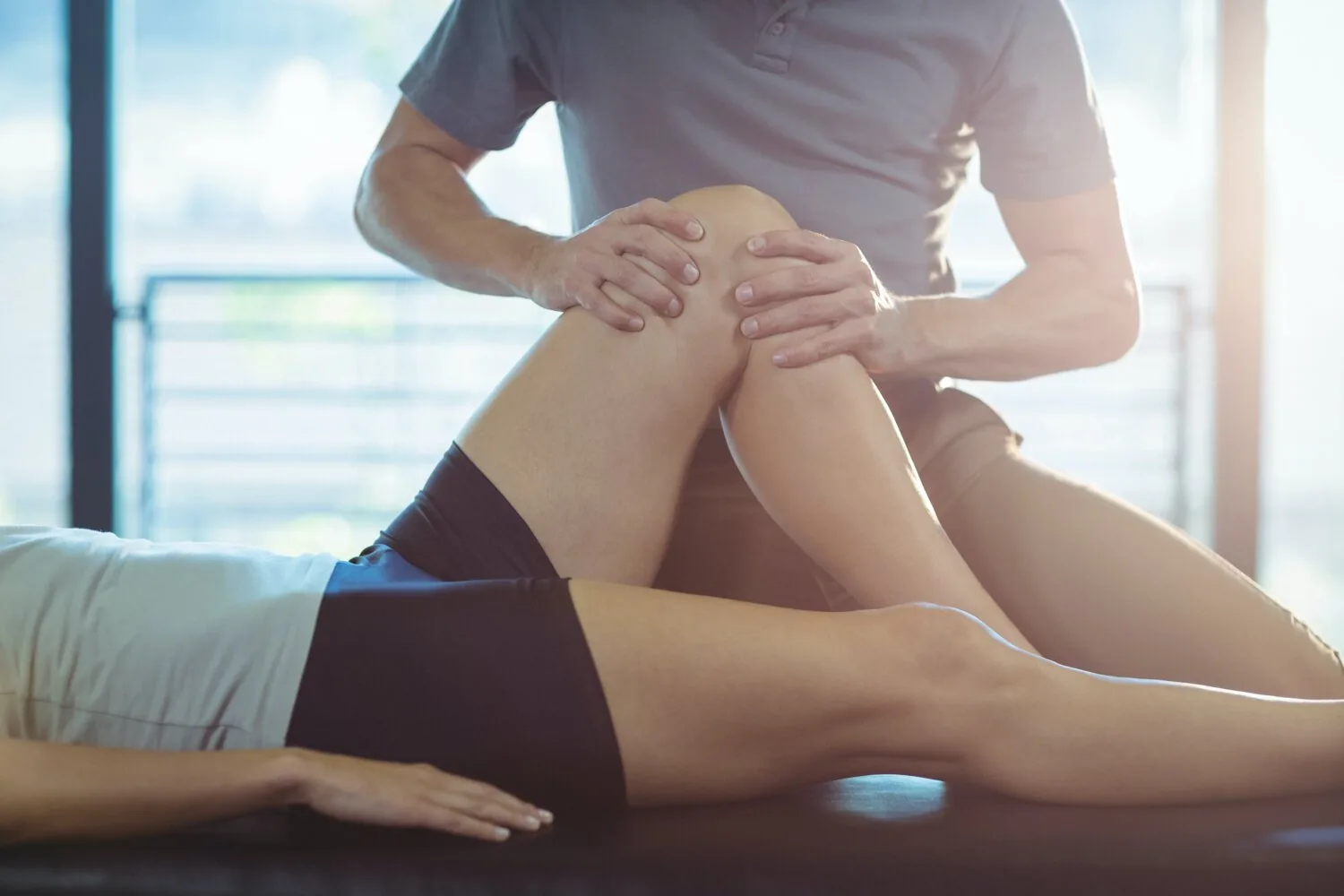
Osteopathy and Neck Pain: How Visceral Osteopathy Treats the Neck Pain That Keeps Coming Back
Neck pain does not always come from the neck. The diaphragm, stomach, liver, pericardium and chest fascia can pull on the cervical spine through precise anatomical chains. Here is how visceral osteopathy fits into chronic neck pain care in Côte Saint-Luc.
Is Osteopathy Good for Back Pain? A Complete Guide
Discover how osteopathy treats lower back, upper back and neck pain. Scientific studies, techniques used and expected results in Côte Saint-Luc.
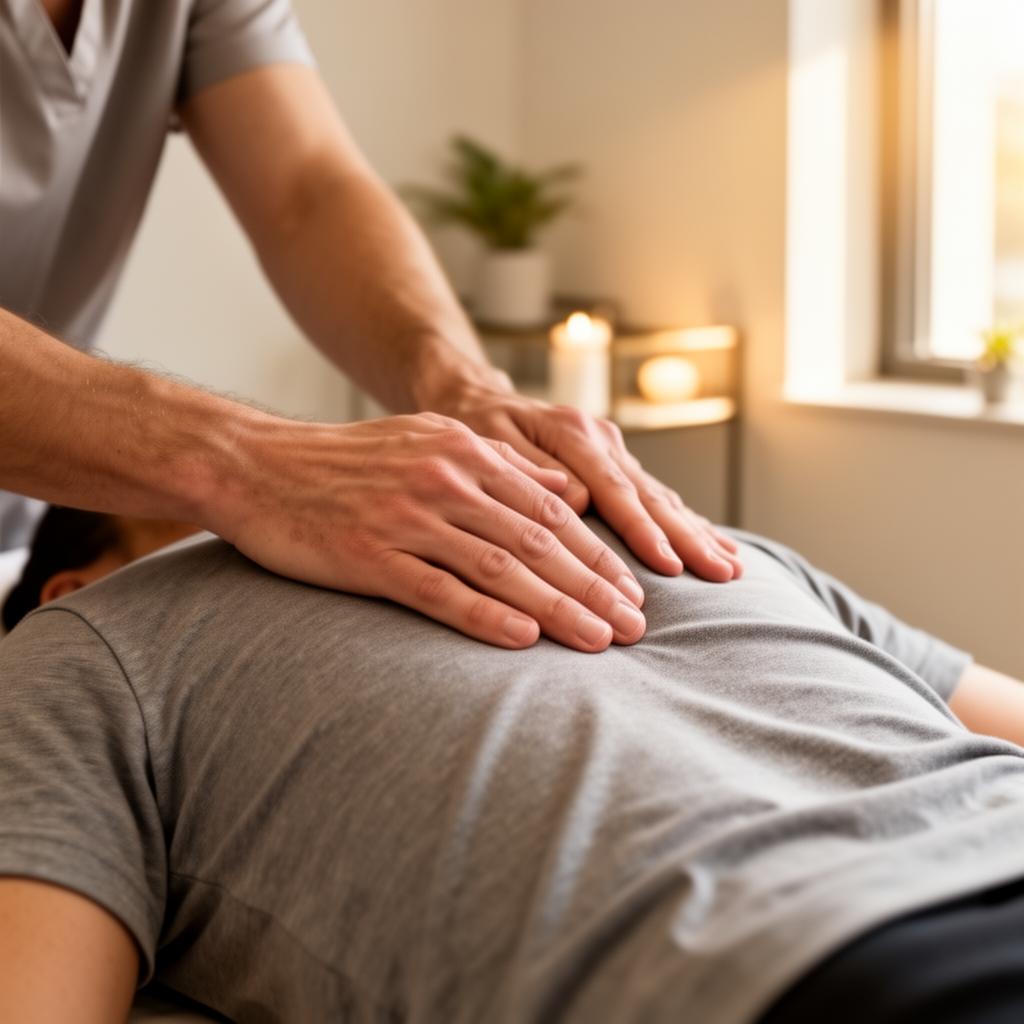
Can Osteopathy Relieve Sciatica?
What an osteopath is actually looking for when you arrive with pain running down your leg: pelvis, sacroiliac joint, diaphragm, fascia. Mechanisms, session structure and realistic outcomes in Côte Saint-Luc.
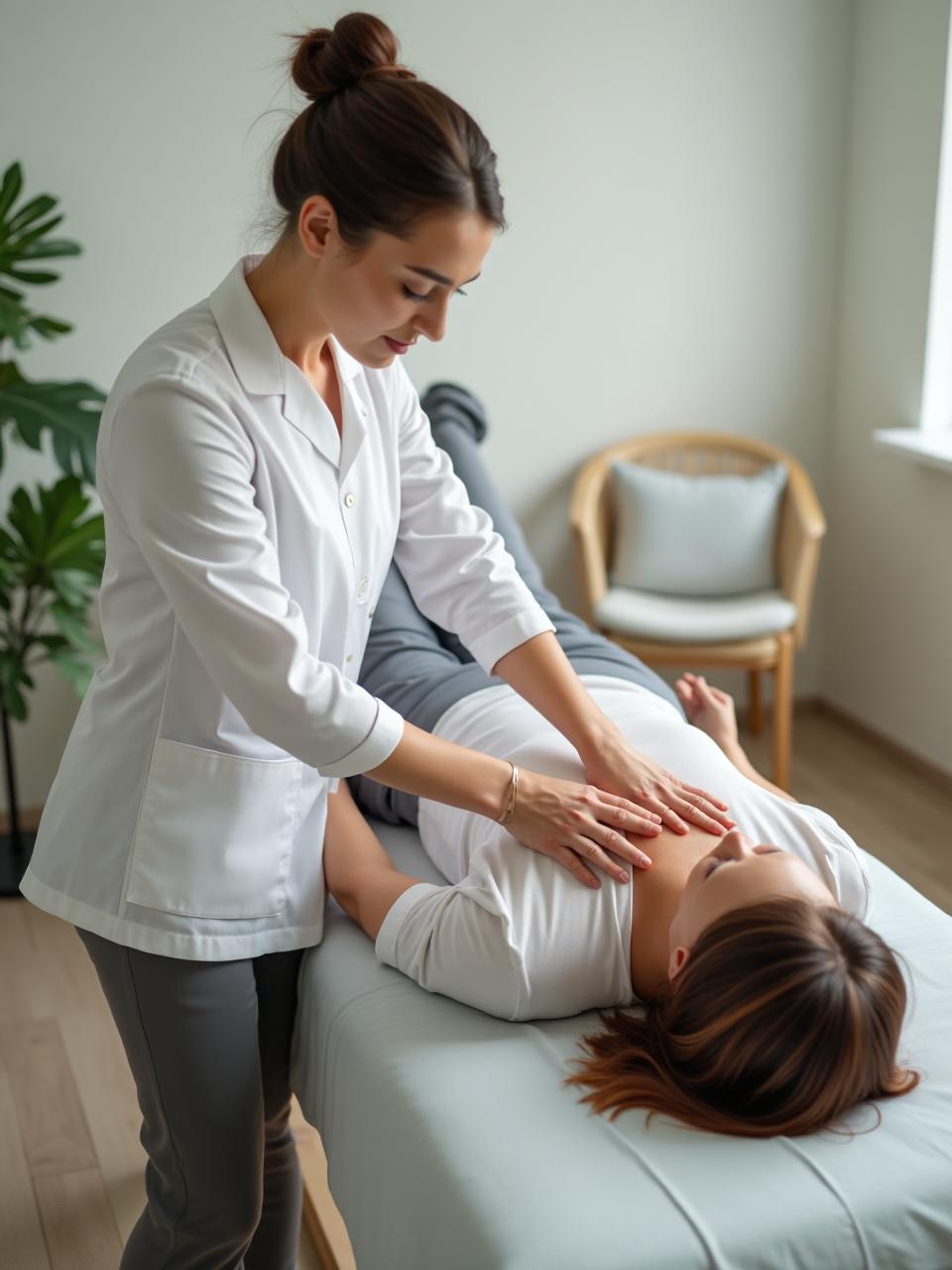
Best Treatment for Back Pain: How Osteopathy Provides Lasting Relief
Discover why osteopathy is considered one of the best treatments for back pain. Evidence-based manual therapy for chronic and acute back pain in Montreal.
Osteopathy During Pregnancy: The Complete Guide to Natural Prenatal Pain Relief
How osteopathy relieves lower back pain, sciatica and pregnancy discomforts. Complete guide with tips from our specialized osteopaths.
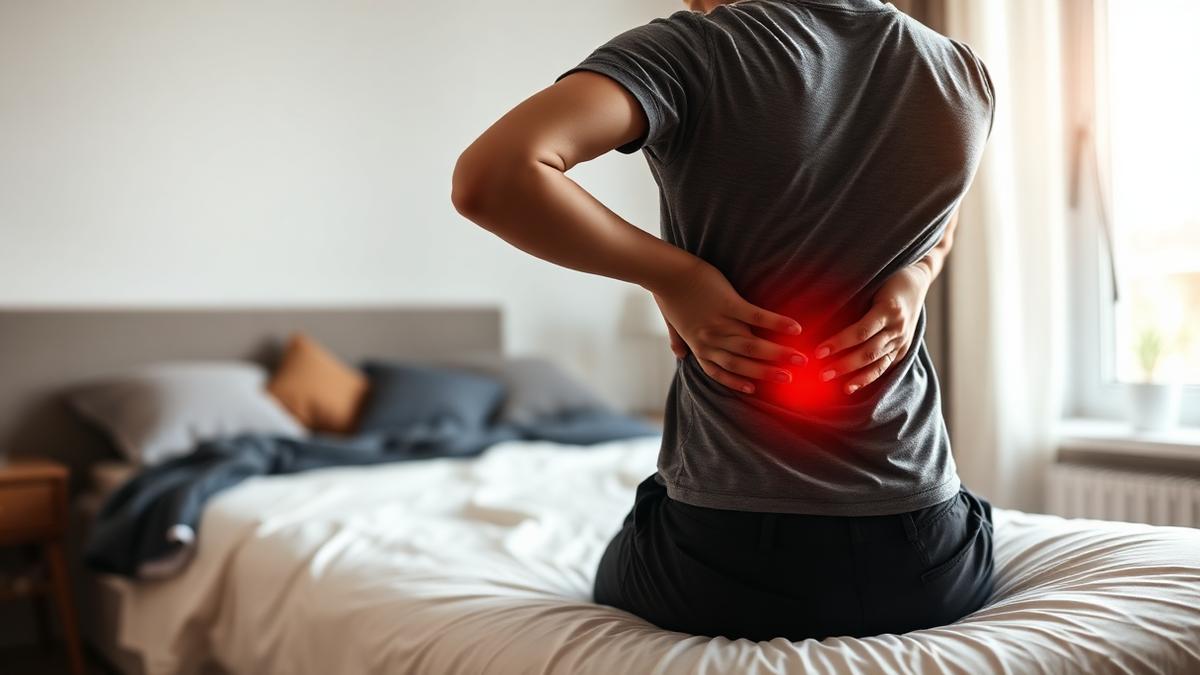
Why You Wake Up With Back Pain Every Morning (And How to Fix It Without Medication)
Discover the hidden causes of your morning back pain and how osteopathy can provide lasting relief without relying on painkillers.