
Sciatica and Leg Pain During Pregnancy: Causes, Safe Relief and When to Seek Help
Leg and buttock pain is common in pregnancy and is not always true sciatica. Learn why it happens, what is safe to try and how osteopaths and physiotherapists support expectant mothers.

Why Pregnancy Brings Buttock and Leg Pain
Pregnancy changes the body in several ways that can irritate the lower back, pelvis and nerves:
- Hormonal ligament laxity — Hormones such as relaxin soften pelvic ligaments, so the sacroiliac joints and pubic joint move more than usual.
- A shifting centre of gravity — The growing uterus changes posture and increases the curve of the lower back.
- Added load — Extra weight and fluid increase demand on the hips and spine.
- Pressure on nerves and muscles — Deep buttock muscles can tighten and the baby's position can contribute to nerve irritation.
Is It Sciatica or Pelvic Girdle Pain?
Many women describe their symptoms as sciatica, but much of the pain in pregnancy comes from the pelvic joints and surrounding muscles rather than a compressed nerve root. Pelvic girdle pain tends to be felt over the sacroiliac joints or at the pubic bone, and is worse with turning in bed, stairs or standing on one leg. True sciatica more often shoots below the knee with tingling or numbness. A hands-on assessment helps tell them apart. See our guide on conditions that mimic sciatica.
Safe Self-Care Ideas
- Sleep on your side with a pillow between your knees and another under the belly.
- Take short, frequent walks and avoid long periods of sitting or standing.
- Use warm, not hot, compresses on the lower back and buttock.
- Keep knees together when getting in and out of the car or bed.
- Avoid single-leg loading and wide-legged positions when painful.
- Use a supportive maternity belt if it helps you.
Check with your doctor or midwife before starting any new exercise or using any product during pregnancy.
How Osteopathy Can Help
Gentle, pregnancy-adapted osteopathic techniques can ease tension in the lower back, pelvis, hips and deep buttock muscles. Treatment is adjusted to each trimester and to your comfort, using positions and pillows that suit a growing belly. See also pregnancy back pain treatment.
How Physiotherapy Can Help
Our physiotherapists can prescribe safe, targeted exercises for the pelvic floor, hips and trunk, teach positioning and movement strategies, and advise on support belts and daily activities.
When to Contact Your Doctor or Midwife Promptly
- Severe or sudden back pain, especially with bleeding, fluid leakage or regular contractions.
- Fever, burning with urination, or pain in the flank.
- Numbness in the groin or inner thighs, or bladder or bowel changes. This needs urgent care.
- Marked swelling or pain in one calf.
When pain is mechanical and not alarming, conservative care is generally appropriate. Read more in our sciatica red-flag guide.
Book a Sciatica Assessment at Réhabital
Our physiotherapists and osteopaths in Côte Saint-Luc work side by side to find what is actually irritating your sciatic nerve and build a plan around it. Book online or read more about sciatica treatment at Réhabital.
Frequently asked questions
Go deeper with our dedicated osteopathy pages
Osteopathy pages with Shahram Ghasemi, MD (Iran), DOMP in Côte Saint-Luc:
Related articles
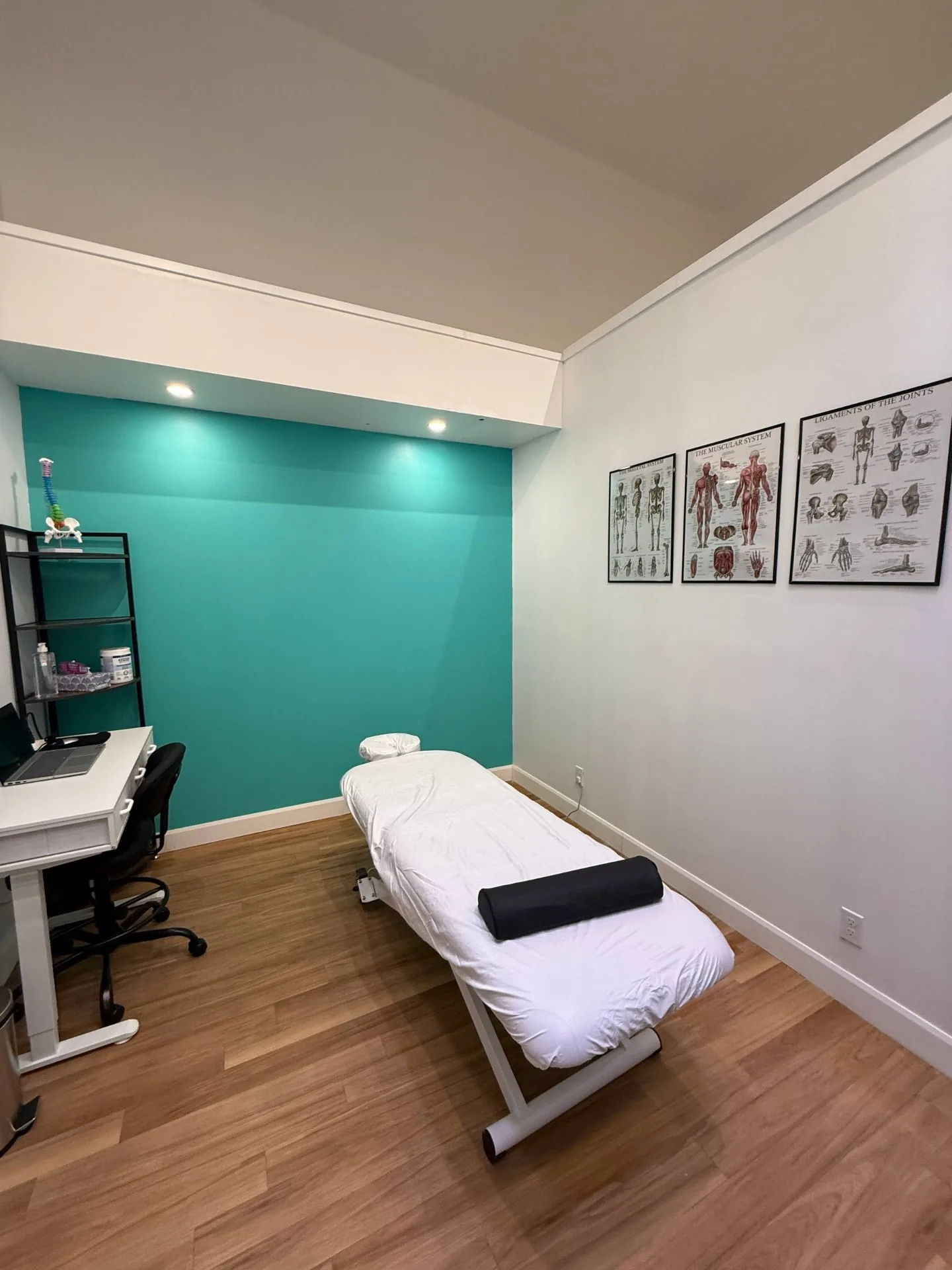
Osteopathy During Pregnancy: The Complete Guide to Natural Prenatal Pain Relief
How osteopathy relieves lower back pain, sciatica and pregnancy discomforts. Complete guide with tips from our specialized osteopaths.
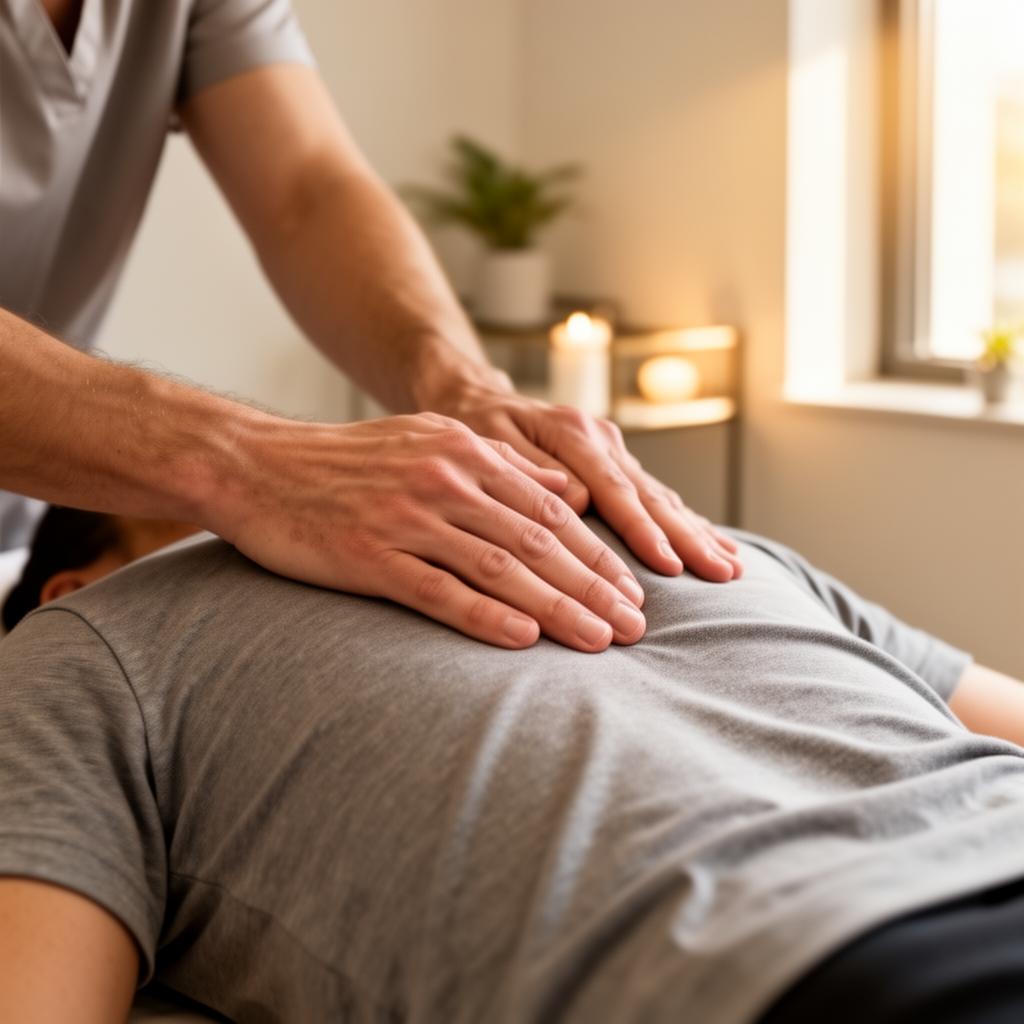
Common Causes of Sciatica: A Practical Guide to Lasting Relief Through Osteopathy
Why does sciatic pain keep coming back? Explore the everyday habits, postural patterns and structural imbalances behind sciatica — and how osteopathy at Réhabital corrects them at the source.
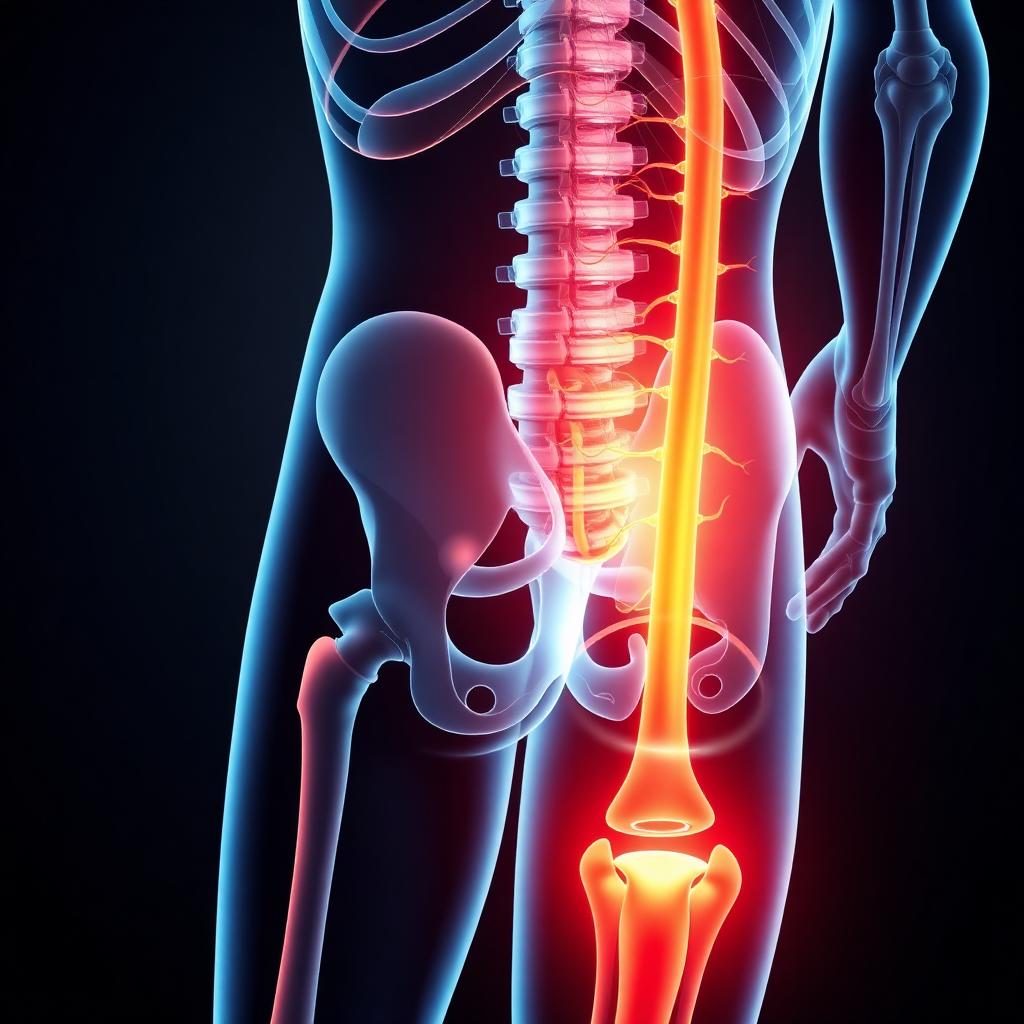
Sciatica Pain Explained: Causes, Symptoms and How Osteopathy Brings Lasting Relief
Sharp, burning pain shooting from your lower back down the leg? Discover the most common causes of sciatica and how our osteopaths in Côte Saint-Luc relieve it without medication or surgery.
When Should You See an Osteopath? 10 Signs You Shouldn't Ignore
Persistent pain, morning stiffness, migraines? Discover 10 signs indicating you should see an osteopath in Montreal.
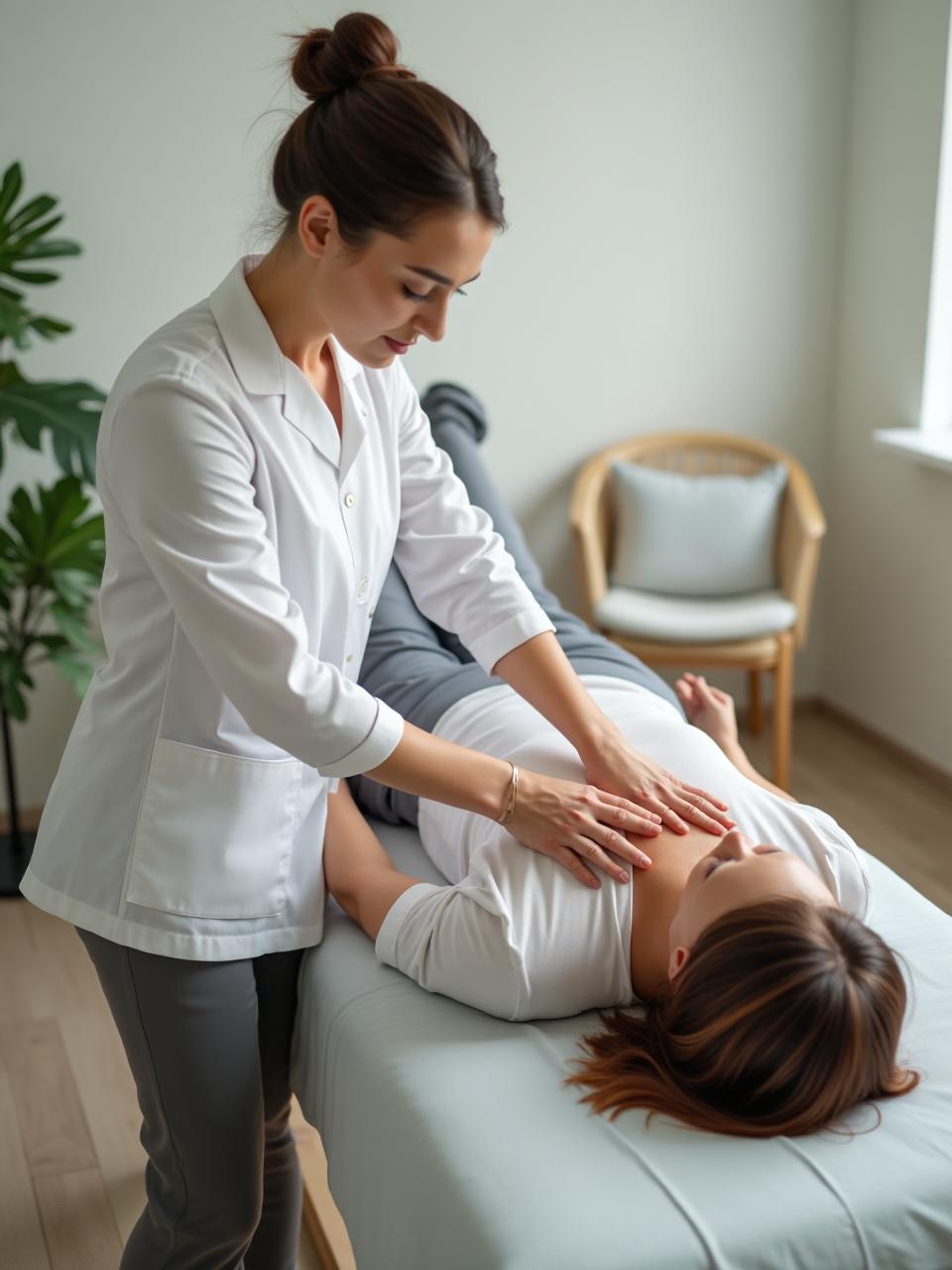
Best Treatment for Back Pain: How Osteopathy Provides Lasting Relief
Discover why osteopathy is considered one of the best treatments for back pain. Evidence-based manual therapy for chronic and acute back pain in Montreal.
Is It Really Sciatica? Sacroiliac Joint Pain and Other Causes of Leg Pain That Mimic It
Many people with buttock or leg pain are told they have sciatica when something else is behind it. We explain the look-alikes, how they differ and why the right diagnosis changes the treatment.