
When Should You See an Osteopath? 10 Signs You Shouldn't Ignore
Persistent pain, morning stiffness, migraines? Discover 10 signs indicating you should see an osteopath in Montreal.
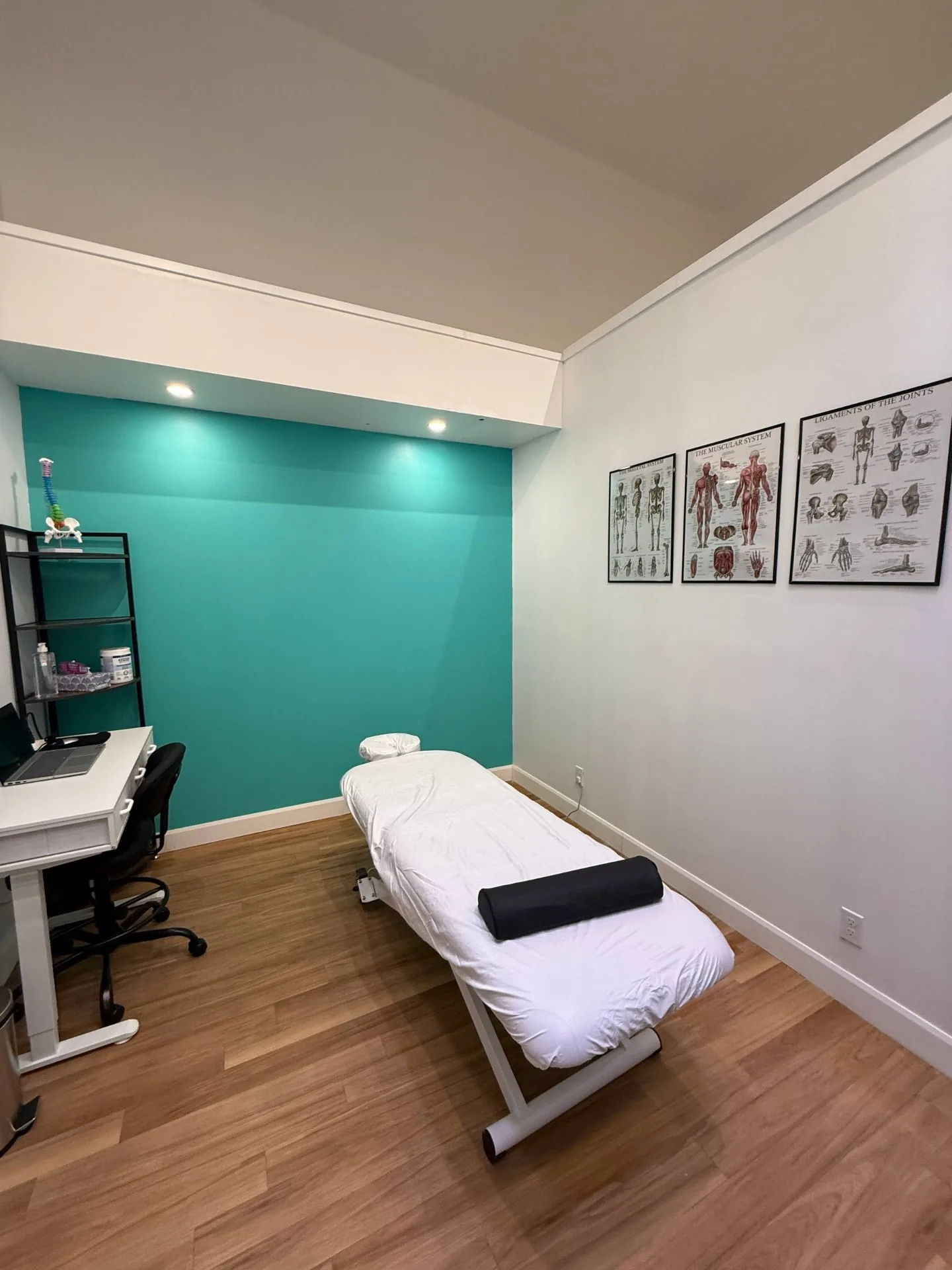
10 Signs You Should See an Osteopath
Many people wait until pain becomes unbearable before seeking help. At Réhabital clinic in Côte Saint-Luc, our osteopaths treat hundreds of patients every month — and the majority could have found relief sooner by consulting earlier. Here are 10 signs that should prompt you to book an appointment.
1. You've Had Back Pain for More Than 3 Days
Back pain persisting beyond 72 hours is not “normal.” Even if manageable, it indicates that a structure — muscle, joint, or fascia — isn't functioning properly. The osteopath identifies the exact cause and treats it before it becomes chronic.
2. Your Morning Stiffness Lasts More Than 30 Minutes
Feeling stiff in the morning is common, but if it persists beyond 30 minutes, it signals joint restriction or fascial tension. Osteopathy restores mobility and eliminates these blockages.
3. You Get Frequent Headaches
Up to 70% of headaches have a cervical origin. Tension in the neck and shoulders compresses nerves and blood vessels, causing headaches. The osteopath treats these tensions to reduce headache frequency and intensity without medication.
4. You Sit for More Than 6 Hours a Day
Sedentary work is one of the leading causes of musculoskeletal pain in Montreal. Prolonged sitting compresses intervertebral discs, shortens hip flexors and weakens stabilizing muscles. Regular osteopathy consultations prevent these issues.
5. You Have Pain Radiating Into Your Arm or Leg
Radiating pain — to the arm, leg, or foot — suggests nerve compression. Sciatica, carpal tunnel syndrome, or cervicobrachial neuralgia require prompt evaluation. The osteopath can decompress the nerve and relieve radiating pain.
6. You've Experienced Trauma or an Accident
Even minor accidents can create compensations in the body that only manifest weeks or months later. Whiplash from a car accident is a classic example. In Côte Saint-Luc, we regularly see patients who develop chronic pain from untreated trauma.
7. You're Pregnant or Post-Partum
Pregnancy profoundly changes posture and body biomechanics. Lower back pain, pregnancy sciatica and pelvic tensions are extremely common. Prenatal osteopathy is safe and effective for relieving these discomforts. Post-partum, it helps restore body alignment.
8. You Exercise Regularly
Athletes — even recreational ones — place repetitive stress on their bodies. Micro-traumas accumulate and create imbalances. Preventive osteopathy consultations improve performance and reduce injury risk. Combined with sports massage therapy, they optimize recovery.
9. Your Baby Has Colic or Sleep Problems
Pediatric osteopathy is recognized for treating colic, reflux, plagiocephaly and sleep disturbances in infants. The techniques are extremely gentle and adapted to little ones.
10. You Want to Prevent Rather Than Cure
Osteopathy isn't just for pain. Regular consultations (every 3 to 6 months) detect and correct imbalances before they cause symptoms. This is the preventive approach we recommend to all our patients from Hampstead, Westmount, NDG and Mont-Royal.
Why Choose Réhabital for Your Osteopathy Consultation?
Our multidisciplinary clinic at Cavendish Mall, Côte Saint-Luc offers a unique advantage: if your condition requires a complementary approach, we can refer you directly to our physiotherapists, acupuncturists, or naturopaths — all under one roof. No need to search for another specialist elsewhere in Montreal.
Book your osteopathy consultation now and let our team take care of you.
Frequently asked questions
Go deeper with our dedicated osteopathy pages
Osteopathy pages with Shahram Ghasemi, MD (Iran), DOMP in Côte Saint-Luc:
Related articles
Osteopathy During Pregnancy: The Complete Guide to Natural Prenatal Pain Relief
How osteopathy relieves lower back pain, sciatica and pregnancy discomforts. Complete guide with tips from our specialized osteopaths.
Osteopathy vs Physiotherapy: Which Approach Should You Choose in Côte Saint-Luc?
Complete comparison between osteopathy and physiotherapy: differences, indications, training, insurance reimbursement and how to choose based on your condition in Côte Saint-Luc, Hampstead, NDG and across Montreal.
Chiropractor vs Osteopath in Montreal – What Should You Choose?
Understand the key differences between chiropractic and osteopathy and discover which approach best suits your needs in Côte Saint-Luc, Montreal.

Acupuncture or Osteopathy: What's the Difference, and When Should You Choose Each?
Needles or hands? Understand what each approach really treats, for which pains, and when to choose it.

Sciatica and Leg Pain During Pregnancy: Causes, Safe Relief and When to Seek Help
Leg and buttock pain is common in pregnancy and is not always true sciatica. Learn why it happens, what is safe to try and how osteopaths and physiotherapists support expectant mothers.
What Does an Osteopath Do? (And When Should You See One?)
Discover what an osteopath does, how it differs from physiotherapy and when to book a visit in Côte Saint-Luc, Montreal.