
What Happens During a First Osteopathy Consultation?
Discover what to expect during your first osteopathy consultation at Réhabital: assessment, techniques, and follow-up.
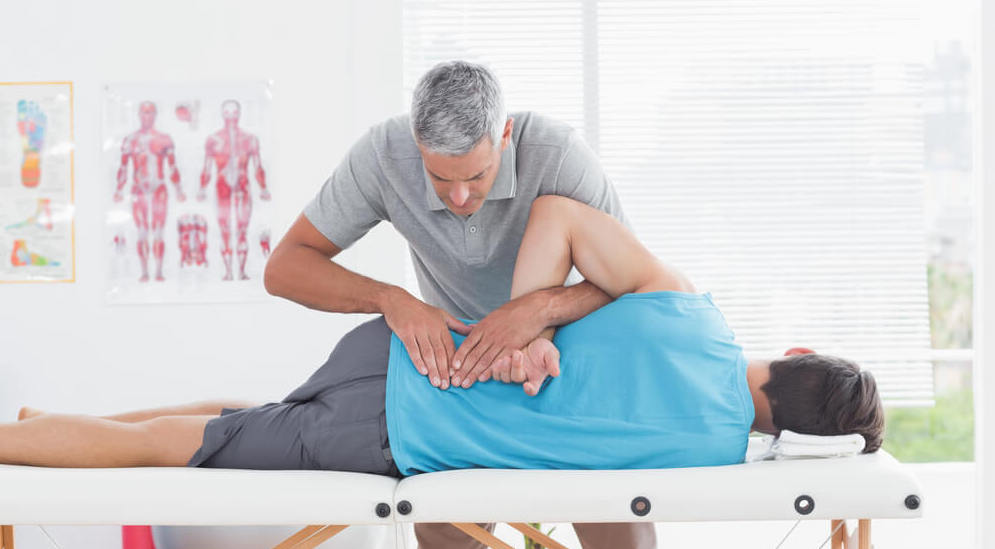
If you're considering seeing an osteopath for the first time, it's completely normal to wonder what to expect. Unlike a traditional medical appointment, an osteopathic consultation takes a whole-body approach, considering the connections between different physiological systems. At Réhabital, in Côte Saint-Luc, under the direction of founder Shahram Ghasemi, MD (Iran), DOMP, we want every patient to feel confident from their very first appointment.
What Exactly Is Osteopathy?
Osteopathy is a manual medicine approach that aims to identify and treat mobility restrictions in the body — whether joint-related, muscular, visceral, or fascial — in order to restore overall functional balance. Rather than focusing solely on the symptom, an osteopath seeks to understand the underlying cause of your pain or discomfort.
Before Your Appointment: How to Prepare
For your first visit, we recommend:
- Wearing comfortable, loose clothing, similar to what you'd wear to a physiotherapy session;
- Bringing any relevant medical imaging (X-rays, MRIs) if you have any;
- Preparing a list of your medical history, surgeries, and current medications;
- Arriving 10 to 15 minutes early to complete intake forms.
Step 1: The In-Depth History
Your first consultation begins with a detailed discussion of your overall health. The osteopath will ask you about:
- The nature, location and progression of your symptoms;
- Your medical, surgical and traumatic history;
- Your lifestyle, stress levels and physical activity;
- Your sleep habits and diet, which can influence your overall condition.
This step is crucial, as osteopathy views the body as an interconnected whole — lower back pain, for example, may be linked to an old ankle injury or chronic digestive stress.
Step 2: The Physical Assessment
Next, the osteopath performs a postural and palpatory assessment. This may include:
- Observing your posture while standing, sitting, and moving;
- Testing joint mobility in the spine, pelvis, and limbs;
- Palpating soft tissue to detect muscular or fascial tension;
- In some cases, assessing visceral or cranial movement, depending on the practitioner's training.
This assessment allows the osteopath to identify restriction zones that may be contributing to your discomfort, even if they aren't located exactly where you feel the pain.
Step 3: Manual Treatment
Once the assessment is complete, treatment generally begins during the first session itself. Techniques used may include:
- Gentle joint mobilizations to restore range of motion;
- Myofascial techniques to release tension in soft tissue;
- Visceral techniques to improve internal organ mobility, when relevant;
- Cranial techniques, more subtle in nature, to address certain tension patterns or headaches.
Most osteopathic techniques are gentle and well tolerated. Some patients feel mild tenderness after the session, similar to what's felt after a deep tissue massage, but this typically resolves within 24 to 48 hours.
Step 4: Discussing Recommendations
At the end of your session, the osteopath will explain their observations and propose a treatment plan, including the approximate number of recommended sessions and practical at-home advice — stretches, postural adjustments, or recommendations regarding hydration and rest.
What Do Results Look Like?
Many patients feel relief after the very first session, particularly for muscle tension or minor joint restrictions. However, for chronic or more complex conditions, results often build progressively over several sessions, as the body regains its functional balance.
Osteopathy or a Different Approach?
Wondering whether osteopathy is the right choice for your condition? Check out our comparison guides: osteopathy vs physiotherapy, osteopathy vs massage therapy, and acupuncture vs osteopathy (note that acupuncture will soon be offered at Réhabital). These resources will help you better understand the differences between available treatment approaches.
Insurance and Reimbursement
Osteopathy is not covered by RAMQ, but it is generally reimbursed through private extended health insurance plans, provided your practitioner is a member of a recognized professional association — which is the case for all of our osteopaths at Réhabital. To learn more about insurance coverage, check out our dedicated article on this topic in our blog.
Our Extended Hours, Including Sunday
Réhabital is open Monday through Friday from 10:00 to 20:00, as well as Sunday from 10:00 to 16:00, allowing you to receive osteopathic care even on weekends without disrupting your busy schedule. Please note the clinic is closed on Saturdays.
How Long Before You Feel Results?
Realistic expectations are essential in osteopathy. For mild muscle tension or recent restrictions, many patients feel noticeable relief after the first or second session. For more chronic or complex conditions — for example, lower back pain present for years, or recurring headaches linked to years of poor posture — the body needs more time to restore its balance. A typical treatment plan generally includes 3 to 6 sessions spaced 2 to 4 weeks apart, followed by maintenance follow-up as needed. It's normal for progress not to be linear; some weeks bring marked improvement, while others simply require patience.
Signs the Treatment Is Working
- Increased range of motion in the days following your session;
- A reduction in the frequency or intensity of your usual symptoms;
- Better quality sleep and an overall sense of relaxation;
- A decrease in compensatory muscle tension elsewhere in the body.
Our Clinic's Local Context in Côte Saint-Luc
Réhabital proudly serves Côte Saint-Luc as well as neighbouring communities such as Hampstead, Westmount, Snowdon, NDG, and Montréal-Ouest. Many of our osteopathy patients come from these areas, often recommended by friends or family who have benefited from our care. Our multidisciplinary clinic also allows you to be referred internally to physiotherapy, massage therapy, or naturopathy if your osteopath believes a combined approach would benefit your condition.
When to See a Doctor Before Seeing an Osteopath
While osteopathy is safe for the vast majority of patients, certain symptoms warrant prior medical consultation: chest pain, unexplained fever, significant unexplained weight loss, progressive numbness, or a recent history of an unhealed fracture. Our osteopaths always screen for these warning signs (called "red flags") during the initial history-taking and will refer you to a physician if necessary before proceeding with treatment.
Costs and Insurance for Osteopathy
As mentioned, osteopathy is not covered by RAMQ. Rates vary depending on session length; our team can provide you with the full price list before booking. Most private group insurance plans reimburse osteopathy up to an annual cap, and we also accept SAAQ claims for car-accident-related injuries. Please note we do not accept CNESST claims.
Osteopathy for Côte Saint-Luc Families
Many families in Côte Saint-Luc and Hampstead see our osteopathy team as a family — from parents dealing with office-related tension to active teenagers involved in sports. Since our techniques are adapted to each person's age and physical condition, it's entirely possible to book consecutive appointments for multiple family members, a service many of our patients particularly appreciate during their Sunday visits.
Maintaining Benefits Between Sessions
Between appointments, your osteopath may suggest gentle stretches, ergonomic adjustments to your workstation, or breathing exercises to extend the benefits of treatment. These personalized recommendations are an integral part of your care plan and help space out your follow-up visits further as your condition improves.
Common Practical Questions Before Your Visit
Can you eat before your appointment? Yes, but we recommend avoiding a heavy meal right before your session, since certain abdominal techniques can be less comfortable on a full stomach. Can you drive after your session? In the vast majority of cases, yes — our techniques don't cause drowsiness, though some patients feel mild fatigue that's best respected by taking a few minutes to rest before getting back on the road.
Differences Between a First Visit and Follow-Ups
Your first consultation is generally longer (60 to 75 minutes) than a follow-up appointment (30 to 45 minutes), since it includes the full history-taking in addition to treatment. Subsequent sessions focus more on manual treatment and adjusting the plan based on your progress, which makes them generally shorter and more targeted.
Osteopathy for Specific Life Stages
Osteopathy can be adapted for many different life stages and circumstances. Office workers often seek treatment for neck and shoulder tension caused by long hours at a desk, while athletes may consult for recovery support alongside their training schedule. Older adults frequently benefit from gentle mobility-focused techniques that respect joint sensitivity, and some patients seek osteopathic care during pregnancy to help manage postural changes and discomfort, always with techniques adapted to their stage of pregnancy. Whatever your situation, mention it at booking so your practitioner can prepare an appropriate approach.
What Makes Our Approach at Réhabital Different
Under the direction of founder Shahram Ghasemi, MD (Iran), DOMP, our osteopathy team blends manual therapy expertise with a broader medical perspective on how the body's systems interact. This means that if your symptoms suggest something beyond the scope of osteopathic care, you'll be guided toward the appropriate next step rather than receiving treatment that isn't likely to help. Our multidisciplinary setting also means physiotherapy, massage therapy, and naturopathy colleagues are just down the hall if a combined approach would serve you better.
Recommended Frequency of Maintenance Visits
Once your initial condition has stabilized, many patients opt for monthly or quarterly maintenance visits to prevent tension from recurring and to maintain optimal bodily balance, which is particularly useful for people with sedentary or physically demanding jobs.
Book Your First Consultation Today
Don't let pain or discomfort dictate your daily life. Réhabital's osteopathy team is ready to welcome you for a complete, personalized assessment. Discover our team of qualified practitioners, or explore our current promotions. Book your appointment online today through our Jane App links — and remember our 24-hour cancellation policy, detailed on our policies page.
This article is provided for informational purposes only and does not constitute a medical diagnosis. Always consult a qualified healthcare professional to assess your specific condition.
Frequently asked questions
Go deeper with our dedicated osteopathy pages
Osteopathy pages with Shahram Ghasemi, MD (Iran), DOMP in Côte Saint-Luc:
Related articles
Osteopathy During Pregnancy: The Complete Guide to Natural Prenatal Pain Relief
How osteopathy relieves lower back pain, sciatica and pregnancy discomforts. Complete guide with tips from our specialized osteopaths.
How Many Osteopathy Sessions Do You Need? (What to Expect)
Learn how many osteopathy sessions you need based on your condition and what to expect at your first appointment in Côte Saint-Luc.
Osteopathy and Neck Pain: How Visceral Osteopathy Treats the Neck Pain That Keeps Coming Back
Neck pain does not always come from the neck. The diaphragm, stomach, liver, pericardium and chest fascia can pull on the cervical spine through precise anatomical chains. Here is how visceral osteopathy fits into chronic neck pain care in Côte Saint-Luc.
Osteopathy: 4 Conditions Where a Whole-Body Assessment May Help
SI joint dysfunction, infant torticollis, plagiocephaly and colic: understand the careful, complementary role of osteopathy in Côte Saint-Luc.
When Should You See an Osteopath? 10 Signs You Shouldn't Ignore
Persistent pain, morning stiffness, migraines? Discover 10 signs indicating you should see an osteopath in Montreal.
Spinal Deviation: What Osteopathy Can Genuinely Change
Structural scoliosis, functional curve or postural deviation: how to tell them apart, why they hurt, and what osteopathy can realistically improve in Côte Saint-Luc.