
Osteopathy During Pregnancy: The Complete Guide to Natural Prenatal Pain Relief
How osteopathy relieves lower back pain, sciatica and pregnancy discomforts. Complete guide with tips from our specialized osteopaths.
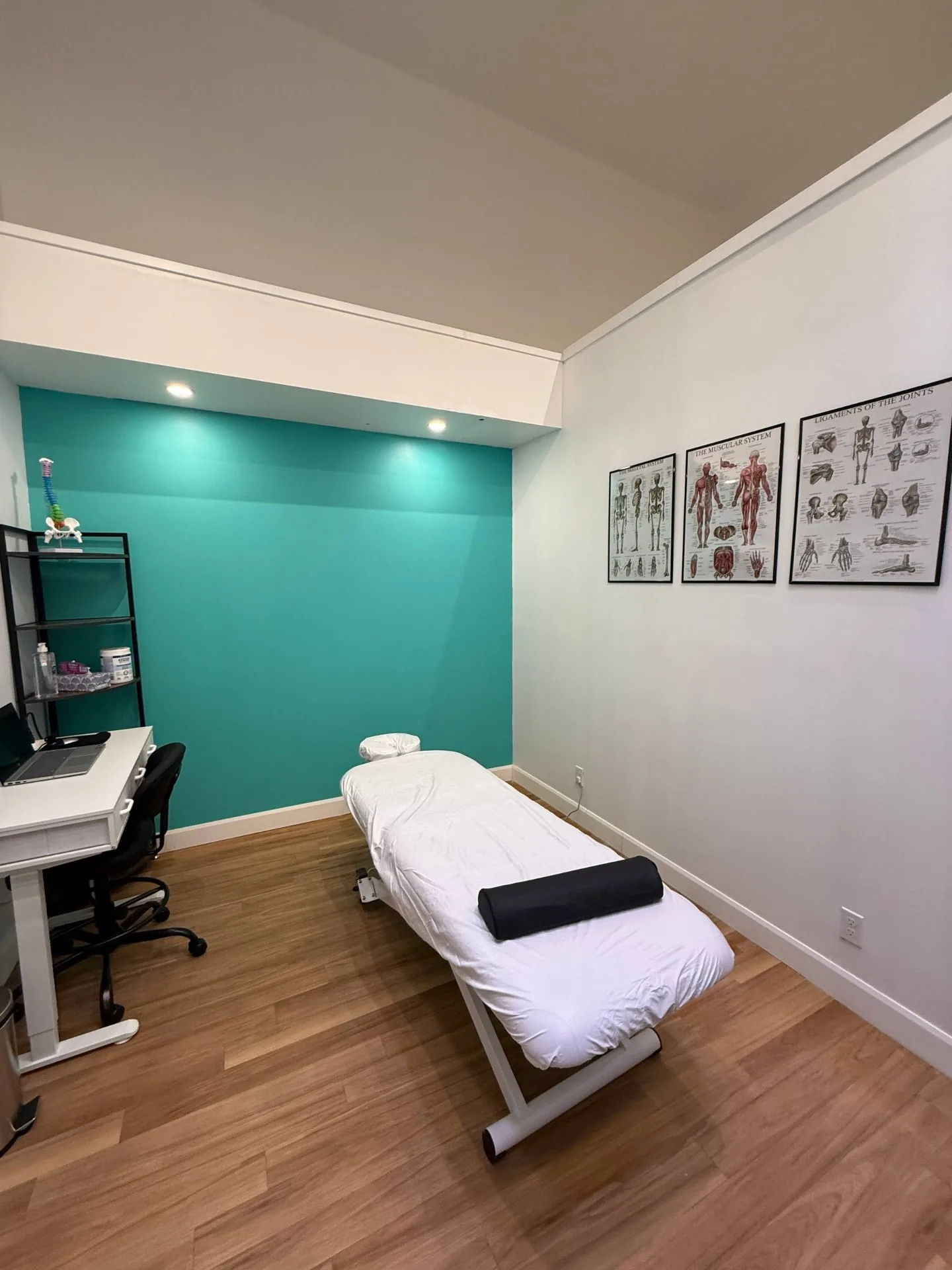
Why Osteopathy Is Essential During Pregnancy
Pregnancy is a period of profound transformation. Over nine months, a woman's body undergoes considerable biomechanical changes: the center of gravity shifts, lumbar lordosis increases, ligaments loosen under the effect of relaxin and the diaphragm is compressed by the growing uterus. These adaptations, while natural, can cause significant pain that affects quality of life.
Prenatal osteopathy offers a natural, gentle and scientifically validated solution to relieve these discomforts without medication. At Clinique Réhabital in Côte Saint-Luc, our osteopaths are specifically trained to support pregnant women through every trimester.
Most Common Pregnancy Pains
Our osteopaths treat these complaints daily in expecting mothers:
- Lower back pain (70% of pregnant women) — The shift in center of gravity increases the load on lumbar vertebrae. Osteopathy restores lumbar mobility and reduces muscle tension.
- Pregnancy sciatica — Compression of the sciatic nerve by the growing uterus or piriformis syndrome causes pain radiating into the buttock and leg. Learn more about sciatica treatment →
- Pelvic pain (pubic symphysis) — Pelvic girdle instability under the effect of relaxin can cause debilitating pain.
- Acid reflux — Stomach compression by the uterus. Visceral osteopathy can reduce pressure and improve gastric motility.
- Shortness of breath — Diaphragm restriction. Diaphragmatic techniques restore respiratory amplitude.
- Headaches and migraines — Hormonal and postural changes. Cranial osteopathy is particularly effective.
- Carpal tunnel syndrome — Water retention compresses the median nerve. Drainage and wrist mobilization techniques relieve symptoms.
Is Osteopathy Safe During Pregnancy?
Yes, absolutely. Osteopathy is a non-invasive, drug-free approach, making it one of the safest options for pain management during pregnancy. Studies published in The Journal of the American Osteopathic Association confirm the safety and efficacy of osteopathic treatment during pregnancy.
Our osteopaths at Réhabital:
- Use exclusively gentle techniques adapted for pregnancy
- Avoid high-velocity manipulations (cracking)
- Adapt their approach to each trimester
- Communicate with your doctor or midwife when needed
Osteopathy Trimester by Trimester
First Trimester (weeks 1-12)
The body begins hormonal adaptations. Osteopathy helps manage nausea (visceral techniques), fatigue and cervical tension. Sessions are gentle and respect the fragility of this period.
Second Trimester (weeks 13-27)
Often the ideal time to begin sessions. The belly grows, the center of gravity shifts and the first lower back pains appear. Osteopathy maintains biomechanical balance and prevents painful compensations.
Third Trimester (weeks 28-40)
The most physically demanding period. Osteopathy relieves intense lower back and pelvic pain, improves breathing and prepares the pelvis for delivery. Weekly sessions are recommended in the final month.
Preparing the Pelvis for Childbirth
An often overlooked aspect of prenatal osteopathy is pelvis preparation for delivery. A mobile, well-aligned pelvis promotes:
- Shorter, more efficient labor
- Better descent of the baby through the pelvic canal
- Fewer delivery complications
- Faster postpartum recovery
Postpartum Osteopathic Care
Osteopathy doesn't stop at delivery. Postpartum care is essential for:
- Restoring pelvic alignment — Delivery can displace the sacrum and ilia.
- Treating breastfeeding pain — Prolonged positioning causing cervical and back pain.
- Supporting abdominal recovery — Fascia and diaphragm work.
- Treating the baby — Pediatric osteopathy can help with colic, torticollis and suckling problems.
When to See an Osteopath During Pregnancy?
- At the first signs of lower back or pelvic pain
- Preventively, from the second trimester
- In case of sciatica or radiating pain
- For birth preparation (final month)
- 6 weeks after delivery for a postpartum assessment
Frequently Asked Questions
How many sessions are needed?
Frequency depends on your symptoms. Generally: one session every 3-4 weeks in the 2nd trimester, then every 1-2 weeks in the 3rd trimester.
Can osteopathy induce labor?
No. The techniques used do not induce labor but prepare the pelvis to facilitate the natural process.
Does my doctor need to approve?
While not mandatory, we recommend informing your doctor or midwife, especially for high-risk pregnancies.
Book Your Prenatal Consultation
Take care of yourself and your baby with prenatal osteopathy. Our specialized osteopaths in Côte Saint-Luc support expecting mothers from Hampstead, Westmount, NDG and the entire Montreal region.
Frequently asked questions
Go deeper with our dedicated osteopathy pages
Osteopathy pages with Shahram Ghasemi, MD (Iran), DOMP in Côte Saint-Luc:
Related articles
Sciatica and Leg Pain During Pregnancy: Causes, Safe Relief and When to Seek Help
Leg and buttock pain is common in pregnancy and is not always true sciatica. Learn why it happens, what is safe to try and how osteopaths and physiotherapists support expectant mothers.
Best Treatment for Back Pain: How Osteopathy Provides Lasting Relief
Discover why osteopathy is considered one of the best treatments for back pain. Evidence-based manual therapy for chronic and acute back pain in Montreal.
When Should You See an Osteopath? 10 Signs You Shouldn't Ignore
Persistent pain, morning stiffness, migraines? Discover 10 signs indicating you should see an osteopath in Montreal.
Treating Sciatica with Osteopathy: Shahram Ghasemi's Approach in Côte Saint-Luc
Pain shooting down the leg, tingling, trouble sitting? Discover how osteopath Shahram Ghasemi approaches sciatica at Réhabital in Côte Saint-Luc — assessment, manual techniques and a realistic recovery plan.
Hip Pain: How Osteopathy Treats the Pelvis, Hip and Lower Back as One System
A painful hip is rarely an isolated problem. The pelvis, sacroiliac joints, psoas, diaphragm and foot all participate in hip mechanics. Here is the complete osteopathic approach, explained step by step.
Osteopathy: A Whole-Body Approach to Restoring Your Body's Balance
Discover how osteopathy treats the root cause of your pain by restoring your body's structural, visceral and cranial balance.