
Chiropractor vs Osteopath in Montreal – What Should You Choose?
Understand the key differences between chiropractic and osteopathy and discover which approach best suits your needs in Côte Saint-Luc, Montreal.
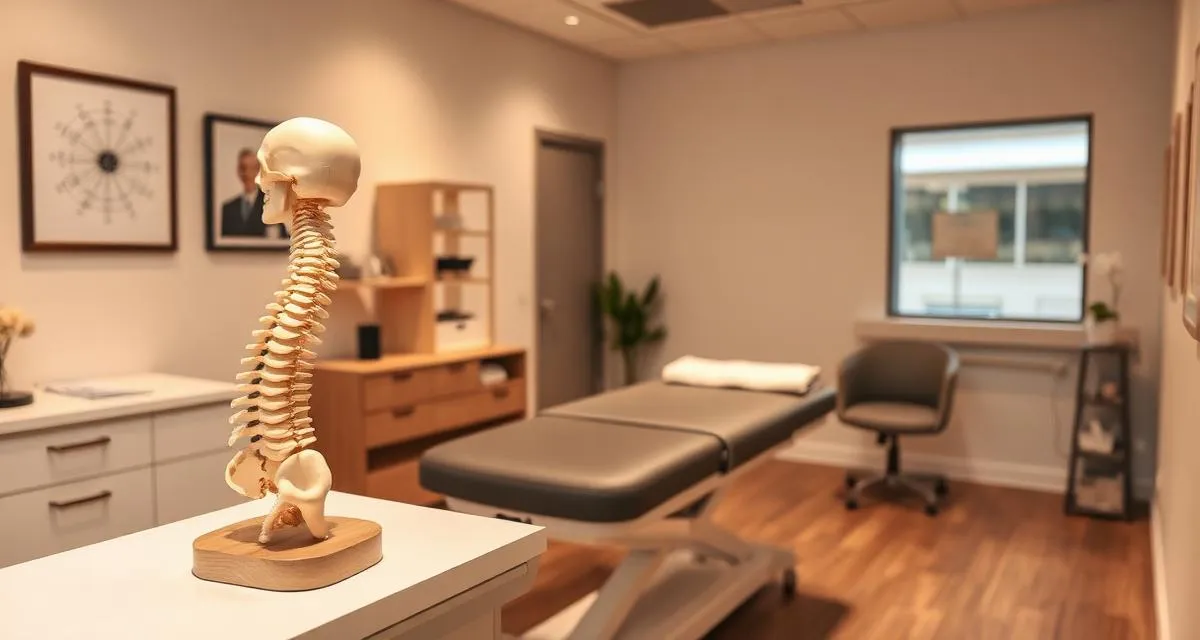
Introduction: The Chiropractor vs Osteopath Debate in Montreal
If you're experiencing back pain, neck stiffness, chronic headaches, or musculoskeletal discomfort in Montreal, one of the first decisions you'll face is: should I see a chiropractor or an osteopath? It's one of the most commonly searched health questions in Quebec and for good reason — both professions deal with the body's structure, both use manual therapy and both aim to relieve pain without medication or surgery.
But beneath the surface, chiropractic and osteopathy are fundamentally different in philosophy, technique, scope and approach to treatment. Understanding these differences is essential to choosing the right practitioner for your specific condition — and getting results that last.
At Réhabital in Côte Saint-Luc (CSL), Montreal, our osteopathic team — led by Réhabital Team — practices a comprehensive, whole-body approach to manual therapy that addresses not just symptoms, but root causes. In this guide, we'll give you an honest, evidence-based comparison so you can make an informed decision.
What Is Chiropractic Care?
Chiropractic is a healthcare profession that focuses primarily on the spine and nervous system. Chiropractors believe that misalignments of the vertebrae (called subluxations) interfere with nerve function and can cause pain, dysfunction and disease throughout the body.
The primary treatment tool in chiropractic is the spinal adjustment — a quick, targeted thrust (known as HVLA, or High-Velocity Low-Amplitude) applied to specific vertebrae to correct alignment and restore nerve function. Many chiropractors also use X-rays for diagnosis and may incorporate modalities like ultrasound, electrical stimulation, or exercise prescription.
Key characteristics of chiropractic care:
- Focus is predominantly on the spine and vertebral alignment
- Primary technique is spinal adjustments (HVLA thrusts)
- Treatment sessions are often shorter (15-30 minutes)
- May require frequent visits (2-3 times per week initially)
- Diagnosis often relies on X-rays and imaging
- Philosophy centers on the spine-nervous system connection
- Regulated profession in Quebec (Ordre des chiropraticiens du Québec)
What Is Osteopathy?
Osteopathy is a holistic manual therapy that treats the entire body as an interconnected system. Rather than focusing solely on the spine, osteopaths assess and treat muscles, joints, fascia, organs, the craniosacral system and the nervous system — understanding that dysfunction in one area can create compensatory patterns and symptoms elsewhere.
Founded by Dr. Andrew Taylor Still in 1874, osteopathy is built on four core principles:
- The body is a unit: All systems (musculoskeletal, circulatory, nervous, visceral) are interconnected and interdependent.
- Structure governs function: When the body's structure is properly aligned and mobile, its function optimizes naturally.
- The body has self-healing mechanisms: Given the right conditions, the body can repair and regulate itself.
- Rational treatment addresses root causes: Effective therapy identifies and treats the origin of dysfunction, not just symptoms.
At Réhabital in Côte Saint-Luc, our osteopaths employ 8 core therapeutic techniques: Articular (joint mobilization), Myofascial Release, Cranial Osteopathy, Visceral Manipulation, Musculoskeletal techniques, Structural/HVLA, Lymphatic Drainage and Neuromeningeal techniques. This comprehensive toolkit allows us to treat a far wider range of conditions than spinal adjustments alone.
Key characteristics of osteopathy:
- Whole-body approach — treats muscles, joints, fascia, organs and the craniosacral system
- Uses a diverse range of gentle manual techniques
- Treatment sessions are typically longer (45-90 minutes)
- Fewer visits needed (weekly or bi-weekly, with progressive spacing)
- Diagnosis relies primarily on skilled palpation and clinical assessment
- Philosophy treats the whole person, not just the symptom
- Practitioners hold a DOMP (Diploma in Osteopathic Manual Practice) designation
Chiropractor vs Osteopath: A Detailed Comparison
Let's break down the key differences side by side to help you understand which approach might be more appropriate for your situation:
Philosophy and Approach
Chiropractic: Centers on the spine-nervous system relationship. The belief is that correcting vertebral misalignments (subluxations) will restore nerve flow and allow the body to heal. Treatment is spine-focused.
Osteopathy: Views the body as a complete, interconnected unit. Dysfunction in the hip can cause shoulder pain; digestive issues can manifest as back tension. Treatment addresses the whole kinetic chain and underlying causes, not just the area of pain.
Techniques Used
Chiropractic: Primarily spinal adjustments (HVLA). Some chiropractors also use instrument-assisted adjustments (Activator), drop-table techniques, or flexion-distraction.
Osteopathy: A broad spectrum including gentle articular mobilization, myofascial release, craniosacral therapy, visceral manipulation, muscle energy techniques, HVLA (when appropriate), lymphatic drainage and neuromeningeal techniques. The osteopath selects techniques based on the patient's specific needs and tissue response.
Scope of Treatment
Chiropractic: Primarily treats back pain, neck pain, headaches and conditions directly related to spinal alignment.
Osteopathy: Treats a much broader range of conditions including back and neck pain, but also digestive disorders, respiratory issues, TMJ dysfunction, migraines, post-surgical recovery, pregnancy-related discomfort, chronic fatigue and stress-related conditions. At our Côte Saint-Luc osteopathy clinic, we regularly treat conditions that patients didn't even realize were connected to their musculoskeletal system.
Session Duration and Frequency
Chiropractic: Sessions typically last 15-30 minutes, with many chiropractors recommending 2-3 visits per week initially, tapering over time. Some treatment plans span months with dozens of visits.
Osteopathy: Sessions last 45-90 minutes, allowing for thorough assessment and multi-technique treatment. At Réhabital in CSL, most patients see significant improvement within 3-6 sessions, with visits spaced weekly to bi-weekly.
Diagnostic Methods
Chiropractic: Often relies on X-rays and imaging to identify subluxations and structural issues.
Osteopathy: Relies primarily on skilled palpation — the trained hands of the osteopath assess tissue quality, mobility restrictions, tension patterns and fluid dynamics. This hands-on diagnostic approach often reveals dysfunctions that imaging cannot detect.
The “Cracking” Question
One of the most common concerns patients raise is about joint “cracking” or “popping.” In chiropractic, audible adjustments are a hallmark of treatment. In osteopathy, HVLA techniques (which may produce a popping sound) are just one tool among many — and many osteopathic treatments involve no cracking at all. If you prefer gentler approaches, osteopathy offers numerous soft-tissue and indirect techniques that are equally effective without joint manipulation.
When to Choose a Chiropractor
Chiropractic care may be the right choice if:
- Your primary complaint is acute spinal pain (sudden onset back or neck pain)
- You've been diagnosed with a specific vertebral misalignment
- You prefer shorter, more frequent treatment sessions
- You're comfortable with spinal adjustments and cracking
- Your condition is primarily spine-related with no other systemic symptoms
- You have insurance coverage that specifically covers chiropractic but not osteopathy
When to Choose an Osteopath
Osteopathy may be the better choice if:
- You have chronic or complex pain that hasn't responded to other treatments
- Your symptoms involve multiple body systems (e.g., back pain combined with digestive issues, headaches, or jaw tension)
- You prefer longer, more thorough treatment sessions
- You want a gentler approach without aggressive joint manipulation
- You're dealing with post-surgical recovery, pregnancy discomfort, or stress-related tension
- You want a practitioner who identifies and treats root causes, not just symptoms
- You value a holistic perspective that considers your entire health picture
- You've tried chiropractic and didn't get lasting results
At Réhabital in Côte Saint-Luc (CSL), many of our osteopathy patients come to us after trying chiropractic care without achieving lasting relief. The reason? Their pain wasn't purely spinal — it involved fascial restrictions, visceral tension, craniosacral imbalances, or compensatory patterns that spinal adjustments alone couldn't address.
The Réhabital Difference: Why Our Osteopathic Approach Gets Results
What sets our osteopathy practice in Côte Saint-Luc apart isn't just our techniques — it's the depth of our assessment and the expertise of our practitioners.
Réhabital Team brings a unique advantage: medical training combined with osteopathic expertise. His understanding of anatomy, pathology and physiology — combined with advanced osteopathic palpation skills — means nothing is missed during your assessment. Whether your back pain is caused by a disc issue, a visceral restriction from your liver or kidney, or a fascial tension pattern originating in your pelvis, Shahram identifies and treats the true source.
Here's what makes the Réhabital osteopathic approach different:
- Comprehensive 8-technique system: We don't rely on a single technique. Our osteopaths are trained in Articular, Myofascial, Cranial, Visceral, Musculoskeletal, Structural/HVLA, Lymphatic Drainage and Neuromeningeal techniques — selecting the best combination for each patient.
- Multidisciplinary integration: As a multidisciplinary clinic, we can seamlessly integrate osteopathy with physiotherapy, massage therapy, acupuncture and naturopathy for complex cases.
- Root-cause philosophy: We don't chase symptoms. Every treatment begins with a thorough assessment to understand why you're in pain — not just where.
- Lasting results with fewer visits: Because we treat root causes with a comprehensive approach, most patients achieve lasting improvement in 3-6 sessions rather than dozens.
Common Conditions: Chiropractor vs Osteopath Effectiveness
Here's a practical breakdown of common conditions and which approach typically yields better results:
Lower Back Pain: Both can be effective. Chiropractic works well for acute, alignment-related back pain. Osteopathy excels with chronic, complex, or recurring back pain — especially when other factors (posture, visceral tension, fascial restrictions) contribute to the issue.
Neck Pain and Stiffness: Both offer relief. Osteopathy often provides gentler treatment options for the cervical spine, which can be preferable for patients uncomfortable with neck adjustments.
Headaches and Migraines: Chiropractic addresses cervicogenic headaches through spinal adjustments. Osteopathy can treat a broader range of headache types, including those caused by craniosacral restrictions, TMJ dysfunction, or visceral tension.
Sciatica: Both professions treat sciatica. Osteopathy's ability to address piriformis syndrome, fascial restrictions along the sciatic nerve path and pelvic imbalances often provides more comprehensive relief.
Digestive Issues: This is where osteopathy clearly excels. Visceral manipulation — a core osteopathic technique — can address functional digestive disorders, bloating, constipation and acid reflux by restoring mobility to the organs and their surrounding tissues.
TMJ Disorders: Osteopathy's cranial and myofascial techniques are specifically designed to treat jaw dysfunction, while chiropractic rarely addresses this area.
Pregnancy-Related Discomfort: Osteopathy is widely regarded as the preferred manual therapy during pregnancy due to its gentle techniques and whole-body approach. Many chiropractic adjustments may need to be modified or avoided during pregnancy.
Post-Surgical Recovery: Osteopathic techniques like myofascial release and visceral manipulation help prevent and treat post-surgical adhesions, scar tissue restrictions and compensatory patterns — areas outside chiropractic's typical scope.
Insurance Coverage in Quebec
In Quebec, both chiropractic and osteopathy are commonly covered by private insurance plans. However, there are some differences to be aware of:
- Chiropractic: Regulated by the Ordre des chiropraticiens du Québec. Most insurance plans cover chiropractic, often with a per-visit cap and annual maximum.
- Osteopathy: Not currently regulated in Quebec (regulation is in progress). Most private insurance plans still cover osteopathic treatments, especially when provided by a practitioner with a recognized diploma (DOMP). Always check your specific plan.
At Réhabital in Côte Saint-Luc, we provide detailed receipts that are accepted by most major insurance providers in Quebec. Our team can help you verify your coverage before your first appointment.
Cost Comparison in Montreal
Understanding the true cost means looking beyond the per-session price:
Chiropractic: Sessions in Montreal typically range from $65-$90. However, treatment plans often require 2-3 visits per week for several weeks, which can total $500-$1,500+ for a course of treatment.
Osteopathy at Réhabital: Our pricing is transparent — $125 for the initial assessment, $110 for 60-minute follow-ups and $150 for 90-minute sessions. Because osteopathic treatment addresses root causes and produces lasting change, most patients need only 3-6 sessions total. The overall cost of care is often comparable to or less than chiropractic for the same condition.
What Real Patients Say About Osteopathy at Réhabital
Don't just take our word for it. According to the latest reviews and experiences shared on Yelp and Google, patients from Côte Saint-Luc and the surrounding Montreal neighborhoods consistently praise the personalized, whole-body approach at Réhabital. Read our Yelp reviews →
“After months of chiropractic adjustments that only provided temporary relief for my lower back pain, I tried osteopathy with Shahram at Réhabital. He discovered the pain was actually originating from a restriction in my hip and fascial tension in my pelvis. After 4 sessions, my back pain — which I'd had for two years — was gone.” — Leila M., Côte Saint-Luc
“I was skeptical about switching from my chiropractor, but the osteopathic approach at Réhabital was completely different. Instead of just cracking my back, Shahram spent a full hour assessing my entire body and found issues I didn't even know I had. Three sessions in, I feel better than I have in years.” — Amirhossein K., Hampstead
Making Your Decision: A Practical Framework
Still not sure? Ask yourself these questions:
- Is my pain primarily in my spine? If yes, either profession may help. If your pain involves other areas or systems, osteopathy is likely the better choice.
- Have I tried one approach without lasting results? If chiropractic didn't work, try osteopathy — the broader toolkit often succeeds where spinal adjustments alone fall short.
- Do I prefer shorter, frequent visits or longer, less frequent sessions? Chiropractic favors the former; osteopathy the latter.
- Am I comfortable with spinal cracking? If not, osteopathy offers many effective techniques without joint manipulation.
- Do I have complex or chronic pain? Complex conditions generally respond better to osteopathy's whole-body approach.
At Réhabital in Côte Saint-Luc (CSL), Montreal, we welcome patients who are exploring their options. Whether you've never tried manual therapy or you're looking for a different approach after chiropractic care, our osteopathic team is here to help you find lasting relief.
Ready to experience the osteopathic difference?
Book your osteopathy consultation today at Réhabital in Côte Saint-Luc, Montreal. We serve patients from CSL, Hampstead, Westmount, NDG, Snowdon, Mont-Royal and all of Greater Montreal.
Frequently Asked Questions (FAQ)
1. What is the main difference between a chiropractor and an osteopath?
Chiropractors focus primarily on spinal alignment and use targeted adjustments (cracking) to correct vertebral misalignments. Osteopaths treat the entire body as an interconnected system, using a diverse range of gentle manual techniques to address root causes of pain and dysfunction.
2. Is osteopathy better than chiropractic for back pain?
Both can be effective for back pain. Osteopathy often provides better results for chronic or complex back pain because it addresses contributing factors beyond the spine — such as fascial restrictions, pelvic imbalances and visceral tension.
3. Do osteopaths crack your back like chiropractors?
Osteopaths are trained in HVLA (high-velocity low-amplitude) techniques that may produce a cracking sound, but it's just one of many tools. Many osteopathic treatments are entirely gentle with no joint manipulation. Your osteopath at Réhabital will discuss your preferences.
4. Is osteopathy covered by insurance in Quebec?
Yes, most private insurance plans in Quebec cover osteopathic treatments. At Réhabital in Côte Saint-Luc, we provide detailed receipts accepted by all major insurers. Check your specific plan for coverage details.
5. How many osteopathy sessions do I need compared to chiropractic?
Typically fewer. Most patients at Réhabital achieve significant improvement in 3-6 osteopathic sessions, whereas chiropractic treatment plans often require dozens of visits over several weeks or months.
6. Can I see both a chiropractor and an osteopath?
While technically possible, it's generally not recommended to receive both treatments simultaneously as the approaches may conflict. We suggest trying one approach fully before considering the other.
7. Which is safer — chiropractic or osteopathy?
Both are considered safe when performed by qualified practitioners. Osteopathy's gentle techniques may carry a slightly lower risk profile, particularly for cervical spine treatment, as many osteopathic approaches avoid the forceful adjustments that carry rare but documented risks.
8. Can an osteopath help with conditions a chiropractor can't?
Yes. Osteopaths can treat digestive disorders (via visceral manipulation), TMJ dysfunction, craniosacral imbalances, respiratory issues and complex post-surgical recovery — conditions outside the typical scope of chiropractic care.
9. Is osteopathy evidence-based?
Yes. There is growing research supporting osteopathic techniques for conditions including low back pain, neck pain, headaches and various musculoskeletal disorders. Our practitioners at Réhabital stay current with the latest clinical evidence.
10. What does a first osteopathy appointment at Réhabital look like?
Your first visit (60-75 minutes) includes a comprehensive health history, postural assessment, hands-on evaluation of your entire body, treatment using the most appropriate techniques and a personalized care plan. The initial assessment costs $125.
11. Do I need a doctor's referral to see an osteopath in Montreal?
No referral is needed. You can book directly at rehabital.janeapp.com or call our Côte Saint-Luc clinic.
12. Who are the osteopaths at Réhabital?
Our osteopathic team includes Réhabital Team — who brings both medical training and osteopathic expertise —, who specializes in musculoskeletal and structural osteopathy.
13. Is chiropractic or osteopathy better for pregnancy?
Osteopathy is generally preferred during pregnancy due to its gentle techniques and ability to address the full range of pregnancy-related discomforts — from pelvic pain to digestive changes to postural adaptations.
14. Can osteopathy help with migraines?
Yes. Osteopathic treatment for migraines addresses craniosacral restrictions, cervical tension, TMJ dysfunction and circulatory factors that may trigger or exacerbate migraines — a broader approach than spinal adjustments alone.
15. How much does osteopathy cost at Réhabital in Côte Saint-Luc?
Initial assessment: $125. Follow-up 60-minute sessions: $110. Extended 90-minute sessions: $150. Most patients need 3-6 sessions total for lasting improvement.
16. Why do some people switch from chiropractic to osteopathy?
Common reasons include: wanting longer, more thorough sessions; seeking a gentler approach without frequent cracking; dealing with complex conditions that spinal adjustments alone don't resolve; and preferring a whole-body, root-cause approach.
17. Can osteopathy help with sciatica?
Absolutely. Osteopathy addresses sciatica through multiple approaches — releasing the piriformis muscle, mobilizing the lumbar spine and pelvis, addressing fascial restrictions along the nerve path and restoring overall structural balance.
18. Is osteopathy good for athletes?
Yes. Osteopathy's whole-body approach is excellent for sports injuries, performance optimization and injury prevention. Many professional athletes prefer osteopathic care for its comprehensive assessment and diverse treatment techniques.
19. What's the difference between a DO and a DOMP?
A DO (Doctor of Osteopathy) is a designation used in the US where osteopaths are fully licensed physicians. A DOMP (Diploma in Osteopathic Manual Practice) is the Canadian designation for manual osteopathic practitioners who focus specifically on hands-on treatment.
20. Can children see an osteopath?
Yes. Osteopathy is safe and effective for children and infants. Pediatric osteopathic techniques are extremely gentle and can help with conditions like colic, sleep issues, plagiocephaly (flat head) and growing pains.
21. How quickly will I feel results from osteopathy?
Many patients feel improvement immediately after their first session. However, the body continues to adjust and heal in the days following treatment. Maximum benefit typically unfolds over 2-3 days post-session.
22. Does osteopathy treat digestive problems?
Yes. Visceral osteopathy — one of the techniques used at Réhabital — specifically addresses functional digestive disorders by restoring mobility and blood flow to the digestive organs and releasing tension in surrounding structures.
23. Can osteopathy help with stress and anxiety?
Yes. Craniosacral osteopathy and myofascial release techniques have a profound calming effect on the nervous system. Many patients report reduced stress, improved sleep and better emotional balance after osteopathic treatment.
24. Where is Réhabital's osteopathy clinic located?
We're located in Cavendish Mall in Côte Saint-Luc (CSL), Montreal. We're easily accessible from Hampstead, Westmount, NDG, Snowdon and Mont-Royal, with free parking available.
25. How do I book an osteopathy appointment at Réhabital?
Visit rehabital.janeapp.com to book online, or call our Côte Saint-Luc clinic directly. We welcome patients from CSL, Hampstead, Westmount, NDG, Snowdon, Mont-Royal and all of Greater Montreal.
Frequently asked questions
Go deeper with our dedicated osteopathy pages
Osteopathy pages with Shahram Ghasemi, MD (Iran), DOMP in Côte Saint-Luc:
Related articles
Osteopathy vs Physiotherapy: Which Approach Should You Choose in Côte Saint-Luc?
Complete comparison between osteopathy and physiotherapy: differences, indications, training, insurance reimbursement and how to choose based on your condition in Côte Saint-Luc, Hampstead, NDG and across Montreal.

Acupuncture or Osteopathy: What's the Difference, and When Should You Choose Each?
Needles or hands? Understand what each approach really treats, for which pains, and when to choose it.
When Should You See an Osteopath? 10 Signs You Shouldn't Ignore
Persistent pain, morning stiffness, migraines? Discover 10 signs indicating you should see an osteopath in Montreal.
Herniated Disc or Muscle Pain: How to Tell the Difference
Back pain with or without radiation into the leg? Here are the signs that distinguish a herniated disc from simple muscle pain, and when to seek care.
Low Back Pain and Osteopathy: The Complete Guide to Understanding, Relieving and Preventing It
Why your back pain keeps coming back, what osteopathy really does for lumbar pain, and the full treatment plan our osteopaths use in Côte Saint-Luc.
Hamstrings and Osteopathy: Strain, Proximal Tendinopathy and a Complete Rehabilitation Guide
Strain, proximal tendinopathy or referred pain? Our osteopath Shahram Ghasemi explains how to tell the four hamstring problems apart and the full rehabilitation progression we use in Côte Saint-Luc.