
Herniated Disc or Muscle Pain: How to Tell the Difference
Back pain with or without radiation into the leg? Here are the signs that distinguish a herniated disc from simple muscle pain, and when to seek care.
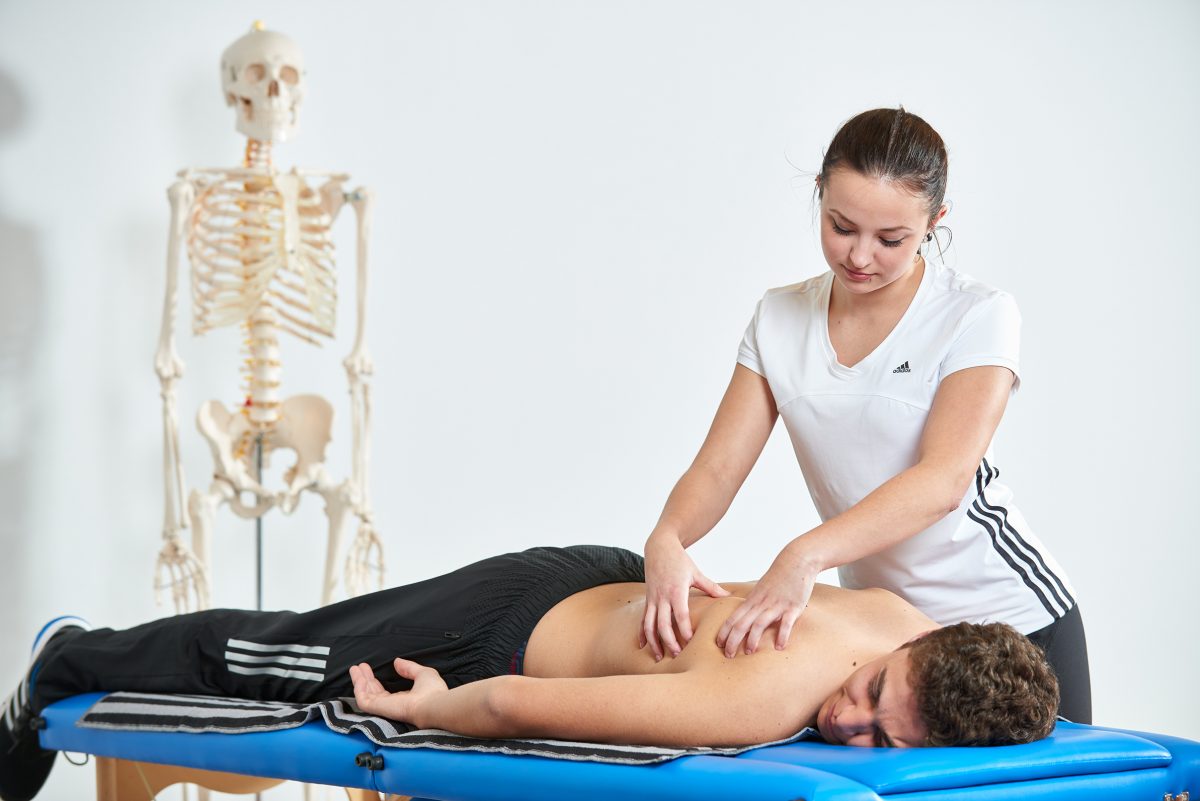
Distinguishing a herniated disc from simple muscle back pain can seem difficult, since both can cause significant pain and limit daily movement. However, certain clinical signs help tell them apart, and this distinction is essential to guide the right treatment and know when to seek care quickly.
At our Côte Saint-Luc clinic, we frequently meet patients from Montréal, Westmount and Montréal-Ouest who are worried about back pain, unsure whether it is a simple muscle spasm or a more serious disc problem. This article aims to clarify the differences, without ever replacing a professional diagnosis.
Understanding muscle pain
Muscle pain, or myofascial tension, usually results from overuse, an awkward movement, or prolonged posture. It is characterized by:
- Localized pain, often on one side of the back
- A sensation of stiffness or tightness that improves with heat and gentle movement
- Absence of numbness or tingling
- Worsening with specific movements but possible relief by changing position
Understanding a herniated disc
A herniated disc occurs when the gel-like core of a spinal disc protrudes through a crack in its outer ring. Depending on its location, it can compress a nerve root and cause symptoms that extend well beyond the lower back:
- Pain radiating into the buttock and leg, following a precise nerve pathway (often called sciatica)
- Numbness or tingling in a specific area of the leg or foot
- Muscle weakness, such as difficulty lifting the foot (foot drop)
- Worsening with coughing, sneezing, or prolonged sitting
Comparison table
| Feature | Muscle pain | Herniated disc |
|---|---|---|
| Location | Back only | Back + leg (nerve pathway) |
| Numbness | Rare | Common |
| Muscle weakness | Absent | Possible |
| Worsens with coughing | Rare | Common |
| Improves with gentle movement | Often | Variable |
Why you should never self-diagnose online
While this table is useful for understanding general trends, many cases are not so clear cut. Piriformis muscle tension, for example, can mimic sciatica by radiating into the leg without any real disc herniation. Conversely, some small disc herniations cause only local back pain without radiation. Only a complete clinical assessment, including specific neurological tests, can provide a reliable diagnosis.
Red flags to never ignore
Certain symptoms require immediate medical consultation, as they may indicate cauda equina syndrome, a rare but serious surgical emergency:
- Loss of bladder or bowel control
- Numbness in the perineal region ("saddle numbness")
- Progressive and significant weakness in both legs
- Severe pain following significant trauma (fall, accident)
- Fever associated with severe back pain
If you present any of these signs, go immediately to the emergency room rather than booking a clinic appointment.
The recommended assessment pathway
For back pain without red flags, the recommended approach is as follows:
- Initial clinical assessment in osteopathy or physiotherapy, including neurological testing (reflexes, strength, sensation)
- Establishing an initial treatment plan based on symptoms and clinical examination
- Reassessment after a few weeks to adjust treatment based on response
- Referral for imaging (MRI) only if symptoms persist, worsen, or present red flags
Conservative treatment: the first line of care
Contrary to popular belief, the majority of herniated discs do not require surgery. Conservative treatment, including gentle manual techniques, specific centralization exercises, and progressive activity management, allows most patients to regain normal function within a few weeks to a few months.
Complete, prolonged rest is now discouraged, as it can delay healing and further weaken the stabilizing muscles of the back. Remaining active, within pain tolerance limits and under professional supervision, remains the most effective strategy.
What a session at our clinic involves
A first consultation for back pain always begins with a detailed questionnaire about the onset of symptoms, their pathway, aggravating factors, and potential red flags. The therapist then performs a neurological examination including the straight leg raise test, patellar and Achilles reflexes, strength of key muscles (foot dorsiflexors, big toe extensors), and sensation along the dermatomes.
Depending on the findings, treatment may include gentle manual techniques to reduce protective muscle tension, lumbar joint mobilization, centralization exercises (such as prone extensions when appropriate), and specific guidance on positions to favour or avoid during daily activities and work.
Home exercises and self-care
Certain simple habits promote faster recovery:
- Avoiding prolonged sitting without a break; standing up and walking briefly every 30 to 45 minutes
- Centralization exercises prescribed by the therapist, repeated several times a day if tolerated
- Gentle, regular walking, generally well tolerated and beneficial for circulation and overall mobility
- Avoiding heavy lifting or trunk twisting during the acute phase
- Applying heat to relax surrounding muscles tightened for protection
- Maintaining good posture at the desk, with adequate lumbar support
Insurance and practical considerations
Osteopathy and physiotherapy treatments for back pain are generally covered by most private insurance plans, as well as SAAQ claims when the pain results from a motor vehicle accident. Please note that CNESST claims are not accepted at our clinic. A detailed receipt is provided after each visit for your reimbursement process with your insurer.
Our local clientele
Our Côte Saint-Luc clinic regularly welcomes patients from Montréal, Westmount, Montréal-Ouest, Hampstead, Snowdon and NDG dealing with lower back pain related to desk work, seasonal gardening, or lifting movements at home. With our extended hours Monday to Friday from 10 a.m. to 8 p.m. and Sunday from 10 a.m. to 4 p.m., it is possible to schedule the regular follow-up that is essential during the first weeks of treatment for disc-related or muscular pain.
Anatomy and mechanism of a herniated disc
The lumbar spine is made up of vertebrae separated by intervertebral discs, structures composed of a tough outer fibrous ring and a gel-like inner core. This disc acts as a shock absorber, distributing compressive forces during trunk movements. With age, poor lifting mechanics, or repeated loading in combined flexion and rotation, the outer fibrous ring can develop small tears, allowing the inner core to bulge outward, sometimes far enough to compress an adjacent nerve root exiting the spine at that level.
The severity of symptoms depends largely on the direction and extent of this bulge, as well as its proximity to the affected nerve root, which explains why two herniated discs of similar size can produce very different clinical pictures from one person to another.
Realistic healing timelines
Most herniated discs follow a favourable natural course: the body gradually reabsorbs part of the herniated disc material over months, which explains why so many cases improve with conservative treatment alone. Patients can generally expect a significant reduction in radiating pain within 6 to 12 weeks, although some residual numbness may persist longer while the irritated nerve fully heals, a process that can take several additional months in certain cases.
Local context and accessibility
Lower back pain is among the most common reasons for consultation among adults in the Côte Saint-Luc area, often related to long hours of desk work, winter snow shovelling, or spring and summer gardening. A prompt assessment after symptoms appear, rather than waiting until the pain becomes chronic, generally improves the prognosis and shortens the total treatment duration required.
Acute Versus Chronic Presentations
The clinical picture of a herniated disc can look quite different depending on how long symptoms have been present. In the acute phase, typically the first two to six weeks, pain is often severe, muscle guarding is pronounced, and even small movements such as turning in bed or standing up from a chair can trigger sharp discomfort. As the inflammatory response settles and the body begins to reabsorb part of the disc material, most patients notice a gradual centralization of pain, meaning the leg symptoms recede and the discomfort concentrates back toward the lower back, generally a favourable sign of healing. Chronic presentations, lasting beyond three months, tend to involve less intense but more persistent pain, along with secondary issues such as deconditioning of the trunk muscles, altered movement patterns, and sometimes heightened pain sensitivity that requires a more gradual, education-focused rehabilitation approach rather than aggressive manual treatment alone.
The Role of Imaging in Guiding Treatment
Many patients arrive at our clinic having already obtained an MRI, sometimes before even trying conservative care. While imaging can confirm the presence and size of a disc herniation, it is important to understand that disc bulges and even herniations are extremely common findings in people without any pain at all, particularly after the age of 30. This means imaging results must always be interpreted alongside the clinical picture rather than in isolation. A small herniation causing significant nerve compression can be far more symptomatic than a large one that is not touching a nerve root. For this reason, our approach favours a thorough clinical and neurological examination first, reserving imaging for cases that fail to improve after a reasonable trial of conservative treatment or that present clear red flags.
Recognizing early warning patterns
Even before a herniated disc causes radiating pain, many people report recurring episodes of simple low back pain over several months, sometimes relieved by rest and recurring after exertion. Paying attention to these early warning patterns and seeking assessment sooner rather than later often allows intervention before the situation progresses to more symptomatic nerve compression, reducing the risk of developing disabling chronic pain.
If you are experiencing persistent back pain, with or without radiation into the leg, a professional assessment can clarify the cause and establish an appropriate treatment plan. Book an appointment with our team for an assessment in osteopathy in Côte Saint-Luc through Jane App.
This article is provided for informational purposes only and does not replace a medical consultation or an individualized professional evaluation. If you have concerning symptoms, especially the red flags mentioned above, consult a healthcare professional immediately.
Frequently asked questions
Go deeper with our dedicated osteopathy pages
Osteopathy pages with Shahram Ghasemi, MD (Iran), DOMP in Côte Saint-Luc:
Related articles
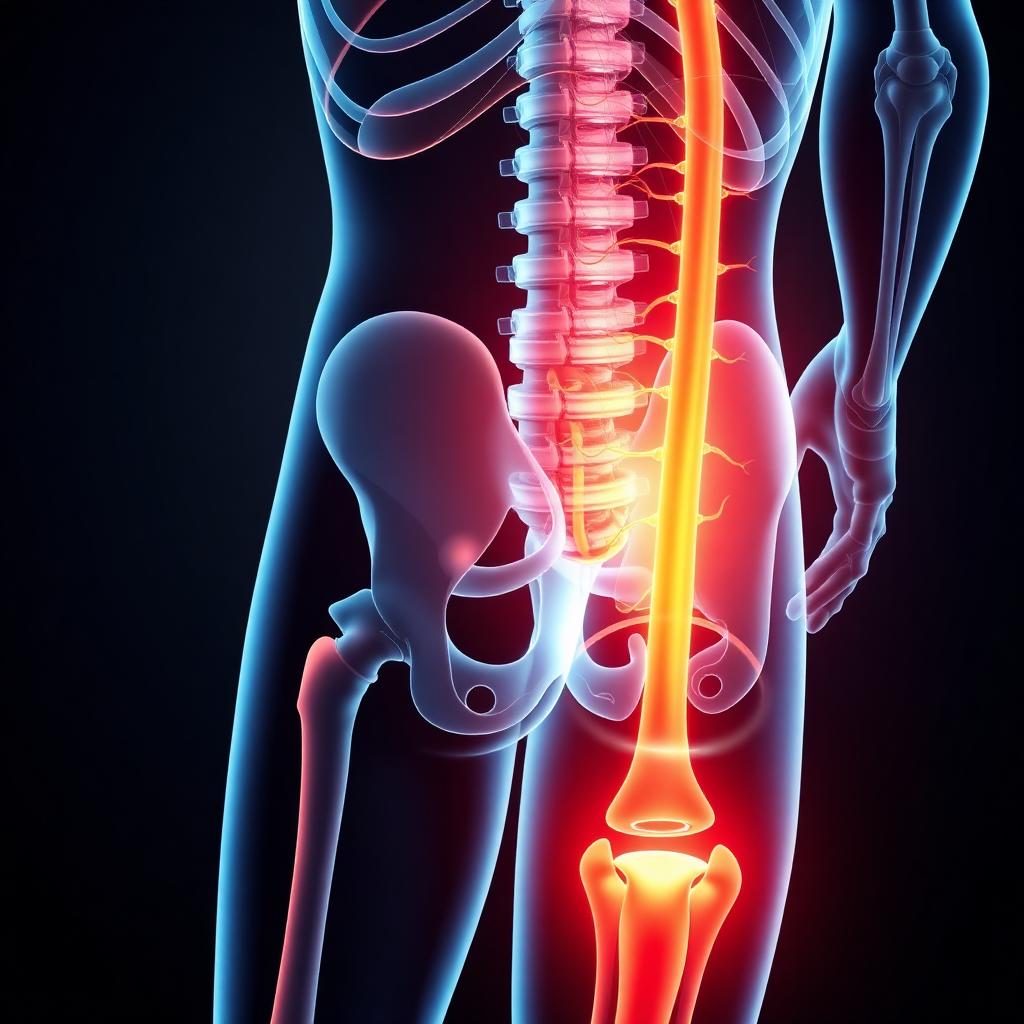
Herniated Disc, Sciatica or Piriformis Syndrome: How to Tell Them Apart
Pain shooting down your leg? It is not always “sciatica.” Learn how to tell a herniated disc, a true radicular sciatica and a piriformis syndrome apart — and how osteopathy and physiotherapy at Réhabital in Côte Saint-Luc treat each one differently.
Is Osteopathy Good for Back Pain? A Complete Guide
Discover how osteopathy treats lower back, upper back and neck pain. Scientific studies, techniques used and expected results in Côte Saint-Luc.
Sciatica Pain Explained: Causes, Symptoms and How Osteopathy Brings Lasting Relief
Sharp, burning pain shooting from your lower back down the leg? Discover the most common causes of sciatica and how our osteopaths in Côte Saint-Luc relieve it without medication or surgery.
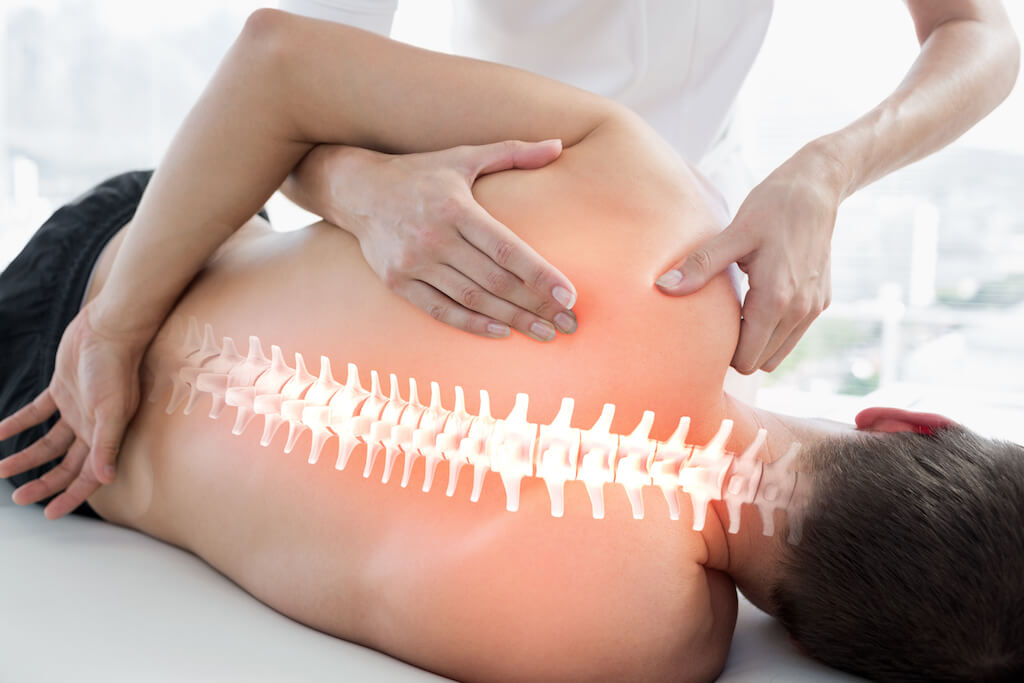
Lower Back Pain: How Osteopathy Can Truly Bring You Relief
Discover how our Côte Saint-Luc osteopaths treat chronic and acute lower back pain with a gentle, structured, evidence-informed manual approach grounded in 30+ years of clinical experience.
Sciatica in Montreal: Osteopathy or Physiotherapy — Which Should You Choose?
Pain shooting down your leg? Discover how osteopathy and physiotherapy treat sciatica, and which approach fits your specific situation.
Treating Sciatica with Osteopathy: Shahram Ghasemi's Approach in Côte Saint-Luc
Pain shooting down the leg, tingling, trouble sitting? Discover how osteopath Shahram Ghasemi approaches sciatica at Réhabital in Côte Saint-Luc — assessment, manual techniques and a realistic recovery plan.