
Low Back Pain and Osteopathy: The Complete Guide to Understanding, Relieving and Preventing It
Why your back pain keeps coming back, what osteopathy really does for lumbar pain, and the full treatment plan our osteopaths use in Côte Saint-Luc.
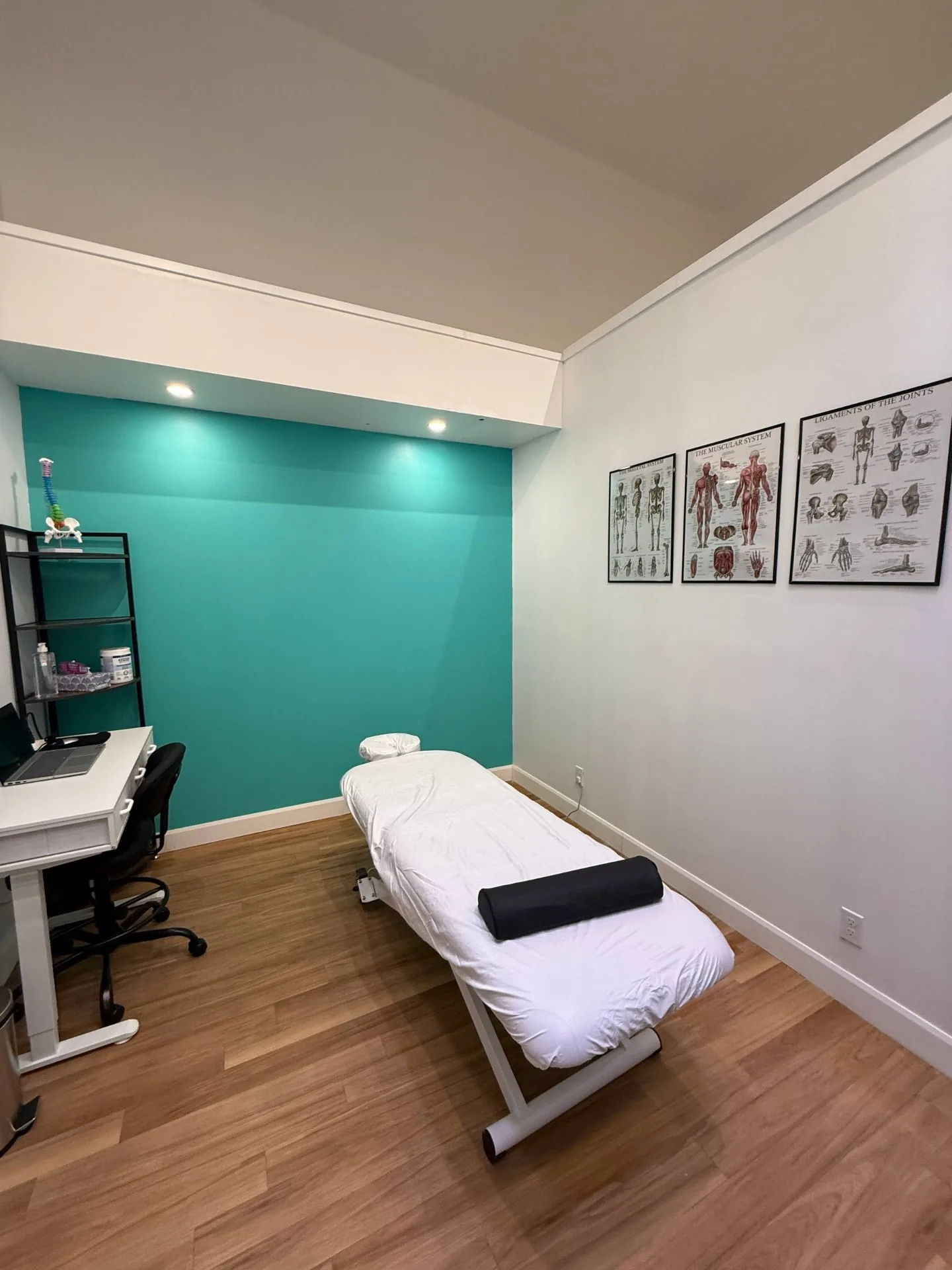
Low back pain: the number one reason patients call us
Roughly 80% of adults experience at least one episode of low back pain in their lifetime. At Réhabital in Côte Saint-Luc, it is the single most common reason for an osteopathy consultation. The reassuring part: in the vast majority of cases it is not a serious injury but a mechanical, functional problem — which means it can be changed.
This guide explains what actually causes lumbar pain, what osteopathy does about it, how long treatment takes, and above all how to stop it from returning. For a more focused read, our article on osteopathy for lower back pain in Montreal pairs well with this guide, as does is osteopathy good for back pain and does osteopathy really help back pain.
The real causes of lumbar pain
1. Segmental mobility restriction
When one or two lumbar segments lose their micro-mobility, neighbouring levels compensate by moving too much. That local overload creates irritation and pain. It is the classic story of a back that "locks" after a trivial movement.
2. The pelvis and sacroiliac joints
The pelvis is the base of the spine. A sacroiliac restriction changes load distribution through the entire chain — see hip, pelvis and lower back.
3. Stiff hips
A hip that cannot flex or rotate enough forces the lumbar spine to supply the missing range on every step, bend and stair.
4. Fascia
The thoracolumbar fascia connects glutes, lats and abdominals. Its densification is a frequent cause of diffuse stiffness, detailed in fascia, back pain and stiffness.
5. Prolonged sitting
Eight hours of sitting raises disc pressure, shortens hip flexors and switches off the glutes. See osteopathy for desk-related pain and pain after sitting for a long time.
6. Stress and breathing
The diaphragm attaches directly onto the lumbar vertebrae. Chronic chest breathing keeps constant tension on L1–L3 — a widely underestimated factor.
7. Hamstrings and the posterior chain
Short hamstrings tilt the pelvis backwards and flatten the lumbar curve. Our guide on tight hamstrings covers the corrective exercises.
Acute, subacute or chronic: why the distinction matters
- Acute (0–6 weeks): sharp pain, often after a movement. Goal: reduce protective guarding, restore mobility, avoid immobility.
- Subacute (6–12 weeks): pain settling in. Goal: correct mechanical drivers and reintroduce load.
- Chronic (> 12 weeks): the nervous system becomes sensitized. Goal: mobility, graded strengthening, sleep and stress management — see osteopathy and chronic pain management.
What an osteopathy session actually involves
- Detailed history: onset, lifestyle, work setup, sleep, previous episodes.
- Global examination: posture, gait, lumbar and pelvic mobility testing, hip screening, neurological tests when indicated.
- Manual treatment: joint mobilization, myofascial techniques, diaphragmatic and visceral work when relevant, neural mobilization if the nerve is involved.
- Advice and exercise: every patient leaves with a concrete plan.
Never been treated before? Read what to expect at your first osteopathy consultation, when you should see an osteopath and what an osteopath actually does. For a wider view of the philosophy, see osteopathy as a whole-body approach.
When the pain travels down the leg
Pain radiating below the knee suggests sciatic involvement. Dedicated reading: can osteopathy relieve sciatica, sciatica pain relief with osteopathy, sciatica, desk sitting and sleep posture, sciatica: osteopathy vs physiotherapy and our osteopathic sciatica protocol.
Morning back pain
Waking up stiff has specific causes: mattress, sleep position, overnight disc hydration and limited thoracic mobility. We break them down in why you wake up with back pain every morning.
Posture, scoliosis and the rest of the spine
Low back pain rarely lives alone. Postural deviation, thoracic stiffness and neck tension all feed into it — see spinal deviation, scoliosis and posture, pain between the shoulder blades, osteopathy for neck pain, visceral osteopathy and neck pain and tension headaches and osteopathy. Mobility problems further down the chain matter too: see knee pain and regaining mobility after using a walker.
Osteopathy, physiotherapy or massage therapy?
Osteopathy restores mobility and hunts the mechanical cause; physiotherapy strengthens and rebuilds load capacity; massage therapy relaxes tissue and improves circulation. Full comparisons: osteopathy vs physiotherapy for back pain, the two compared in Côte Saint-Luc, which one is right for you, osteopathy vs massage vs acupuncture, which therapy to start with, acupuncture vs osteopathy and chiropractor vs osteopath. Often the best answer is a combination: see a combined physiotherapy and osteopathy plan. Massage can also complement care — see hot salt stone massage for low back pain.
The exercises we prescribe
Phase 1 — calm it down (weeks 1–2)
- 90/90 breathing: 5 minutes, legs on a chair, long exhales.
- Pelvic tilts: 2 × 15 in a comfortable range.
- Walking: 10 to 20 minutes, twice daily.
Phase 2 — restore mobility (weeks 2–4)
- Cat-camel: 2 × 10, slow.
- Half-kneeling psoas stretch: 3 × 30 seconds per side.
- Quadruped thoracic rotation: 2 × 8 per side.
Phase 3 — strengthen (weeks 4–8)
- Glute bridge: 3 × 12.
- Bird-dog: 3 × 8 per side, slow and controlled.
- Dowel hip hinge: 3 × 10.
- Side plank: 3 × 20 seconds per side.
Phase 4 — load it (weeks 8+)
- Light Romanian deadlift: 3 × 8.
- Walking lunges: 3 × 10 per leg.
- Farmer carry: 4 × 30 metres.
Preventing the next episode
- Stand up every 45 minutes at work.
- Two strength sessions per week, minimum.
- Seven to eight hours of sleep — sleep deprivation measurably increases pain sensitivity.
- Maintenance osteopathy every 3 to 6 months for recurrent backs.
To plan your care, see how many osteopathy sessions you need and insurance coverage in Quebec.
Booking in Côte Saint-Luc
Our osteopaths practise at Cavendish Mall with free parking and evening availability. Explore our osteopathy service or book online.
Frequently asked questions
Go deeper with our dedicated osteopathy pages
Osteopathy pages with Shahram Ghasemi, MD (Iran), DOMP in Côte Saint-Luc:
Related articles
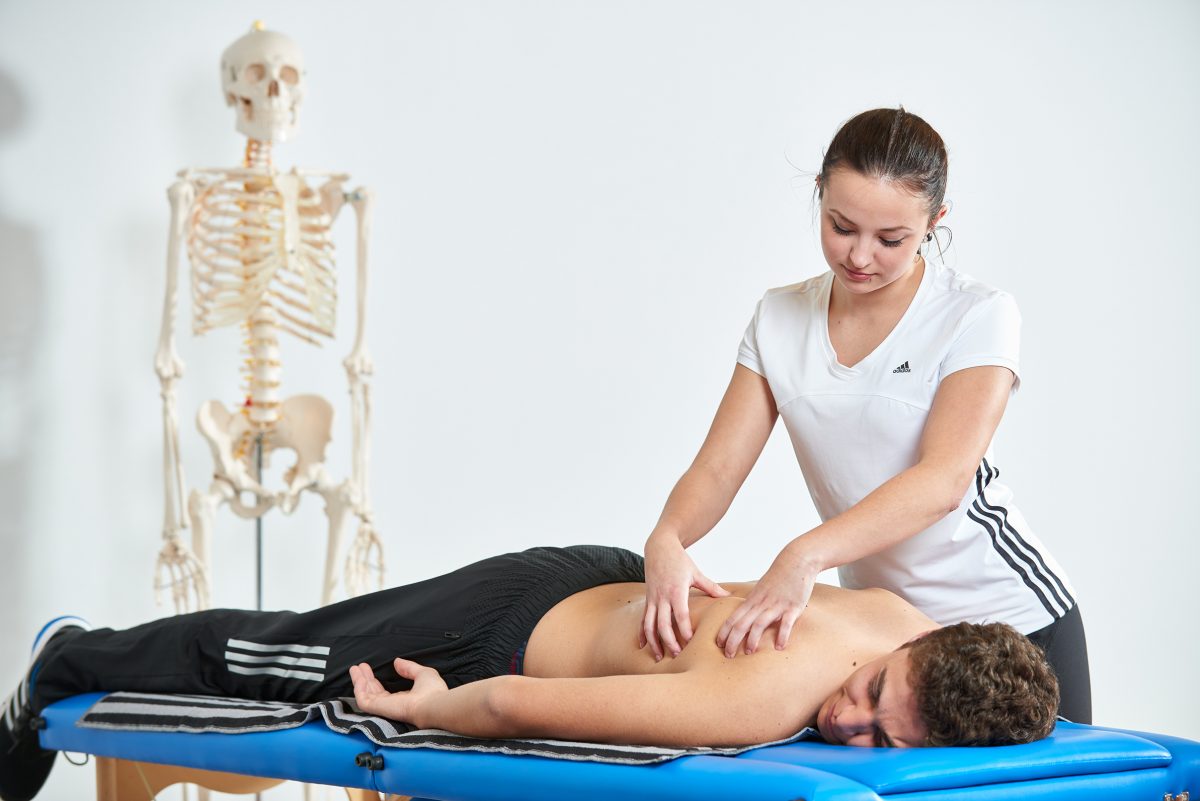
Fascia, Lower Back Pain and Stiffness: How Osteopathy and Physiotherapy Release Your Back in Côte Saint-Luc
Fascia — the connective-tissue web that wraps muscles and organs — is often the hidden driver of lower back pain and stiffness. Learn how osteopathy and physiotherapy at Réhabital release fascial restrictions and give your back its freedom back.
Is Osteopathy Good for Back Pain? A Complete Guide
Discover how osteopathy treats lower back, upper back and neck pain. Scientific studies, techniques used and expected results in Côte Saint-Luc.
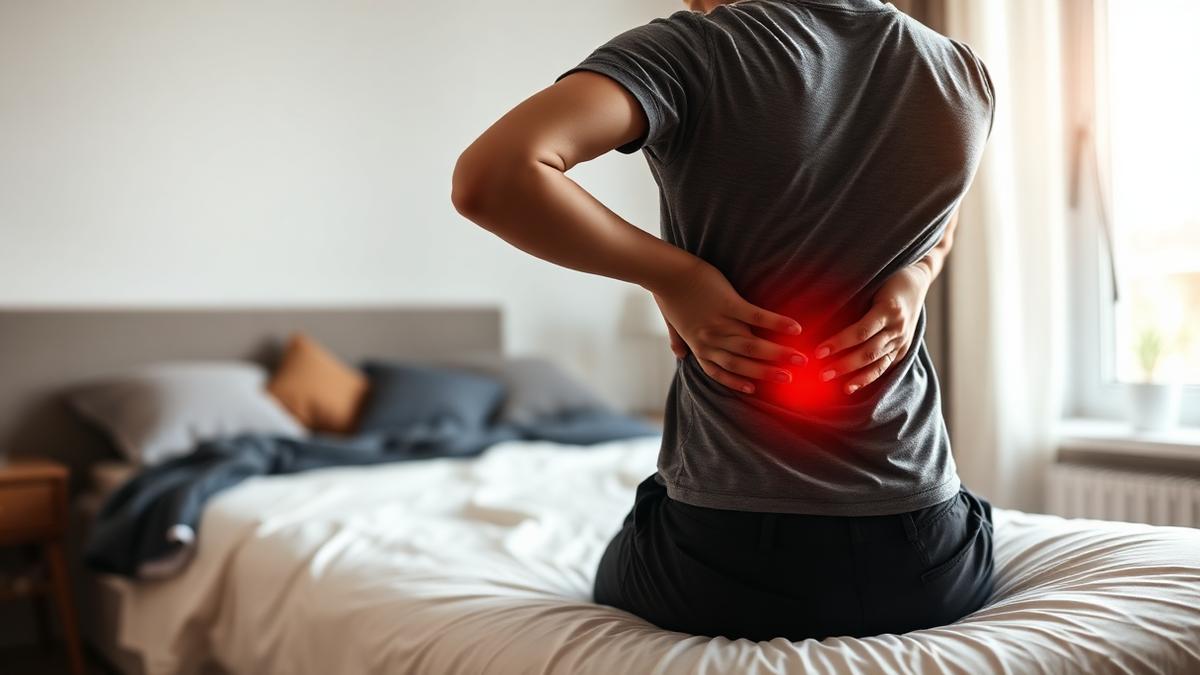
Why You Wake Up With Back Pain Every Morning (And How to Fix It Without Medication)
Discover the hidden causes of your morning back pain and how osteopathy can provide lasting relief without relying on painkillers.
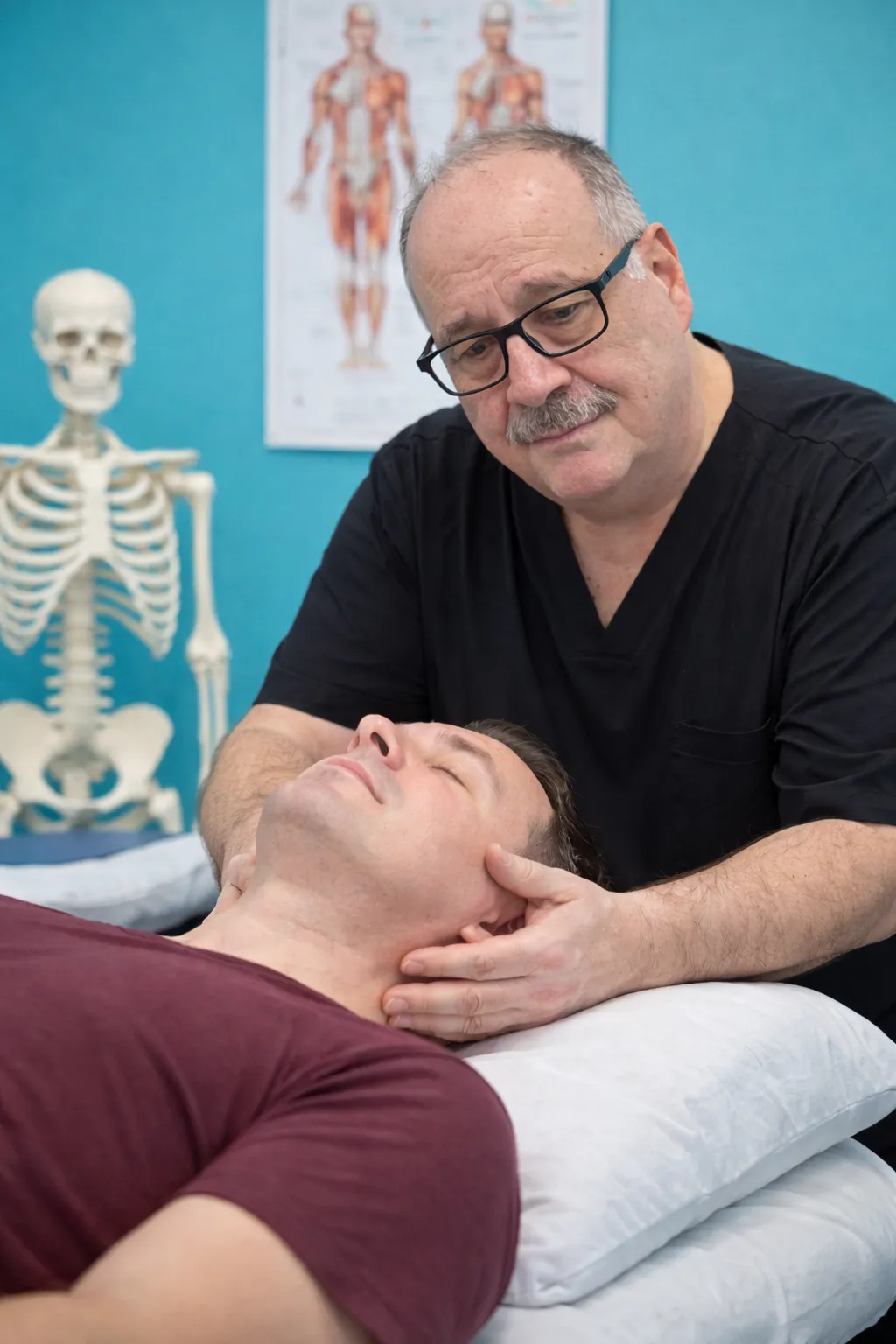
Does Osteopathy Help with Back Pain? (Montreal Guide)
Learn how osteopathy effectively treats back pain in Côte Saint-Luc. Causes, techniques, number of sessions and expected results.
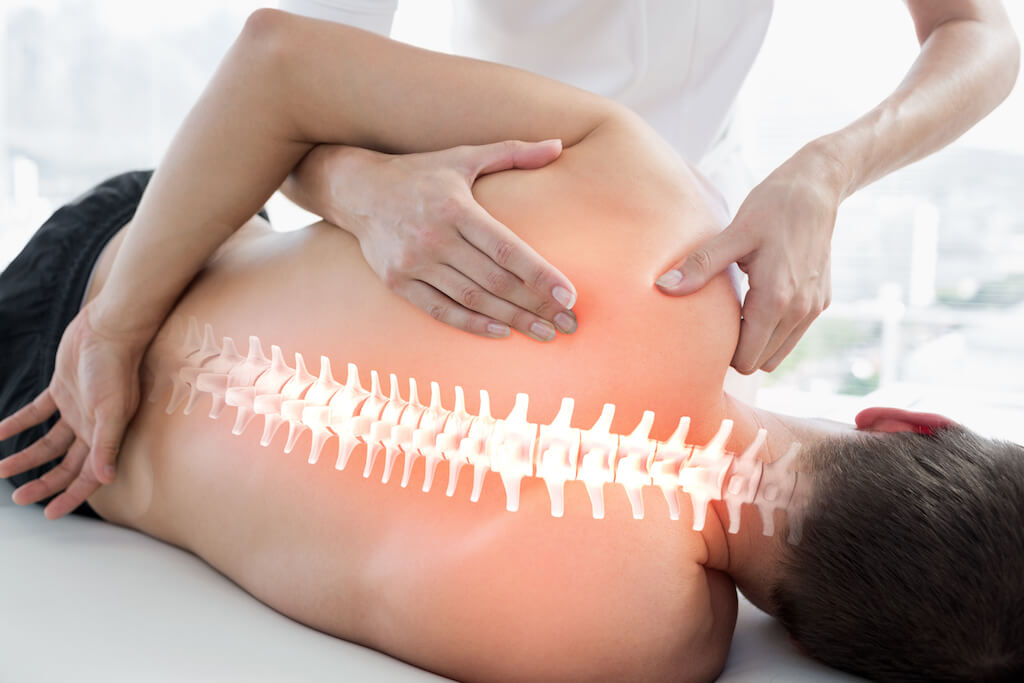
Lower Back Pain: How Osteopathy Can Truly Bring You Relief
Discover how our Côte Saint-Luc osteopaths treat chronic and acute lower back pain with a gentle, structured, evidence-informed manual approach grounded in 30+ years of clinical experience.
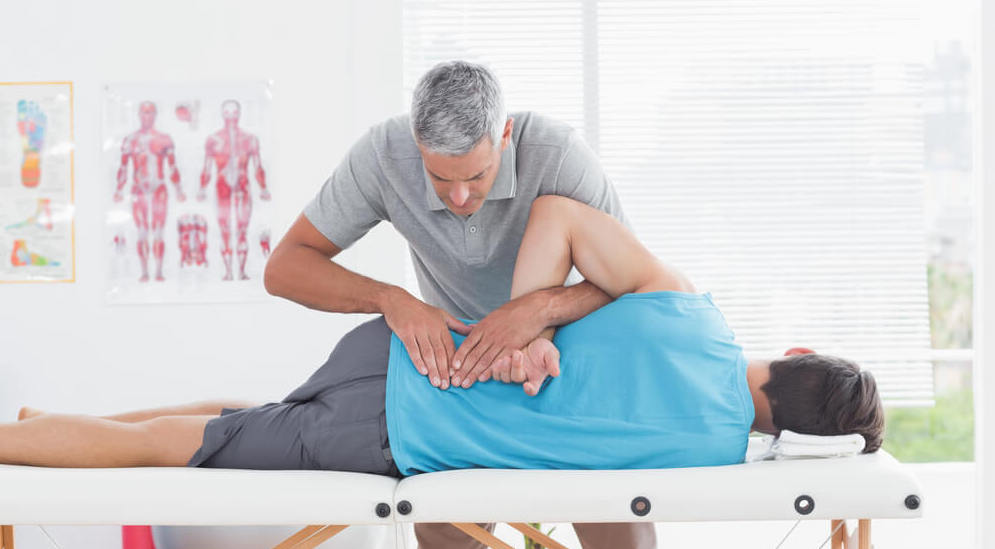
Hip Pain: How Osteopathy Treats the Pelvis, Hip and Lower Back as One System
A painful hip is rarely an isolated problem. The pelvis, sacroiliac joints, psoas, diaphragm and foot all participate in hip mechanics. Here is the complete osteopathic approach, explained step by step.