
Therapeutic Massage and Hot Salt Stones: Clearing Back and Low Back Pain
How our massage therapists combine clinical therapeutic massage with the mineral heat of Himalayan salt stones to release back muscles, calm the nervous system and produce lasting relief from low back pain in Côte Saint-Luc.
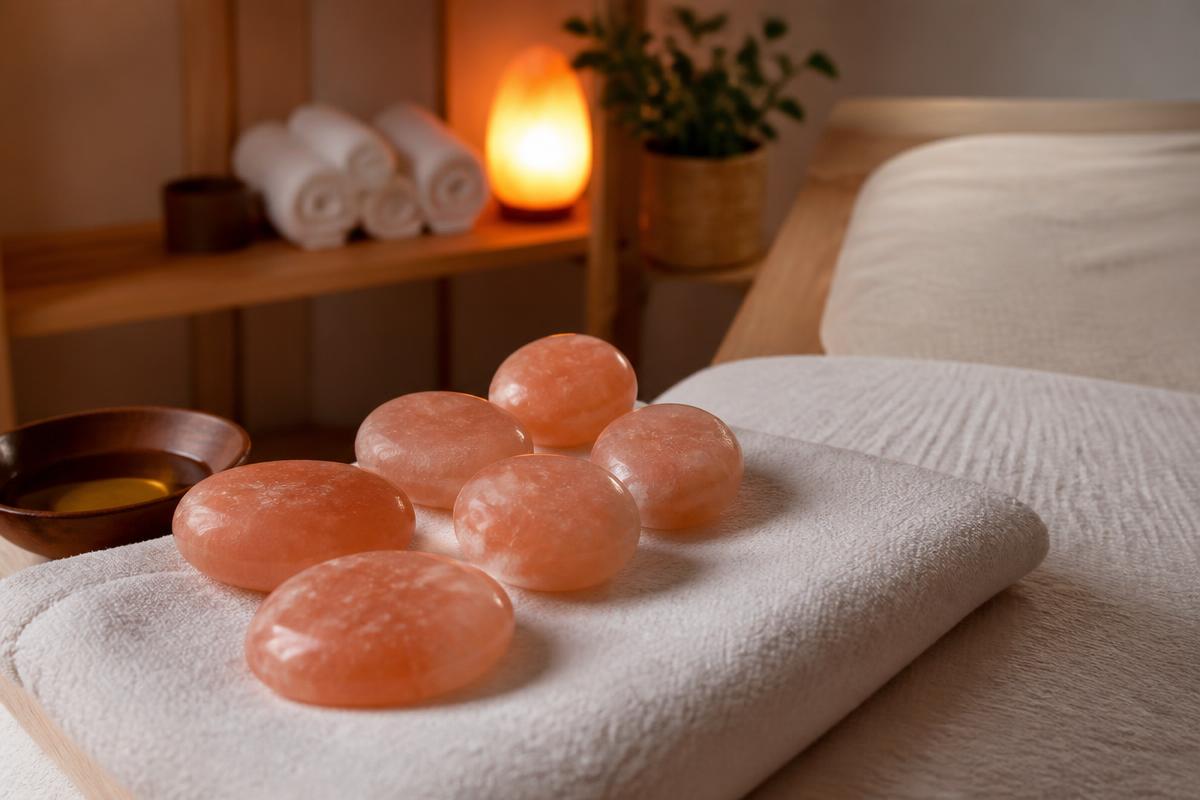
Back pain is the single most common reason patients walk into our clinic on Cavendish Boulevard. Most of the time it is not a disc, not arthritis and not something that needs imaging — it is muscle and fascia that have been held in a protective state for weeks or months. That kind of pain responds remarkably well to a combination we use daily at Réhabital in Côte Saint-Luc: clinical therapeutic massage paired with the sustained mineral heat of hot Himalayan salt stones.
Why most back pain is muscular
The lumbar region carries load all day, in positions it was never designed to hold for eight hours. Prolonged sitting shortens the hip flexors and switches off the glutes; the lumbar paraspinals and quadratus lumborum take over as postural stabilizers and never get to rest. Add asymmetric loading — a bag on one shoulder, a child on one hip, a car seat that tilts you slightly — and you get a pattern where one side of the low back does more work than the other.
What patients feel is stiffness in the morning, a deep ache after sitting, a band of tightness across the belt line, sometimes a sharp catch when twisting. What we find on the table is dense, tender, poorly circulated tissue: paraspinals that feel like cable, a quadratus lumborum that reproduces the exact pain when pressed, glutes that are far more involved than the patient expected. None of that shows up on an X-ray, and all of it responds to hands.
What therapeutic massage actually is
A therapeutic massage is not a relaxation massage with more pressure. The difference is intent and structure. Your therapist starts with a short assessment: where the pain is, what provokes it, what relieves it, how you sleep, how you sit, what you have already tried. They then palpate to map which structures are involved and build a plan for the session — and usually for the next three or four.
The work itself is regional and progressive. Broad warming strokes first, then longitudinal work along the paraspinals, cross-fibre work across the thoracolumbar fascia, sustained pressure on trigger points that reproduce your referred pain, then gluteal and hip work because the lumbar spine rarely misbehaves alone. Pressure is graded to what your tissue tolerates that day, not to a fixed idea of "deep". Our therapeutic massage page details the approach, and this comparison explains which to book.
Where the hot salt stones come in
Himalayan salt stones are carved from pink rock salt deposits at the foot of the Himalayas. Their crystalline structure absorbs heat slowly and releases it slowly and evenly — and that single physical property is what makes them clinically useful. Basalt stones, the classic hot stone material, feel sharply hot on first contact and cool quickly. Salt stones hold an enveloping warmth for much longer, which lets the therapist keep uninterrupted contact and lets heat penetrate through the tissue instead of sitting on the surface.
We are deliberately honest about this: the benefit is heat and glide, not mineral absorption through the skin, and not detoxification. No serious evidence supports those claims. What sustained heat does support is well documented:
- Vasodilation — local blood flow rises, bringing oxygen into tissue that has been under-perfused for weeks and clearing metabolic irritants.
- Lower muscle tone — warmth raises the threshold of protective guarding, so the muscle stops defending itself and finally lets the therapist in.
- Better tissue extensibility — warm collagen and fascia deform more readily, so the same pressure achieves more with less pain. Our article on fascia and lower back stiffness covers this in depth.
- Pain modulation — thermal input competes with pain input at the spinal cord, which is why heat feels soothing within seconds.
- Parasympathetic shift — steady warmth plus slow rhythmic pressure moves the autonomic nervous system out of the alert state that created the tension in the first place.
That last mechanism is the one patients underestimate. Chronic back tension is very often a nervous-system problem expressed in muscle. Treatments that calm the system hold longer than treatments that only push on tissue.
Why the combination beats either one alone
Heat alone feels wonderful and changes little by the next morning. Deep therapeutic work alone on cold, guarded tissue is uncomfortable, and discomfort makes people brace — which is exactly what you are trying to undo. Sequencing them solves both problems: warm the region until the tissue genuinely gives, then do the precise clinical work while it is receptive, then finish with slower strokes so the nervous system consolidates the change.
In practice this means we reach the quadratus lumborum, the deep gluteal layer and the thoracolumbar fascia — the three structures most responsible for stubborn low back pain — at a depth that a cold session simply cannot access comfortably.
What a session looks like at Réhabital
- Intake and assessment. Health history, contraindications, pain map, pressure preference and heat tolerance. Five to ten minutes, and it changes everything that follows.
- Stone preparation. Stones warmed in a controlled heater to roughly 50 to 55°C, always temperature-tested before contact.
- Warming phase. Stones placed along the spine and over the areas of greatest tension while the therapist works adjacent regions with Swedish strokes.
- Gliding phase. The stones become tools in the therapist's hands: long strokes along the paraspinals, circular work over the glutes, cross-fibre work across the fascia.
- Focused therapeutic release. Hands and stones alternate on specific trigger points and dense bands — the part of the session that produces the change.
- Integration. Slower, lighter strokes and a few minutes of stillness. This is when the nervous-system effect settles.
- Home plan. Two or three things to do or stop doing: a position to avoid, a short mobility sequence, a sleep adjustment.
Sessions run 60 or 90 minutes. For a low back complaint we recommend 90, because the hips, glutes and mid-back all deserve time alongside the warming phase.
Who benefits most
- Desk workers with chronic lumbar and upper-trapezius tightness.
- People whose muscle tension is fed by stress and broken sleep.
- Patients who find cold deep tissue massage too intense but need real depth.
- Active adults in a recovery week between training blocks.
- Older patients who tolerate heat well and prefer gentler pressure.
- Anyone whose back never seems to warm up through a Montreal winter.
When massage is not the right first step
Some presentations need assessment before hands-on relaxation work. Pain radiating below the knee, numbness, tingling or weakness in the leg, bladder or bowel changes, unexplained weight loss, fever, night pain that wakes you, or a significant recent trauma — those need a clinical evaluation, and in some cases a physician. If your pain radiates, our guides on sciatica and posture and back pain treatment are the right starting points, with osteopathy or physiotherapy leading the plan and massage supporting it.
Fitting it into a wider plan
Booked before an osteopathy session with Shahram Ghasemi, a warm therapeutic massage softens tissue and shortens the time needed to reach the restriction. After an exercise-heavy physiotherapy session with Colin Teghen Tamuton, it helps muscles recover. On its own, every two to four weeks, it is genuinely effective maintenance for people whose work or stress level keeps rebuilding the same pattern. Some patients alternate it with therapeutic massage for neck tension or the dedicated Himalayan salt stone massage.
Your therapists
Five massage therapists work at our Côte Saint-Luc clinic, each with their own strengths: Irina Kushnir (RMQ, 20+ years — Swedish, deep tissue, therapeutic), Cedik Elaiba (FQM — deep tissue, sport), Jeanne Andrea Rahantamalala (FQM — therapeutic, Swedish, deep tissue, prenatal, reflexology), Elena Caliniuc (AQTN — Swedish, reflexology, ayurvedic) and Liliana Ciocoi (Swedish massage). Tell us your pain pattern when you book and we will match you.
Getting the most from it
- Arrive a few minutes early — the parasympathetic effect starts before the stones do.
- Say immediately if a stone feels too hot. Comfort is the whole point.
- Drink water afterwards and keep the end of the day quiet if you can.
- Move gently the next day; a light walk consolidates the release.
- For a chronic pattern, book a series rather than a single session — four to six treatments produce lasting change.
Booking in Côte Saint-Luc
Therapeutic massage with hot Himalayan salt stones is available at our clinic in Cavendish Mall: free indoor parking, evening and Sunday availability, receipts for private insurance. Current rates for every duration are on our pricing page, and you can book online or explore all our massage therapy services.
Frequently asked questions
Related conditions we treat
Related articles
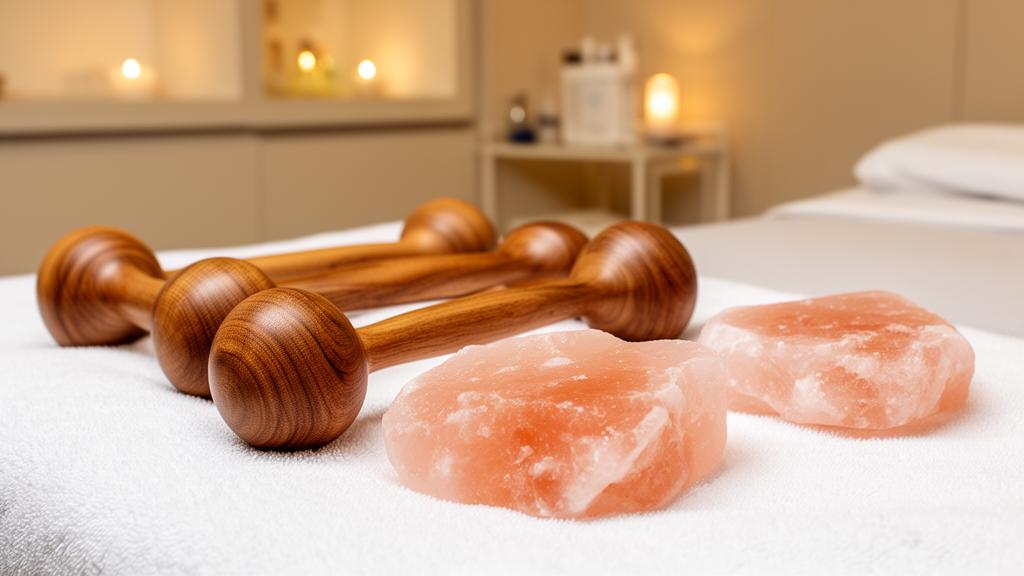
Himalayan Hot Salt Stone Massage: Heat, Minerals and Real Low Back Relief
Why the mineral heat of Himalayan salt stones releases tight muscles, calms the nervous system and eases chronic low back pain — and what a session looks like in Côte Saint-Luc.
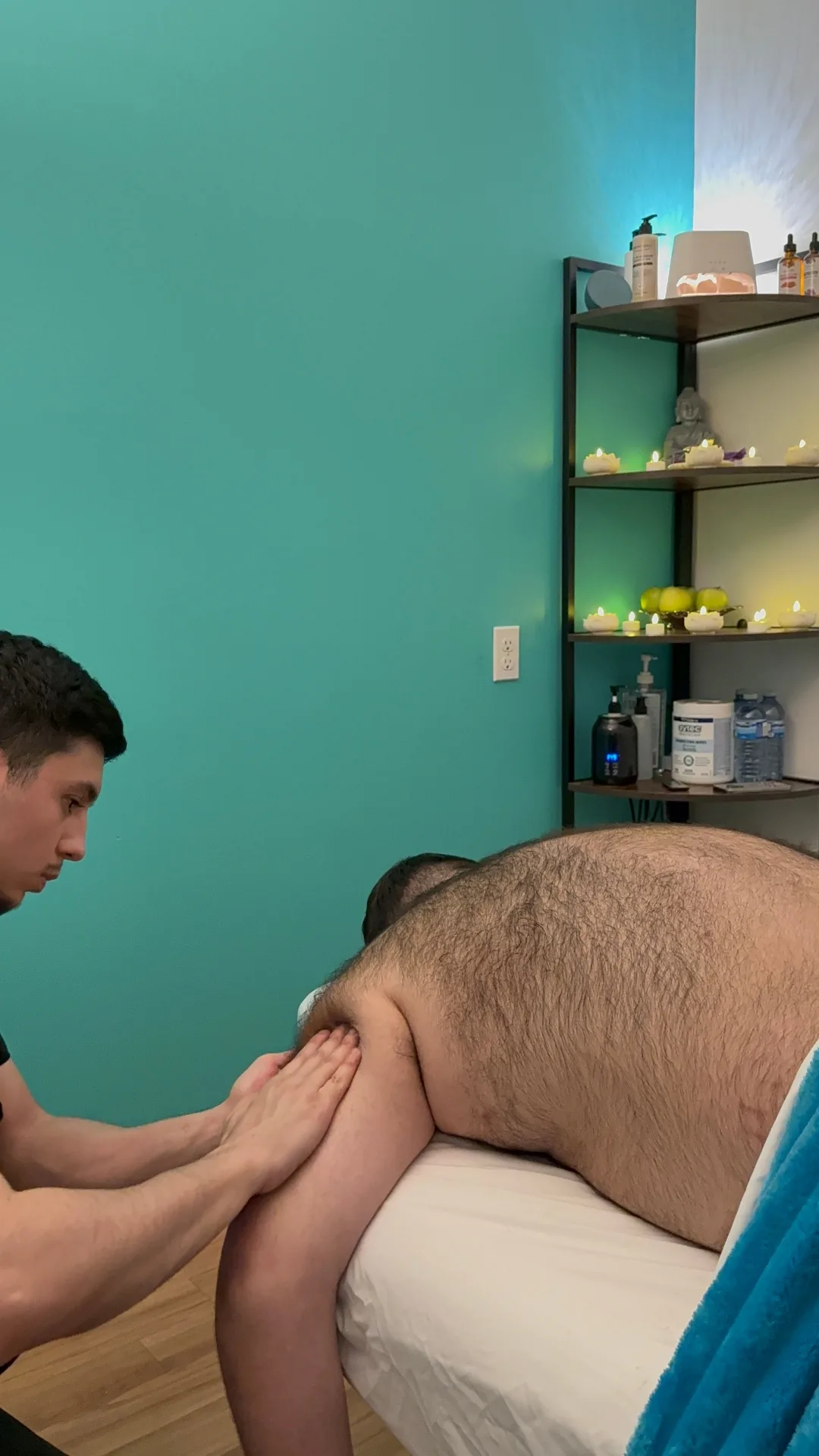
Therapeutic Massage in Côte Saint-Luc: Relieve Pain, Tension and Stress
Discover how therapeutic massage at Réhabital Clinic relieves muscle pain, improves circulation and restores your body's balance.
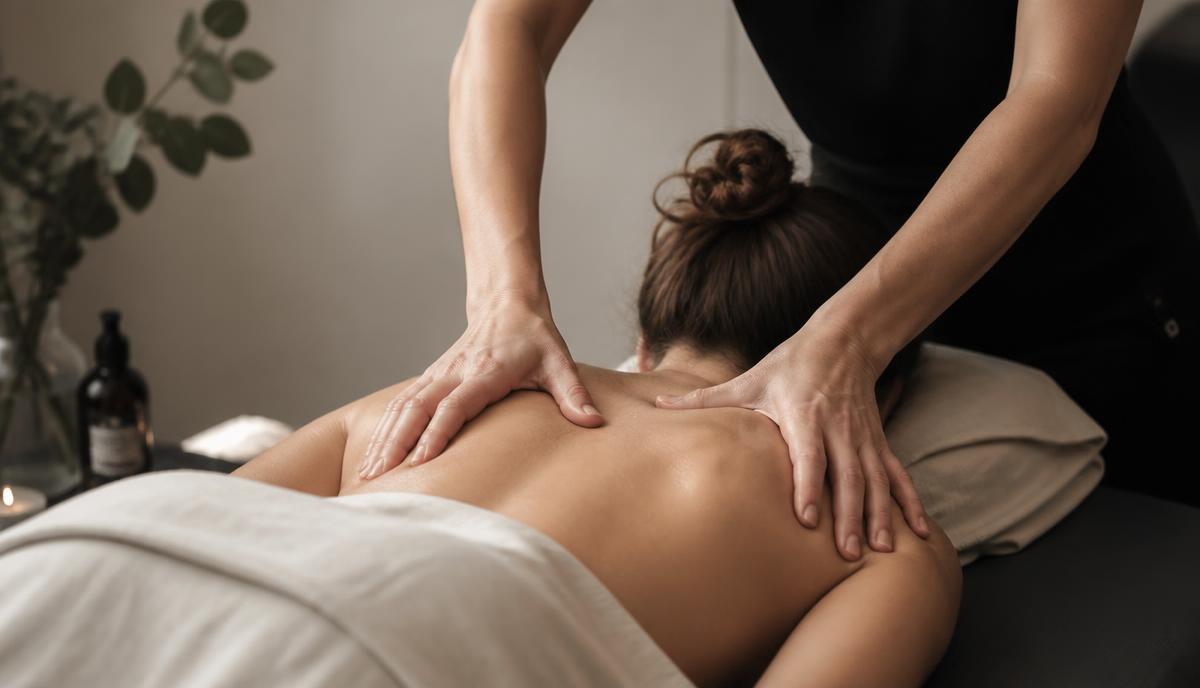
Muscle Knots and Cramps: Which Massage Type Actually Relieves Each Symptom?
A complete guide to muscle knots, trigger points and cramps: why they form, which massage types relieve them, and when to see a therapist in Côte Saint-Luc.
Every Type of Massage Therapy We Offer in Côte Saint-Luc — and Who Each One Is Really For
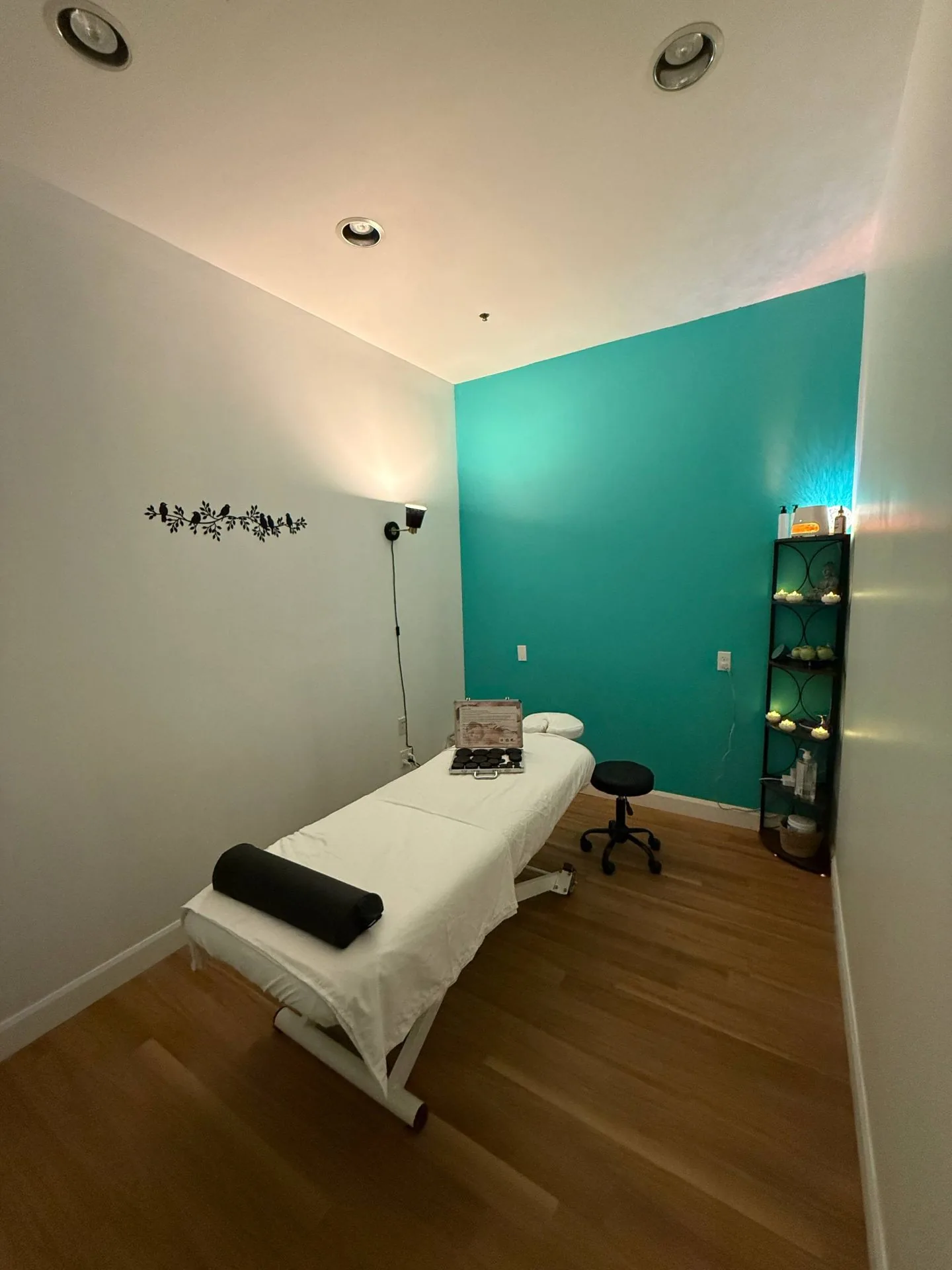
A complete guide to the 10 massage therapy modalities offered at Réhabital in Côte Saint-Luc: therapeutic, Swedish, deep tissue, prenatal, hot stone, Himalayan salt, lymphatic drainage, reflexology, belly massage and Ayurvedic. Who is each one really right for?
Deep Tissue Massage: Relieving Chronic Pain and Muscle Tension
Discover how deep tissue massage targets deep muscle layers to relieve chronic pain, improve mobility and accelerate recovery.
Tension Headaches: How Massage Therapy Relieves the Neck, Shoulders and Recurring Head Pain
A tight band around the head, a rock-solid neck, shoulders hiked to the ears: tension-type headache is the most common headache in the world and one of the most responsive to targeted massage therapy.