
Himalayan Hot Salt Stone Massage: Heat, Minerals and Real Low Back Relief
Why the mineral heat of Himalayan salt stones releases tight muscles, calms the nervous system and eases chronic low back pain — and what a session looks like in Côte Saint-Luc.
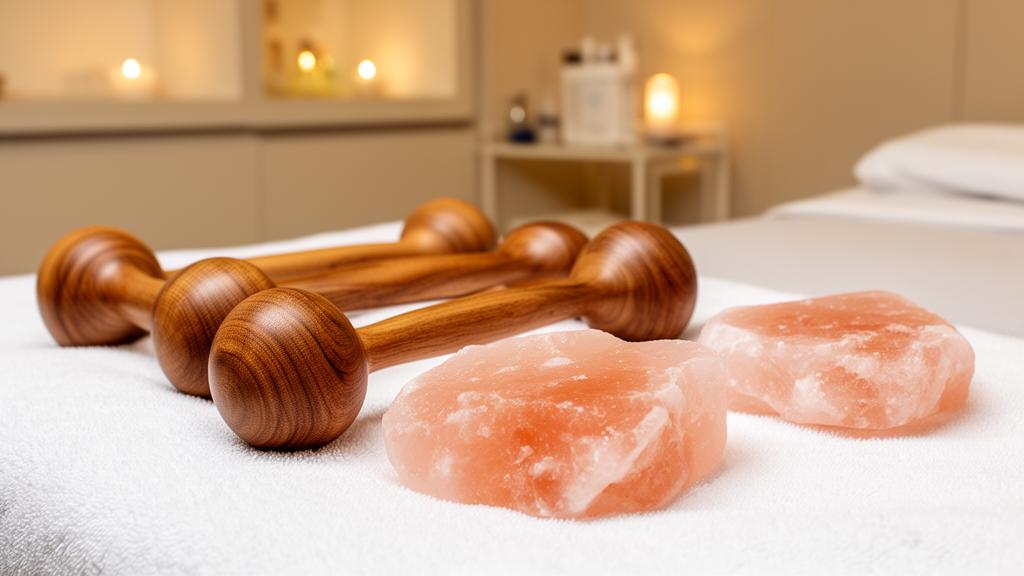
Some treatments are chosen for their technical precision. Others are chosen because the body simply lets go. The Himalayan hot salt stone massage offered at Réhabital in Côte Saint-Luc belongs firmly to the second category — and yet it is far more than a spa indulgence. For patients living with chronic muscular tightness and low back pain, sustained mineral heat is one of the most efficient ways we know to convince a guarded muscle to release.
What Himalayan salt stones actually are
The stones are carved from pink rock salt formed in the Punjab region at the foot of the Himalayas, deposits laid down over hundreds of millions of years. Their colour comes from trace minerals — iron, magnesium, potassium, calcium — and their crystalline structure gives them a property that matters clinically: they absorb heat slowly and release it slowly and evenly.
Basalt stones, the classic hot-stone material, cool relatively quickly and can feel sharply hot at first contact. Salt stones hold a steady, enveloping warmth for much longer, which lets the therapist maintain uninterrupted contact and lets the tissue warm through instead of just at the surface. Their smooth, slightly matte surface also glides differently on the skin — most patients describe the sensation as heavier and softer than basalt.
Why heat works on tight muscles
A chronically tight muscle is not simply short. It is a muscle held in a protective state by the nervous system, usually with reduced local circulation, accumulated metabolic irritants and increased sensitivity of the surrounding fascia. Applying sustained heat produces several changes at once:
- Vasodilation — local blood flow increases, bringing oxygen and clearing metabolites from tissue that has been under-perfused for weeks.
- Reduced muscle tone — warmth lowers the firing threshold of protective muscle guarding, so the muscle stops defending itself.
- Improved tissue extensibility — warm collagen and fascia deform more readily, which means the same pressure achieves more with less discomfort. Our article on fascia, back pain and stiffness explains this mechanism in depth.
- Pain modulation — thermal input competes with nociceptive input at the spinal level, which is why heat feels immediately soothing.
- Parasympathetic shift — sustained warmth plus slow rhythmic pressure moves the autonomic nervous system out of the alert state that keeps muscles tense in the first place.
That last point is the one patients underestimate. Chronic back tension is very often a nervous-system problem expressed in muscle. Treatments that calm the system produce longer-lasting muscular results than treatments that only push on tissue.
Low back pain: why this treatment suits it so well
The vast majority of low back pain seen in clinic is mechanical and muscular in origin: lumbar paraspinals, quadratus lumborum, gluteal muscles and the thoracolumbar fascia, irritated by prolonged sitting, asymmetric loading, poor sleep positions or simply stress. These are deep, thick tissues that respond poorly to fast, superficial work and very well to heat followed by patient, progressive pressure.
In a salt stone session for low back pain, the therapist typically warms the entire lumbar and gluteal region with stones held in place for several minutes before any deep work begins. By the time direct pressure is applied, the tissue is already softened, and the treatment reaches layers that would have been guarded and painful in a cold session. The quadratus lumborum in particular — a frequent source of one-sided low back pain — is far more accessible once heated.
If your back pain radiates into the leg, includes numbness, tingling or weakness, that is a different picture and needs assessment first; our guides on sciatica and posture and our sciatica page are the right starting points, and osteopathy or physiotherapy would lead the plan.
What a session looks like at Réhabital
- Brief intake. Your therapist reviews health history, contraindications, pain areas, pressure preference and heat tolerance.
- Stone preparation. Stones are warmed in a controlled heater to roughly 50 to 55°C and always temperature-tested before touching your skin.
- Warming phase. Stones are placed along the spine and on the areas of greatest tension, and left to work while the therapist begins classic Swedish strokes on adjacent regions.
- Gliding phase. Held in the therapist's hands, the stones become working tools: long gliding strokes along the paraspinals, circular work over the glutes, cross-fibre work across the thoracolumbar fascia.
- Focused release. Once the tissue is warm, the therapist alternates stones and hands to work specific trigger points and dense bands with far less discomfort than cold deep tissue work.
- Integration. The session finishes with slower, lighter strokes and a few minutes of stillness, which is when the nervous-system effect consolidates.
Sessions are 60 or 90 minutes. For a low back complaint we recommend 90 minutes, because the hips, glutes and mid-back all contribute and deserve time.
Who benefits most
- Desk workers with chronic lumbar and upper-trapezius tightness.
- Patients with stress-driven muscle tension and poor sleep.
- People who find deep tissue massage too intense but need real depth.
- Athletes and active adults in a recovery week.
- Older patients who tolerate heat well and prefer gentler pressure.
- Anyone in the Montreal winter whose muscles simply never seem to warm up.
Precautions
Heat-based treatment is not for everyone. Tell us in advance if you have uncontrolled high blood pressure, significant cardiovascular disease, diabetes with reduced skin sensation, active inflammation or infection, recent injury with swelling, skin lesions or a sunburn in the treatment area, or if you are pregnant. In several of these situations a modified, cooler protocol or a different technique is the better choice, and we will say so.
Combining it with your treatment plan
Salt stone massage works beautifully as part of a multidisciplinary plan. Booked before an osteopathy session, it softens tissue and shortens the time the osteopath needs to reach the restriction. Booked after a physiotherapy loading session, it helps the muscles recover. Booked on its own every two to four weeks, it is a genuinely effective maintenance strategy for people whose work or stress level keeps re-creating the same tension pattern. Patients who prefer a more targeted approach often alternate it with therapeutic massage for neck and shoulder tension.
Getting the most out of it
- Arrive a few minutes early so you are not rushing — the parasympathetic effect starts before the stones do.
- Tell your therapist immediately if any stone feels too hot; comfort is the whole point.
- Drink water afterwards and keep the rest of the day calm if you can.
- Move gently the next day — light walking helps consolidate the release.
- For chronic patterns, book a series rather than a single session; four to six treatments produce change that lasts.
Booking in Côte Saint-Luc
The Himalayan hot salt stone massage is available at our Cavendish Boulevard clinic in Côte Saint-Luc, with free parking, evening and weekend availability, and receipts for private insurance. You can book online or explore all of our massage therapy services.
Frequently asked questions
Related conditions we treat
Related articles
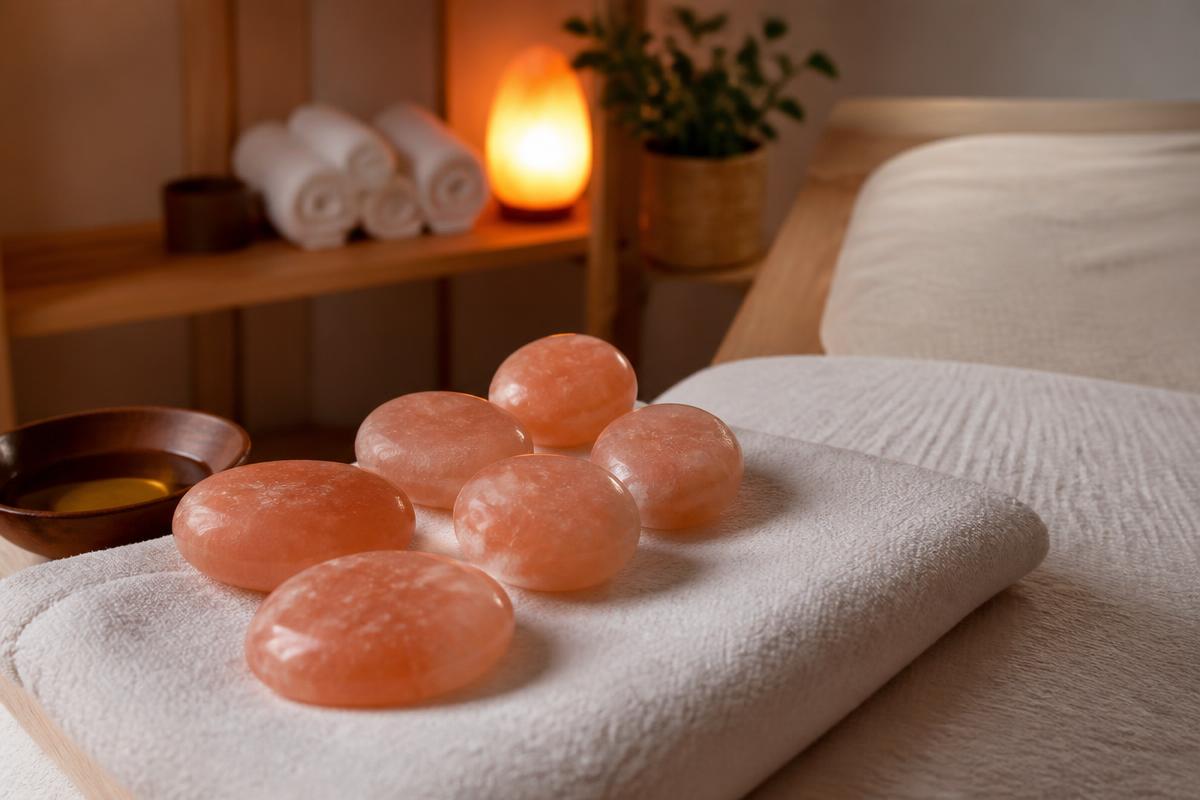
Therapeutic Massage and Hot Salt Stones: Clearing Back and Low Back Pain
How our massage therapists combine clinical therapeutic massage with the mineral heat of Himalayan salt stones to release back muscles, calm the nervous system and produce lasting relief from low back pain in Côte Saint-Luc.
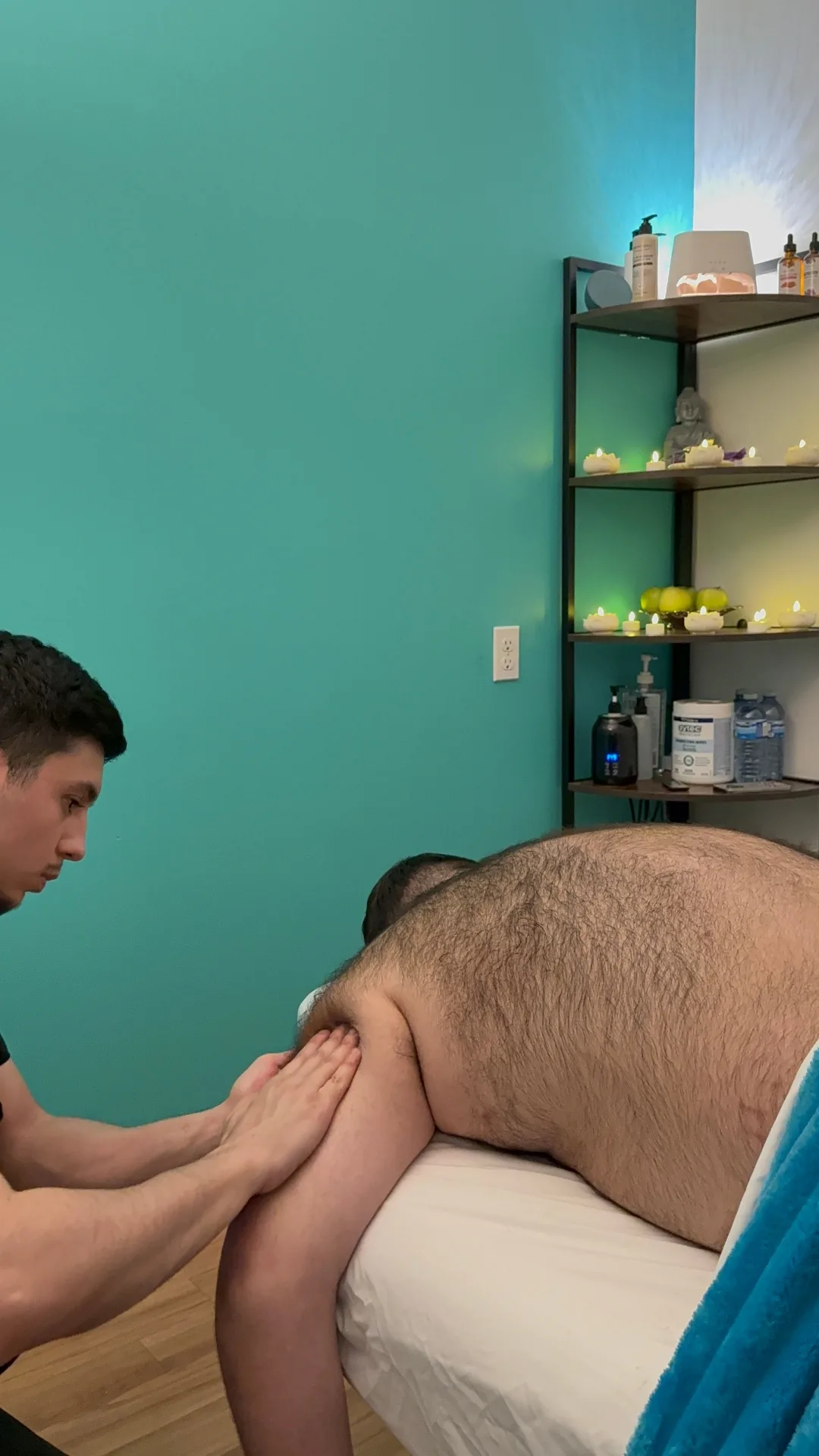
Therapeutic Massage in Côte Saint-Luc: Relieve Pain, Tension and Stress
Discover how therapeutic massage at Réhabital Clinic relieves muscle pain, improves circulation and restores your body's balance.
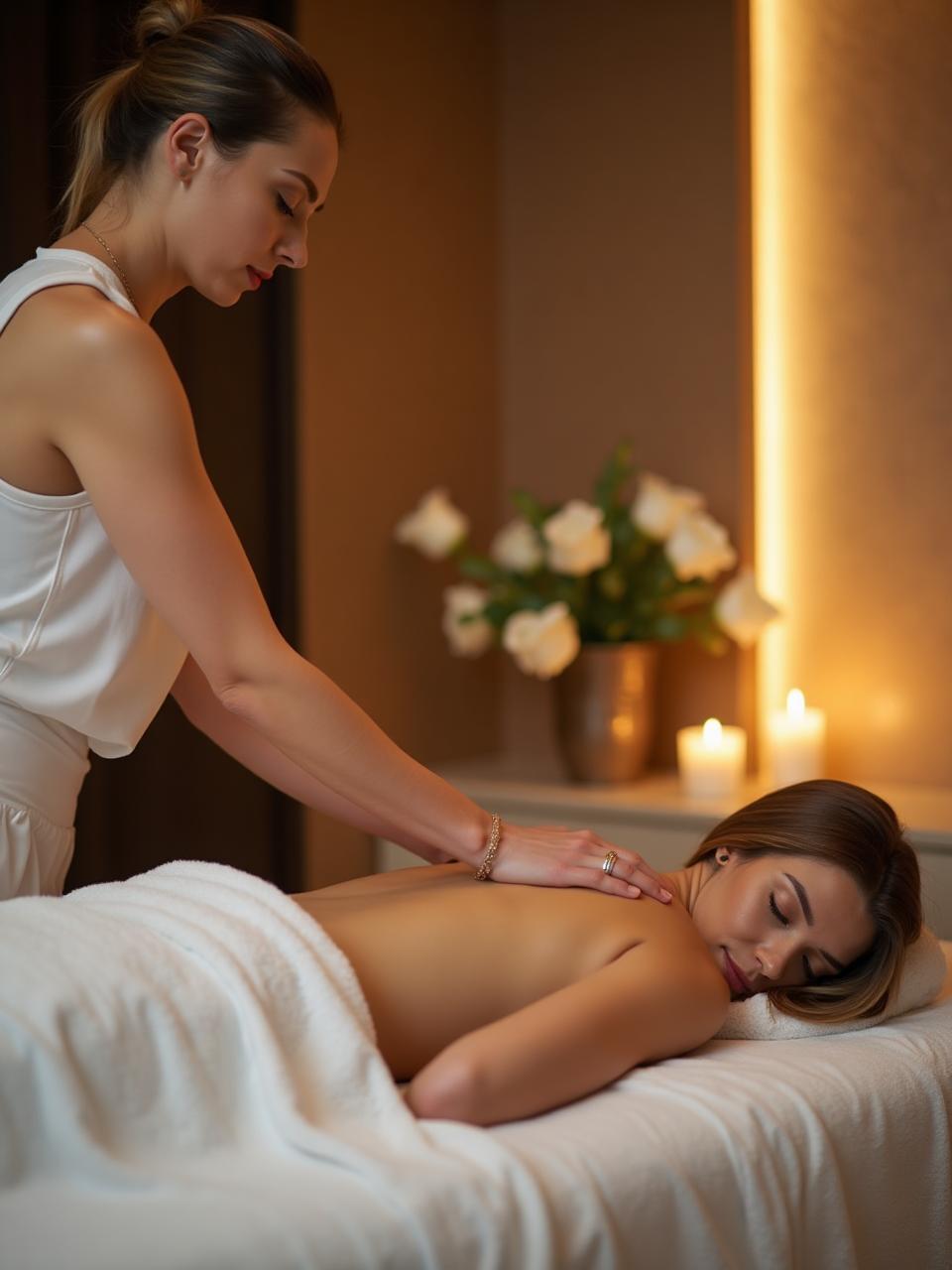
Deep Tissue Massage: Relieving Chronic Pain and Muscle Tension
Discover how deep tissue massage targets deep muscle layers to relieve chronic pain, improve mobility and accelerate recovery.
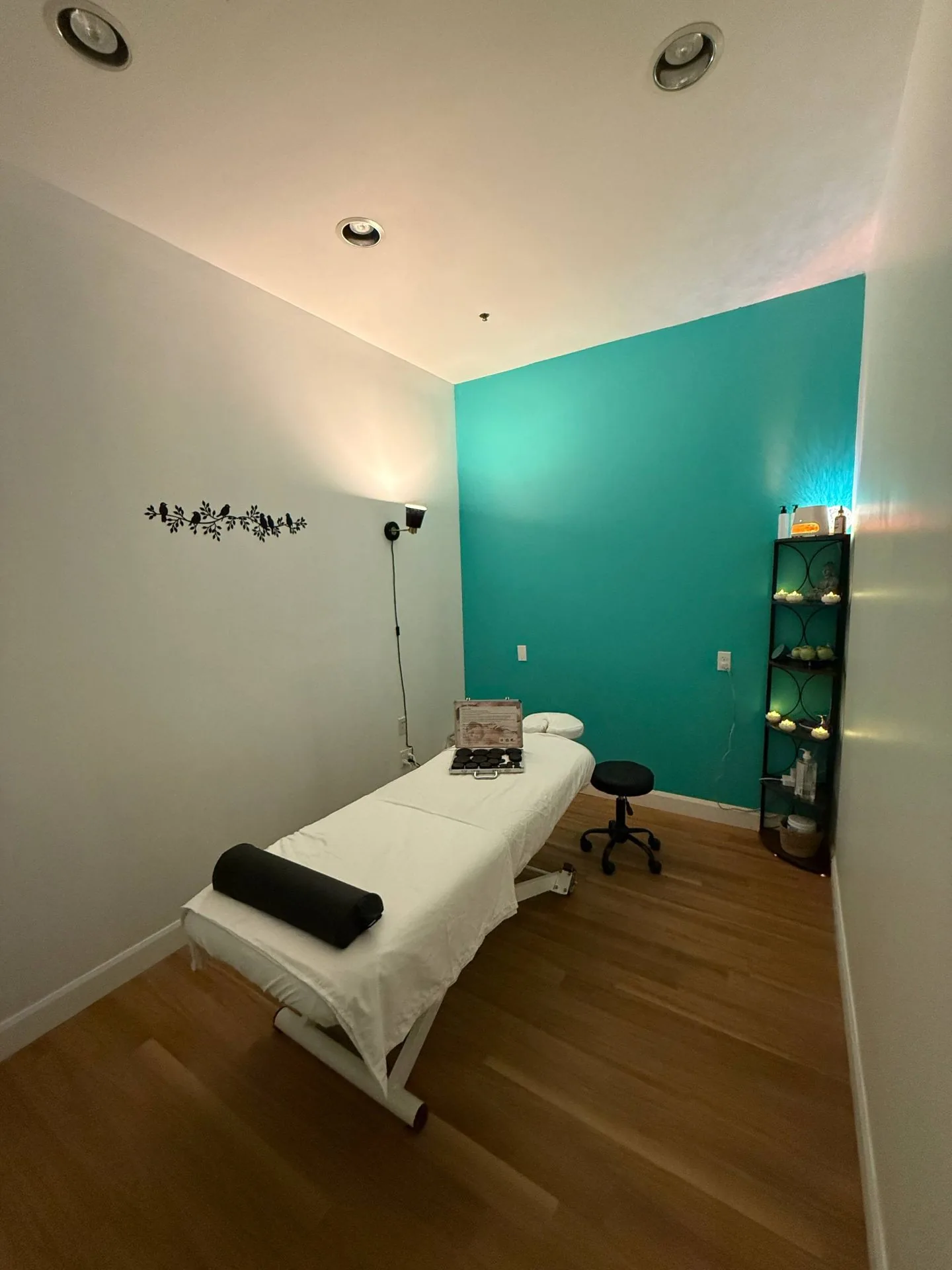
Every Type of Massage Therapy We Offer in Côte Saint-Luc — and Who Each One Is Really For
A complete guide to the 10 massage therapy modalities offered at Réhabital in Côte Saint-Luc: therapeutic, Swedish, deep tissue, prenatal, hot stone, Himalayan salt, lymphatic drainage, reflexology, belly massage and Ayurvedic. Who is each one really right for?
Prenatal Massage: Proven Benefits and How It Helps Prepare the Body for an Easier Labour
How prenatal massage eases lower-back pain, softens the pelvis, calms the nervous system and concretely prepares the body for a shorter, more comfortable labour — our trimester-by-trimester protocol in Côte Saint-Luc.
Deep Tissue Massage: Your Comprehensive Guide to Unlocking Relief at Réhabital in Côte Saint-Luc
Explore the world of Deep Tissue Massage. Learn what it is, its benefits, who can benefit and what to expect from a session at Réhabital, your trusted clinic in Côte Saint-Luc, Montreal.