
Deep Tissue Massage: Relieving Chronic Pain and Muscle Tension
Discover how deep tissue massage targets deep muscle layers to relieve chronic pain, improve mobility and accelerate recovery.
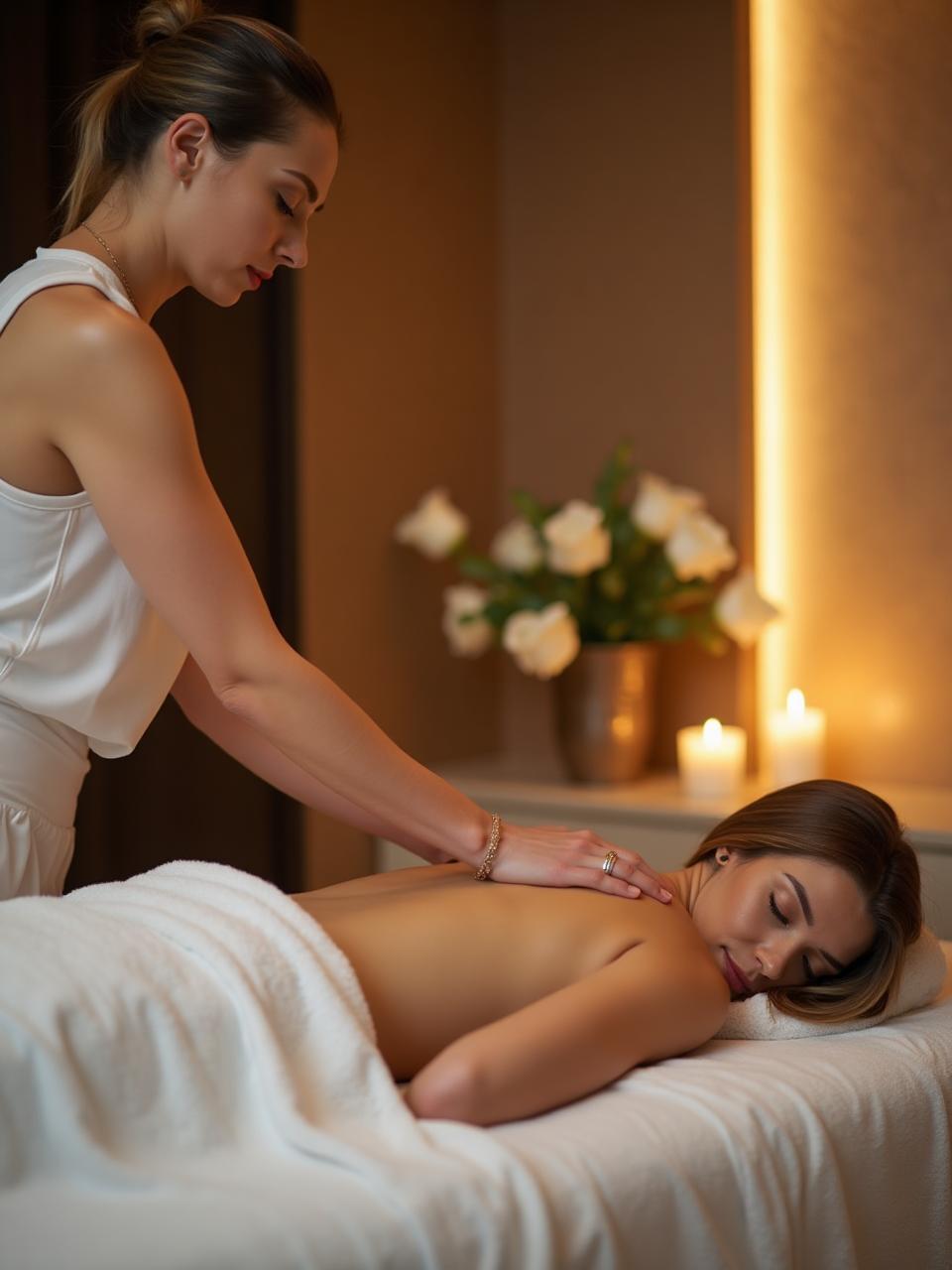
What is Deep Tissue Massage?
Deep tissue massage is an advanced therapeutic technique that targets the deeper layers of muscles, tendons and fascia. Unlike Swedish massage which focuses on overall relaxation, deep tissue massage uses sustained pressure and slow strokes to reach deep-seated muscular structures where chronic tensions and tissue adhesions reside.
At Clinique Réhabital in Côte Saint-Luc, our certified massage therapists master this technique to provide targeted, lasting relief. With over 10,000 sessions performed, our team has the expertise to adapt pressure and techniques to each patient.
The Science Behind Deep Tissue Massage
- Fascial adhesion release — Fascia can become rigid and form adhesions from stress, injuries, or immobility. Sustained pressure breaks these adhesions and restores normal gliding between tissue layers.
- Trigger point deactivation — Trigger points are areas of permanent contraction sending distant pain signals. Ischemic compression temporarily cuts blood supply, then release causes a rush of oxygenated blood that relaxes the muscle fiber.
- Chronic inflammation reduction — A 2012 study in Science Translational Medicine demonstrated that massage reduces inflammatory cytokines (NF-κB) and stimulates mitochondrial biogenesis.
- Pain modulation — Gate control theory explains how deep pressure activates large-diameter nerve fibers that “close the gate” to pain signals.
Proven Benefits of Deep Tissue Massage
- Chronic pain relief — Effective against persistent back, neck and shoulder pain. Studies show 36% pain reduction after just 10 days. Back pain treatment →
- Muscle tension reduction — Releases muscle knots responsible for referred pain.
- Improved joint mobility — Restores range of motion limited by tissue adhesions.
- Accelerated sports recovery — Reduces recovery time after intense training.
- Blood pressure reduction — Studies show significant decreases after a 45-minute session.
- Posture improvement — Releases shortened muscles (pectorals, hip flexors, upper trapezius) contributing to postural imbalances.
- Post-surgical scar reduction — Deep tissue work softens scars and restores tissue mobility. Post-surgery rehabilitation →
Who is it Recommended For?
- People with chronic pain who haven't responded to relaxation massages
- Athletes in recovery or preparation — hockey, running, CrossFit, tennis
- Those with poor posture from desk work — upper and lower crossed syndrome
- People with recurring injuries or tissue scarring
- Those with fibromyalgia or myofascial syndrome
- Manual workers with repetitive strain tensions
Techniques Used During a Session
- Stripping — Deep gliding pressure along muscle fibers with thumb, elbow, or forearm
- Cross-fiber friction — Pressure perpendicular to muscle fibers to break adhesions
- Ischemic compression — Sustained pressure on trigger points for 30-90 seconds
- Myofascial release — Slow, sustained fascial stretching to restore elasticity
- Elbow and forearm techniques — Allow deeper pressure without fatiguing hands
Deep Tissue vs Swedish Massage
Swedish massage uses long, flowing strokes with light to moderate pressure. It's ideal for general relaxation and stress reduction.
Deep tissue massage applies more intense, targeted pressure to reach deep muscle layers, delivering deeper, longer-lasting therapeutic results.
At Réhabital, our therapists can combine both approaches — starting with Swedish techniques to warm tissues before deepening the work.
What to Expect During a Session
- Pain area assessment — In-depth discussion of symptoms and therapeutic goals
- Palpatory tests — Precise identification of trigger points and adhesions
- Pressure adaptation — Constant communication during the session
- Methodical work — Systematic progression from superficial to deep layers
- Personalized plan — Session frequency, stretching exercises and posture modifications
Mild tenderness for 24-48 hours after the session is normal. Adequate hydration is recommended.
How Many Sessions Are Needed?
- Recent acute tension — 1-3 sessions for significant relief
- Chronic pain (3+ months) — 6-10 weekly sessions, then gradual spacing
- Preventive maintenance — Monthly or bi-monthly sessions
- Athletes — Regular sessions adapted to training schedule
Frequently Asked Questions
Does deep tissue massage hurt?
You may feel moderate discomfort, often described as “good pain.” Pressure is always adapted to your tolerance.
Is it covered by insurance?
Yes. Most private insurance plans in Quebec cover massage therapy. We provide receipts for reimbursement.
Can I combine with other treatments?
Absolutely. Deep tissue massage combines effectively with osteopathy → or physiotherapy →.
Book Your Appointment
Whether you're from Hampstead, Westmount, NDG, or anywhere in Montreal, book your deep tissue massage at Clinique Réhabital in Côte Saint-Luc and rediscover pain-free mobility.
Frequently asked questions
Related articles
Therapeutic Massage in Côte Saint-Luc: Relieve Pain, Tension and Stress
Discover how therapeutic massage at Réhabital Clinic relieves muscle pain, improves circulation and restores your body's balance.
Muscle Knots and Cramps: Which Massage Type Actually Relieves Each Symptom?
A complete guide to muscle knots, trigger points and cramps: why they form, which massage types relieve them, and when to see a therapist in Côte Saint-Luc.
Deep Tissue Massage: Your Comprehensive Guide to Unlocking Relief at Réhabital in Côte Saint-Luc
Explore the world of Deep Tissue Massage. Learn what it is, its benefits, who can benefit and what to expect from a session at Réhabital, your trusted clinic in Côte Saint-Luc, Montreal.
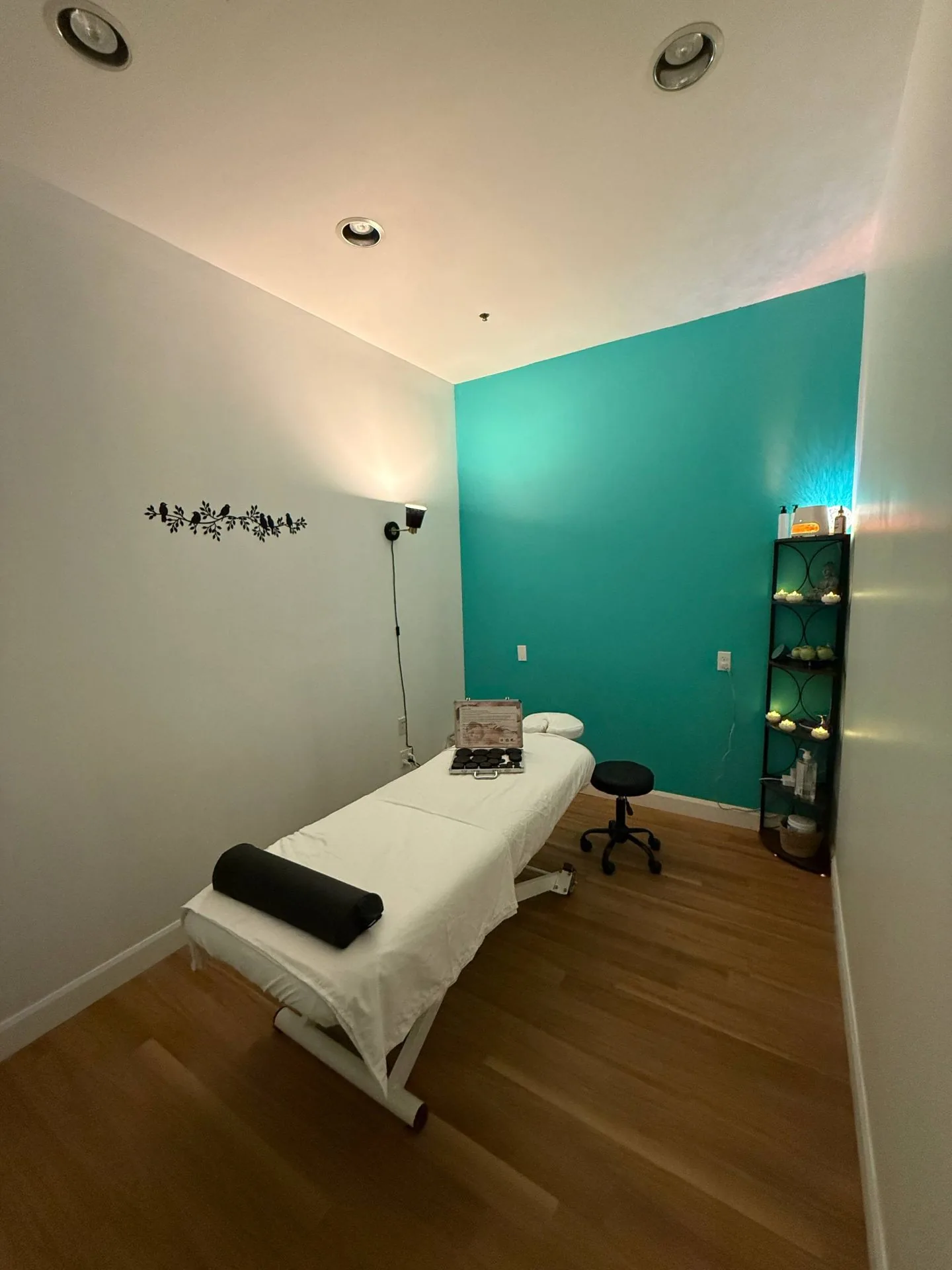
Every Type of Massage Therapy We Offer in Côte Saint-Luc — and Who Each One Is Really For
A complete guide to the 10 massage therapy modalities offered at Réhabital in Côte Saint-Luc: therapeutic, Swedish, deep tissue, prenatal, hot stone, Himalayan salt, lymphatic drainage, reflexology, belly massage and Ayurvedic. Who is each one really right for?
Benefits of Massage Therapy for Stress and Anxiety Relief
How massage therapy reduces cortisol, improves sleep and relieves anxiety. Recommended massage types in Côte Saint-Luc.
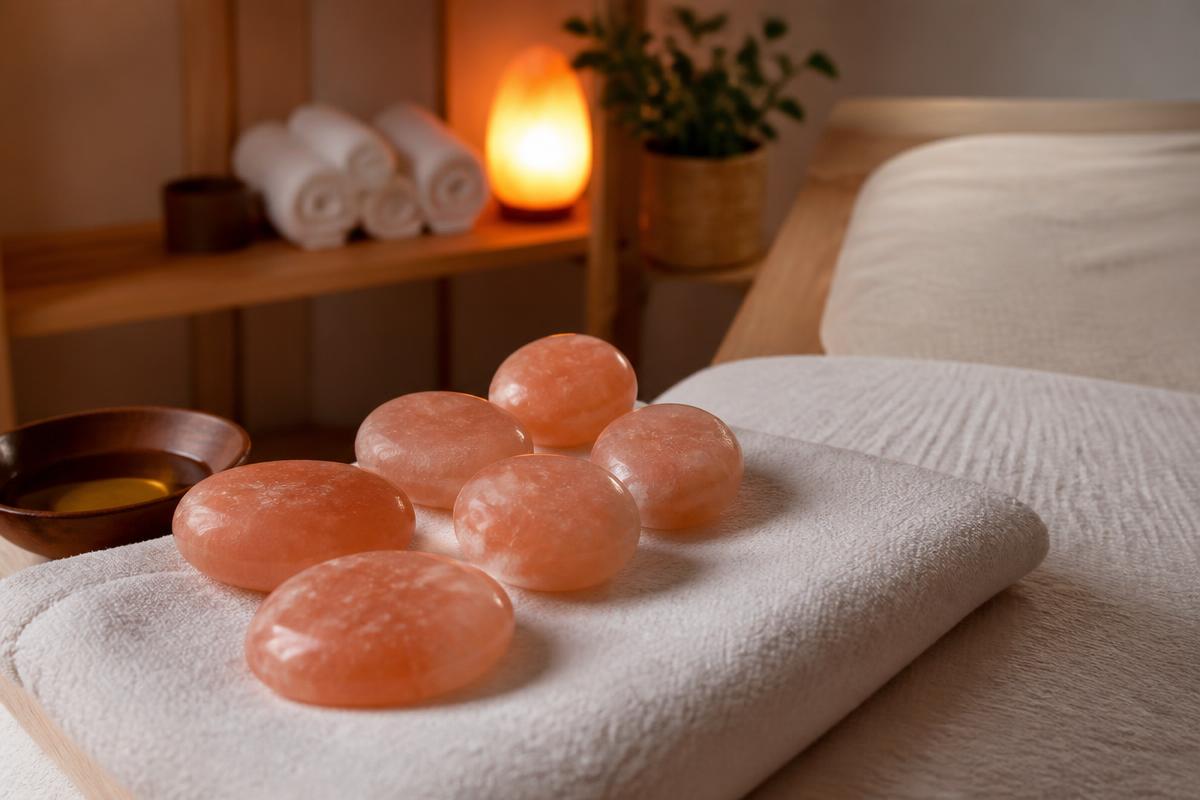
Therapeutic Massage and Hot Salt Stones: Clearing Back and Low Back Pain
How our massage therapists combine clinical therapeutic massage with the mineral heat of Himalayan salt stones to release back muscles, calm the nervous system and produce lasting relief from low back pain in Côte Saint-Luc.