
Muscle Knots and Cramps: Which Massage Type Actually Relieves Each Symptom?
A complete guide to muscle knots, trigger points and cramps: why they form, which massage types relieve them, and when to see a therapist in Côte Saint-Luc.
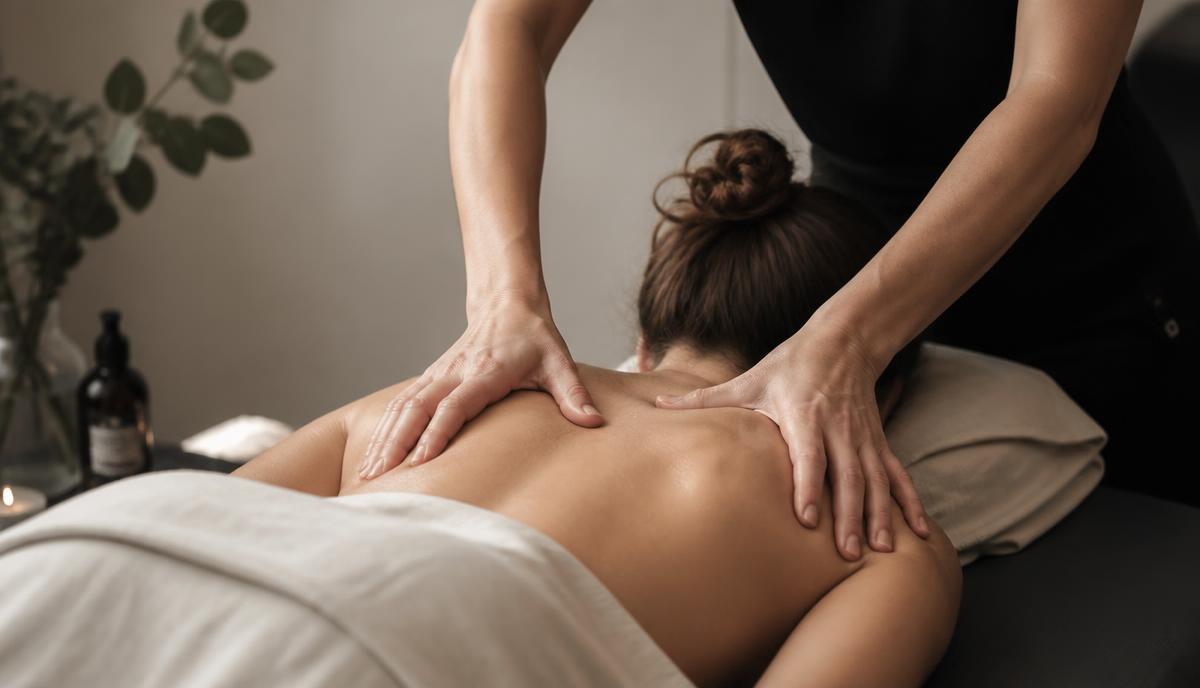
Muscle Knots and Cramps: When Massage Becomes the Right Tool
Most people have felt a hard, tender lump in a shoulder or upper back and described it as a “knot.” Some wake up at night with a calf cramp that twists the muscle into a painful ball. These two experiences feel similar but are not the same, and the massage that fixes one is not always the best choice for the other. At Réhabital in Côte Saint-Luc, our massage therapists treat both every day, often blending several techniques in the same session to match what the tissue actually needs.
This article explains what muscle knots and cramps really are, why they form, and which massage modality gives the fastest, safest relief for each presentation. By the end you will know whether to book a therapeutic session, a deep tissue session, Swedish relaxation, hot stone work, or a combination — and what to do between appointments so the relief lasts.
What a Muscle Knot Actually Is
A muscle knot is a localized band of muscle fibers that stays partially contracted after use. Clinically these are called myofascial trigger points. They can be active, producing pain in a nearby area, or latent, producing tenderness only when pressed. Common locations include the upper trapezius, levator scapulae, sub-occipital muscles, glutes, calves and the muscles along the shoulder blade.
Knots form for a few predictable reasons: sustained posture, repetitive movement, emotional stress, dehydration, poor sleep, sudden overload in the gym, or compensation after an injury. The muscle is not literally tied, but a small group of motor units keeps firing, reducing local blood flow and creating a tender, guarded spot. The brain then protects the area, limiting range of motion and encouraging the surrounding muscles to tighten further.
This is why stretching alone often fails. You cannot stretch a knot out because the nervous system is keeping that small section contracted. Targeted pressure, sustained long enough for the nervous system to “let go,” is usually required. That is the central idea behind trigger-point therapy and deep tissue massage.
How a Cramp Differs From a Knot
A cramp is a sudden, involuntary contraction of an entire muscle. It peaks within seconds, may last from a few seconds to several minutes, and often leaves the muscle tender for a day. Cramps are commonly caused by electrolyte imbalance, dehydration, muscle fatigue, nerve irritation, medication side effects or pregnancy. They are more common in the calves, hamstrings, feet and hands.
Massage can help after the cramp resolves, but aggressive pressure during an active cramp is usually counterproductive. Once the cramp passes, gentle flushing strokes, light stretching and work on the neighboring muscles can reduce the chance of recurrence. If cramps are frequent, it is worth asking whether the calves or feet are chronically overloaded, whether hydration or magnesium status is adequate, and whether there is an underlying nerve or vascular issue.
Therapeutic Massage: The Default for Knots
Therapeutic massage is the most direct answer for persistent knots. The therapist begins with an intake to understand where the pain is, how long it has been present, what makes it better or worse, and what daily habits may be feeding it. Palpation then identifies the exact hypertonic band, and the treatment combines sustained compression, stripping along the muscle fibers, cross-fiber friction and gentle range-of-motion work.
At Réhabital, Irina Kushnir, Jeanne Andrea Rahantamalala and Cedik Elaiba all provide therapeutic, deep tissue, Swedish and trigger-point work. Their sessions are documented and eligible for insurance receipts. If your complaint is “I have a painful lump under my shoulder blade that won’t go away,” a therapeutic session is the right first choice.
Deep Tissue Massage: Releasing Chronic, Layered Tension
Deep tissue massage uses slower, more focused pressure to reach deeper muscle layers and the surrounding fascia. It is especially useful when knots are chronic, layered under other muscles, or accompanied by broad stiffness. The therapist may use knuckles, forearms or elbows to apply sustained pressure, but the work should never feel injurious.
There is a common misconception that deeper is always better. In reality, pressure that makes you hold your breath or brace your muscles triggers a protective reflex and can worsen the knot. A good deep tissue therapist stays within a productive discomfort range — roughly six to seven out of ten — and checks in often. Communication is part of the treatment.
Deep tissue work is ideal for desk-related neck and shoulder knots, chronic low-back tension, hip and glute tightness from sitting or training, and postural overload. It pairs well with a follow-up Swedish or hot stone session to help the nervous system integrate the release.
Swedish Massage: Calming the Nervous System First
Swedish massage is not usually the first choice for a single stubborn knot, but it is a powerful option when knots are stress-driven or when the patient’s nervous system is highly sensitized. Long, gliding strokes, gentle kneading and rhythmic compressions shift the body from fight-or-flight into rest-and-repair. Once the nervous system relaxes, the therapist can gradually work closer to the knot with lighter, more tolerable pressure.
Elena Caliniuc and Liliana Ciocoi offer Swedish massage at Réhabital, often blending it with reflexology or other modalities. Swedish massage is also an excellent maintenance treatment between deeper sessions because it keeps circulation high and stress low.
Hot Stone and Himalayan Salt Stone: Heat as a Preparatory Tool
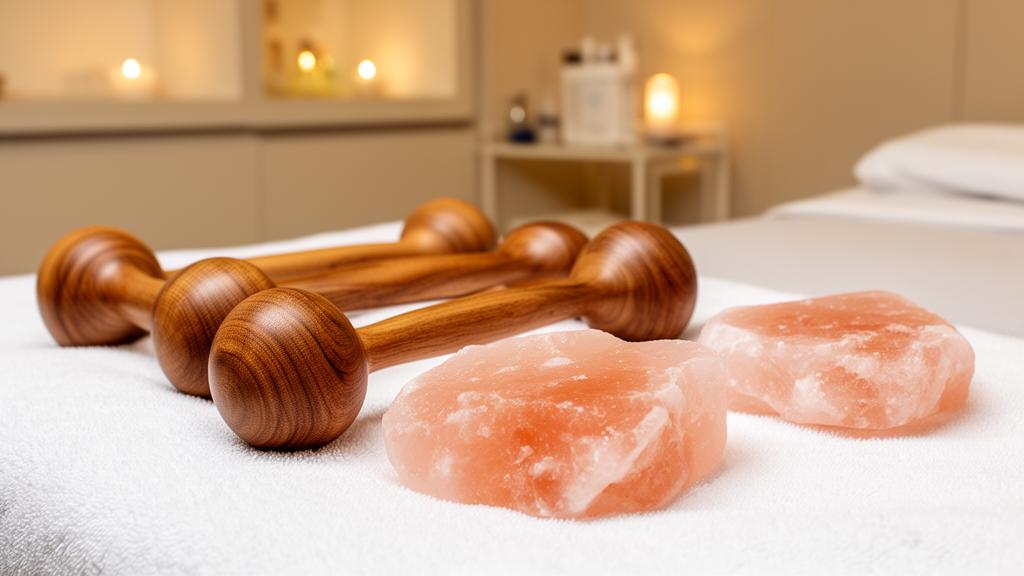
Heat makes muscle tissue more pliable. Hot stone massage and Himalayan salt stone massage place warmed stones along the spine, shoulders, legs or other tense areas before manual work begins. The heat increases local circulation and lowers the nervous system’s guarding response, which means deeper work that follows is more effective and less uncomfortable.
These modalities are especially good for people who find deep tissue massage too intense on its own, or for full-body tension where multiple areas need attention at once. They are less targeted than therapeutic massage, so they work best either as preparation for deeper work or as a standalone relaxation and maintenance treatment.
Prenatal Massage: Safe Relief for Pregnancy-Related Knots
Pregnancy changes posture, increases ligament laxity and loads the low back, hips and shoulders. The result is often a new set of knots that did not exist before. Prenatal massage at Réhabital uses side-lying positioning with specialized bolsters to keep the belly supported and the airway open. Pressure is modified, and certain trigger points are avoided.
Jeanne Andrea Rahantamalala and Irina Kushnir are experienced in prenatal work and can treat the specific tension patterns that appear during pregnancy without risk to mother or baby.
When Knots Keep Coming Back: The Osteopathic Perspective
Massage relieves the symptom, but if the same knot returns every week, the cause is usually mechanical. A rib that does not glide, a pelvis that rotates, a stiff ankle, flat feet, or a cervical spine that has lost rotation can all force one muscle to overwork. Shahram Ghasemi, MD (Iran), DOMP provides osteopathic assessment at Réhabital to identify these underlying patterns.
Many of our patients book an initial osteopathy session followed by a series of massage sessions. Osteopathy restores the larger movement pattern; massage releases the muscles that were protecting the restriction. The combination often produces longer-lasting results than either treatment alone.
Practical Self-Care Between Sessions
Massage opens a window of opportunity, but what you do afterward determines how long the relief lasts. Stay hydrated, move gently, and avoid jumping straight back into the same posture or activity that created the knot. For chronic knots, heat before activity and gentle stretching after can help. For a fresh, irritated spot, brief icing may be better than heat. Your therapist can recommend specific self-release tools and stretches matched to your pattern.
One of the most overlooked factors is sleep. Poor sleep raises inflammation and muscle guarding. If your knots are worse in the morning, your pillow height or sleeping position may be the real culprit. A side-sleeper with a pillow that is too low often wakes with upper trapezius knots; a stomach-sleeper usually strains the neck.
What to Expect at Your First Appointment
When you book a massage at Réhabital, your therapist will ask about your symptoms, daily habits, stress level, injuries and goals. They will then choose the right combination of pressure, technique and time. Most knot-focused sessions start at 60 minutes, but 75 or 90 minutes is better if you want full-body work plus focused treatment on one or two problem areas.
After the session you will receive a receipt accepted by most private insurance plans in Quebec. We do not accept CNESST or SAAQ treatment files. You can book online through our massage therapy page or call the clinic directly. Our Côte Saint-Luc location serves Hampstead, Westmount, NDG, Snowdon, Côte-des-Neiges, Montréal-Ouest and Saint-Laurent with free on-site parking.
Final Word: Match the Modality to the Tissue
Muscle knots and cramps are not identical, and “massage” is not a single treatment. The right choice depends on whether the problem is a localized trigger point, a full muscle spasm, a stress-driven guarding pattern, or a mechanical imbalance that keeps returning. At Réhabital, our therapists are trained across therapeutic, deep tissue, Swedish, hot stone, Himalayan salt, prenatal and reflexology techniques, and they collaborate with our osteopath and physiotherapist when the case needs more than manual release.
If you are unsure which massage to book, start with a 60-minute therapeutic session and explain your symptoms at intake. The therapist will take it from there, and you will leave with a clearer body and a plan for keeping it that way.
Frequently asked questions
Related articles
Every Type of Massage Therapy We Offer in Côte Saint-Luc — and Who Each One Is Really For
A complete guide to the 10 massage therapy modalities offered at Réhabital in Côte Saint-Luc: therapeutic, Swedish, deep tissue, prenatal, hot stone, Himalayan salt, lymphatic drainage, reflexology, belly massage and Ayurvedic. Who is each one really right for?
Deep Tissue Massage: Relieving Chronic Pain and Muscle Tension
Discover how deep tissue massage targets deep muscle layers to relieve chronic pain, improve mobility and accelerate recovery.
Therapeutic Massage in Côte Saint-Luc: Relieve Pain, Tension and Stress
Discover how therapeutic massage at Réhabital Clinic relieves muscle pain, improves circulation and restores your body's balance.
Deep Tissue Massage: Your Comprehensive Guide to Unlocking Relief at Réhabital in Côte Saint-Luc
Explore the world of Deep Tissue Massage. Learn what it is, its benefits, who can benefit and what to expect from a session at Réhabital, your trusted clinic in Côte Saint-Luc, Montreal.
Tension Headaches: How Massage Therapy Relieves the Neck, Shoulders and Recurring Head Pain
A tight band around the head, a rock-solid neck, shoulders hiked to the ears: tension-type headache is the most common headache in the world and one of the most responsive to targeted massage therapy.
Swedish Massage & Heated Himalayan Pink Salt Massage: Relaxation Meets Healing
Discover the benefits of classic Swedish massage and heated Himalayan pink salt therapeutic massage — two complementary approaches for your well-being.