
Every Type of Massage Therapy We Offer in Côte Saint-Luc — and Who Each One Is Really For
A complete guide to the 10 massage therapy modalities offered at Réhabital in Côte Saint-Luc: therapeutic, Swedish, deep tissue, prenatal, hot stone, Himalayan salt, lymphatic drainage, reflexology, belly massage and Ayurvedic. Who is each one really right for?
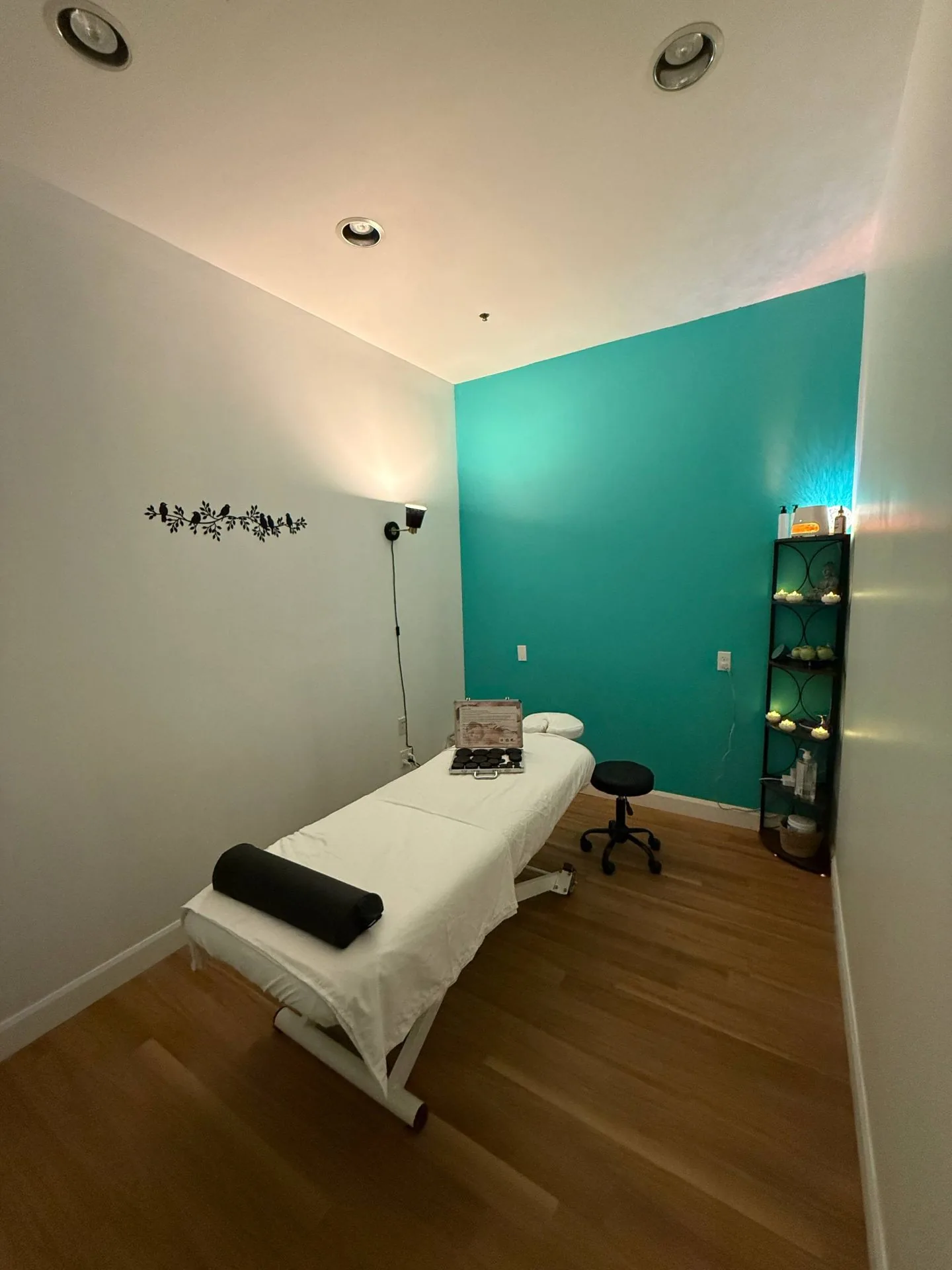
Choosing the Right Massage Therapy at Réhabital in Côte Saint-Luc
Walk into almost any spa menu in Montreal and the list of massage modalities can feel overwhelming. Swedish, deep tissue, prenatal, hot stone, Himalayan salt stone, lymphatic drainage, reflexology, abdominal, therapeutic, Ayurvedic — every one of them has passionate advocates, every one of them produces a different physiological effect and every one of them is best matched to a specific kind of patient and goal. At Réhabital, our multidisciplinary clinic in Côte Saint-Luc, we offer the full range and the question we hear most often at the front desk is the simplest possible: which one is actually right for me?
This guide is the long answer. We will walk through each of the ten massage modalities we currently provide, explain the physiological mechanism behind each one and describe the patient profile that benefits the most. By the end you will know exactly what to book — and, just as importantly, what not to book — for your body, your stage of life and your goals.
1. Therapeutic Massage — The Clinical Default
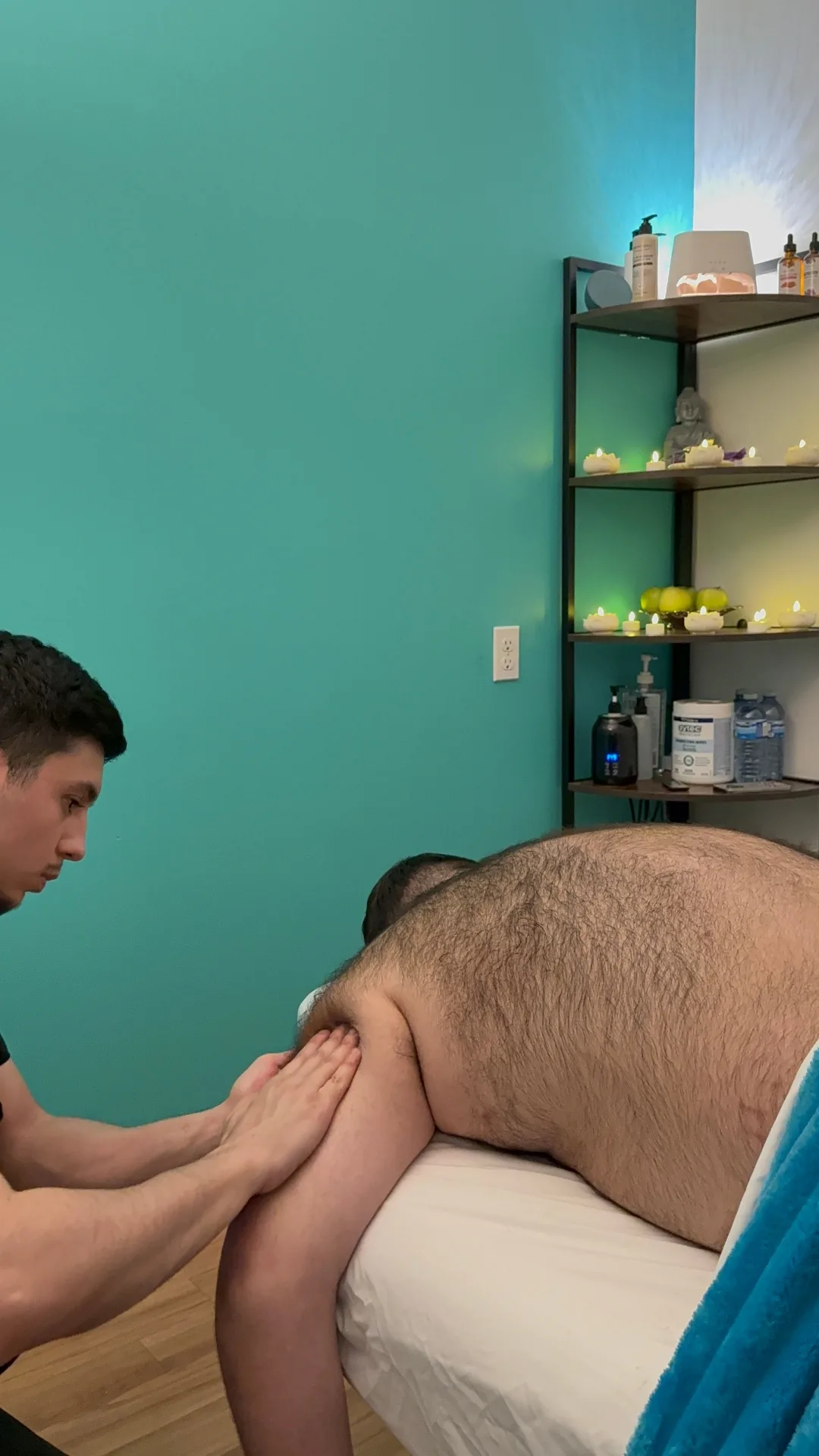
Therapeutic massage is the closest thing we have to a “default setting” for adults who carry tension, work at desks, train hard, or recover from injury. It is goal-oriented and assessment-driven: the therapist palpates the affected region, identifies hypertonic muscles, trigger points and restricted fascia and applies a tailored combination of techniques to restore function. Sessions are documented and receipts are issued for insurance reimbursement in Quebec.
Best for: chronic neck and shoulder tension, low-back pain, postural overload from desk work, post-injury rehabilitation, sports recovery and any patient who wants a clinically structured treatment rather than a relaxation session. If you have ever said “I just need someone to really work that knot out — but I also need a receipt,” therapeutic massage is your starting point.
Less ideal for: pure relaxation, pregnancy without prior assessment, or first-time massage clients who are highly anxious about touch. Those patients usually start with Swedish or hot stone and graduate into therapeutic work later.
2. Swedish Massage — The Gold Standard for Relaxation
Swedish massage is the most studied and most universally loved massage technique in the world. Long, flowing effleurage strokes, gentle petrissage and rhythmic compressions ride along the muscles in the direction of venous return. The pressure is light to moderate, the pace is slow and the goal is unambiguous: shift the nervous system from “fight or flight” into “rest and repair”.
Best for: high-stress professionals, first-time massage clients, anyone struggling with sleep, anxiety or burnout, postpartum mothers craving quiet body time and patients with sensitive nervous systems. Swedish massage is also a beautiful “reset” between deeper clinical sessions when the body needs to integrate change without being challenged further.
Less ideal for: deeply embedded muscular knots in athletes, chronic adhesions after old injuries or patients whose primary goal is structural correction. Swedish soothes the system; it does not aggressively remodel tissue.
3. Deep Tissue Massage — When the Surface Is Not Enough
Deep tissue massage works on the deeper layers of muscle and connective tissue using slow, sustained pressure, cross-fibre friction and targeted elbow or forearm work. The technique is not about pressing harder for the sake of pressing harder — it is about reaching layers that lighter strokes cannot affect and working at a pace slow enough for the nervous system to release rather than guard.
Best for: athletes and active adults, patients with chronic muscle adhesions, anyone with a desk-induced “rock” in the upper trapezius, people recovering from old injuries that have left scar tissue and patients who have already tried lighter massage without lasting relief. Deep tissue truly shines on the calves of runners, the forearms of musicians and trades workers, the hips of cyclists and the upper back of every laptop-dependent professional in the modern world.
Less ideal for: first-time clients with low touch tolerance, patients on blood thinners, pregnancy, acute flare-ups of fibromyalgia or anyone in a freshly inflamed state. In those cases we recommend Swedish, lymphatic drainage or hot stone first and progress to deep tissue once the tissues are ready.
4. Prenatal Massage — Safe, Specialized Care for Expecting Mothers
Prenatal massage is a specialized adaptation of therapeutic and Swedish techniques designed to support the body through every stage of pregnancy. Our prenatal therapists are trained in safe positioning, pressure adaptations and the specific anatomy of pregnancy. From approximately week 20 we use a side-lying position with custom bolsters, never the prone position with a cut-out belly hole.
Best for: low-risk pregnancies from the second trimester onward, expecting mothers with low-back or hip pain, sciatic nerve compression, leg swelling, restless sleep, anxiety about labour, or simply the desire for a safe, restorative hour. Many of our prenatal patients book monthly through their second trimester and weekly in the final weeks before delivery.
Less ideal for: high-risk pregnancies without obstetrical clearance, active preeclampsia, deep vein thrombosis or recent bleeding episodes. Always check in with your obstetrician first and bring any clinical recommendations to your therapist.
5. Hot Stone Massage — Deep Heat Where Nothing Else Reaches
Hot stone massage uses smooth, heated basalt stones placed on key points along the spine, hands and feet, while the therapist also uses the stones as extensions of the hands. The deep, even warmth penetrates several layers below the surface, dilates blood vessels, increases tissue elasticity and allows the therapist to perform deeper work with less mechanical pressure.
Best for: patients who feel the cold deeply (especially through Montreal winters), clients with chronic tension who do not tolerate hard pressure, patients with old injuries that respond to heat, anyone experiencing winter blues or seasonal heaviness and clients seeking a deeply meditative experience. Hot stone is also exceptional for shift workers, frequent travellers and anyone whose nervous system is permanently “on”.
Less ideal for: heat-sensitive conditions like rosacea on the back, certain cardiovascular conditions, pregnancy unless approved and acute injuries within the first 48 hours. Always disclose any heat sensitivity at intake.
6. Himalayan Salt Stone Massage — Warmth Plus Trace Minerals
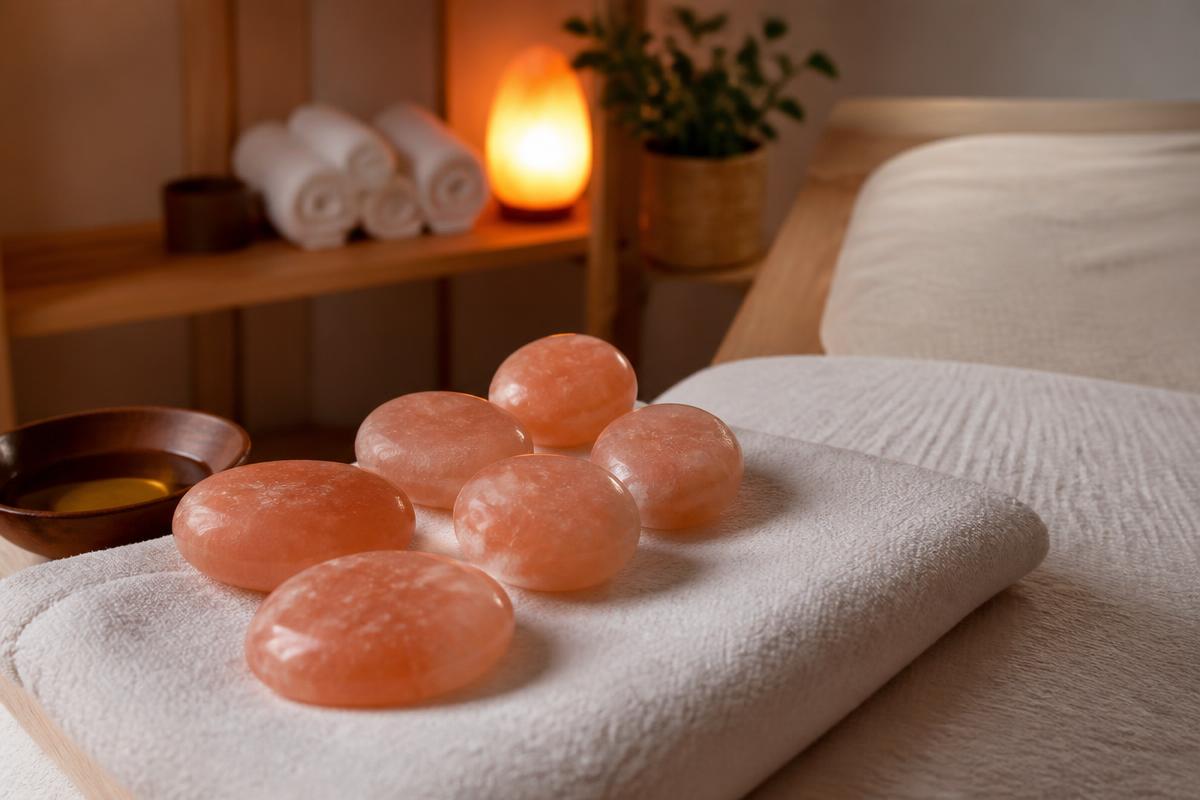
Himalayan salt stone massage is the elegant cousin of hot stone. The stones are carved from a single source of mineral-rich pink salt and warmed in a dedicated heater. Beyond the same deep, radiant heat as basalt, salt stones release trace minerals and negative ions throughout the session. Clients often describe the after-effect as cleaner, lighter and more grounding than basalt — almost as if the body had been quietly recharged.
Best for: patients who love hot stone but want a more refined sensory experience, clients drawn to grounding and balancing modalities, those with very dry skin (the salt is mineralizing and softening) and anyone navigating high mental load, jet lag, hormonal transitions or seasonal energy shifts. Himalayan salt also pairs beautifully with Swedish technique for a deeply restorative full-body protocol.
Less ideal for: the same contraindications as hot stone — uncontrolled cardiovascular conditions, severe heat sensitivity or open skin lesions in the treatment area.
7. Lymphatic Drainage Massage — Light, Rhythmic and Surprisingly Powerful
Manual lymphatic drainage is one of the most misunderstood modalities on any spa menu. The pressure is famously light — far lighter than Swedish — because the lymphatic vessels sit just beneath the surface of the skin. Through specific stretches, pumping motions and directional sequences, the therapist guides stagnant fluid toward functional lymph nodes where it can be filtered and recycled.
Best for: post-surgical recovery (especially after liposuction, abdominoplasty, breast or facial surgery once cleared), patients with chronic puffiness or fluid retention, frequent flyers, allergy sufferers, people with sluggish immune systems, postpartum mothers and clients recovering from intense training. Lymphatic drainage is also a beautiful adjunct during oncology recovery, provided the oncology team has given clearance.
Less ideal for: active infection, untreated congestive heart failure, acute deep vein thrombosis or any condition where mobilizing fluid is contraindicated. We screen thoroughly at intake.
8. Reflexology — A Whole-Body Treatment Through the Feet
Reflexology is the art and science of mapping specific zones on the feet, hands and ears to corresponding organs and body systems. Sustained, precise pressure on these reflex points produces measurable effects on heart rate variability, sleep latency and perceived stress. It is also one of the most accessible and pleasant treatments in our menu — especially for patients who are not comfortable undressing fully.
Best for: patients with sleep disturbances, digestive sluggishness, hormonal irregularities, headaches, anxiety, postpartum recovery, oncology comfort care (with clearance), seniors and anyone who simply loves a deeply relaxing foot session. Reflexology is also remarkable as a “first treatment” for clients who have never experienced bodywork and want to start gently.
Less ideal for: patients with open wounds, severe foot pathology, recent foot or ankle surgery, or active gout flare-ups. We always inspect the feet at the start of the session.
9. Abdominal (Belly) Massage — The Forgotten Centre of the Body
Abdominal massage, sometimes called visceral or belly massage, gently mobilizes the abdominal wall and the underlying digestive organs. It is among the least requested and most appreciated modalities once people experience it. Deep, slow circular work supports peristalsis, releases adhesions, eases diaphragmatic restriction and unwinds the emotional tension that so many of us store in the gut.
Best for: chronic constipation, bloating and sluggish digestion, post-Cesarean recovery (once cleared), patients with menstrual discomfort, low-back pain that has not responded to back work alone (the psoas and viscera are often the missing link), clients with breath-holding patterns and high-stress professionals who notice their belly “clenches” all day.
Less ideal for: the first trimester of pregnancy, acute abdominal pain of unknown cause, recent abdominal surgery without surgical clearance, abdominal aortic aneurysm or active inflammatory bowel disease flare-ups. We always start with a careful intake.
10. Ayurvedic Massage — Ancient Indian Wisdom, Adapted for Modern Bodies
Ayurvedic massage, sometimes called Abhyanga, is our newest addition and a profoundly different experience from Western modalities. Generous quantities of warm, herb-infused oil are applied in long, rhythmic strokes that follow the direction of body hair and the flow of energy channels (nadis) described in Ayurvedic tradition. The result is a treatment that is simultaneously nourishing for the skin, deeply calming for the nervous system and balancing for the entire body-mind constitution.
At Réhabital, Ayurvedic massage is offered exclusively by Mrs. Elena Caliniuc in 60-minute ($135), 75-minute ($150) and 90-minute ($165) sessions. Elena Caliniuc adapts the pressure and oil blend to your constitution and current state and walks you through the after-care so you can carry the benefits home.
Best for: patients seeking whole-body rebalancing rather than spot treatment, clients in seasonal or hormonal transition, those with very dry or stressed skin, professionals navigating burnout, sleep-deprived parents, anyone curious about traditional medicine and patients who have tried “everything” Western and want a completely different approach.
Less ideal for: patients who dislike oil on the skin, those with severe nut or seed allergies (always disclose) and acute illness with fever. We discuss all of this in detail at intake so the session is set up for success.
So… Which One Should You Book First?
If you are stuck choosing, here is the shortcut we give over the phone every day at our Côte Saint-Luc clinic:
• Pain or injury → therapeutic or deep tissue.
• Stress, sleep, burnout → Swedish, hot stone or Himalayan salt.
• Pregnancy → prenatal.
• Swelling, post-op, allergies, fatigue → lymphatic drainage.
• Headaches, hormonal balance, sleep, sensitive nervous system → reflexology.
• Digestive issues, bloating, post-Cesarean → abdominal massage.
• Whole-system rebalancing, skin health, deep restoration → Ayurvedic with Elena Caliniuc.
You can always start with a 60-minute therapeutic session, tell the therapist your top three goals and we will blend modalities live. Most of our long-term patients eventually find a personal rotation — for example, Ayurvedic monthly with Elena Caliniuc, therapeutic every two weeks for a problem shoulder and a quarterly lymphatic drainage after big work pushes. There is no single “best” massage, only the best match for who you are right now.
Combining Massage with the Rest of Réhabital
Our patients get the strongest results when massage is integrated with the other disciplines under our roof. Many combine massage with osteopathy for structural correction, with naturopathy for nutritional support of the nervous system and digestion and with our aesthetic care programs for facial lymphatic drainage and skin restoration. Browse the full massage therapy menu to see the dedicated page for each modality, including the brand-new Ayurvedic massage page.
Ready to choose? Book your session at Réhabital in Côte Saint-Luc and let us help you match the right massage to the right moment in your life.
Frequently asked questions
Related articles
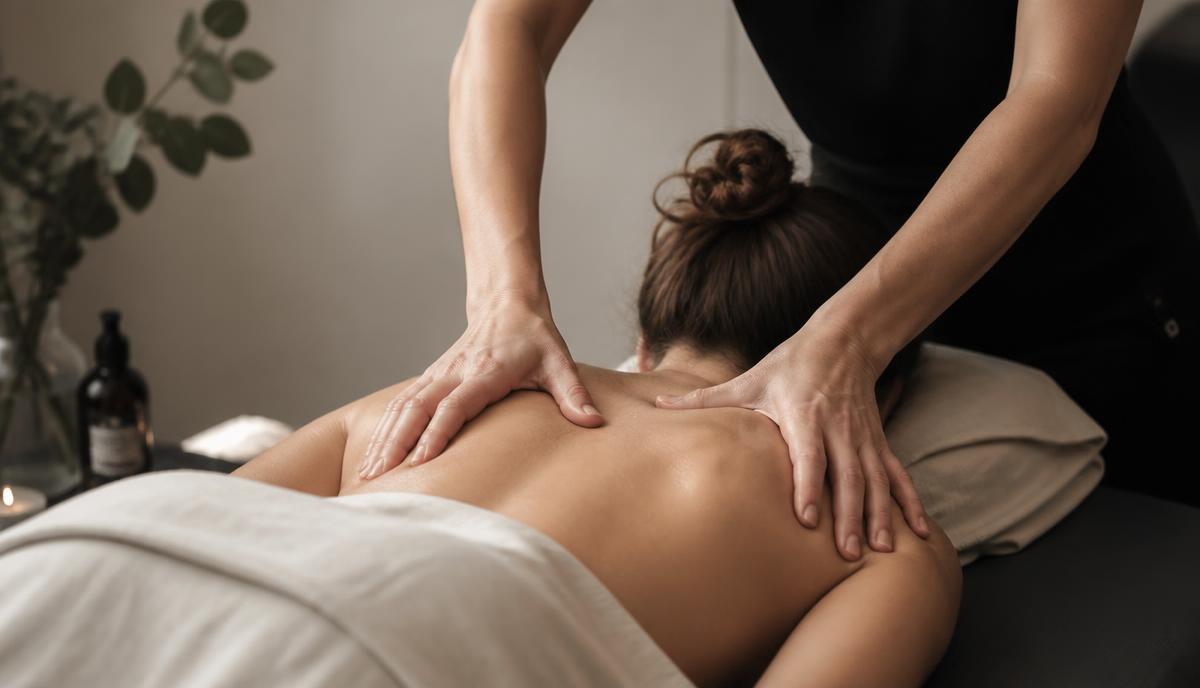
Muscle Knots and Cramps: Which Massage Type Actually Relieves Each Symptom?
A complete guide to muscle knots, trigger points and cramps: why they form, which massage types relieve them, and when to see a therapist in Côte Saint-Luc.
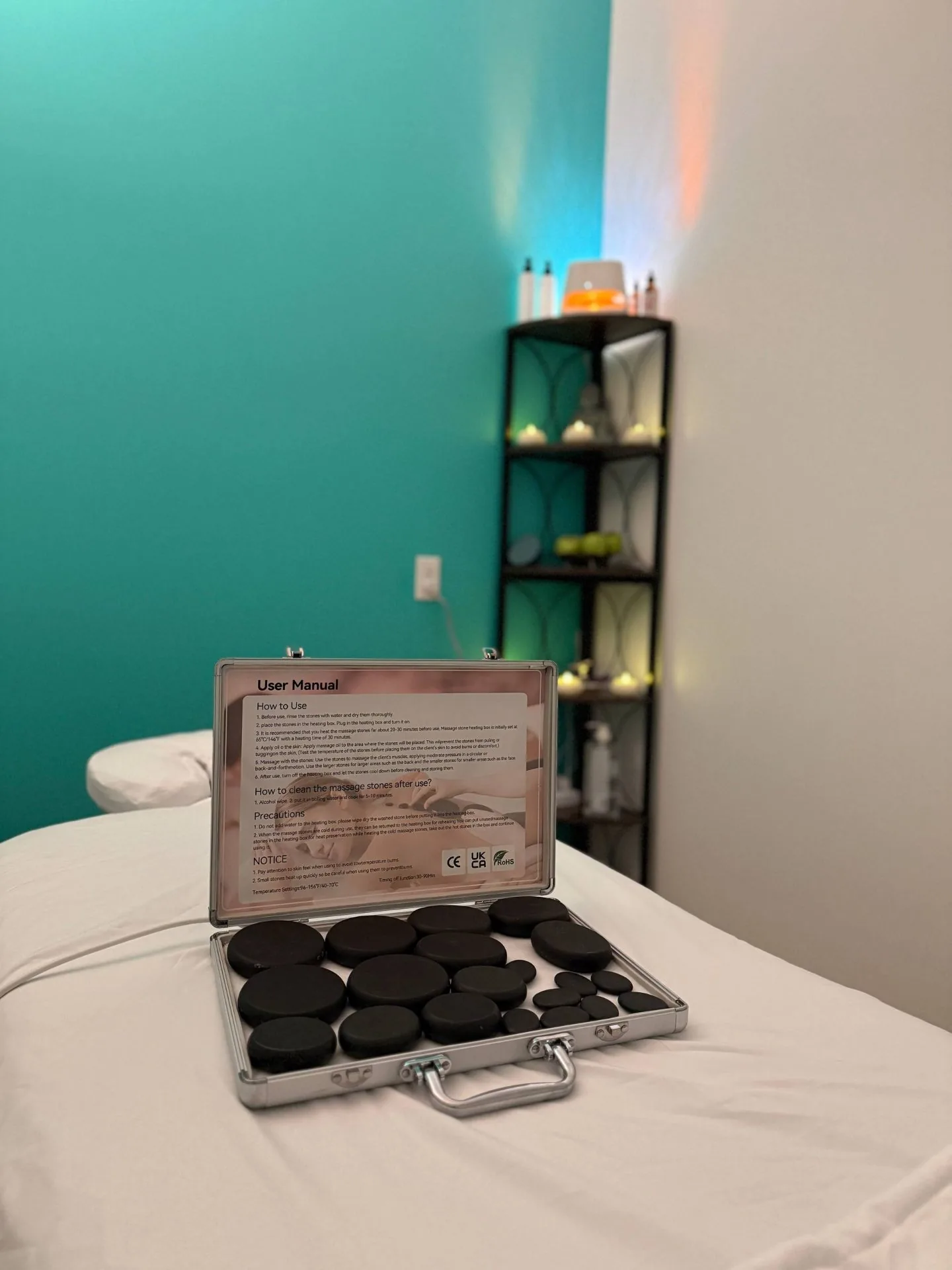
Hot Stone, Lymphatic Drainage & Reflexology: 3 Specialized Massages for Your Well-Being
Explore three specialized massage techniques offered at Réhabital: hot stone massage, lymphatic drainage and reflexology. Each offers unique benefits for your health.
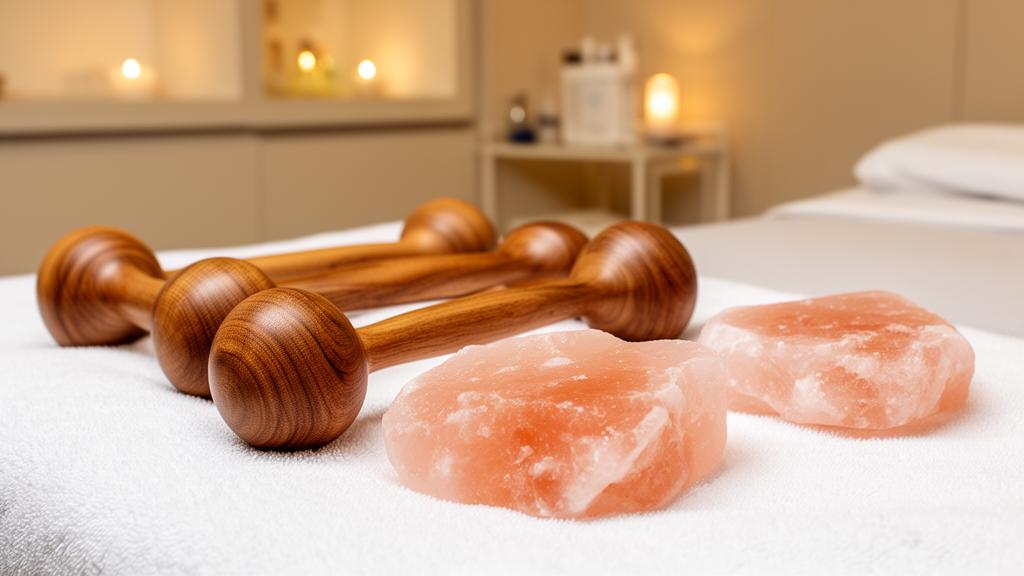
Swedish Massage & Heated Himalayan Pink Salt Massage: Relaxation Meets Healing
Discover the benefits of classic Swedish massage and heated Himalayan pink salt therapeutic massage — two complementary approaches for your well-being.
Therapeutic Massage and Hot Salt Stones: Clearing Back and Low Back Pain
How our massage therapists combine clinical therapeutic massage with the mineral heat of Himalayan salt stones to release back muscles, calm the nervous system and produce lasting relief from low back pain in Côte Saint-Luc.
Therapeutic Massage in Côte Saint-Luc: Relieve Pain, Tension and Stress
Discover how therapeutic massage at Réhabital Clinic relieves muscle pain, improves circulation and restores your body's balance.
Himalayan Hot Salt Stone Massage: Heat, Minerals and Real Low Back Relief
Why the mineral heat of Himalayan salt stones releases tight muscles, calms the nervous system and eases chronic low back pain — and what a session looks like in Côte Saint-Luc.