
Best Treatment for Back Pain: How Osteopathy Provides Lasting Relief
Discover why osteopathy is considered one of the best treatments for back pain. Evidence-based manual therapy for chronic and acute back pain in Montreal.
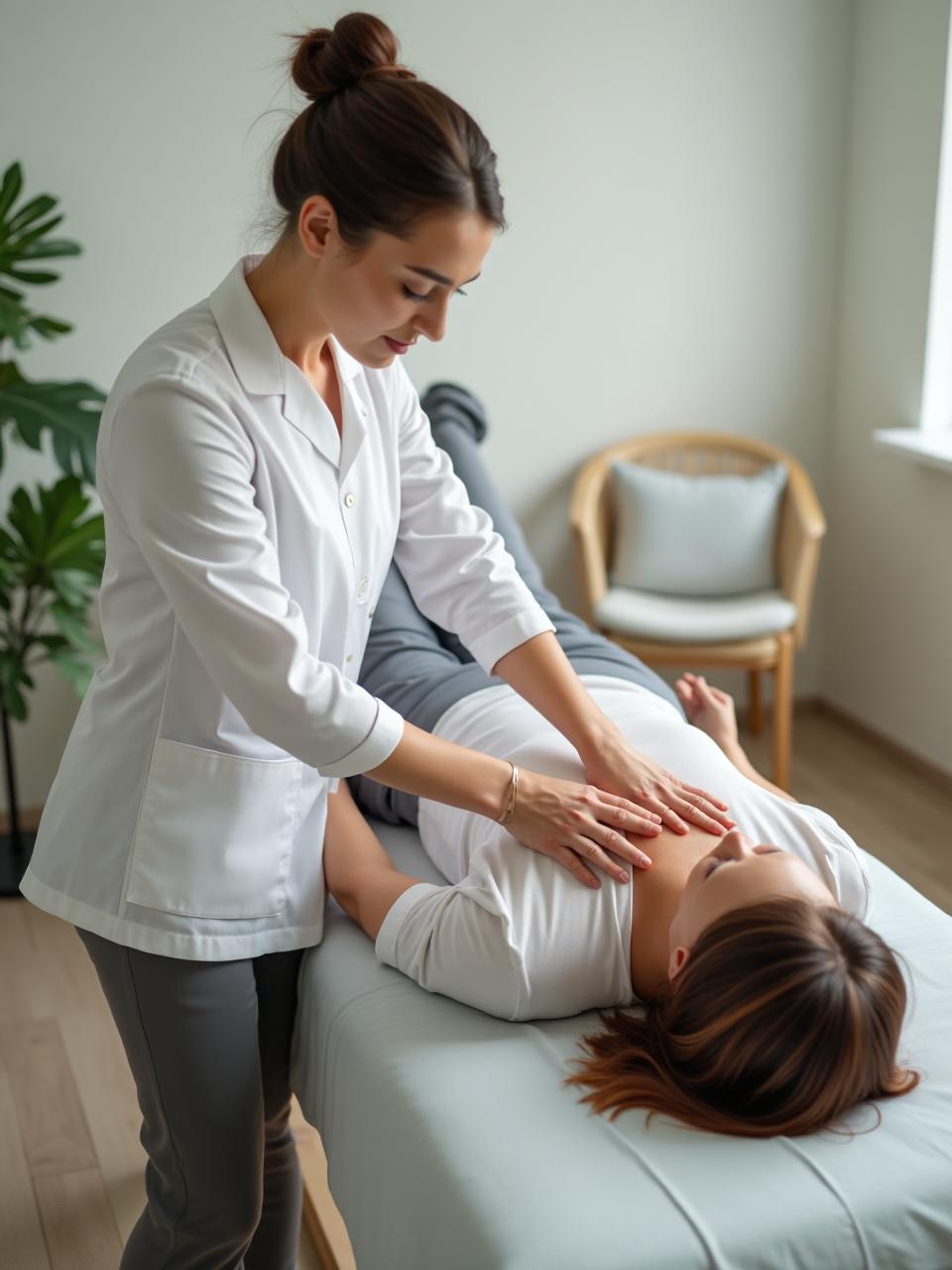
Why Back Pain Is So Common — And Why Most Treatments Fail
Back pain is the leading cause of disability worldwide, affecting approximately 80% of adults at some point in their lives. In Canada alone, back pain accounts for over 4 million lost workdays annually. Yet despite its prevalence, most people never find lasting relief — cycling through painkillers, rest and frustration.
The problem? Most conventional approaches treat symptoms rather than root causes. At Réhabital in Côte Saint-Luc, our osteopaths take a fundamentally different approach, identifying and correcting the underlying mechanical dysfunctions that create and perpetuate your pain.
What Makes Osteopathy the Best Treatment for Back Pain?
Osteopathy stands apart from other back pain treatments because it addresses the entire kinetic chain — not just the painful area. Research published in the Journal of the American Osteopathic Association shows that osteopathic manipulative treatment (OMT) significantly reduces back pain intensity and improves functional outcomes compared to standard care alone.
Here's why osteopathy consistently ranks among the best treatments for back pain:
- Root cause identification — Your lower back pain may actually originate from hip restrictions, pelvic misalignment, or thoracic stiffness. Osteopaths assess the entire body to find the true source.
- Drug-free pain relief — Manual techniques reduce pain without the side effects of medications or the risks of surgery.
- Long-term results — By correcting structural imbalances, osteopathy prevents recurrence rather than just masking symptoms.
- Personalized treatment — No two backs are alike. Every session is tailored to your specific anatomy, history and lifestyle.
Types of Back Pain Osteopathy Treats Effectively
Our osteopaths at Réhabital successfully treat a wide spectrum of back pain conditions:
- Lower back pain (lumbar) — The most common type, often caused by prolonged sitting, poor posture, or lifting injuries. Osteopathy restores lumbar mobility and reduces muscle guarding.
- Upper back pain (thoracic) — Frequently linked to desk work and forward head posture. Our techniques decompress the thoracic spine and release intercostal tensions.
- Sciatica — When the sciatic nerve is compressed, pain radiates down the leg. Osteopathic treatment addresses piriformis syndrome, disc-related compression and sacroiliac dysfunction. Learn more about sciatica treatment →
- Herniated disc pain — Gentle techniques reduce pressure on affected discs and promote natural healing.
- Facet joint syndrome — Joint mobilization restores proper facet mechanics and reduces inflammatory irritation.
- Pregnancy-related back pain — Safe, gentle techniques adapted for each trimester to relieve the increased spinal load.
The Science Behind Osteopathy for Back Pain
Multiple peer-reviewed studies support osteopathy as an effective treatment for back pain:
- A 2014 meta-analysis in BMC Musculoskeletal Disorders found that OMT significantly reduced pain and improved function in patients with chronic low back pain.
- The UK's National Institute for Health and Care Excellence (NICE) recommends manual therapy, including osteopathy, as a first-line treatment for low back pain.
- A study in The Spine Journal showed that patients receiving osteopathic treatment used 50% less pain medication than those receiving standard care.
These findings align with what our patients in Côte Saint-Luc, Hampstead and Westmount experience: meaningful, lasting improvement in their back pain.
What Happens During Your Osteopathy Session for Back Pain
At Réhabital, your first osteopathy visit follows a comprehensive protocol designed to get to the root of your back pain:
- Detailed health history — We review your medical background, injury history, daily activities, work ergonomics and previous treatments.
- Postural assessment — Standing and seated analysis reveals asymmetries, compensatory patterns and structural imbalances.
- Mobility testing — Active and passive range-of-motion tests identify specific restrictions in the spine, pelvis and hips.
- Palpation — Skilled hands detect tissue tension, joint restrictions and areas of inflammation.
- Treatment — Using a combination of soft tissue techniques, joint mobilization, muscle energy techniques and gentle manipulation, your osteopath works to restore proper mechanics.
- Home exercise program — You receive specific stretches and strengthening exercises to support your recovery between sessions.
Osteopathy vs Other Back Pain Treatments
How does osteopathy compare to other common approaches?
- Osteopathy vs Chiropractic — While both use manual techniques, osteopathy takes a more holistic whole-body approach, assessing visceral and cranial connections. Chiropractic focuses primarily on spinal adjustments.
- Osteopathy vs Physiotherapy — Both are excellent options. Osteopathy emphasizes manual diagnosis and treatment, while physiotherapy often incorporates more exercise-based rehabilitation. At Réhabital, we offer both and can recommend the best approach — or a combination. See our physiotherapy services →
- Osteopathy vs Medication — NSAIDs and muscle relaxants provide temporary relief but don't address structural causes. Osteopathy treats the source of pain for lasting results.
- Osteopathy vs Surgery — Surgery should be a last resort. Many conditions treated surgically — including some disc herniations — respond well to conservative osteopathic care.
How Many Sessions Will You Need?
Recovery timelines vary based on your condition's severity and duration:
- Acute back pain (recent onset) — Most patients experience significant improvement in 2-4 sessions.
- Chronic back pain (3+ months) — Typically requires 6-10 sessions for lasting results, with gradual spacing as you improve.
- Maintenance care — Monthly sessions help prevent recurrence for those with physically demanding jobs or recurring patterns.
Preventing Back Pain: Expert Tips from Our Osteopaths
- Ergonomic workstation setup — Monitor at eye level, feet flat on the floor, lumbar support.
- Movement breaks — Stand and stretch every 30-45 minutes when working at a desk.
- Core strengthening — Planks, bird-dogs and dead bugs build spinal stability.
- Proper lifting technique — Bend at the knees, keep the load close to your body.
- Sleep position — Side sleeping with a pillow between the knees reduces spinal stress.
Frequently Asked Questions
Is osteopathy safe for back pain?
Yes. Osteopathy is a regulated healthcare profession in Quebec. Our osteopaths are licensed and use evidence-based techniques that are safe for most patients, including pregnant women and elderly individuals.
Does osteopathy hurt?
Most techniques are gentle and comfortable. You may feel mild soreness for 24-48 hours after treatment — similar to post-exercise soreness — as your body adjusts to improved alignment.
Is osteopathy covered by insurance?
Yes. Most private insurance plans in Quebec cover osteopathy. We provide receipts for reimbursement from all major insurers.
Book Your Back Pain Consultation Today
Don't let back pain control your life. Our experienced osteopaths at Réhabital in Côte Saint-Luc have helped hundreds of patients find lasting relief from acute and chronic back pain. We proudly serve Hampstead, Westmount, NDG, Snowdon and the entire Montreal region.
Frequently asked questions
Go deeper with our dedicated osteopathy pages
Osteopathy pages with Shahram Ghasemi, MD (Iran), DOMP in Côte Saint-Luc:
Related articles
Is Osteopathy Good for Back Pain? A Complete Guide
Discover how osteopathy treats lower back, upper back and neck pain. Scientific studies, techniques used and expected results in Côte Saint-Luc.
Osteopathy During Pregnancy: The Complete Guide to Natural Prenatal Pain Relief
How osteopathy relieves lower back pain, sciatica and pregnancy discomforts. Complete guide with tips from our specialized osteopaths.
Tension Headaches: How Osteopathy Delivers Lasting Relief from Chronic Head Pain
Recurring tension headaches? Osteopathy at Réhabital in Côte Saint-Luc targets the real cause — neck, jaw, diaphragm and stress — for lasting relief.
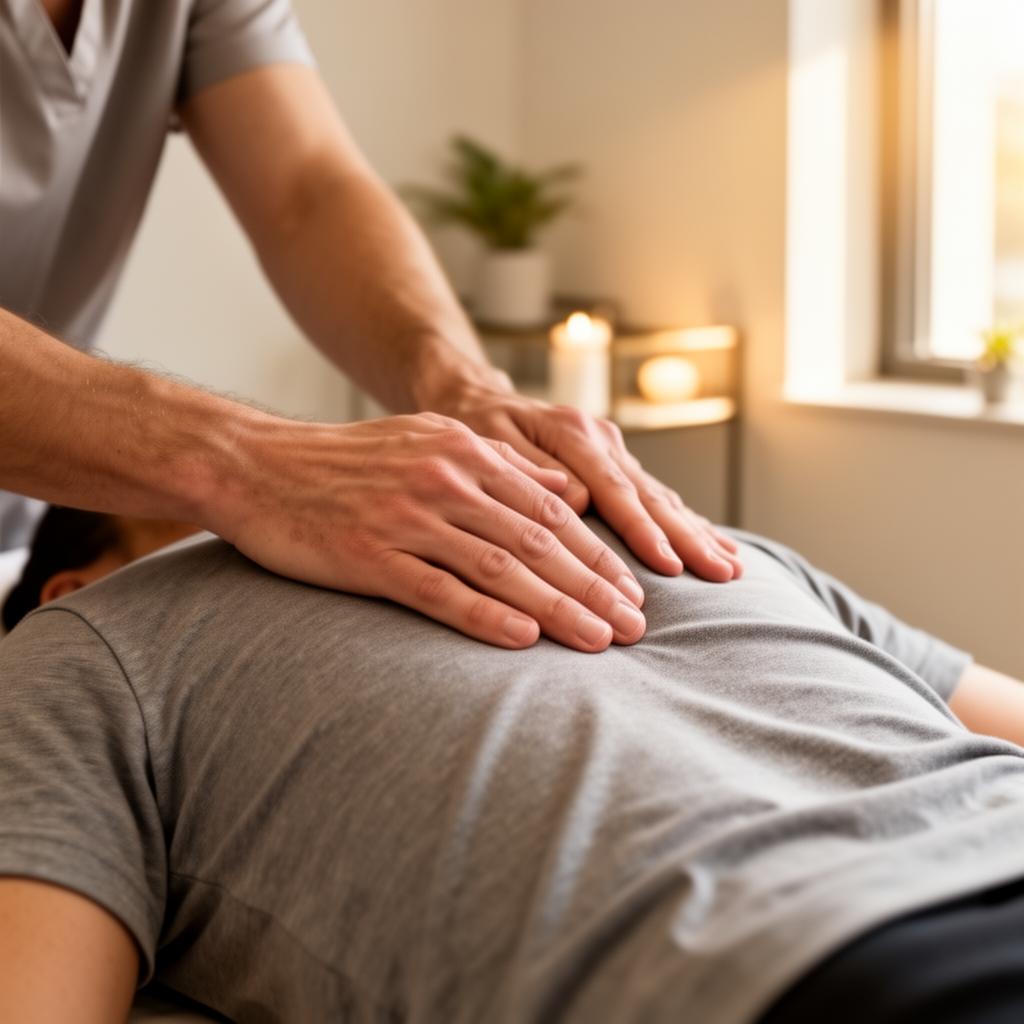
Treating Sciatica with Osteopathy: Shahram Ghasemi's Approach in Côte Saint-Luc
Pain shooting down the leg, tingling, trouble sitting? Discover how osteopath Shahram Ghasemi approaches sciatica at Réhabital in Côte Saint-Luc — assessment, manual techniques and a realistic recovery plan.
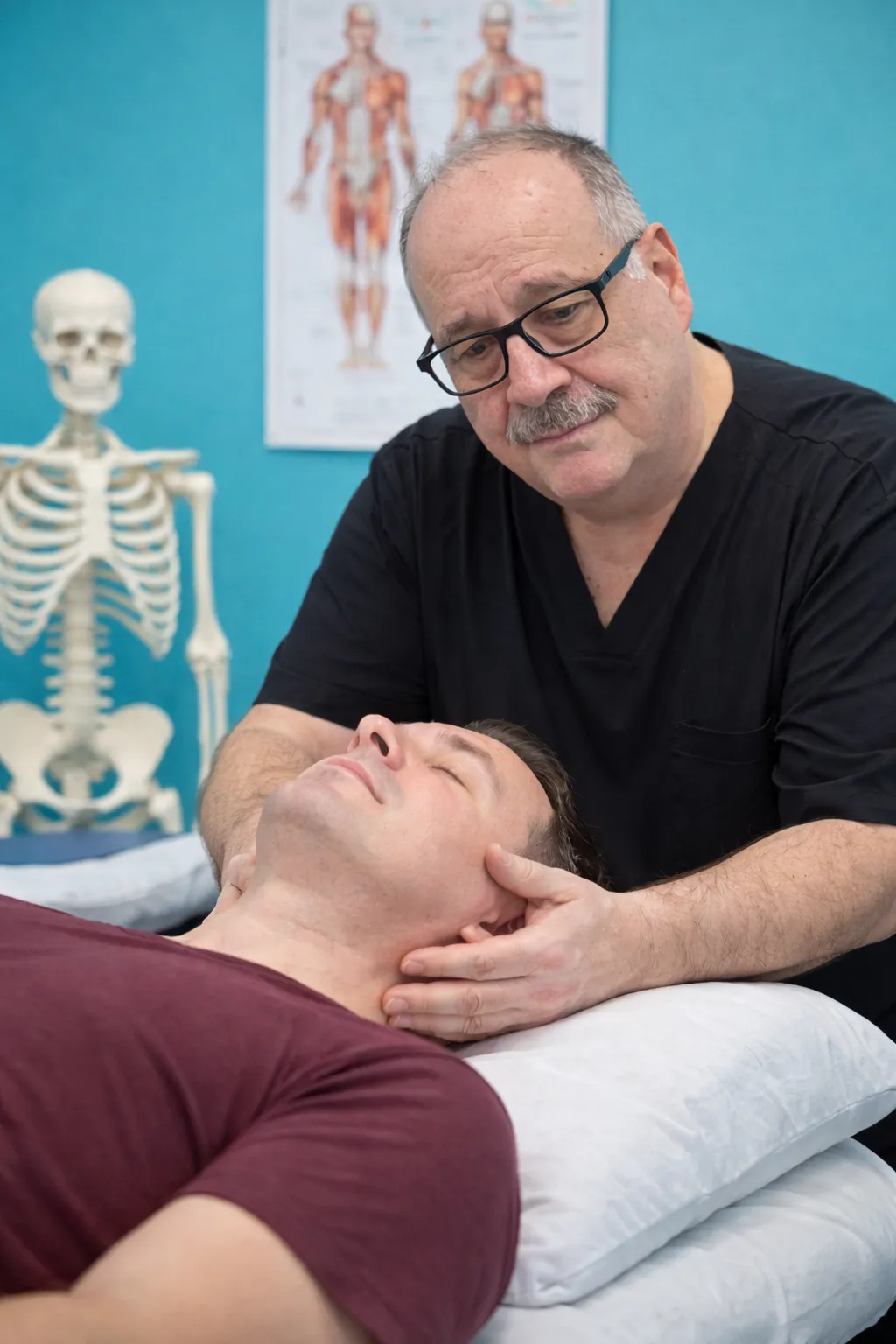
Does Osteopathy Help with Back Pain? (Montreal Guide)
Learn how osteopathy effectively treats back pain in Côte Saint-Luc. Causes, techniques, number of sessions and expected results.
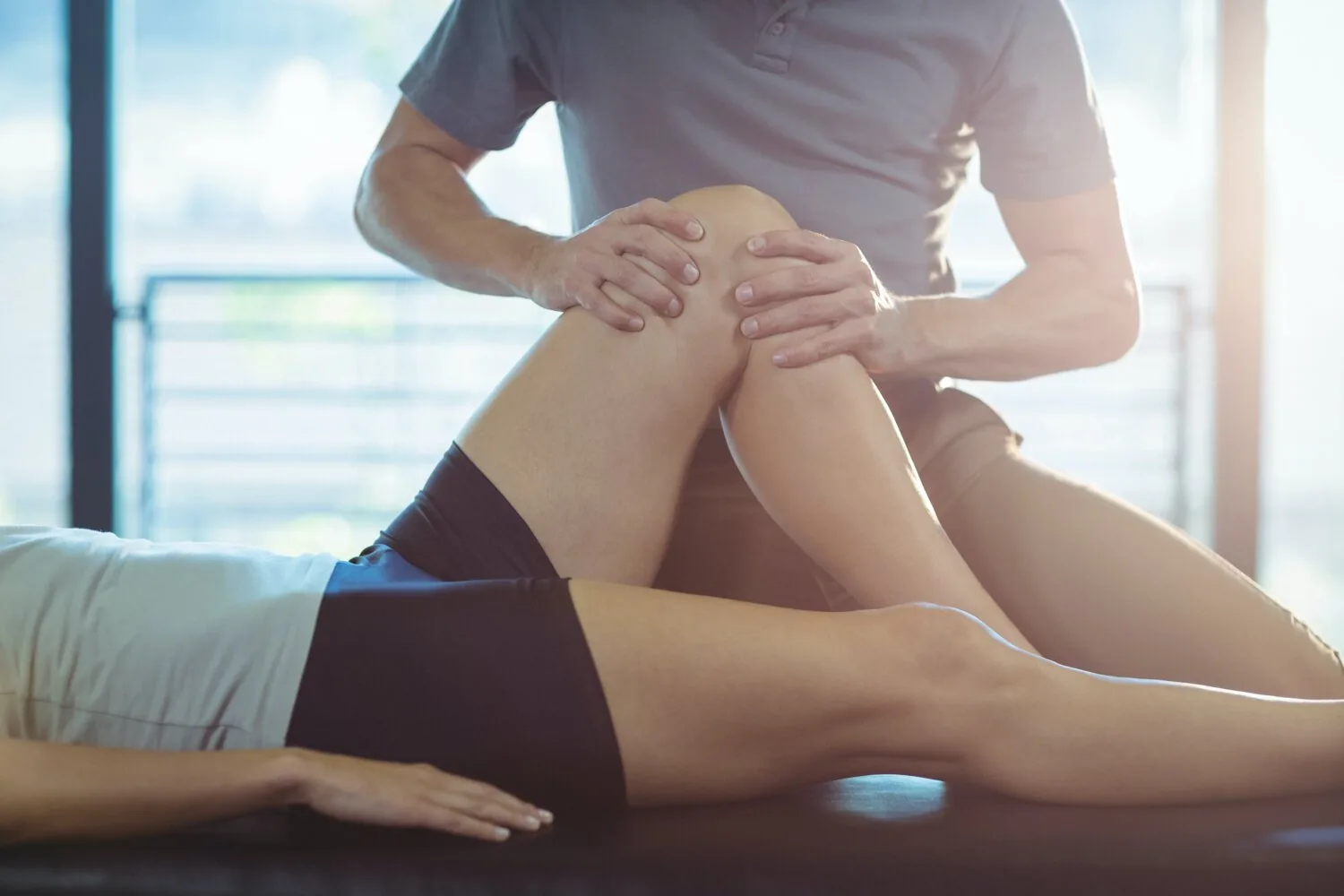
Osteopathy and Neck Pain: How Visceral Osteopathy Treats the Neck Pain That Keeps Coming Back
Neck pain does not always come from the neck. The diaphragm, stomach, liver, pericardium and chest fascia can pull on the cervical spine through precise anatomical chains. Here is how visceral osteopathy fits into chronic neck pain care in Côte Saint-Luc.