
Reflexology at Réhabital: Our Step-by-Step Protocol and Why We Use the Highest-Quality Massage Gel
See exactly how a reflexology session unfolds at Réhabital in Côte Saint-Luc: assessment, reflex-point mapping, pressure sequence, and the premium professional massage gel we use for flawless glide without irritation.
Reflexology is one of the most requested treatments at our Côte Saint-Luc clinic, and also one of the most misunderstood. Many people imagine a pleasant foot rub at the end of a spa day. What we practise at Réhabital is something else entirely: a structured, assessment-driven manual therapy session, delivered by a trained massage therapist, following a defined reflex-point map and a repeatable clinical sequence — and performed with a professional-grade massage gel chosen specifically for the demands of reflexology work.
This article walks you through exactly how we do it, step by step, and explains why the medium we work with — the gel — matters far more than most people realise.
What reflexology actually is
Reflexology is based on the principle that specific zones on the feet, hands and ears correspond to organs, glands and structures elsewhere in the body. Stimulating those zones with calibrated pressure produces measurable responses: a shift in heart rate variability, a drop in perceived stress, changes in peripheral circulation and a general move from sympathetic (“fight or flight”) toward parasympathetic (“rest and digest”) dominance.
What reflexology is not: a diagnostic tool, a substitute for medical care, or a magic cure. We are explicit about this with every client. Reflexology is a complementary therapy that works exceptionally well for stress-driven and circulation-related complaints, and works alongside — never instead of — the osteopathy, physiotherapy and medical care our patients may also need.
Why the feet respond so strongly
Each foot contains roughly 7,000 nerve endings, 26 bones, 33 joints and more than 100 muscles, tendons and ligaments. It is one of the densest sensory regions of the body — comparable to the hands and lips in cortical representation. That density is precisely why sustained, well-placed pressure to the sole generates such a strong central response. You are not simply massaging tissue; you are feeding a very large volume of ordered sensory input into a nervous system that is usually running on chaotic, low-grade alarm signals.
This is also why the feet are so revealing. Temperature asymmetry, puffiness around the ankle, a hard band under the arch, a cold left forefoot with a warm right one — these are observations our therapist records at every session and uses to shape the treatment.
Our seven-step clinical protocol
1. Intake and screening (5–10 minutes)
Every first session begins with a written and verbal intake: medical history, medications (especially anticoagulants and blood-pressure medication), surgeries, pregnancy status, diabetes, circulatory conditions, current pain, sleep quality and stress load. We screen for the absolute contraindications — active deep-vein thrombosis, acute infection, open wounds, unhealed fracture, acute gout — before a single hand touches the foot.
2. Visual and palpatory foot assessment
The therapist inspects both feet: skin quality, calluses, nail condition, oedema, varicosities, scars, temperature and tissue tone. Then a quick palpatory sweep identifies tender or congested zones. Someone with a chronically tight solar-plexus reflex, for example, will often report immediate tenderness at the centre of the arch — and will just as often turn out to be a chronic shallow breather under work stress.
3. Positioning and warming
You lie supine on a heated table, fully clothed except for shoes and socks, with a bolster under the knees to release the lower back. Feet are cleansed with a warm towel. Warming matters: cold feet transmit pressure poorly and tolerate it worse.
4. Gel application and desensitising sequence
This is where the choice of medium becomes decisive. A measured amount of professional massage gel is warmed between the therapist's hands and applied with broad effleurage strokes over the whole foot and ankle. The purpose of this opening pass is twofold: to distribute the gel evenly, and to desensitise the skin so that deeper reflex work later in the session is comfortable rather than startling.
5. The reflex sequence
We work one foot completely, then the other, following a consistent order so nothing is missed: toes and head/sinus reflexes, then the shoulder line, the diaphragm line, the digestive zones across the arch, the kidney and adrenal points, the spinal reflex along the medial border, the pelvic zones around the heel, and finally the lymphatic reflexes across the ankle. Techniques include thumb walking, hook and backup for pinpoint stimulation, finger rotation on a held point, and rocking mobilisation of the metatarsals.
6. Integration
The last five to eight minutes are deliberately slow: broad, rhythmic strokes over both feet, gentle traction of each ankle, and diaphragmatic breathing cues. This is what consolidates the parasympathetic shift. A session that ends abruptly on a deep point leaves the nervous system unfinished.
7. Debrief and home advice
We tell you what we found — which zones were congested, which were asymmetric — and what to do afterwards: hydration, a warm foot soak that evening if appropriate, simple self-pressure points you can use at your desk, and whether a series is recommended.
Why the massage gel matters more than you think
Reflexology places unusual demands on the working medium. The therapist must hold a point of one square centimetre with enough friction to control depth, then transition into a long gliding stroke, then return to precision work — repeatedly, for up to sixty minutes, on skin that is often dry, callused and structurally different from the skin of the back or shoulders.
Most products fail one of those requirements:
- Oil is too slippery. The thumb slides off the reflex point, and the therapist compensates by pressing harder — which is exactly how a session becomes painful instead of therapeutic.
- Thick cream absorbs into dry plantar skin within minutes, forcing constant reapplication and creating drag that irritates the skin.
- Cheap retail gels are typically built on heavy mineral oil, drying alcohols, artificial dyes and strong fragrance. They feel fine for ten minutes and then leave a tacky film, and they are a common cause of contact irritation.
What we look for in a professional gel — and why we chose ours
We evaluated products against six criteria before selecting the gel we use in every reflexology session at Réhabital:
- Glide duration. It must sustain a full 60-minute session without reapplication. Interrupting a reflex sequence to re-dispense product breaks both the therapist's rhythm and the client's relaxation.
- Controlled friction. Enough grip for pinpoint thumb work, enough slip to prevent skin dragging. This is the single hardest specification to meet.
- Hypoallergenic and fragrance-free. No artificial dyes, no nut-derived carrier oils, no synthetic perfume load. This is non-negotiable in a clinic that treats pregnant clients, allergy sufferers, oncology patients and children.
- Non-comedogenic and residue-free. You put your socks back on and walk out — you should not leave with greasy feet or slippery shoes.
- Skin-conditioning. Our gel contains humectant and emollient agents that genuinely improve plantar skin hydration over a series of sessions. Clients with cracked heels often notice the difference by the third visit.
- Professional supply chain. We buy clinic-grade product from professional distributors with lot traceability, not consumer retail stock.
If you have any documented allergy, we patch-test on the inner ankle before the session. If you prefer a completely unscented experience — which many of our clients with migraine or chemical sensitivity do — that is our default anyway.
Who benefits most
Based on what we see at the clinic, the strongest responders are:
- People with chronic stress and poor sleep who cannot “switch off”
- Office workers with heavy, swollen legs by end of day
- Clients with tension headaches and jaw clenching
- People with sluggish digestion and bloating linked to stress
- Seniors seeking circulation support in a gentle, fully clothed format
- Patients in oncology recovery, for fatigue and nausea management (with oncologist awareness)
- Anyone who dislikes conventional table massage but still needs nervous-system downregulation
How reflexology fits with our other services
Because Réhabital is a multidisciplinary clinic in Côte Saint-Luc, reflexology rarely stands alone. Frequent combinations we build for patients include:
- Osteopathy + reflexology — structural correction plus autonomic regulation, particularly effective for chronic low back pain with a strong stress component. Learn more on our osteopathy page.
- Physiotherapy + reflexology — for plantar fasciitis and post-immobilisation feet, where loading rehabilitation is paired with circulatory and pain-modulating work. See our physiotherapy page.
- Massage therapy + reflexology — a 30-minute reflexology add-on at the end of a Swedish or deep tissue session is one of our most popular formats. Explore all options on our massage therapy page.
- Naturopathy + reflexology — for digestive and hormonal complaints, where lifestyle and nutritional strategy is reinforced by regular nervous-system work. See naturopathy.
What the research says — honestly
The evidence base for reflexology is moderate, not overwhelming, and we present it that way. Systematic reviews consistently support benefits for anxiety, perceived stress, sleep quality and pain perception, particularly in oncology and post-surgical populations. Evidence for treating specific organ pathology through foot reflex points is weak. Our position is straightforward: we offer reflexology for what it reliably does — regulate the nervous system, reduce stress, improve subjective pain and sleep, and support circulation — and we do not make claims beyond that.
Booking reflexology at Réhabital, Côte Saint-Luc
If you want a therapy that requires nothing from you but to lie down and let your nervous system reset, reflexology is one of the most accessible entry points in our clinic. You stay clothed, the pressure is negotiated with you throughout, and the product on your skin is chosen with the same care as the technique.
Book online through Jane App at rehabital.janeapp.com or call 438-842-3550. We welcome clients from Côte Saint-Luc, Hampstead, NDG, Snowdon, Westmount, Montreal West and Saint-Laurent.
Frequently asked questions
Related conditions we treat
Related articles
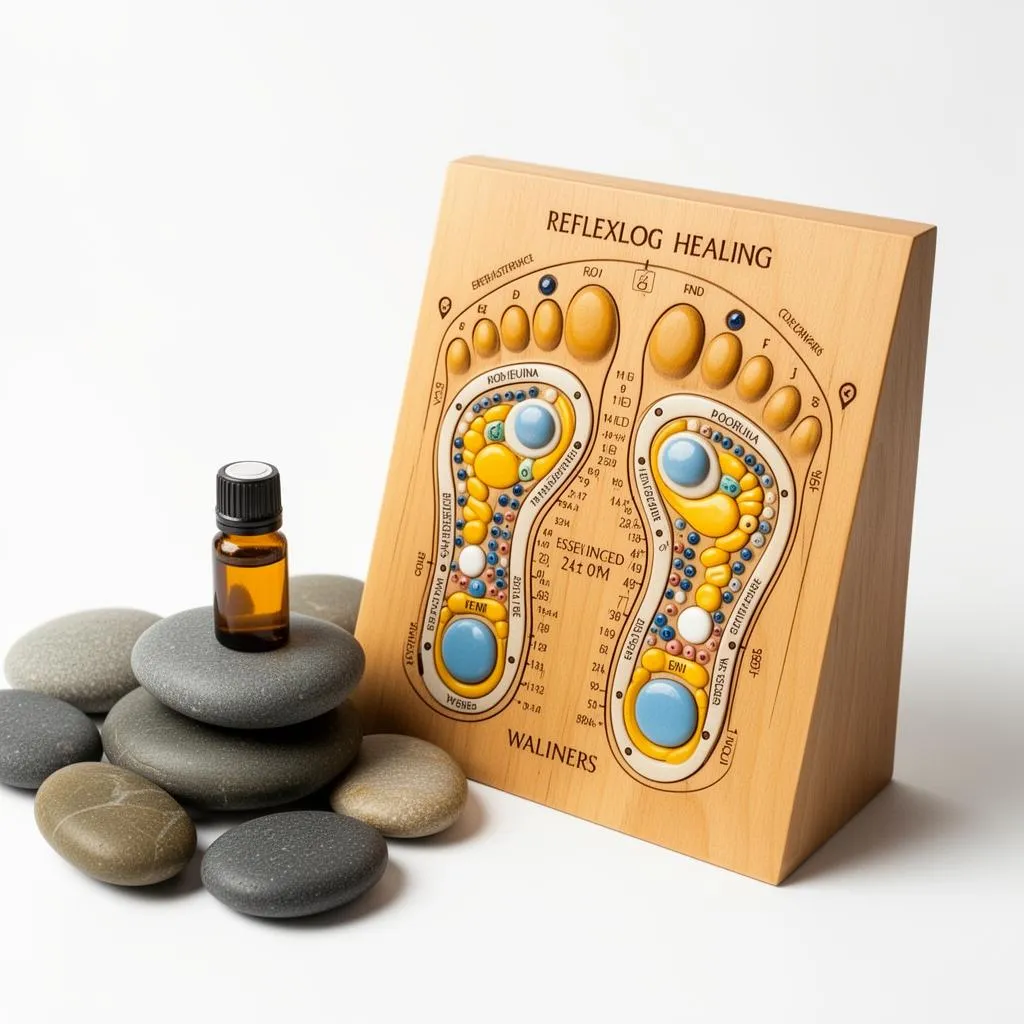
The Complete Guide to Reflexology: Unlocking Wellness in Côte Saint-Luc, Montreal
Discover the ancient healing art of Reflexology. Learn what it is, how it works, its numerous benefits and what to expect during a session at Réhabital in Côte Saint-Luc, Montreal. Reclaim your well-being with this natural therapy.
How Does Reflexology Work? Pressure Points Explained
Discover the science behind reflexology: how reflex points on the feet correspond to internal organs, what research actually says and what to expect at your first session.
Massage Therapy for Stress Relief and Deep Relaxation (Montreal)
How massage therapy combats chronic stress and promotes deep relaxation. Discover our treatments at our Côte Saint-Luc clinic in Montreal.
Reflexology for Heavy Legs, Tired Feet and Plantar Fasciitis: What It Actually Changes
Heavy legs at the end of the day, burning feet, heel pain on your first morning step: here is how we use reflexology in Côte Saint-Luc to restore circulation, release the plantar fascia and calm the nervous system — protocol, frequency and realistic results.

The Complete Guide to Swedish Massage: Unwind and Recharge at Réhabital in Côte Saint-Luc
Discover the soothing world of Swedish Massage at Réhabital in Côte Saint-Luc. This comprehensive guide covers everything from its origins and techniques to its numerous health benefits and what to expect during your session.
Reiki Massage Therapy in Côte Saint-Luc: Complete 2026 Guide
Discover Reiki Massage Therapy offered by Irina Kushnir at Réhabital in Côte Saint-Luc — benefits, what to expect, the science behind Ki energy and 13 essential questions to know before your first visit.