
Prenatal Massage: Proven Benefits and How It Helps Prepare the Body for an Easier Labour
How prenatal massage eases lower-back pain, softens the pelvis, calms the nervous system and concretely prepares the body for a shorter, more comfortable labour — our trimester-by-trimester protocol in Côte Saint-Luc.
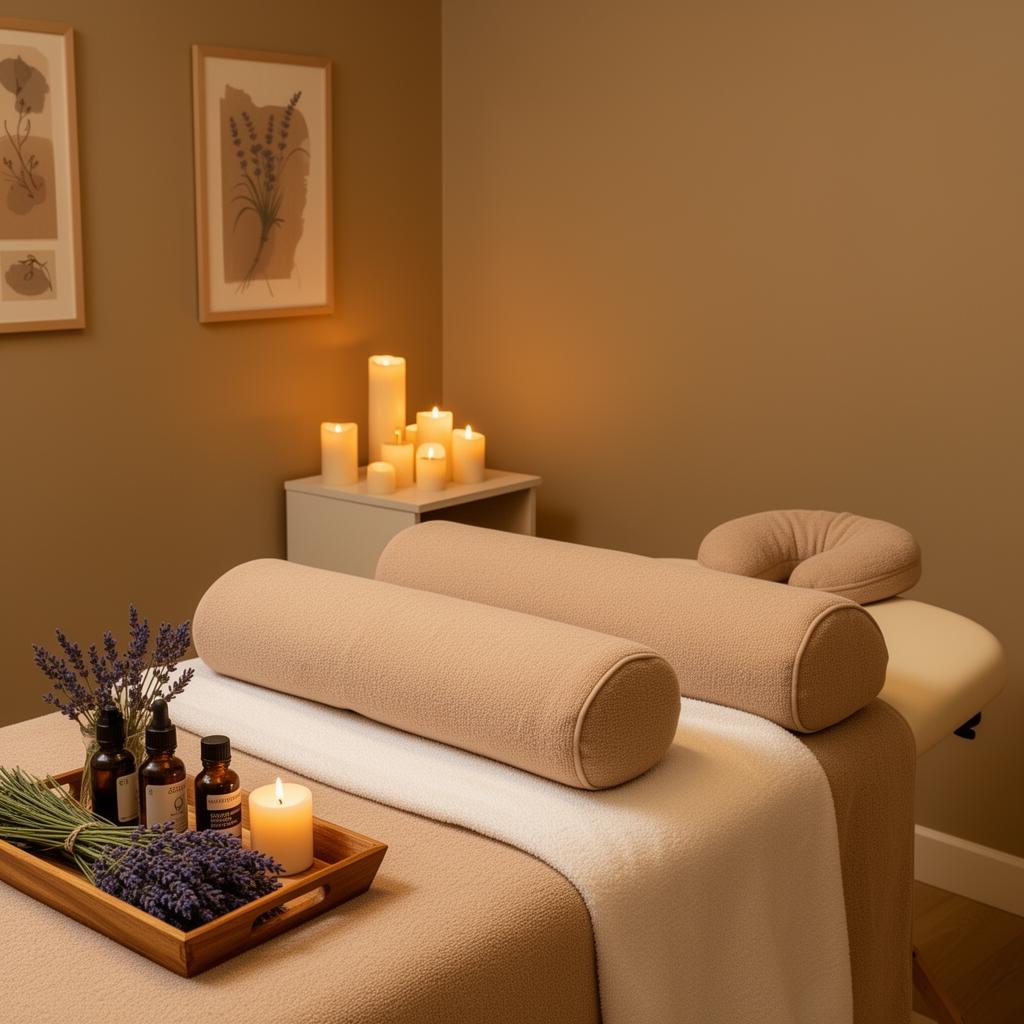
Pregnancy rebuilds the mechanics of the body in a matter of months: the centre of gravity moves forward, relaxin softens the ligaments, blood volume rises by nearly 50%, and the diaphragm is pushed upward. It is no surprise that roughly 7 in 10 pregnant people report lower-back or pelvic pain. Prenatal massage is one of the few interventions that is safe, drug-free and genuinely evidence-supported for that discomfort — and, less widely known, one that concretely prepares the body for an easier labour.
At Clinique Réhabital in Côte Saint-Luc, we support expecting mothers from Hampstead, Westmount, NDG, Snowdon and across west-end Montreal, from the second trimester through to the due date. Here is what prenatal massage actually does, what it does not do, and how we structure each session.
What the research actually shows
Work from the Touch Research Institute at the University of Miami, together with several systematic reviews, converges on a consistent set of effects:
- Lower cortisol, with higher serotonin and dopamine, after a course of regular sessions.
- Reduced lower-back and sciatic pain, often in the range of 30–40% after a few weeks of care.
- Better sleep and fewer prenatal anxiety and depressive symptoms.
- Shorter labour and less use of pain medication in groups receiving regular massage versus controls.
- Better neonatal indicators in some studies: less prematurity and improved birth weight among anxious or depressed mothers who received massage.
None of this makes massage a medical treatment. It does make it a serious supportive therapy with an excellent benefit-to-risk ratio when delivered properly.
Mechanism 1: lower stress hormones so oxytocin can work
Labour is driven by oxytocin. Adrenaline and cortisol are physiologically antagonistic to it: a body in alarm slows labour down. That is an evolutionary safeguard — a mammal in danger pauses birth.
Massage acts directly on that axis. Slow, rhythmic stimulation of skin mechanoreceptors activates the parasympathetic branch: heart rate drops, breathing deepens, resting muscle tone falls. Repeated weekly over the final months, this trains a learned relaxation response the body can reproduce during labour. Many patients tell us the breathing and release they practised on the table was exactly what they used in the delivery room.
Mechanism 2: giving the pelvis back its freedom to move
Birth requires the pelvis to move. The sacrum must nutate and counter-nutate, the coccyx must give way, and the pelvic outlet must widen for the fetal head. That movement is limited by soft tissue, not just bone:
- Piriformis and deep hip rotators — when tight, the sacrum is effectively locked.
- Adductors — stiffness here restricts thigh opening in pushing positions.
- Psoas and hip flexors — shortened by pregnancy posture and prolonged sitting, pulling the pelvis into anterior tilt.
- Thoracolumbar fascia — the sheet connecting glutes, lats and sacrum.
Manual work does not mechanically “open” the pelvis. It removes the brakes that stop the pelvis doing what it already knows how to do. This is exactly the reasoning shared by our massage therapists and our osteopaths.
Mechanism 3: a supple pelvic floor rather than a locked one
There is a lot of talk about strengthening the pelvic floor and very little about its ability to release. Yet the second stage of labour demands release, not contraction. A hypertonic pelvic floor — common in active, stressed or chronically painful bodies — lengthens pushing and increases tearing risk.
Massage therapy does not work internally (that scope belongs to pelvic-floor physiotherapy), but it substantially reduces referred tension from the hips, adductors, glutes, lower back and diaphragm. A mobile diaphragm and a relaxed pelvis create the conditions for a perineum that can let go.
Our protocol, trimester by trimester
Second trimester (weeks 13–27)
The most comfortable phase of pregnancy and the ideal time to lay foundations. 60-minute sessions, roughly monthly:
- Side-lying setup with a full body-pillow system.
- Global work through the back, shoulders and neck (cervical tension rises with breast volume).
- Early work on glutes, piriformis and hip flexors.
- Postural education: sitting, lifting, sleep positioning.
Third trimester (weeks 28–36)
Mechanical demand escalates. Sessions every two weeks:
- Gentle lymphatic drainage of the legs for swelling.
- Targeted release of quadratus lumborum and lumbar erectors.
- Rib and diaphragm work — the baby rises under the ribs and breathing gets restricted.
- Pelvic decompression and adductor work.
Final preparation (week 36 to birth)
Weekly if needed, with an explicit birth focus:
- Absolute priority to structures limiting pelvic opening.
- Gentle external sacrum and coccyx work.
- Breathing and release techniques to reproduce between contractions.
- Comfort and labour positions your partner can support at home.
What we do differently
- No belly-hole tables. They let the abdomen hang and strain lumbar ligaments. We use side-lying with full bolstering, exclusively.
- No essential oils by default. Fragrance-free, hypoallergenic professional gel or cream.
- Systematic screening. Blood pressure, sudden swelling, clot history, bleeding, fetal movement — checked before every session.
- Interdisciplinary coordination. If the picture is more joint-driven we refer to prenatal osteopathy; for persistent pelvic girdle pain, to physiotherapy.
Massage, osteopathy, or both?
This is not a competition. Massage excels at soft tissue, circulation and nervous-system regulation; osteopathy excels at joint mechanics of the pelvis, sacrum and lumbar spine. For complete birth preparation, the combination — massage every two weeks, osteopathy monthly — produces the best results in our patients. See also our osteopathy vs massage therapy comparison.
After the birth
The fourth trimester is the forgotten one. Two to six weeks postpartum (depending on delivery type and your provider's clearance), postnatal massage targets:
- Neck and upper-back strain from feeding and carrying.
- Adhesions and sensitivity around a caesarean scar.
- Pelvic recovery and the return of abdominal tone.
- The deep fatigue and stress of the newborn period.
Booking in Côte Saint-Luc
Our prenatal-trained massage therapists see expecting mothers from Côte Saint-Luc, Hampstead, Westmount, NDG, Snowdon and Montreal West. Please mention how many weeks pregnant you are when booking. Réhabital accepts private insurance and SAAQ (CNESST files are not accepted).
This article is informational and does not replace medical advice. Consult your obstetrician or midwife before starting any new therapy during pregnancy.
Frequently asked questions
Related articles
Prenatal Massage: Benefits, Safety and What Every Expecting Mother Should Know
Discover how prenatal massage can relieve pain, reduce stress and improve your well-being during pregnancy. Complete guide by our certified massage therapists in Côte Saint-Luc.
Prenatal Massage: Benefits, Safety and What Every Expecting Mother Should Know
Prenatal massage offers natural relief from pregnancy discomfort. Learn its benefits, essential precautions and why it's recommended by health professionals.
Prenatal and Postnatal Massage: Our Complete Protocol, From Pregnancy to the Fourth Trimester
Exactly what we do at each trimester, how we prepare the pelvis and nervous system for birth, and how we support recovery after delivery — including after a caesarean — at our Côte Saint-Luc clinic.
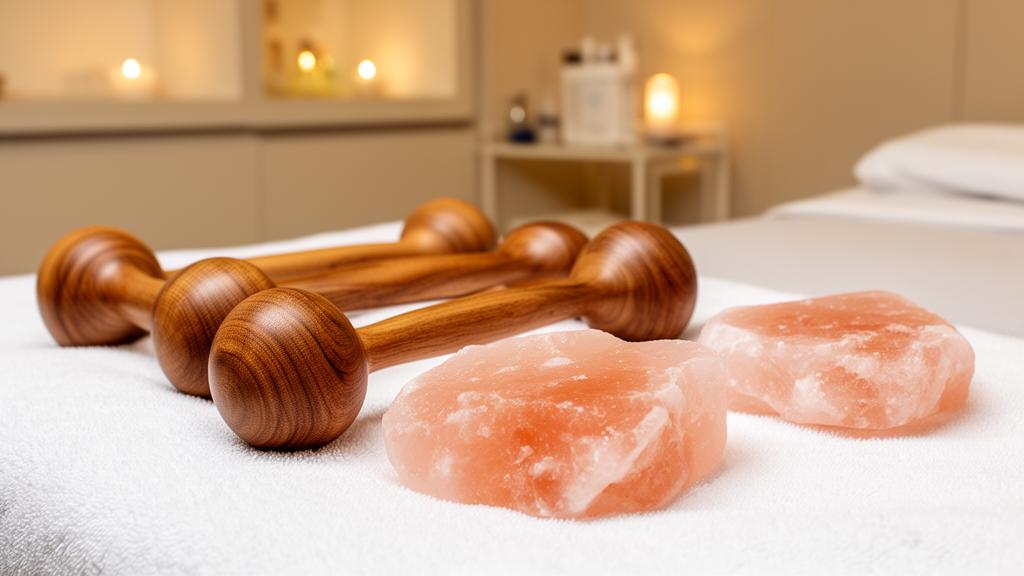
Himalayan Hot Salt Stone Massage: Heat, Minerals and Real Low Back Relief
Why the mineral heat of Himalayan salt stones releases tight muscles, calms the nervous system and eases chronic low back pain — and what a session looks like in Côte Saint-Luc.
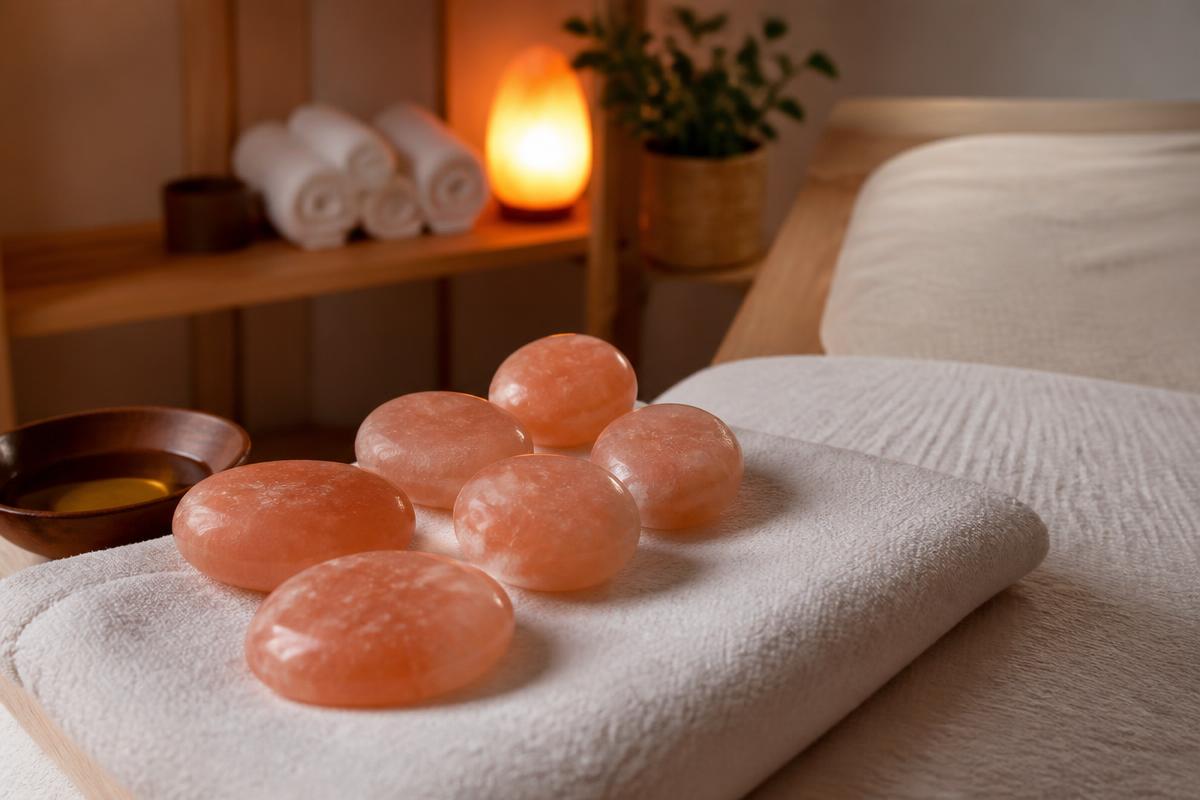
Therapeutic Massage and Hot Salt Stones: Clearing Back and Low Back Pain
How our massage therapists combine clinical therapeutic massage with the mineral heat of Himalayan salt stones to release back muscles, calm the nervous system and produce lasting relief from low back pain in Côte Saint-Luc.
Deep Tissue Massage: Your Comprehensive Guide to Unlocking Relief at Réhabital in Côte Saint-Luc
Explore the world of Deep Tissue Massage. Learn what it is, its benefits, who can benefit and what to expect from a session at Réhabital, your trusted clinic in Côte Saint-Luc, Montreal.