
Prenatal Massage: Benefits, Safety and What Every Expecting Mother Should Know
Discover how prenatal massage can relieve pain, reduce stress and improve your well-being during pregnancy. Complete guide by our certified massage therapists in Côte Saint-Luc.
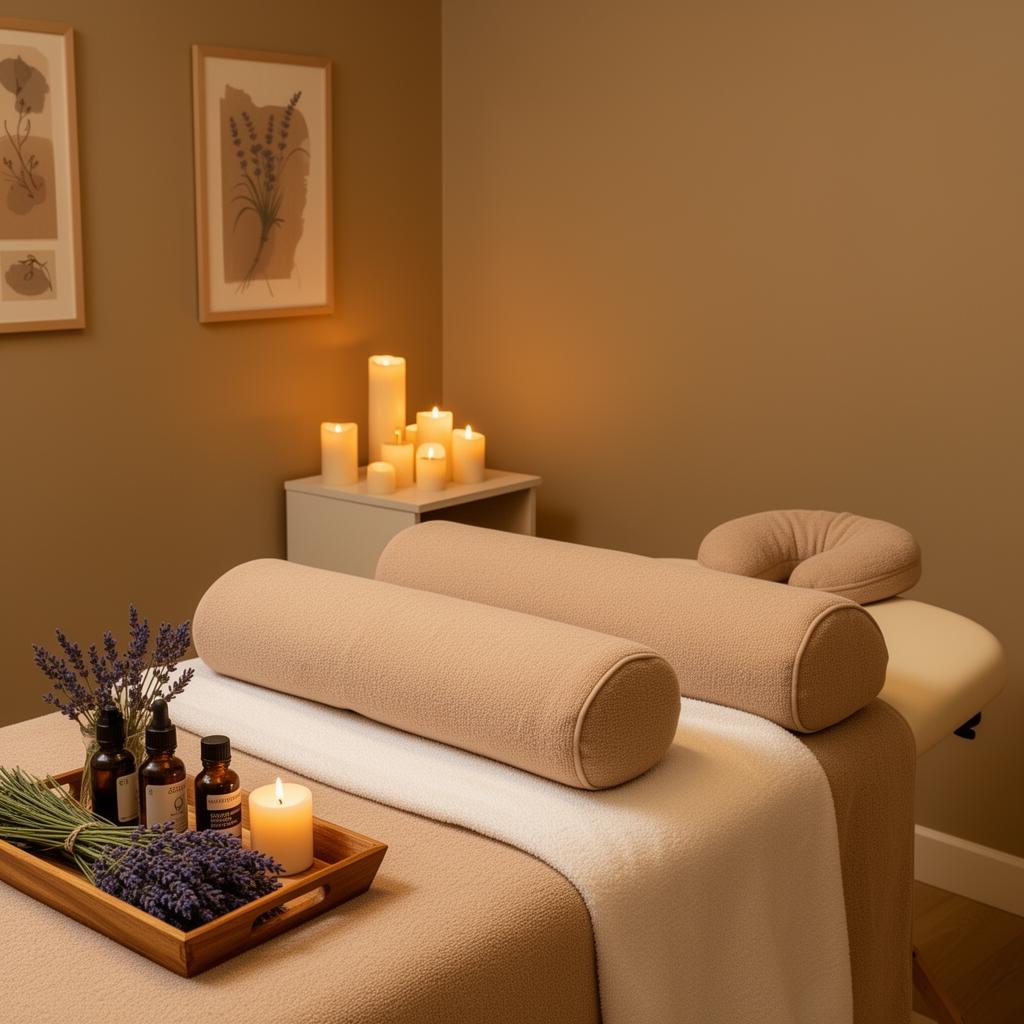
What Is Prenatal Massage?
Prenatal massage is a specialized form of massage therapy designed specifically to support women throughout their pregnancy. Unlike a standard massage, it uses adapted techniques, safe positioning and calibrated pressure to address the unique needs of a changing body.
At Réhabital Clinic in Côte Saint-Luc, our certified massage therapists have advanced training in prenatal massage. They understand the physiological, hormonal and emotional changes every expecting mother goes through and tailor each session accordingly to provide optimal relief in complete safety.
Pregnancy is a wonderful time, but it often comes with significant physical discomforts. Prenatal massage offers a natural, drug-free solution to alleviate these symptoms and promote a state of deep relaxation that benefits both mother and baby.
Scientifically Proven Benefits of Prenatal Massage
Numerous clinical studies have demonstrated the positive effects of prenatal massage on maternal health. Here are the main benefits documented by scientific research:
Relief from Lower Back and Pelvic Pain
As the baby grows, the mother's centre of gravity shifts forward, creating increased pressure on the lower back and pelvis. Prenatal massage targets these areas of tension by releasing contracted muscles, improving local blood circulation and reducing inflammation. A study published in the Journal of Bodywork and Movement Therapies showed that women receiving regular massage during pregnancy reported a significant reduction in lower back pain compared to the control group.
Reduction of Stress, Anxiety and Depression
Pregnancy comes with significant hormonal fluctuations that can affect mood and emotional well-being. Prenatal massage stimulates the production of serotonin and dopamine — the happiness hormones — while reducing cortisol levels, the stress hormone. Research by the Touch Research Institute at the University of Miami demonstrated that a regular prenatal massage programme reduced anxiety by 31% and depressive symptoms by 28%.
Improved Blood Circulation and Reduced Edema
The increase in blood volume during pregnancy, combined with uterine pressure on blood vessels, can cause swelling in the legs, ankles and feet. The lymphatic drainage techniques integrated into prenatal massage promote venous return and reduce water retention, providing notable relief for heavy, swollen legs.
Better Sleep Quality
Insomnia is a common problem during pregnancy, particularly in the third trimester. Prenatal massage promotes deep muscle relaxation and regulates the parasympathetic nervous system, allowing expecting mothers to enjoy more restorative, better-quality sleep. Many patients at our clinic report significant sleep improvement from the very first sessions.
Preparing the Body for Labour
By maintaining muscle flexibility and promoting relaxation of the pelvic floor muscles, prenatal massage can help prepare the body for delivery. Relaxed muscles and better body awareness can facilitate labour and potentially reduce its duration.
When Can You Start Prenatal Massage?
Timing is essential to ensure the safety of both mother and baby. Here are our therapists' recommendations:
- First trimester (weeks 1–12): Although massage is not contraindicated during this period, many professionals recommend waiting until after the first trimester as a precaution. Since the risk of miscarriage is naturally higher during this time, it's best to consult your doctor or midwife before starting.
- Second trimester (weeks 13–27): This is the ideal time to begin prenatal massage. First-trimester nausea has generally subsided and the body begins to feel the effects of weight gain and postural changes.
- Third trimester (weeks 28–40): Massage is particularly beneficial during this phase, as physical discomforts reach their peak. Our therapists adapt techniques and positions to ensure maximum comfort despite the size of the belly.
At Réhabital, we generally recommend a session every two to three weeks during the second trimester, then weekly in the third trimester for optimal benefit.
Techniques Used During Prenatal Massage
Prenatal massage at Réhabital uses several specialized techniques, carefully selected for their effectiveness and safety during pregnancy:
- Effleurage: Long, gentle strokes that promote circulation and overall relaxation. This technique is particularly soothing and helps reduce nervous tension.
- Adapted kneading: Moderate pressure on areas of muscle tension, particularly the upper back, shoulders and calves. Intensity is always adjusted to the patient's comfort.
- Lymphatic drainage: Rhythmic, delicate movements to stimulate the lymphatic system and reduce edema. This technique is particularly effective for swollen legs and feet.
- Safe pressure points: Gentle application of pressure to specific points to relieve headaches, residual nausea and sciatic pain, while avoiding pressure points known to stimulate uterine contractions.
- Passive stretching: Gentle joint movements to maintain mobility and prevent stiffness, particularly in the hips and pelvis.
Positioning and Comfort During the Session
Patient positioning is a crucial element of prenatal massage. From the second trimester onward, lying face down becomes uncomfortable and inadvisable. Our therapists use:
- Side-lying position: This is the most common and comfortable position. Pillows and bolsters are strategically placed to support the belly, back and legs, ensuring optimal spinal alignment.
- Semi-reclined position: Ideal for upper body, shoulder and head massage, particularly in late pregnancy.
- Back-lying position (with incline): Used briefly and at a 30–45 degree incline to avoid vena cava compression, allowing work on legs and feet.
Our massage rooms are equipped with specialized positioning cushions and adjustable tables to guarantee absolute comfort for every expecting mother throughout the session.
Contraindications and Precautions
Although prenatal massage is safe in the vast majority of cases, certain conditions require special attention or constitute contraindications:
- High-risk pregnancy or threat of premature labour
- Pre-eclampsia or uncontrolled high blood pressure
- Placenta praevia or placental abruption
- Unexplained vaginal bleeding
- Deep vein thrombosis (DVT) or history of blood clots
- Active fever or infection
- Severe first-trimester nausea (hyperemesis gravidarum)
During your first visit at Réhabital Clinic, our massage therapist will conduct a thorough assessment of your health and pregnancy. We'll also ask for your doctor's or midwife's approval if needed, to ensure massage is appropriate for your situation.
Why Choose Réhabital for Prenatal Massage in Montreal?
Réhabital Clinic stands out through its multidisciplinary approach and commitment to quality care:
- Certified therapists: Our massage therapists have specialized training in prenatal and perinatal massage, with a thorough understanding of pregnancy anatomy and physiology.
- Soothing environment: Our massage rooms offer a calm, warm atmosphere designed to promote relaxation and well-being for expecting mothers.
- Personalized approach: Each session is adapted to your trimester, specific symptoms and personal preferences.
- Multidisciplinary team: As a complete rehabilitation clinic, we can coordinate your care with our osteopaths, physiotherapists and naturopaths for comprehensive pregnancy care.
- Insurance coverage: Massage therapy is covered by most private insurance plans in Quebec. We provide receipts that meet insurance company requirements.
- Convenient location: Located at D4-5800 Cavendish Boulevard in Côte Saint-Luc, our clinic is easily accessible from Hampstead, Westmount, NDG, Snowdon, Mont-Royal and all across the island of Montreal.
Frequently Asked Questions About Prenatal Massage
Is prenatal massage painful?
No. Prenatal massage uses gentle to moderate pressure, always adjusted to your comfort. Our therapist will communicate with you throughout the session to ensure the intensity is perfectly suited to you.
How long does a session last?
Prenatal massage sessions at Réhabital generally last 60 minutes. This duration allows us to treat the main areas of tension while maintaining your comfort.
Can prenatal massage trigger labour?
A prenatal massage performed by a qualified therapist does not trigger labour. Our therapists carefully avoid pressure points associated with uterine stimulation. However, we do not perform massage within 48 hours of a scheduled induction date without your doctor's authorization.
Can I receive prenatal massage if I'm expecting twins?
Yes, in most cases. Twin pregnancies can benefit from prenatal massage, but we recommend consulting your obstetrician beforehand and adjusting the frequency and intensity of sessions.
Take Care of Yourself and Your Baby
Prenatal massage is not a luxury — it's an investment in your health and your baby's. By reducing stress, relieving pain and improving your sleep quality, you create optimal conditions for a serene pregnancy and a confident delivery.
At Réhabital Clinic in Côte Saint-Luc, we're proud to support expecting mothers from Montreal and surrounding areas during this important chapter of their lives. Our team of certified massage therapists is ready to provide you with personalized care in a warm, professional environment.
Book your appointment today to discover the benefits of prenatal massage. Call us at (438) 842-3550 or book online through our appointment platform.
Frequently asked questions
Related articles
Prenatal Massage: Benefits, Safety and What Every Expecting Mother Should Know
Prenatal massage offers natural relief from pregnancy discomfort. Learn its benefits, essential precautions and why it's recommended by health professionals.
Prenatal Massage: Proven Benefits and How It Helps Prepare the Body for an Easier Labour
How prenatal massage eases lower-back pain, softens the pelvis, calms the nervous system and concretely prepares the body for a shorter, more comfortable labour — our trimester-by-trimester protocol in Côte Saint-Luc.
Therapeutic Massage in Côte Saint-Luc: Relieve Pain, Tension and Stress
Discover how therapeutic massage at Réhabital Clinic relieves muscle pain, improves circulation and restores your body's balance.
Prenatal and Postnatal Massage: Our Complete Protocol, From Pregnancy to the Fourth Trimester
Exactly what we do at each trimester, how we prepare the pelvis and nervous system for birth, and how we support recovery after delivery — including after a caesarean — at our Côte Saint-Luc clinic.
Benefits of Massage Therapy for Stress and Anxiety Relief
How massage therapy reduces cortisol, improves sleep and relieves anxiety. Recommended massage types in Côte Saint-Luc.
Deep Tissue Massage: Relieving Chronic Pain and Muscle Tension
Discover how deep tissue massage targets deep muscle layers to relieve chronic pain, improve mobility and accelerate recovery.