
Prenatal Massage: Benefits, Safety and What Every Expecting Mother Should Know
Prenatal massage offers natural relief from pregnancy discomfort. Learn its benefits, essential precautions and why it's recommended by health professionals.
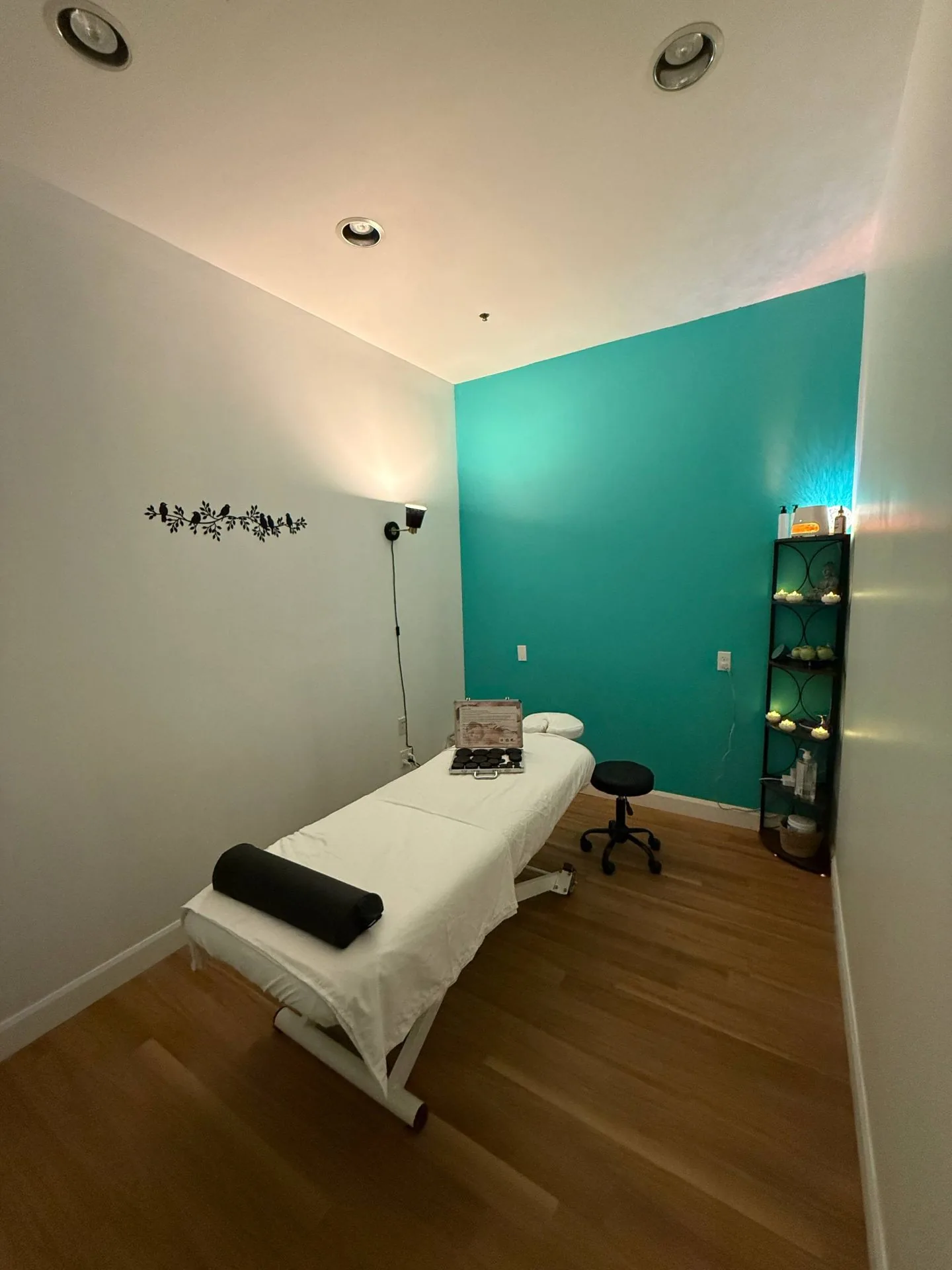
Prenatal Massage: A Precious Ally During Pregnancy
Pregnancy is an extraordinary time, but it often comes with muscle aches, tension and discomfort that can significantly affect quality of life. Prenatal massage is a gentle therapy specially adapted to the needs of pregnant women, offering natural and safe relief without medication.
At Clinique Réhabital in Côte Saint-Luc, our massage therapists are specifically trained in prenatal techniques to support expecting mothers throughout their pregnancy. Our approach combines therapeutic expertise with a warm environment for a complete care experience.
Scientifically Proven Benefits of Prenatal Massage
Prenatal massage isn't a simple luxury — it's a clinically proven therapeutic intervention. Here's what scientific research demonstrates:
- Lower back pain relief — The baby's weight shifts the center of gravity, creating excessive lumbar lordosis causing lower back pain. A study in the International Journal of Nursing Studies shows prenatal massage reduces lower back pain by 38% after 6 sessions.
- Edema reduction — Lymphatic drainage techniques reduce water retention in legs and feet, a problem affecting 80% of pregnant women in the third trimester.
- Improved sleep — Deep relaxation promotes better quality sleep. Research shows a 30% increase in deep sleep time after regular sessions.
- Reduced stress and anxiety — Massage reduces cortisol levels by 25% while increasing serotonin by 28% and dopamine by 21%. These hormonal changes also benefit the baby.
- Sciatica relief — Targeted techniques reduce pressure on the sciatic nerve, affecting approximately 50% of pregnant women. Sciatica treatment →
- Labor preparation — Muscle relaxation and stress management contribute to shorter, less painful labor. A study showed a 3-hour reduction in average labor duration for women who received regular massages.
- Muscle cramp reduction — Nighttime calf cramps, common in the third trimester, are significantly reduced by regular massage.
- Improved blood circulation — Massage promotes venous return, reducing the risk of varicose veins and superficial venous thrombosis.
Impact on the Baby
The benefits of prenatal massage aren't limited to the mother. Research shows that:
- Reduced maternal cortisol creates a more favorable hormonal environment for fetal development
- Improved blood circulation ensures better oxygen and nutrient supply to the baby
- Babies of mothers who received regular massages are born with lower cortisol levels and cry less
- Maternal relaxation promotes optimal baby positioning for delivery
When to Start Prenatal Massage?
Prenatal massage is generally recommended from the second trimester (after week 12). During the first trimester, risks are low but caution is advised due to the fragility of this period.
The ideal frequency varies by trimester:
- Second trimester (weeks 13-27) — One session every 2 to 3 weeks. Often the ideal time to start as the belly grows and first pains appear.
- Third trimester (weeks 28-36) — One session every 1 to 2 weeks. Discomfort intensifies and massage becomes particularly beneficial.
- Final weeks (37-40) — Weekly sessions for optimal relief and labor preparation.
Specialized Techniques and Positioning
Our massage therapists use specific techniques developed to ensure mother and baby comfort and safety:
- Side-lying position — The expecting mother is positioned on her left side (promoting venous return) with support pillows strategically placed under the head, between the knees and under the belly for maximum comfort.
- Semi-reclined position — For upper body work, a reclined seated position may be used.
- Adapted pressure — Gentle, enveloping movements, never intense pressure. Intensity is constantly adjusted in communication with the patient.
- Targeted areas — Focus on lower back, hips, legs, calves, shoulders and neck — the areas most affected by pregnancy.
- Avoided areas — Certain specific pressure points (such as LI4 between thumb and index finger, or SP6 above the inner ankle) are avoided as they are associated in traditional medicine with uterine stimulation.
Prenatal Massage Trimester by Trimester
Second trimester: the ideal time to start
The belly begins to round and the center of gravity shifts. First lower back pains appear. Prenatal massage at this stage prevents chronic tension from setting in and maintains muscle flexibility. Gentle drainage techniques help prevent edema.
Third trimester: intensive relief
The most physically demanding period. The baby's weight puts considerable pressure on the back, pelvis and legs. Massage relieves intense pain, improves breathing by releasing diaphragm tension and prepares the pelvis for delivery. Drainage techniques become essential for managing leg edema.
Contraindications and Precautions
Prenatal massage is not recommended in the following situations:
- High-risk pregnancy or threatened miscarriage
- Pre-eclampsia or severe hypertension
- Vaginal bleeding
- Placenta previa
- Premature labor or regular contractions before term
- Diagnosed deep vein thrombosis
Always consult your doctor or midwife before starting sessions. At Réhabital, we request medical authorization for any high-risk pregnancy.
Prenatal Massage vs Prenatal Osteopathy
Both approaches are complementary and beneficial during pregnancy:
- Prenatal massage — Focuses on relieving muscle tension, relaxation and drainage. Ideal for stress management and generalized muscle pain.
- Prenatal osteopathy — Treats joint dysfunctions, mobility restrictions and prepares the pelvis for delivery. Ideal for specific joint pain and birth preparation. Learn more about prenatal osteopathy →
At Réhabital, we offer both services and can recommend the best approach — or a combination of both — based on your specific needs.
Frequently Asked Questions
Is prenatal massage safe?
Yes, when performed by a therapist trained in prenatal techniques. At Réhabital, our massage therapists have specialized training in pregnancy massage and know the necessary adaptations for each trimester.
Is prenatal massage covered by insurance?
Yes. Most private insurance plans in Quebec cover massage therapy, including prenatal massage. We provide receipts for reimbursement.
Can I receive massage in the first trimester?
As a precaution, we generally recommend waiting until the second trimester. If you have urgent needs in the first trimester, consult your doctor and discuss with our therapist.
Can my partner attend the session?
Absolutely. We encourage partners to be present. We can even teach simple massage techniques your partner can practice at home.
Book Your Appointment
Give yourself the comfort you deserve during your pregnancy. Our specialized massage therapists in Côte Saint-Luc are here to support you throughout this beautiful journey. Residents of Hampstead, Westmount, NDG and the entire Montreal region welcome.
Frequently asked questions
Related articles
Prenatal Massage: Benefits, Safety and What Every Expecting Mother Should Know
Discover how prenatal massage can relieve pain, reduce stress and improve your well-being during pregnancy. Complete guide by our certified massage therapists in Côte Saint-Luc.
Benefits of Massage Therapy for Stress and Anxiety Relief
How massage therapy reduces cortisol, improves sleep and relieves anxiety. Recommended massage types in Côte Saint-Luc.
Prenatal Massage: Proven Benefits and How It Helps Prepare the Body for an Easier Labour
How prenatal massage eases lower-back pain, softens the pelvis, calms the nervous system and concretely prepares the body for a shorter, more comfortable labour — our trimester-by-trimester protocol in Côte Saint-Luc.
Deep Tissue Massage: Relieving Chronic Pain and Muscle Tension
Discover how deep tissue massage targets deep muscle layers to relieve chronic pain, improve mobility and accelerate recovery.
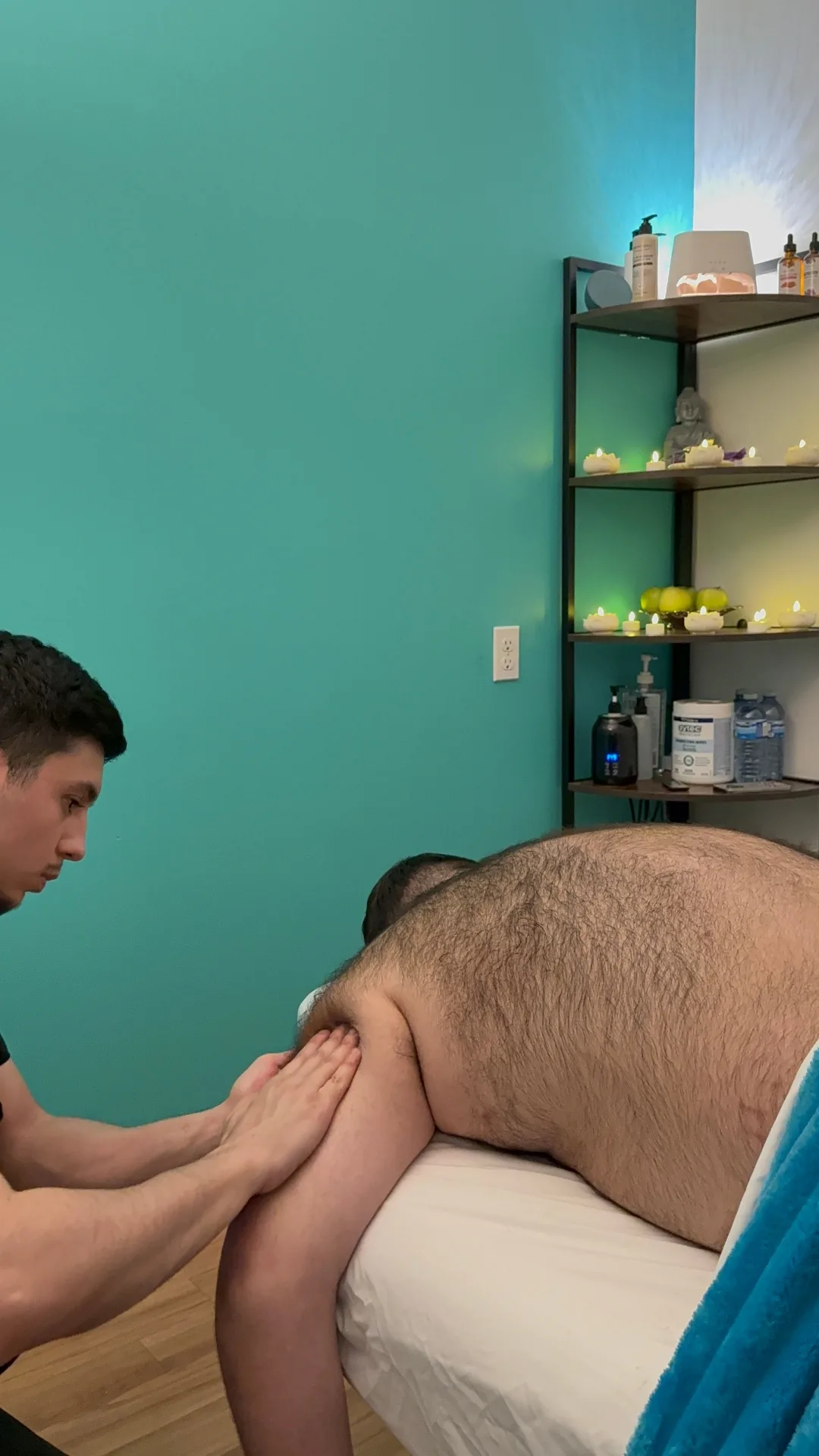
Therapeutic Massage in Côte Saint-Luc: Relieve Pain, Tension and Stress
Discover how therapeutic massage at Réhabital Clinic relieves muscle pain, improves circulation and restores your body's balance.
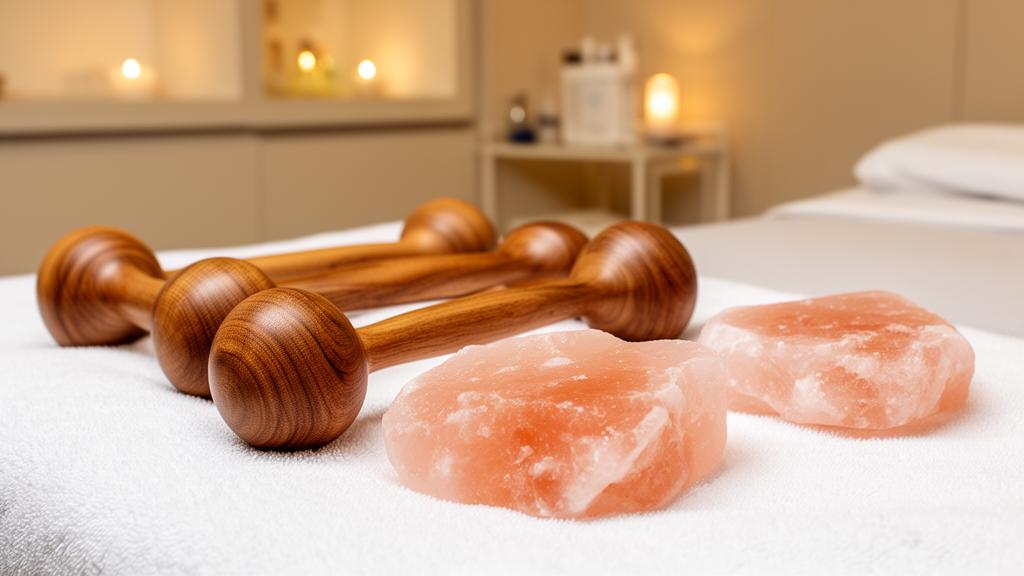
Himalayan Hot Salt Stone Massage: Heat, Minerals and Real Low Back Relief
Why the mineral heat of Himalayan salt stones releases tight muscles, calms the nervous system and eases chronic low back pain — and what a session looks like in Côte Saint-Luc.