
Osteopathy or Physiotherapy for Back Pain: A Guide Based on Your Symptoms
Struggling with back pain and unsure whether to see an osteopath or a physiotherapist? Here is a clear, symptom-based guide to help you choose the right approach in Côte Saint-Luc.
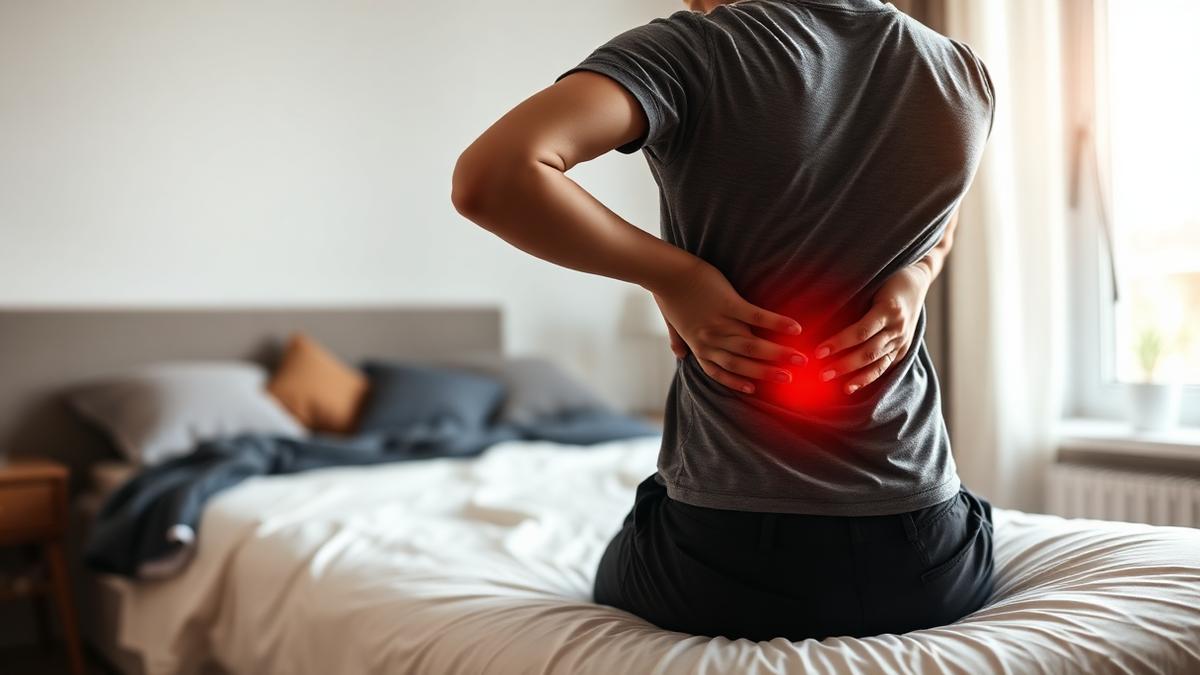
Back pain is one of the most common reasons people seek treatment, and it is not always obvious whether you should see an osteopath or a physiotherapist first. At Clinique Réhabital, located in Côte Saint-Luc, we offer both services under one roof, allowing us to guide you toward the approach best suited to your situation, or even combine both for optimal results.
In this guide, we break down the differences between osteopathy and physiotherapy for treating back pain, and offer concrete guidance based on your symptoms so you can make an informed choice.
Understanding the Two Approaches
Osteopathy is a holistic manual approach that views the body as an interconnected whole. The osteopath assesses the mobility of joints, muscles, fascia, and even certain organs to identify restrictions that might be contributing to your back pain. Techniques used include gentle mobilizations, myofascial stretching, and sometimes targeted joint manipulation.
Physiotherapy, on the other hand, often combines manual therapy with a personalized active exercise program. The physiotherapist assesses your strength, posture, range of motion, and movement patterns to build a progressive rehabilitation plan aimed at correcting muscle imbalances and preventing recurrence.
Based on Your Symptoms: Which Approach to Choose?
Acute, Recent Pain (Less than 2 Weeks)
If your back pain just started, and you are having trouble moving or your back feels "locked," an osteopathy consultation can often provide quick relief. Gentle techniques help reduce muscle spasms and improve mobility before starting an active exercise program, which might be difficult to tolerate in the very acute phase.
Chronic Pain (More than 3 Months)
For pain that has persisted for months, physiotherapy is often the most effective long-term approach. Chronic back pain is frequently linked to muscle weakness, poor posture, or compensations developed over time. A structured therapeutic exercise program, combined with manual therapy, addresses the root causes rather than simply treating symptoms.
Pain with Numbness or Radiation into the Leg
If your pain travels down your buttock or leg, it could be sciatica. Check out our dedicated page on sciatica treatment to learn more. In this case, a combined approach is often recommended: osteopathy to reduce nerve compression and physiotherapy to strengthen the supporting structures.
Pain Related to Work Posture (Desk, Screen)
Back pain related to long hours sitting in front of a computer generally responds very well to physiotherapy, which includes a full postural assessment and targeted exercises to strengthen core stabilizing muscles.
Generalized Stiffness Without Intense Pain
If you mostly feel stiffness rather than sharp pain, an osteopathy session can help restore overall mobility to the spine and pelvis.
Can You Combine Both Treatments?
Yes, and this is often what we recommend for more complex cases. An osteopath can help release mobility restrictions, while a physiotherapist can then build the strength and stability needed to prevent pain from returning. Our multidisciplinary team at Réhabital can coordinate this type of integrated care plan. You can also check our detailed comparison, Osteopathy vs Physiotherapy, for more information.
Direct Access to Physiotherapy in Quebec
It is important to know that in Quebec, physiotherapy is direct access: you do not need a medical prescription to see a physiotherapist. However, some insurers require a doctor's note for reimbursement, so check the conditions of your insurance policy before your appointment.
What to Expect During Your First Visit
Whether you choose osteopathy or physiotherapy, your first visit will begin with a thorough assessment of your health history, current symptoms, and goals. The practitioner will then perform physical tests to identify the structures involved in your pain, and propose a personalized treatment plan.
Insurance and Payment Options
Clinique Réhabital accepts most private insurance plans as well as SAAQ claims. Please note that CNESST claims are not accepted at our clinic. We recommend verifying your coverage before your first appointment. For more details on our policies, visit our policies page.
Other Options to Consider
In addition to osteopathy and physiotherapy, many clients also benefit from massage therapy to relax surrounding soft tissue, or naturopathy for a more holistic approach to their health. Feel free to check out our team page to learn more about each practitioner.
Anatomy and Mechanisms of Back Pain
To truly understand why two such different approaches can both relieve back pain, it helps to understand the anatomy involved. The lumbar spine is supported by a complex network of deep muscles (such as the multifidus and transverse abdominis), ligaments, intervertebral discs, and facet joints. When one of these structures becomes irritated, compressed, or overloaded, the body often responds with a protective muscle spasm that limits movement, which explains the "locked" sensation many clients describe.
The Role of Deep Stabilizing Muscles
The deep stabilizing muscles of the trunk play a crucial role in protecting the spine. When they are weak or poorly activated, mechanical load shifts to passive structures like discs and ligaments, increasing the risk of injury and chronic pain. This is exactly what physiotherapy targets through progressive strengthening exercises, while osteopathy focuses more on the mobility of surrounding tissue to allow these muscles to function properly.
What a Session at Réhabital Looks Like
During your first visit at our Côte Saint-Luc clinic, your practitioner always begins with a detailed interview about the history of your pain: when it started, what aggravates or relieves it, and your functional goals. Postural tests, joint mobility tests, and, if necessary, neurological tests follow to rule out nerve involvement. In osteopathy, the practitioner will then use their hands to assess tissue tension and apply gentle mobilization techniques. In physiotherapy, the session usually includes manual therapy followed by supervised active exercises, with real-time adjustments based on your tolerance.
Exercises and Self-Care at Home
Regardless of the approach chosen, your active involvement between sessions makes all the difference in your recovery. Here are a few general principles our practitioners often recommend:
- Avoid prolonged bed rest, which can slow healing and further weaken stabilizing muscles
- Walk regularly, even short distances, to maintain circulation and mobility
- Apply heat to tense areas to relax muscles before your exercises
- Perform your prescribed exercises consistently, even on days when you feel little pain
- Adjust your posture at work, particularly if you spend long hours sitting
Realistic Healing Timelines
It is important to have realistic expectations for your recovery. Simple acute pain often improves significantly within two to four weeks with appropriate treatment. Chronic pain present for months or years generally requires a longer commitment, often two to three months of regular treatment before observing lasting changes. Patience and consistency are essential: stopping treatment too early, at the first signs of improvement, is one of the most common causes of relapse.
When to See a Doctor Without Delay
While most back pain is mechanical and benign in nature, certain warning signs require urgent medical evaluation rather than manual treatment. See a doctor or emergency services immediately if you experience loss of bladder or bowel control, progressive weakness in your legs, loss of sensation in the perineal area, pain following significant trauma, or pain accompanied by unexplained fever or significant weight loss. Our practitioners are trained to detect these warning signs and refer you promptly if needed.
Our Clients from Côte Saint-Luc and Surrounding Areas
Clinique Réhabital welcomes clients from Côte Saint-Luc, as well as residents of Hampstead, Westmount, Snowdon, Notre-Dame-de-Grâce (NDG), and Montréal-Ouest, who appreciate our multidisciplinary approach under one roof. Whether you are a professional who spends long hours at a desk, a busy parent, or an amateur athlete, our team tailors treatment to your daily reality and personal goals.
Osteopathy and Physiotherapy: Practitioner Training and Approach
An osteopath completes in-depth postgraduate training in palpatory anatomy, biomechanics, and specific manual techniques, while a physiotherapist holds a university degree in physiotherapy and is a member of the Ordre professionnel de la physiothérapie du Québec (OPPQ). Both professions are regulated, but their treatment philosophies differ: the osteopath seeks to restore the body's overall balance, while the physiotherapist focuses on progressive functional rehabilitation guided by evidence from health science research.
Working With Insurance for Ongoing Care
If your back pain requires ongoing sessions of either osteopathy or physiotherapy, our reception team can provide you with detailed receipts for private insurance reimbursement, and we can also help coordinate SAAQ paperwork if your pain is related to a motor vehicle accident.
Building a Sustainable Prevention Routine
Beyond treating the immediate episode, our practitioners often work with clients to build a sustainable prevention routine: a short daily mobility routine, ergonomic adjustments at your workstation, gradual strengthening of core and hip muscles, and periodic check-ins to catch small issues before they become bigger ones. Clients from Côte Saint-Luc, Hampstead, and NDG who commit to this kind of routine often report fewer flare-ups over time.
Everyday Risk Factors for Back Pain
Several everyday factors can contribute to the onset or worsening of back pain: prolonged sitting without breaks, lack of regular physical activity, poor lifting technique, an unsuitable mattress or pillow, and chronic stress, which can increase overall muscle tension. Identifying these factors with your practitioner helps build a long-term prevention plan, in addition to treating your current pain.
Book Your Appointment Today
Do not let your back pain get worse. Whether you choose osteopathy, physiotherapy, or a combination of both, our team in Côte Saint-Luc is ready to help guide you toward lasting relief. Book your assessment now online through our Jane App booking system, available on our service pages. Also explore our blog for more health tips.
This article is provided for informational purposes only and does not replace a diagnosis or professional consultation. Please consult a qualified practitioner to assess your specific condition.
Frequently asked questions
Go deeper with our dedicated osteopathy pages
Osteopathy pages with Shahram Ghasemi, MD (Iran), DOMP in Côte Saint-Luc:
Related articles
Osteopathy vs Physiotherapy: Which Approach Should You Choose in Côte Saint-Luc?
Complete comparison between osteopathy and physiotherapy: differences, indications, training, insurance reimbursement and how to choose based on your condition in Côte Saint-Luc, Hampstead, NDG and across Montreal.
Osteopathy: A Whole-Body Approach to Restoring Your Body's Balance
Discover how osteopathy treats the root cause of your pain by restoring your body's structural, visceral and cranial balance.
Best Treatment for Back Pain: How Osteopathy Provides Lasting Relief
Discover why osteopathy is considered one of the best treatments for back pain. Evidence-based manual therapy for chronic and acute back pain in Montreal.
When Should You See an Osteopath? 10 Signs You Shouldn't Ignore
Persistent pain, morning stiffness, migraines? Discover 10 signs indicating you should see an osteopath in Montreal.
Osteopathy and Neck Pain: How Visceral Osteopathy Treats the Neck Pain That Keeps Coming Back
Neck pain does not always come from the neck. The diaphragm, stomach, liver, pericardium and chest fascia can pull on the cervical spine through precise anatomical chains. Here is how visceral osteopathy fits into chronic neck pain care in Côte Saint-Luc.
Does Osteopathy Help with Back Pain? (Montreal Guide)
Learn how osteopathy effectively treats back pain in Côte Saint-Luc. Causes, techniques, number of sessions and expected results.